
If you’re lucky enough to have a large patio, you know it’s more than just an outdoor space—it’s an extension of your home. A place for morning coffee, evening cocktails, weekend barbecues, and movie nights under the stars. And what better way to elevate that experience than with a dedicated garden TV? But let’s be honest: choosing the right outdoor television isn’t as simple as picking up any old flat-screen from the electronics store. These devices face real challenges—direct sunlight, rain, humidity, temperature swings, and dust—that indoor TVs simply aren’t built to handle.
That’s exactly why this comprehensive buying guide exists. Whether you’re planning a full backyard entertainment setup or just want to enjoy your favorite shows while lounging by the pool, we’ve done the research so you don’t have to. In this guide, you’ll learn everything you need to know about selecting the perfect garden TV for your large patio in 2026. We’ll break down the key factors that matter most—from weather resistance and screen brightness to smart features and long-term durability—and compare the top types of outdoor TVs on the market today. You’ll also get expert tips on avoiding common pitfalls, understanding budget tiers, and making the smartest purchase for your lifestyle.
The outdoor TV market has evolved dramatically over the past few years. What once consisted mostly of bulky, expensive “weatherproof” enclosures now includes sleek, purpose-built models designed specifically for open-air environments. Brands like SunBriteTV, Samsung (with its Terrace series), LG, and even newcomers like Sylvane and Outdoor TV Solutions are pushing the boundaries of what’s possible. With options ranging from 43 inches all the way up to 85 inches and beyond, there’s never been a better time to invest in a garden TV—but only if you choose wisely. This guide will help you cut through the marketing hype and find a model that delivers real performance, reliability, and value for your unique outdoor space.

What to Look for When Buying a Garden TV
1. Weather Resistance & IP Rating
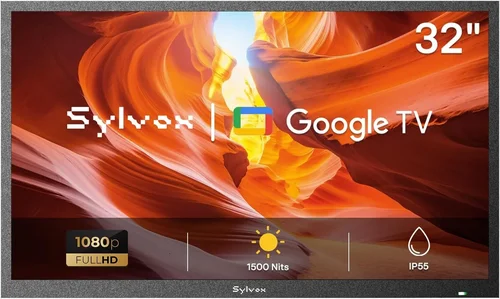
When it comes to outdoor electronics, weather resistance isn’t optional—it’s essential. Unlike indoor TVs, garden TVs are exposed to rain, snow, dust, pollen, and even salt air if you live near the coast. That’s why the Ingress Protection (IP) rating is one of the most critical specs to check. Look for a minimum IP55 rating, which means the TV is protected against low-pressure water jets and limited dust ingress. For harsher climates or uncovered patios, aim for IP65 or higher—this ensures full protection against dust and powerful water sprays.
But don’t stop at the IP rating. Also consider how the TV handles temperature extremes. Most quality outdoor TVs operate safely between -22°F and 122°F (-30°C to 50°C). Cheaper models may claim weather resistance but fail in freezing winters or scorching summers. Check the manufacturer’s operating temperature range carefully. Additionally, look for sealed ports, corrosion-resistant materials, and anti-condensation technology—especially if your patio lacks a roof or awning.
2. Screen Brightness & Anti-Glare Technology
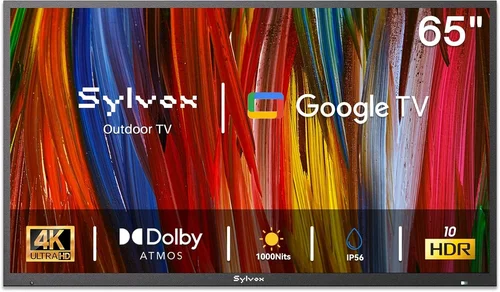
One of the biggest challenges with outdoor viewing is glare. Sunlight reflecting off a standard LCD screen can make content nearly impossible to see, even on a cloudy day. That’s why brightness—measured in nits—is crucial. For a large patio that gets direct sunlight, you’ll need a minimum of 700 nits, but ideally 1,000 nits or more. Some premium models now offer up to 2,500 nits, delivering stunning clarity even at noon.
Equally important is anti-glare coating. Look for TVs with matte finishes or specialized optical filters that diffuse ambient light rather than reflecting it. OLED screens, while gorgeous indoors, often struggle outdoors due to lower peak brightness compared to high-end LED/LCD outdoor models. Also, consider viewing angle: if your patio seating is spread out, choose a TV with wide viewing angles (178° horizontal/vertical) to ensure everyone gets a clear picture.
3. Size & Viewing Distance
Size matters—but not in the way you might think. A larger screen isn’t always better if it’s too close or too far from your seating area. For a large patio, typical viewing distances range from 8 to 15 feet. As a rule of thumb, multiply your viewing distance (in feet) by 0.84 to get the ideal screen diagonal in inches. So, at 12 feet, you’d want around a 100-inch screen—but since most outdoor TVs max out at 85 inches, an 85-inch model would be perfect.
However, don’t sacrifice brightness or weatherproofing just to get a bigger screen. An 85-inch TV with 500 nits will look worse in daylight than a 65-inch model with 1,500 nits. Also, consider mounting options: wall mounts, ceiling mounts, and freestanding carts all affect how large a TV you can practically install. Measure your space, account for walkways, and leave room for ventilation—outdoor TVs generate heat and need airflow to prevent overheating.
4. Build Quality & Durability
Outdoor TVs aren’t just exposed to weather—they’re also subject to physical wear, UV degradation, and potential vandalism (especially in shared or public spaces). That’s why build quality is non-negotiable. Look for powder-coated aluminum chassis, stainless steel hardware, and reinforced glass or acrylic screens that resist scratches and yellowing from sun exposure.
Avoid plastic-heavy designs, which can warp, crack, or become brittle over time. Check customer reviews for reports of rust, loose components, or premature failure. Reputable brands often use marine-grade materials or aerospace alloys for critical parts. Also, inspect the back panel: it should be fully sealed with no gaps where moisture could seep in. A well-built garden TV should last 7–10 years with proper care—don’t settle for anything less.
5. Smart Features & Connectivity
Just because it’s outdoors doesn’t mean your TV should feel outdated. Modern garden TVs come packed with smart features: built-in Wi-Fi, streaming apps (Netflix, YouTube, Disney+, etc.), voice control via Alexa or Google Assistant, and even Bluetooth for wireless audio. But here’s the catch: not all “smart” outdoor TVs are created equal.
Some budget models use stripped-down or outdated operating systems that lack app support or receive infrequent updates. Others may require external streaming devices (like a Roku Stick or Apple TV) because their internal processors are too weak. For seamless use, choose a model with a robust OS (like Android TV, webOS, or Tizen) and ample RAM (at least 2GB). Also, ensure it has enough HDMI ports (minimum 3), USB inputs, and possibly an Ethernet port for wired internet—Wi-Fi can be unreliable outdoors due to distance from your router.
6. Audio Performance
Most outdoor TVs have underwhelming built-in speakers—partly due to space constraints and partly because manufacturers assume you’ll use external audio. But if you prefer an all-in-one solution, pay attention to wattage and speaker configuration. Look for at least 20W total output (10W per channel) and front-firing or side-firing drivers for better sound projection across a large patio.
That said, for serious entertainment, we strongly recommend pairing your garden TV with outdoor-rated speakers or a soundbar. Many premium models include optical audio outputs or Bluetooth for easy integration. Avoid rear-firing speakers—they’ll bounce sound off walls and create muddy audio in open spaces. And remember: wind and ambient noise (like traffic or birds) can drown out quiet dialogue, so louder isn’t just nicer—it’s necessary.
7. Brand Reputation & Ecosystem Compatibility
Not all outdoor TV brands are equal. Established names like SunBriteTV (a leader since 2004) and Samsung’s Terrace line have proven track records, extensive service networks, and strong compatibility with home automation systems. Lesser-known brands may offer lower prices, but often cut corners on components, software, or customer support.
Also consider ecosystem integration. If you already use Samsung SmartThings, Apple HomeKit, or Google Home, choosing a compatible TV simplifies control and automation. Some models even support IFTTT (If This Then That) for custom triggers—like turning on the TV when motion is detected on your patio camera. Research brand forums and Reddit communities to see real-user experiences before committing.
8. Warranty & Support
Outdoor electronics are a significant investment, so protect it with a solid warranty. Most reputable brands offer 2–3 years of coverage, but some go further: SunBriteTV provides a 3-year limited warranty with optional extended plans, while Samsung includes on-site service for Terrace models in many regions.
Read the fine print. Does the warranty cover accidental damage? What about corrosion or seal failure? Is tech support available via phone, chat, or email? Avoid brands that only offer email support with 48-hour response times. Also, check if the warranty is voided by improper installation—many require professional mounting to maintain coverage.
Different Types of Garden TVs

Common Buying Mistakes to Avoid
❌ Mistake: Buying a Standard Indoor TV for Outdoor Use
Why it’s bad: Indoor TVs lack weatherproofing, have low brightness (typically 300–400 nits), and aren’t built to handle temperature swings. Even under a roof, condensation, humidity, and dust will eventually damage internal components, leading to premature failure—and voided warranties.
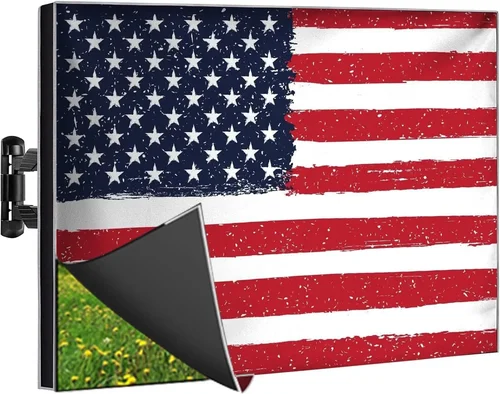
What to do instead: Invest in a TV specifically designed for outdoor use or pair an indoor model with a certified weatherproof enclosure. Never assume “it’ll be fine under the eaves.”
❌ Mistake: Ignoring Brightness Requirements
Why it’s bad: A dim screen turns your movie night into a guessing game. Most indoor TVs max out at 400–500 nits—nowhere near enough for daylight viewing. You’ll end up squinting or only using it at night.
What to do instead: Prioritize models with at least 1,000 nits for patios with direct sun. Test brightness specs carefully—some brands inflate numbers with “peak” vs. “sustained” brightness.
❌ Mistake: Overlooking Audio Needs
Why it’s bad: Built-in speakers on outdoor TVs are often weak and muffled. Without external audio, dialogue gets lost in wind, traffic, or pool noise—ruining the experience.
What to do instead: Plan for outdoor speakers or a weatherproof soundbar from day one. Many systems integrate seamlessly with your TV via Bluetooth or optical cable.
❌ Mistake: Choosing Based Solely on Price
Why it’s bad: The cheapest option often uses inferior materials, lacks proper sealing, or has no customer support. You’ll spend more in the long run replacing a failed unit.
What to do instead: View your garden TV as a long-term investment. Spend wisely within your budget tier—but never compromise on weather resistance or brightness.
❌ Mistake: Skipping Professional Installation
Why it’s bad: Improper mounting can lead to water ingress, overheating, or even structural failure. Many warranties require professional installation to remain valid.
What to do instead: Hire a certified installer familiar with outdoor AV setups. They’ll ensure proper ventilation, cable management, and secure mounting—even in high winds.
❌ Mistake: Not Planning for Connectivity
Why it’s bad: Running HDMI cables across your patio without conduit or weatherproofing invites damage and tripping hazards. Weak Wi-Fi leads to buffering.
What to do instead: Use in-wall rated (CL2/CL3) cables inside conduit, or invest in a mesh Wi-Fi system with outdoor nodes. Consider wired Ethernet for reliability.
Budget Guidelines: How Much Should You Spend?
Entry-Level ($800–$2,000): These are typically rebranded indoor TVs in basic weatherproof enclosures or low-tier outdoor models. Expect limited brightness (500–700 nits), minimal smart features, and shorter lifespans. Best for shaded, seasonal use—not full sun or year-round exposure.
Mid-Range ($2,000–$4,000): This is the sweet spot for most homeowners. Models like the SunBriteTV Veranda series or Samsung Terrace 4 offer 1,000+ nits, solid weatherproofing (IP55/IP56), reliable smart platforms, and good audio. Ideal for large patios with partial cover.
Premium ($4,000–$8,000): For enthusiasts and those with uncovered or high-exposure patios. These include top-tier purpose-built TVs with 1,500–2,500 nits, advanced anti-glare, robust build quality, and premium ecosystems. Expect 3-year warranties and excellent support.
Luxury ($8,000+): Commercial-grade displays or custom installations. Think 85-inch OLEDs in sealed enclosures, integrated lighting, motorized lifts, or whole-patio automation. Reserved for luxury homes, hotels, or serious entertainers.
Expert Tips for Getting the Best Deal
1. Buy During Off-Season: Prices drop significantly in late fall and winter (October–February) when demand is lowest. Retailers clear inventory for new models.
2. Bundle with Accessories: Many dealers offer discounts when you buy a TV + mount + soundbar together. Ask about package deals.
3. Check Manufacturer Refurbished Programs: SunBriteTV and Samsung sell certified refurbished units at 20–30% off with full warranties.
4. Negotiate Installation: Some retailers include free or discounted installation with purchase—especially during promotions.
5. Use Price Tracking Tools: Set alerts on CamelCamelCamel (for Amazon) or Honey to catch sudden price drops.
6. Read Return Policies Carefully: Outdoor TVs often have restocking fees or short return windows (7–14 days). Ensure you can test thoroughly.
7. Consider Financing: Many brands offer 0% APR financing for 12–24 months—great for spreading out a large purchase.
8. Join Owner Communities: Forums like AVS Forum or Reddit’s r/outdoortv share exclusive promo codes and insider deals.

Frequently Asked Questions
Q: Can I use my existing indoor TV outdoors if I cover it?
A: Technically yes—but it’s risky and not recommended. Even with a cover, indoor TVs lack proper ventilation, UV protection, and humidity resistance. Condensation forms easily, and most warranties won’t cover outdoor use. For reliable performance, go with a purpose-built solution.
Q: Do I need a special mount for a garden TV?
A: Yes. Standard indoor mounts aren’t rated for outdoor conditions. Use corrosion-resistant, outdoor-rated mounts with tilt/swivel options. Ensure they’re compatible with your TV’s VESA pattern and can support the weight.
Q: Will a garden TV work in winter?
A: Absolutely—if it’s designed for it. Quality outdoor TVs operate down to -22°F. However, avoid turning it on immediately after bringing it in from extreme cold; let it acclimate to room temperature first to prevent condensation.
Q: How do I clean my outdoor TV screen?
A: Use a microfiber cloth and distilled water only. Never use ammonia-based cleaners (like Windex)—they can damage anti-glare coatings. For stubborn spots, lightly dampen the cloth (never spray directly on the screen).
Q: Can I leave my garden TV on all the time?
A: Not recommended. While commercial models are built for 24/7 use, residential outdoor TVs should be turned off when not in use to prolong panel life and reduce energy costs.
Q: What’s the difference between IP55 and IP65?
A: IP55 protects against low-pressure water jets and limited dust. IP65 offers complete dust protection and resistance to powerful water sprays—better for uncovered or coastal areas.
Q: Do outdoor TVs consume more power?
A: Slightly, due to higher brightness and cooling systems. However, modern models are surprisingly efficient. Look for ENERGY STAR certification to minimize impact.
Q: Can I stream 4K content reliably outdoors?
A: Yes—if you have strong Wi-Fi. Use a mesh network with an outdoor node near your patio. For best results, run an Ethernet cable or use a powerline adapter.
Our Final Recommendations
Best for Budget-Conscious Buyers: Sylvane 55″ Outdoor TV – At under $1,500, it delivers solid 700-nit brightness and IP54 rating. Great for covered patios with occasional use.
Best Overall Value: SunBriteTV Veranda 65″ – Combines 1,000-nit brightness, IP55 rating, Android TV, and excellent build quality at a reasonable $3,200 price point.
Best Premium Option: Samsung The Terrace 75″ – With 2,000 nits, anti-reflective coating, and seamless SmartThings integration, it’s the gold standard for luxury patios.
Best for Beginners: LG 55″ UQ75 in a Seura Outdoor Enclosure – Lets you start with a familiar indoor TV and upgrade later. Easy setup, great picture, and flexible.
Best for Advanced Users: Custom 85″ OLED in Aviel Enclosure with motorized lift – For those who want cutting-edge tech hidden away when not in use. Requires professional installation but delivers unparalleled performance.
Conclusion: Making the Right Choice
Choosing the right garden TV for your large patio is about balancing performance, durability, and value. It’s not just about watching TV outside—it’s about transforming your outdoor space into a true entertainment destination. By focusing on weather resistance, brightness, smart features, and long-term support, you’ll avoid costly mistakes and enjoy years of seamless viewing.
Remember: your patio is an investment in your lifestyle. Don’t settle for a compromise that leaves you squinting at a dim screen or replacing a failed unit after two seasons. Take the time to assess your needs, compare options honestly, and prioritize quality over flashy specs. Whether you’re hosting summer barbecues or enjoying quiet evenings under the stars, the right garden TV will enhance every moment.
Now that you’re armed with expert knowledge, it’s time to make your choice. Measure your space, set your budget, and pick a model that fits your vision. Your perfect outdoor entertainment setup is just a purchase away.

