
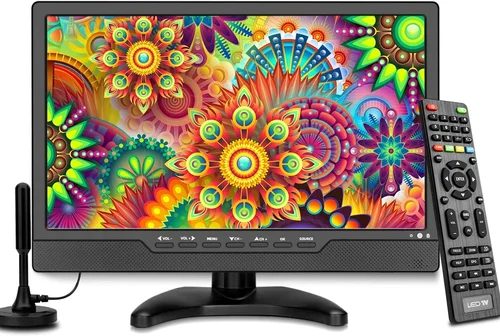
Outdoor living spaces have evolved far beyond simple patios and grills. Today’s decks are fully integrated entertainment zones—complete with lighting, sound systems, fire pits, and yes, even televisions. A garden TV, specifically designed for outdoor use, transforms your deck into a year-round destination for movie nights, sports viewing, or just relaxing with a favorite show under the stars. But choosing the right one isn’t as simple as grabbing an indoor TV and mounting it outside. The elements—sun, rain, humidity, temperature swings, and dust—demand specialized engineering and materials that most standard TVs simply don’t offer.
This comprehensive buying guide is designed to help you navigate the growing market of outdoor TVs with confidence. Whether you’re planning a cozy evening for two or hosting a backyard watch party for twenty, we’ll walk you through every critical decision point—from screen technology and weather resistance to smart features and installation logistics. By the end of this guide, you’ll know exactly what to look for, which brands deliver real value, and how to avoid costly mistakes that could leave your investment ruined by a single rainstorm.
The outdoor TV market has matured significantly in recent years. Once dominated by a handful of niche manufacturers, it now includes offerings from major electronics brands and innovative startups alike. Prices range from under $1,000 to well over $10,000, with options tailored for shaded patios, fully exposed decks, and even commercial installations. With so many variables at play—climate, usage patterns, budget, and aesthetic preferences—it’s easy to feel overwhelmed. That’s why this guide cuts through the noise, focusing on practical, expert-backed advice that prioritizes durability, performance, and long-term satisfaction.

What to Look for When Buying Buying Guide
1. Weather Resistance & IP Rating
The single most important factor when selecting a garden TV is its ability to withstand outdoor conditions. Unlike indoor TVs, outdoor models must be built to resist moisture, dust, extreme temperatures, and UV exposure. This is where the Ingress Protection (IP) rating comes into play. Look for a minimum IP55 rating—this means the TV is protected against low-pressure water jets from any direction and limited dust ingress. For fully exposed decks or areas with heavy rainfall, opt for IP65 or higher, which offers complete dust protection and resistance to water projected from a nozzle.
Beyond the IP rating, examine the TV’s internal components. High-quality outdoor TVs use conformal-coated circuit boards, sealed ventilation systems, and corrosion-resistant materials like marine-grade aluminum. Some models even include internal heaters or cooling fans to maintain optimal operating temperatures in extreme cold or heat. Always check the manufacturer’s specified operating temperature range—most reputable outdoor TVs function reliably between -22°F and 122°F (-30°C to 50°C).
2. Screen Brightness & Anti-Glare Technology
Indoor TVs typically operate at around 300–500 nits of brightness, but outdoor environments demand far more. Sunlight reflecting off decks, concrete, or water can easily wash out a dim screen. For shaded or partially covered decks, aim for at least 700 nits. For fully exposed areas with direct sunlight, you’ll need 1,000 nits or more—some premium models now exceed 2,000 nits.
Equally important is anti-glare technology. Look for TVs with optically bonded glass, which reduces reflections by bonding the screen directly to the LCD panel. This eliminates the air gap that causes glare and improves color accuracy. Additionally, some manufacturers use advanced polarizing filters or nano-coatings to minimize sun interference. Avoid TVs with glossy, non-bonded screens—they may look sharp indoors but become nearly unusable in daylight.
3. Build Quality & Durability
Outdoor TVs face constant stress from wind, temperature changes, and physical impacts. A flimsy chassis or thin bezel won’t cut it. Premium models feature powder-coated aluminum frames, reinforced corners, and tamper-resistant mounting hardware. The screen itself should be shatter-resistant, often using tempered glass or polycarbonate layers.
Pay attention to the back panel and ports. These areas are vulnerable to water intrusion if not properly sealed. High-end units include rubber gaskets, silicone seals, and covered input bays. Also consider the TV’s weight—lighter isn’t always better. A heavier build often indicates sturdier materials and better heat dissipation. For coastal areas or high-humidity climates, ensure all metal components are rust-proof or treated with anti-corrosion coatings.
4. Display Technology: LED vs. OLED vs. QLED
While indoor TV shoppers often debate OLED vs. QLED, outdoor use changes the calculus. OLED screens offer perfect blacks and infinite contrast but are more susceptible to burn-in and degrade faster under constant bright-light exposure. Most outdoor TVs use high-brightness LED or QLED panels because they’re more durable and maintain performance in harsh conditions.
QLED (Quantum Dot LED) technology is particularly well-suited for outdoor use. It delivers vibrant colors, high peak brightness, and excellent longevity. Samsung’s outdoor models, for example, use QLED with anti-reflective coatings specifically engineered for sunlit environments. Avoid standard LED TVs not rated for outdoor use—they lack the necessary brightness and weatherproofing.
5. Smart Features & Connectivity
Even outdoors, you’ll want access to streaming services, voice assistants, and app ecosystems. Most modern outdoor TVs run on Android TV, webOS, or Roku platforms, offering familiar interfaces and regular software updates. Ensure the TV supports Wi-Fi 5 or Wi-Fi 6 for reliable streaming, especially if your deck is far from the router.
Check the available ports: HDMI 2.1 for 4K/120Hz content, USB for media playback, and optical audio out for external sound systems. Some models include built-in Bluetooth for wireless speakers. For advanced setups, look for RS-232 or IP control compatibility, which allows integration with home automation systems like Control4 or Crestron.
6. Audio Performance & Sound Solutions
Outdoor acoustics are challenging—sound dissipates quickly in open air, and background noise from traffic or wind can drown out dialogue. Most outdoor TVs include built-in speakers, but they’re often underpowered for deck environments. A TV with at least 20W of total output is a minimum; 40W or more is preferable.
However, for the best experience, plan to pair your TV with external outdoor speakers. Many models include audio outputs or support wireless audio transmission. Consider weather-resistant soundbars or in-ground speaker systems that blend into your landscape. Avoid relying solely on the TV’s internal audio—it rarely delivers the immersive experience you’d expect from a premium setup.
7. Mounting & Installation Requirements
Proper mounting is crucial for both safety and performance. Outdoor TVs must be installed on sturdy, level surfaces capable of supporting their weight—often 50–100+ pounds. Use only manufacturer-approved outdoor mounts, which are designed to resist rust and handle wind loads.
Consider the viewing angle and height. The screen should be mounted at eye level when seated, typically 42–48 inches from the ground. For larger decks, a swivel or tilt mount allows adjustment based on seating arrangements. If your deck has a roof or pergola, ensure there’s adequate clearance for ventilation—overheating is a common cause of premature failure.
8. Warranty & Support
Outdoor electronics are inherently riskier investments. A strong warranty reflects manufacturer confidence in their product. Look for at least a 2-year comprehensive warranty that covers both parts and labor. Some brands, like SunBriteTV and Seura, offer 3-year warranties with optional extended coverage.
Check what the warranty includes: Does it cover weather damage? What about accidental drops or power surges? Also verify the availability of local service centers or authorized repair technicians. Avoid brands with vague warranty terms or those that require you to ship the TV back at your expense for repairs.
Different Types of Buying Guide

Common Buying Mistakes to Avoid
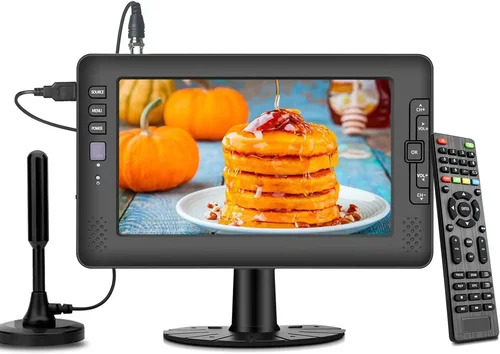
❌ Mistake: Using an Indoor TV Outdoors
Why it’s bad: Indoor TVs lack weatherproofing, proper brightness, and thermal management. Even a light rain can cause electrical shorts, and prolonged sun exposure will degrade the screen and internal components within months.
What to do instead: Always purchase a TV specifically rated for outdoor use. If budget is tight, consider a convertible model with a removable weather shield for seasonal protection.
❌ Mistake: Ignoring Sun Exposure Levels
Why it’s bad: A TV rated for partial shade will be nearly unwatchable in direct sunlight. Conversely, overspending on a full-sun model for a covered porch wastes money.
What to do instead: Assess your deck’s sun exposure throughout the day. Use a lux meter app or observe shadow patterns. Match the TV’s brightness (nits) to your environment—700–1,000 nits for shade, 1,500+ for full sun.
❌ Mistake: Skimping on the Mount
Why it’s bad: A cheap or indoor mount can rust, bend, or fail under wind load, potentially causing the TV to fall and injure someone or damage property.
What to do instead: Invest in a certified outdoor mount from the TV manufacturer or a reputable third party like Peerless or Sanus. Ensure it’s rated for your TV’s weight and includes corrosion-resistant hardware.
❌ Mistake: Overlooking Audio Needs
Why it’s bad: Built-in TV speakers are rarely loud or clear enough for outdoor settings. You’ll end up straining to hear dialogue or missing key moments during games or movies.
What to do instead: Budget for a separate outdoor sound system. Wireless options like Sonos Move or Bose SoundLink allow flexible placement without running wires across your deck.
❌ Mistake: Neglecting Power Protection
Why it’s bad: Outdoor outlets are more susceptible to power surges from lightning or grid fluctuations, which can fry sensitive electronics.
What to do instead: Use a high-quality outdoor surge protector with at least 2,000 joules of protection. For added safety, install a whole-deck surge suppressor at the main electrical panel.
❌ Mistake: Assuming All “Outdoor” TVs Are Equal
Why it’s bad: Some brands market TVs as “outdoor-ready” but only include minor upgrades like a weather-resistant remote. These are not truly built for continuous outdoor exposure.
What to do instead: Research the brand’s reputation and read professional reviews. Stick with established names like SunBriteTV, Seura, Samsung Terrace, or LG Pro:Centric.
❌ Mistake: Forgetting About Maintenance
Why it’s bad: Dust, pollen, and bird droppings can accumulate on the screen and vents, reducing performance and potentially causing overheating.
What to do instead: Clean the screen monthly with a microfiber cloth and mild cleaner. Check vents and ports for debris. Some models include self-cleaning modes or removable filters.
Budget Guidelines: How Much Should You Spend?
Entry-Level ($800 – $1,800): This tier includes convertible indoor/outdoor TVs and basic partial-shade models. Expect 55–65 inch screens, 700–1,000 nits brightness, and IP54 or IP55 ratings. Brands like Vizio and TCL offer budget-friendly options, but durability and warranty coverage may be limited. Ideal for covered porches or seasonal use.
Mid-Range ($1,800 – $4,500): The sweet spot for most homeowners. These TVs offer true outdoor construction, 1,000–1,500 nits brightness, robust weatherproofing, and reliable smart platforms. Models from SunBriteTV (Veranda series) and Samsung (The Terrace Lite) fall here. Expect 2–3 year warranties and solid customer support.
Premium ($4,500 – $8,000): Designed for full-sun exposure and heavy use. Features include 1,500–2,500 nits brightness, optically bonded screens, advanced thermal management, and commercial-grade components. Samsung’s full The Terrace line and Seura’s Shadow series excel here. Perfect for uncovered decks, pool areas, or high-end residential installations.
Luxury ($8,000+): Top-tier models with 2,500+ nits, 24/7 operation capability, vandal-resistant designs, and integration with professional AV systems. Often used in luxury homes, resorts, or public spaces. Brands like Peerless-AV and Planar offer custom solutions with extended warranties and on-site service.
Expert Tips for Getting the Best Deal
1. Buy During Off-Season: Outdoor TV sales peak in spring and summer. Shop in late fall or winter (October–February) for discounts of 15–30%. Retailers often clear inventory before new models arrive.
2. Bundle with Accessories: Many dealers offer package deals that include mounts, cables, and soundbars at a reduced rate. Compare total costs—sometimes bundling saves more than buying separately.
3. Check Manufacturer Rebates: Brands like Samsung and LG frequently run rebate programs, especially during holidays or product launches. Stack these with retailer discounts for maximum savings.
4. Consider Refurbished or Open-Box: Certified refurbished outdoor TVs from authorized dealers often come with full warranties and can cost 20–40% less. Ensure they’ve been tested and include all original accessories.
5. Negotiate Installation Services: If you’re not DIY-savvy, ask if the retailer offers free or discounted professional installation. Some include cable concealment and system calibration.
6. Read the Fine Print on Returns: Outdoor TVs are often non-returnable once installed due to their specialized nature. Confirm the return window (typically 14–30 days) and whether restocking fees apply.
7. Test Before Finalizing: If possible, view the TV in person under similar lighting conditions to your deck. Pay attention to glare, color accuracy, and menu responsiveness.
8. Prioritize Long-Term Value: A slightly more expensive TV with a better warranty and superior build quality will cost less over time than a cheap model that fails after two seasons.

Frequently Asked Questions
Q: Can I leave my outdoor TV on all the time?
A: Most premium outdoor TVs are designed for continuous operation, but it’s not recommended unless it’s a commercial-grade model. Prolonged use generates heat and accelerates component wear. Use a timer or smart plug to turn it off when not in use.
Q: Do outdoor TVs need a special power outlet?
A: Not necessarily, but they should be plugged into a GFCI (Ground Fault Circuit Interrupter) outlet for safety, especially in wet areas. Always use a surge protector rated for outdoor use.
Q: How do I hide cables on my deck?
A: Use in-wall cable conduits, raceways, or deck-mounted cable covers. For a clean look, route cables through the wall behind the mount or under decking boards. Avoid loose wires that can trip guests or get damaged.
Q: Will an outdoor TV work in winter?
A: Yes, if it’s rated for low temperatures. Most operate down to -22°F (-30°C). However, avoid turning it on immediately after extreme cold—let it acclimate for 30 minutes to prevent condensation.
Q: Can I use a regular soundbar outdoors?
A: Only if it’s specifically rated for outdoor use. Indoor soundbars lack weatherproofing and will fail quickly. Look for models with IP ratings and UV-resistant materials.
Q: How often should I clean my outdoor TV?
A: Clean the screen every 2–4 weeks with a dry or slightly damp microfiber cloth. Avoid harsh chemicals. Check vents and ports monthly for debris buildup.
Q: Are outdoor TVs energy efficient?
A: Modern outdoor TVs use similar power as indoor models of the same size—typically 100–300 watts. Look for ENERGY STAR certification if efficiency is a priority.
Q: Can I control my outdoor TV with my phone?
A: Yes, most smart outdoor TVs support mobile apps for remote control, casting, and voice commands via Google Assistant or Alexa.
Q: What happens if my outdoor TV gets rained on?
A: If it’s properly rated (IP55 or higher) and installed correctly, rain should not damage it. However, avoid spraying it directly with high-pressure water, such as from a hose.
Q: Do I need internet for my outdoor TV?
A: Only if you plan to stream content. You can still use HDMI inputs for cable boxes, gaming consoles, or local media without Wi-Fi.
Our Final Recommendations
Best for Budget-Conscious Buyers: SunBriteTV Veranda Series (55″) – At around $1,800, it offers excellent value with 1,000 nits brightness, IP55 rating, and a 2-year warranty. Perfect for covered decks and screened porches.
Best Overall Value: Samsung The Terrace Lite (65″) – Priced near $3,200, it delivers 1,500 nits, QLED color, and seamless integration with Samsung’s ecosystem. Ideal for partial to full sun exposure.
Best Premium Option: Seura Shadow (75″) – With 2,000+ nits, anti-glare glass, and a sleek, frameless design, this $6,500 TV is built for luxury outdoor living and performs flawlessly in direct sunlight.
Best for Beginners: Vizio V-Series Outdoor (50″) – A convertible model under $1,200 with a removable weather shield. Great for those testing the waters before committing to a full outdoor setup.
Best for Advanced Users: Peerless-AV Xtreme – A customizable, commercial-grade solution starting at $8,000. Features modular design, 24/7 operation, and integration with Crestron and Control4 systems.
Conclusion: Making the Right Choice
Choosing the right garden TV for your deck is about more than just picture quality—it’s an investment in durability, safety, and long-term enjoyment. By prioritizing weather resistance, screen brightness, build quality, and proper installation, you’ll create an outdoor entertainment space that stands up to the elements and delivers cinematic experiences for years to come.
Remember, the cheapest option is rarely the best value. A well-chosen outdoor TV pays dividends in reliability, performance, and peace of mind. Take the time to assess your specific needs: How much sun does your deck get? Will you use it daily or seasonally? Do you need smart features or just basic connectivity? Answer these questions honestly, and refer back to the factors and recommendations in this guide.
Your perfect outdoor TV is out there—whether it’s a mid-range workhorse for family movie nights or a premium centerpiece for entertaining guests. With the insights from this guide, you’re equipped to make a confident, informed decision that transforms your deck into the ultimate backyard retreat. Now go enjoy those sunset screenings, game-day gatherings, and quiet evenings under the stars—your outdoor oasis awaits.

