
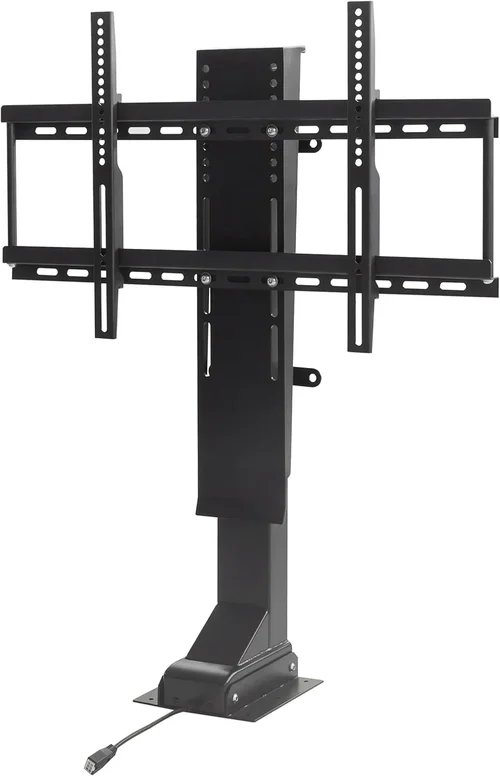
Outdoor entertaining has evolved dramatically over the past decade, and one of the most transformative additions to any alfresco setup is a high-quality outdoor TV. Whether you’re hosting game nights, movie evenings under the stars, or simply enjoying a cocktail while catching up on your favorite show, having a reliable television in your outdoor bar area elevates the entire experience. But choosing the right outdoor TV isn’t as simple as grabbing the biggest screen from your local electronics store. These environments present unique challenges—direct sunlight, humidity, temperature swings, dust, and even pests—that can quickly degrade or destroy a standard indoor television.
This comprehensive buying guide is designed to help you navigate the complex world of outdoor TVs with confidence. Whether you’re building a new outdoor bar from scratch or upgrading an existing space, we’ll walk you through every critical factor that should influence your decision. From understanding IP ratings and brightness levels to evaluating build quality and smart features, this guide covers everything you need to know to make a smart, long-lasting investment. By the end, you’ll not only understand what separates a true outdoor TV from a glorified indoor model but also how to match the right screen to your specific needs, climate, and budget.
The market for outdoor TVs has grown significantly in recent years, driven by increased demand for outdoor living spaces and advancements in display technology. Major brands like Samsung, LG, Sony, and specialized manufacturers such as SunBriteTV, Seura, and Peerless have entered the fray, offering a wide range of options—from fully weatherproof models built for full exposure to partial-shade units ideal for covered patios. With prices ranging from under $1,000 to well over $5,000, it’s easy to feel overwhelmed. But don’t worry: this guide cuts through the noise. We’ll break down the key considerations, compare different types of outdoor TVs, highlight common pitfalls, and provide expert-backed recommendations so you can choose a TV that delivers stunning picture quality, rugged durability, and years of reliable performance—rain or shine.

What to Look for When Buying Buying Guide
1. Weather Resistance & IP Rating
When it comes to outdoor TVs, weather resistance isn’t optional—it’s essential. Unlike indoor TVs, which are protected from the elements, outdoor models must withstand rain, snow, dust, humidity, and temperature extremes. The first thing to check is the TV’s Ingress Protection (IP) rating, which indicates how well the unit resists solid particles (like dust) and liquids (like water). For outdoor use, look for a minimum IP55 rating, though IP65 or higher is strongly recommended for full-exposure installations.
An IP65 rating means the TV is dust-tight and protected against low-pressure water jets from any direction—ideal for areas with heavy rain or sprinkler systems. Some premium models even offer IP67 or IP68 ratings, providing submersion protection for short periods. Beyond the IP rating, examine the materials used in construction. High-quality outdoor TVs feature powder-coated aluminum chassis, sealed ports, and corrosion-resistant components. Avoid plastic-heavy builds, as they tend to degrade faster under UV exposure and temperature fluctuations.
Also consider where your TV will be mounted. If it’s under a covered patio or pergola, a partial-shade model with IP54 may suffice. But if it’s fully exposed to the elements—say, mounted on a freestanding bar in an open backyard—you’ll want a full-weatherproof unit with robust sealing and thermal management. Remember: even a small gap or poorly sealed port can lead to moisture ingress, which can fry internal electronics within months.
2. Brightness & Anti-Glare Performance
One of the biggest challenges with outdoor viewing is ambient light. Sunlight reflecting off screens can wash out colors and make content nearly impossible to see during the day. That’s why brightness—measured in nits—is arguably the most important spec for an outdoor TV. While indoor TVs typically range from 300 to 600 nits, outdoor models need significantly more luminance to remain visible in bright conditions.
For shaded or covered areas, a brightness of 700–1,000 nits is usually sufficient. However, if your outdoor bar gets direct sunlight for part of the day, aim for at least 1,500 nits, with 2,000+ nits being ideal for peak daylight hours. Top-tier models like the SunBriteTV Veranda Series or Samsung’s The Terrace boast peak brightness levels exceeding 2,000 nits, ensuring crisp, vibrant images even at noon.
Equally important is anti-glare technology. Look for TVs with optically bonded glass or matte finishes that diffuse reflections rather than amplifying them. Some manufacturers use specialized coatings or layered glass to minimize glare without sacrificing color accuracy. Avoid glossy screens unless they’re specifically engineered for outdoor use—standard glossy panels will turn your TV into a mirror on sunny days.
3. Build Quality & Durability
An outdoor TV isn’t just about surviving the weather—it’s about lasting for years without performance degradation. Build quality directly impacts longevity, especially in harsh climates. Start by examining the frame and housing. Premium outdoor TVs use marine-grade aluminum or stainless steel, which resist rust and corrosion far better than standard steel or plastic. Powder coating adds an extra layer of protection against UV rays and chipping.
Internal components also matter. Look for TVs with sealed cooling systems that prevent dust and moisture from entering while maintaining optimal operating temperatures. Passive cooling (fanless designs) is often preferred for outdoor use because fans can suck in debris and fail prematurely. Additionally, check for reinforced mounting points and VESA compatibility—most outdoor TVs support standard wall mounts, but ensure the included hardware is stainless steel or similarly corrosion-resistant.
Don’t overlook the remote control and input ports. Outdoor remotes should be weather-sealed or come with protective sleeves. HDMI, USB, and power ports must be covered with rubber gaskets or flip-down doors to prevent water intrusion. Some models even include built-in surge protection to guard against lightning strikes or power surges common in outdoor electrical setups.
4. Display Technology & Picture Quality
While brightness and durability are paramount, you still want a TV that delivers excellent picture quality. Most outdoor TVs use either QLED or OLED panels, each with distinct advantages. QLED (Quantum Dot LED) technology, found in models like Samsung’s The Terrace, offers superior brightness, wider color gamut, and better performance in high-ambient-light environments. It’s the go-to choice for sunny outdoor spaces.
OLED, on the other hand, provides perfect blacks, infinite contrast ratios, and wider viewing angles—ideal for evening viewing or shaded areas. However, OLED panels are generally less bright than QLED and can be more susceptible to image retention or burn-in if static content (like sports tickers or news banners) is displayed for long periods. For outdoor bars where content varies frequently, this risk is minimal, but it’s still worth considering.
Resolution is another key factor. 4K UHD (3840 x 2160) is now the standard for outdoor TVs, offering sharp, detailed images even on large screens. Avoid 1080p models unless you’re on a very tight budget—they look noticeably softer, especially when viewed up close. HDR support (HDR10, HLG, or Dolby Vision) enhances dynamic range and color depth, making movies and sports pop. Ensure the TV supports at least HDR10, as it’s widely compatible with streaming services and broadcast content.
5. Smart Features & Connectivity
Modern outdoor TVs aren’t just dumb screens—they’re full-fledged smart platforms. Look for models running established operating systems like Google TV (on Sony and TCL), webOS (LG), or Tizen (Samsung). These platforms offer access to popular streaming apps (Netflix, YouTube, Disney+, etc.), voice control via Google Assistant or Alexa, and regular software updates.
Connectivity options are equally important. Ensure the TV has multiple HDMI 2.1 ports (for future-proofing with gaming consoles or 4K/120Hz devices), USB ports for media playback, and Ethernet for stable wired internet. Wi-Fi 6 support is a plus for faster, more reliable wireless streaming, especially if your outdoor bar is far from your router.
Some outdoor TVs include built-in speakers, but don’t expect audiophile-quality sound. Most rely on external audio systems—consider pairing your TV with weatherproof outdoor speakers or a soundbar designed for alfresco use. Bluetooth connectivity allows for wireless audio streaming, which is convenient for playing music from your phone during gatherings.
6. Size & Viewing Distance
Choosing the right screen size depends on your outdoor bar’s layout and typical viewing distance. A common rule of thumb is to sit at a distance equal to 1.5 to 2.5 times the screen’s diagonal measurement. For example, a 55-inch TV is best viewed from 6.9 to 11.5 feet away. In a compact bar setup, a 43- or 50-inch model may be ideal, while larger decks or poolside areas can accommodate 65-inch or even 75-inch screens.
Keep in mind that larger screens require more brightness to maintain image quality in daylight. A 75-inch TV with only 1,000 nits will appear dimmer per square inch than a 55-inch model with the same brightness. Also consider mounting height and angle—TVs should be positioned so the center of the screen is at or slightly below eye level when seated.
If space is limited, consider ultra-thin models or those with slim bezels for a more immersive experience. Some manufacturers offer custom sizing or modular designs for unique installations, though these come at a premium.
7. Brand Reputation & Ecosystem Compatibility
Not all outdoor TV brands are created equal. Established names like Samsung, LG, and Sony bring decades of display expertise and reliable customer support. Specialized brands like SunBriteTV, Seura, and Peerless focus exclusively on outdoor solutions, often offering superior weatherproofing and tailored features.
Consider ecosystem compatibility if you already own smart home devices. Samsung TVs integrate seamlessly with SmartThings, while LG’s webOS works well with Apple AirPlay and Google Cast. Sony models support both Google Assistant and Alexa, making voice control effortless. If you use a specific streaming service or gaming platform frequently, check for native app support and performance optimization.
Brand reputation also affects long-term reliability and resale value. Read professional reviews and user feedback to gauge real-world performance. Brands with strong track records in outdoor displays typically offer better warranties and faster replacement services.
8. Warranty & Support
Outdoor TVs are a significant investment, so robust warranty coverage is non-negotiable. Most reputable manufacturers offer 2- to 3-year limited warranties, with some extending coverage to 5 years for commercial or full-exposure models. Pay attention to what’s covered: does the warranty include labor, parts, and on-site service? Is it voided if the TV is installed incorrectly?
Customer support quality varies widely. Look for brands with dedicated outdoor TV support lines, detailed installation guides, and responsive technical assistance. Some companies even offer free consultation services to help you choose the right model for your climate and setup.
Extended warranties or service plans may be worth considering, especially in regions with extreme weather. However, weigh the cost against the likelihood of failure—most high-quality outdoor TVs are built to last 7–10 years with proper care.
Different Types of Buying Guide
Common Buying Mistakes to Avoid
❌ Mistake: Buying a Standard Indoor TV for Outdoor Use
Why it’s bad: Indoor TVs lack weatherproofing, have lower brightness, and aren’t designed to handle temperature swings. Even under cover, humidity and dust can damage internal components within months. The result? Premature failure, voided warranties, and costly replacements.
What to do instead: Invest in a purpose-built outdoor TV or use a certified outdoor enclosure if you must repurpose an indoor model. Never assume “it’ll be fine under the roof”—moisture and heat buildup are silent killers.
❌ Mistake: Ignoring Brightness Requirements
Why it’s bad: A dim TV turns your outdoor bar into a frustrating viewing experience. Content appears washed out, colors look dull, and details vanish in daylight. You’ll end up watching mostly at night, defeating the purpose of an outdoor setup.
What to do instead: Match brightness to your environment. Use 700–1,000 nits for shade, 1,500+ for partial sun, and 2,000+ for full exposure. Check real-world reviews—not just specs—to see how the TV performs in bright conditions.
❌ Mistake: Overlooking Mounting & Installation Challenges
Why it’s bad: Outdoor TVs are heavier and require specialized mounting hardware. Improper installation can lead to instability, water intrusion, or even collapse during high winds. DIY mistakes often void warranties.
What to do instead: Use stainless steel, corrosion-resistant mounts rated for outdoor use. Consider professional installation, especially for full-exposure setups. Ensure cables are routed through sealed conduits to prevent moisture ingress.
❌ Mistake: Skimping on Audio
Why it’s bad: Built-in TV speakers are usually weak and muffled, especially outdoors where sound dissipates quickly. You’ll strain to hear dialogue during breezy evenings or lively gatherings.
What to do instead: Pair your TV with weatherproof outdoor speakers or a soundbar. Look for models with Bluetooth or wired audio outputs. Position speakers strategically to create an immersive audio zone around your bar.
❌ Mistake: Neglecting Power & Connectivity Planning
Why it’s bad: Running extension cords across your deck is unsafe and unsightly. Weak Wi-Fi signals lead to buffering and frustration. Without proper planning, your TV becomes more trouble than it’s worth.
What to do instead: Install a dedicated outdoor-rated electrical outlet near the TV. Use Wi-Fi extenders or mesh networks to boost signal strength. Pre-run HDMI and power cables through walls or conduit before mounting.
❌ Mistake: Choosing Based Solely on Price
Why it’s bad: The cheapest option often cuts corners on weatherproofing, brightness, or build quality. You may save $500 upfront but spend twice as much on repairs or replacements within two years.
What to do instead: Focus on total cost of ownership. A mid-range outdoor TV with solid durability and brightness will outlast and outperform a bargain model. Prioritize value over initial price.
❌ Mistake: Forgetting About Maintenance
Why it’s bad: Outdoor TVs accumulate dust, pollen, and grime, which can block vents, reduce brightness, and attract pests. Neglect leads to overheating and component failure.
What to do instead: Clean the screen and vents monthly with a microfiber cloth and mild cleaner. Inspect seals and ports for damage. Cover the TV during off-seasons or extreme weather if possible.
Budget Guidelines: How Much Should You Spend?
- Entry-Level ($800 – $1,500): Ideal for covered patios or occasional use. Expect partial-shade models with 700–1,000 nits brightness, basic smart features, and IP54 ratings. Brands like TCL and Vizio offer budget-friendly options, but durability may be limited. Best for mild climates and low-exposure areas.
- Mid-Range ($1,500 – $3,000): The sweet spot for most homeowners. These TVs offer 1,000–2,000 nits brightness, IP55 or IP65 ratings, robust build quality, and full smart functionality. Models like the SunBriteTV Veranda Series or Samsung The Terrace Lite deliver excellent value and reliability for shaded to partially exposed setups.
- Premium ($3,000 – $5,000): Designed for full exposure and high-performance viewing. Features include 2,000+ nits brightness, IP65+/IP67 ratings, QLED or OLED panels, advanced cooling, and commercial-grade components. Perfect for open decks, poolside bars, or regions with harsh weather. Brands like SunBriteTV Pro and Seura lead this category.
- Luxury ($5,000+): For enthusiasts and professionals. These top-tier models offer 4K HDR, 2,500+ nits, modular designs, 24/7 operation capability, and extended warranties. Often used in luxury resorts, high-end homes, or commercial venues. Expect cutting-edge tech, custom finishes, and white-glove installation services.
Expert Tips for Getting the Best Deal
- Shop During Off-Seasons: Outdoor TV sales peak in spring and summer. Buy in late fall or winter (November–February) for discounts of 15–30%. Retailers clear inventory to make room for new models.
- Compare Retailers: Check specialty outdoor tech stores (like Outdoor TV Direct or Seura’s site), big-box retailers (Best Buy, Costco), and online marketplaces (Amazon, Crutchfield). Specialty stores often offer better warranties and support.
- Look for Bundles: Some brands offer TV + mount + soundbar packages at a discount. These can save $200–$500 compared to buying separately.
- Read Professional Reviews: Sites like RTINGS.com, CNET, and Wirecutter test outdoor TVs for brightness, color accuracy, and durability. User reviews on Amazon or Best Buy reveal real-world longevity issues.
- Check Return Policies: Ensure you have at least 30 days to return the TV if it doesn’t meet expectations. Some retailers offer extended return windows during holiday sales.
- Test Before Committing: If possible, visit a showroom to see the TV in bright lighting. Compare side-by-side models to judge brightness and glare resistance firsthand.
- Negotiate Installation: Many retailers offer free or discounted installation with purchase. Ask about package deals—especially if you’re buying multiple items.
- Consider Refurbished Models: Certified refurbished outdoor TVs from reputable sellers can save 20–40% off retail. Ensure they come with full warranties and have been tested for weatherproofing.

Frequently Asked Questions
Q: Can I use a regular TV outdoors if it’s under cover?
A: Technically yes, but it’s not recommended. Even under cover, indoor TVs aren’t built to handle humidity, temperature changes, or dust. Over time, these factors can cause corrosion, overheating, and premature failure. For reliable long-term use, invest in a purpose-built outdoor TV or a certified outdoor enclosure.
Q: How do I protect my outdoor TV from theft?
A: Use anti-theft mounts with locking mechanisms, install security cameras, and consider cable locks. Some commercial-grade models include built-in security features like tamper alerts or GPS tracking. For high-risk areas, removable designs or indoor storage during off-hours are wise.
Q: Do outdoor TVs consume more power?
A: Not necessarily. While they’re brighter, modern outdoor TVs use efficient LED backlighting and smart power management. Energy consumption is comparable to indoor models of similar size. Look for ENERGY STAR certification to ensure efficiency.
Q: Can I leave my outdoor TV on during rain or snow?
A: Yes—if it’s a full-exposure model with an IP65 or higher rating. These TVs are designed to operate safely in all weather conditions. However, avoid spraying water directly on the screen or ports, and ensure proper drainage around the mount.
Q: What’s the difference between partial-shade and full-exposure TVs?
A: Partial-shade models are built for covered areas with minimal direct weather exposure. They have lower IP ratings (IP54) and brightness (700–1,000 nits). Full-exposure TVs are engineered for open environments, with IP65+ ratings, higher brightness (1,500+ nits), and enhanced thermal management.
Q: How long do outdoor TVs typically last?
A: With proper care, high-quality outdoor TVs last 7–10 years. Factors like climate, usage frequency, and maintenance affect lifespan. Commercial models may last longer due to rugged construction, while budget units may fail sooner in harsh conditions.
Q: Can I connect gaming consoles to an outdoor TV?
A: Absolutely. Most outdoor TVs support HDMI 2.1, enabling 4K/120Hz gaming, VRR, and ALLM. Ensure the model you choose has low input lag (<20ms) for responsive gameplay. Pair with a weatherproof controller or use Bluetooth for wireless convenience.
Q: Do I need a special internet connection for my outdoor TV?
A: Not necessarily, but a strong Wi-Fi signal is crucial. Use a mesh network or outdoor Wi-Fi extender to boost coverage. For reliability, consider a wired Ethernet connection via buried conduit.
Q: Are outdoor TVs worth the extra cost?
A: If you frequently entertain outdoors or live in a climate with mild winters, yes. The durability, brightness, and peace of mind justify the investment. For occasional use or fully covered spaces, a partial-shade model offers great value.
Q: Can I mount an outdoor TV on a brick or concrete wall?
A: Yes, but use masonry anchors and stainless steel lag bolts. Ensure the mount is rated for the TV’s weight and the wall’s material. Consult a professional if you’re unsure—improper mounting can damage both the wall and the TV.
Our Final Recommendations
- Best for Budget-Conscious Buyers: SunBriteTV Veranda Series (55″) – At around $1,800, it offers excellent brightness (1,000 nits), IP54 rating, and reliable performance for covered patios. Great value for the price.
- Best Overall Value: Samsung The Terrace (65″) – Priced around $2,800, this QLED TV delivers 2,000 nits brightness, IP55 rating, and seamless SmartThings integration. Ideal for partial to full exposure.
- Best Premium Option: SunBriteTV Pro Series (75″) – At $4,500+, this commercial-grade beast boasts IP66 rating, 2,500 nits, and 24/7 operation capability. Perfect for open decks and luxury setups.
- Best for Beginners: Seura Outdoor TV (50″) – User-friendly setup, sleek design, and strong customer support. Great for first-time buyers wanting a hassle-free experience.
- Best for Advanced Users: Peerless-AV Xtreme (65″) – Modular design, customizable bezels, and industrial-grade durability. Ideal for tech-savvy users who want full control over their outdoor media system.
Conclusion: Making the Right Choice
Choosing the right outdoor TV for your bar is about more than just picking a big screen—it’s about creating a reliable, enjoyable entertainment hub that stands up to the elements year after year. From weather resistance and brightness to smart features and build quality, every detail matters when you’re investing in an outdoor lifestyle upgrade. By prioritizing your specific needs—whether that’s a shaded patio, a sunny deck, or a commercial venue—you can find a TV that delivers stunning visuals, rugged durability, and seamless integration into your outdoor space.
Remember, the cheapest option isn’t always the best long-term value, and the flashiest specs don’t guarantee real-world performance. Take the time to assess your environment, read reviews, and consider professional installation. With the insights from this guide, you’re equipped to make a confident, informed decision that enhances your outdoor entertaining for seasons to come. So go ahead—raise a glass, press play, and enjoy your favorite shows under the open sky. Your perfect outdoor TV is out there, waiting to transform your bar into the ultimate alfresco destination.

