
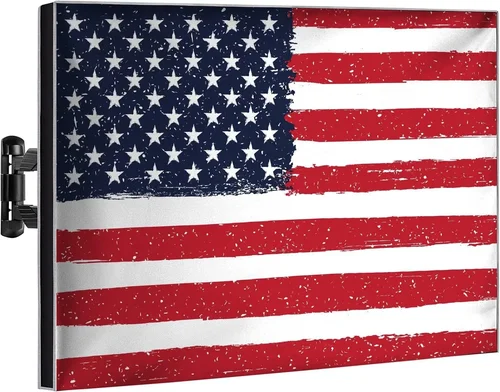
Outdoor living spaces have evolved far beyond simple patios with a grill and a few chairs. Today’s homeowners are transforming their decks, porches, and covered outdoor areas into fully functional entertainment zones—complete with sound systems, lighting, furniture, and yes, even televisions. But not just any TV will do. Standard indoor models simply aren’t built to withstand the humidity, temperature swings, dust, and occasional moisture that come with outdoor use—even under a covered patio.
That’s where outdoor deck TVs come in. These specialized displays are engineered from the ground up for exterior environments, offering enhanced durability, weather resistance, and visibility in bright daylight. Whether you’re hosting summer barbecues, watching the big game under string lights, or enjoying a movie night under the stars, an outdoor-rated TV can elevate your experience significantly. However, the market is crowded with options ranging from budget-friendly semi-outdoor models to premium, fully weatherized displays that cost as much as a small car. Choosing the right one requires more than just picking the biggest screen or the lowest price.
This comprehensive buying guide is designed to cut through the confusion and help you make a smart, informed decision. You’ll learn exactly what separates a true outdoor TV from an indoor model shoved into a weatherproof enclosure, how to evaluate key performance specs like brightness and contrast for outdoor viewing, and which brands offer the best combination of reliability, features, and value. We’ll also walk you through common pitfalls—like assuming “covered” means “fully protected”—and give you actionable tips to stretch your budget without sacrificing quality. By the end, you’ll know precisely what to look for, what to avoid, and how to find the perfect deck TV for your space, lifestyle, and wallet.
The outdoor TV market has matured rapidly over the past five years. What began as a niche category dominated by a handful of premium manufacturers has now expanded to include mid-tier brands, smart TV integrations, and even modular systems that let you upgrade components over time. At the same time, consumer expectations have risen: people want 4K resolution, HDR support, voice control, streaming apps, and slim designs—all while enduring rain, snow, and blazing sun. This guide covers everything from entry-level models under $800 to high-end commercial-grade displays exceeding $5,000, so no matter your budget or setup, you’ll find relevant, expert-level advice tailored to real-world conditions.

What to Look for When Buying Buying Guide
1. Weather Resistance & IP Rating
Even if your deck is covered, it’s rarely fully sealed from the elements. Morning dew, wind-driven rain, humidity, and dust can all compromise an indoor TV within months. That’s why weather resistance is the single most critical factor when choosing an outdoor display. Look for TVs with an official Ingress Protection (IP) rating—specifically IP55 or higher. An IP55 rating means the TV is protected against low-pressure water jets from any direction and limited dust ingress, which is sufficient for most covered patios. For partially exposed areas or regions with heavy rainfall, consider IP65 or IP66 ratings for full dust-tightness and protection against powerful water jets.
Don’t confuse “weather-resistant” with “weatherproof.” Many manufacturers market indoor TVs in external enclosures as “outdoor-ready,” but these setups often lack proper ventilation, leading to overheating, or fail to seal critical components like ports and speakers. True outdoor TVs integrate sealed internal designs, corrosion-resistant materials, and passive cooling systems that don’t rely on fans (which can suck in moisture). Always verify the IP rating from independent testing labs, not just marketing claims.
2. Brightness & Display Technology
Outdoor visibility is a major challenge. Even under a covered patio, ambient light—especially reflections off concrete, water, or light-colored furniture—can wash out an image. Standard indoor TVs typically peak at 300–500 nits of brightness, which is inadequate outdoors. For covered decks, aim for a minimum of 700 nits, but ideally 1,000 nits or more. Some premium models now offer 2,000+ nits, rivaling professional digital signage.
Display technology also matters. OLED panels deliver stunning contrast and deep blacks but struggle in bright environments due to lower peak brightness and potential burn-in risks over time. QLED and high-end LED/LCD panels with full-array local dimming (FALD) are better suited for outdoor use because they achieve higher brightness levels while maintaining good color accuracy. Look for anti-glare or anti-reflective coatings, which reduce screen glare without sacrificing image quality. Additionally, check the viewing angle—wide-angle visibility ensures everyone on the deck can see the screen clearly, even from the sides.
3. Build Quality & Durability
An outdoor TV isn’t just about surviving rain—it must endure years of temperature extremes, UV exposure, and physical wear. High-quality outdoor models use marine-grade aluminum chassis, powder-coated finishes resistant to fading and corrosion, and sealed internal components. Avoid plastic-heavy constructions, which can become brittle under UV light and crack in freezing temperatures.
Pay attention to mounting hardware. Many outdoor TVs include VESA-compatible brackets, but ensure the included or recommended mounts are also rated for outdoor use. Some manufacturers offer proprietary mounting systems designed specifically for their displays, which often provide better stability and cable management. Also consider weight: heavier TVs often indicate sturdier construction, but make sure your deck structure can support the load, especially if wall-mounting.
4. Smart Features & Connectivity
Today’s outdoor TVs aren’t just dumb screens—they’re full-fledged smart platforms. Most come with built-in Wi-Fi, Bluetooth, and popular streaming apps like Netflix, YouTube, and Disney+. However, not all smart systems are created equal. Samsung’s Tizen, LG’s webOS, and Sony’s Android TV offer robust app ecosystems and regular software updates, while lesser-known platforms may lag in performance or security patches.
Connectivity is equally important. Ensure the TV has enough HDMI ports (at least three, preferably HDMI 2.1 for future-proofing), USB inputs, and audio outputs. If you plan to connect a soundbar, gaming console, or streaming device, verify compatibility and port placement—some outdoor models place ports behind sealed covers, which can be inconvenient. Voice control via Alexa or Google Assistant is a nice bonus, especially when your hands are full with drinks or grilling tools.
5. Audio Performance
Built-in speakers on outdoor TVs are often underpowered due to space and sealing constraints. While they’re adequate for casual listening, they rarely deliver the immersive sound needed for movies or sports. Many outdoor models include optical audio outputs or Bluetooth for wireless speaker pairing, but check latency—some Bluetooth connections introduce audio delay, which ruins lip-sync during dialogue.
Consider investing in a dedicated outdoor sound system. Weather-resistant soundbars, in-ground subwoofers, or multi-zone wireless speakers can dramatically enhance your experience. Some premium outdoor TVs even support Dolby Atmos via external receivers, though this requires careful setup to avoid signal degradation over long cable runs.
6. Size & Viewing Distance
Screen size should match your deck’s dimensions and typical seating arrangement. A common rule of thumb: divide your viewing distance (in inches) by 1.5 to get the ideal screen diagonal in inches. For example, if viewers sit 10 feet (120 inches) away, a 75–85 inch TV is appropriate. However, outdoor environments often benefit from larger screens due to ambient light and wider seating spreads.
Don’t go too big, though. Oversized TVs can overwhelm small decks and create uncomfortable viewing angles. Also consider bezel width—slim bezels look modern and maximize screen real estate, but some outdoor models have thicker frames for structural integrity. Measure your mounting space carefully, including clearance for ventilation and cable routing.
7. Brand Reputation & Ecosystem Compatibility
Not all outdoor TV brands are equal. Established names like Samsung, LG, Sony, and SunBrite (a leader in commercial outdoor displays) have proven track records for reliability and customer support. Lesser-known brands may offer lower prices but often cut corners on materials, firmware updates, or warranty service.
If you already own smart home devices—like lights, thermostats, or security cameras—choose a TV that integrates seamlessly with your ecosystem. For example, Samsung TVs work well with SmartThings, while LG models support Apple AirPlay 2 and HomeKit. Compatibility reduces setup complexity and enhances usability.
8. Warranty & Support
Outdoor TVs are a significant investment, so robust warranty coverage is essential. Most reputable brands offer 2–3 years of limited warranty, but some extend coverage to 5 years for commercial-grade models. Read the fine print: many warranties void if the TV is installed in direct sunlight or uncovered areas, so confirm your patio qualifies as “covered” per the manufacturer’s definition.
Customer support matters too. Check online reviews for responsiveness, repair turnaround times, and availability of replacement parts. Some brands offer on-site service, while others require you to ship the unit—a hassle for large screens. Extended service plans or third-party warranties can provide peace of mind, especially in harsh climates.
Different Types of Buying Guide

Common Buying Mistakes to Avoid
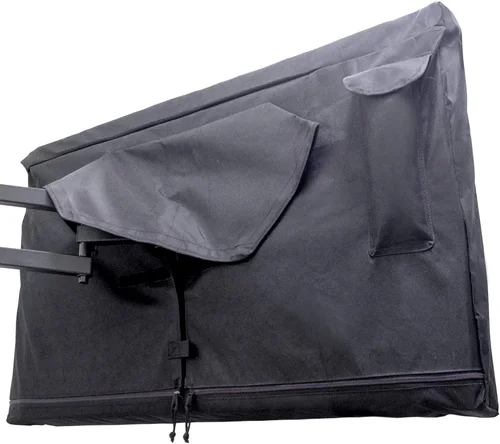
❌ Mistake: Assuming “Covered” Means Fully Protected
Why it’s bad: Many buyers think a roof or awning eliminates all weather risks. But wind-driven rain, high humidity, and temperature fluctuations can still damage indoor electronics. Even a slight drip from an overhead beam can ruin a non-weatherized TV.
What to do instead: Treat your covered patio like a semi-outdoor space. Always choose a TV with at least IP55 rating and avoid placing it directly under gutters or overhangs where water might collect.
❌ Mistake: Prioritizing Size Over Brightness
Why it’s bad: A giant 85-inch screen looks impressive, but if it’s too dim, the image will appear washed out and unwatchable in daylight. You’ll end up watching a grayish blur instead of vibrant colors.
What to do instead: Match screen size to brightness capability. For daytime viewing, prioritize TVs with 1,000+ nits and anti-reflective coatings. Use size as a secondary consideration after confirming visibility.
❌ Mistake: Ignoring Audio Needs
Why it’s bad: Outdoor acoustics are challenging—sound dissipates quickly, and background noise (birds, traffic, chatter) drowns out weak speakers. Relying solely on built-in audio leads to a frustrating experience.
What to do instead: Plan for external audio from day one. Budget for weather-resistant speakers or a soundbar, and ensure your TV has the necessary outputs. Test audio sync if using Bluetooth.
❌ Mistake: Overlooking Installation Requirements
Why it’s bad: Outdoor TVs often require specialized mounting, longer cables, and weatherproof conduit for wiring. DIYers may underestimate the complexity, leading to unsafe installations or voided warranties.
What to do instead: Consult a professional installer, especially for wall mounts or ceiling drops. Use outdoor-rated cables and seal all connections with silicone or grommets.
❌ Mistake: Buying Based Solely on Price
Why it’s bad: The cheapest option often uses inferior materials, lacks proper sealing, or has no warranty support. You may save $300 upfront but spend $1,000 replacing it in two years.
What to do instead: Focus on total cost of ownership. A mid-range outdoor TV with a 3-year warranty and proven durability offers better long-term value than a bargain basement model.
❌ Mistake: Neglecting Software Updates
Why it’s bad: Smart TV platforms require regular updates for security, app compatibility, and performance. Some outdoor brands abandon firmware support after 1–2 years, leaving you with a sluggish, vulnerable device.
What to do instead: Choose brands with a history of long-term software support (e.g., Samsung, LG). Check update policies before buying.
Budget Guidelines: How Much Should You Spend?
Entry-Level ($600 – $1,200): This tier typically includes indoor TVs in basic weatherproof enclosures. They’re suitable for fully covered, low-moisture decks but lack advanced brightness, cooling, or durability features. Expect shorter lifespans (2–3 years) and limited smart functionality. Best for occasional use or temporary setups.
Mid-Range ($1,200 – $2,500): The sweet spot for most homeowners. These are true outdoor TVs with IP55+ ratings, 700–1,200 nits brightness, decent smart platforms, and solid build quality. Models from brands like SunBrite, Seura, or Vizio’s outdoor line fit here. Ideal for regular entertainment under covered patios.
Premium ($2,500 – $5,000): Designed for enthusiasts and high-end homes. Features include 1,500+ nits brightness, FALD backlighting, premium audio outputs, extended warranties, and sleek designs. Often include proprietary mounting systems and advanced cooling. Perfect for large decks or partial exposure.
Luxury ($5,000+): Commercial-grade units built for 24/7 operation in harsh conditions. Used in resorts, stadiums, or extreme climates. Offer modular designs, serviceability, and lifespans exceeding 10 years. Overkill for most residential decks but unmatched in reliability.
Expert Tips for Getting the Best Deal
- Buy in Late Winter or Early Spring: Retailers often discount outdoor electronics before the summer rush. Look for Presidents’ Day or Memorial Day sales.
- Check Manufacturer Refurbished Programs: Brands like Samsung and LG sell certified refurbished outdoor TVs with full warranties at 20–30% off retail.
- Compare Total Package Costs: Some “deals” include basic mounts but charge extra for essential accessories. Calculate the full setup price before deciding.
- Negotiate with Local Installers: Many AV specialists offer bundled pricing on TV + installation. Ask for discounts if you provide your own unit.
- Read Return Policies Carefully: Outdoor TVs are often non-returnable once installed. Ensure you can test the unit indoors first if possible.
- Join Outdoor Living Forums: Communities like AVS Forum or Reddit’s r/outdoortv share real-user deals, install tips, and brand reliability reports.
- Consider Energy Efficiency: High-brightness TVs consume more power. Look for ENERGY STAR ratings to reduce long-term electricity costs.
- Verify Local Climate Compatibility: If you live in a desert, coastal, or snowy region, confirm the TV’s operating temperature range matches your environment.

Frequently Asked Questions
Q: Can I use a regular indoor TV on my covered deck?
A: Technically yes, but it’s not recommended. Indoor TVs lack weather sealing, proper cooling, and brightness for outdoor use. Even under cover, humidity and temperature swings can cause premature failure. If you must, use a high-quality outdoor enclosure and limit usage to dry, mild days.
Q: How do I know if my patio is “covered” enough for an outdoor TV?
A: A truly covered patio should have a solid roof (not just lattice or pergola slats), minimal direct rain exposure, and protection from wind-driven moisture. If you can stand under it during a light rain without getting wet, it’s likely suitable for an IP55+ TV.
Q: Do outdoor TVs need special power outlets?
A: Not necessarily, but they should be on a dedicated circuit with GFCI (ground fault circuit interrupter) protection, especially near water sources. Use outdoor-rated extension cords if needed, and avoid daisy-chaining power strips.
Q: Will an outdoor TV work in direct sunlight?
A: Most residential outdoor TVs are not designed for direct sun exposure. Prolonged UV rays can damage screens and internal components. For sunny areas, consider a commercial-grade model with sun shields or install an awning.
Q: How long do outdoor TVs typically last?
A: Quality outdoor TVs last 5–10 years with proper care. Semi-outdoor setups may only last 2–4 years. Lifespan depends on climate, usage frequency, and build quality.
Q: Can I mount an outdoor TV on a post or freestanding frame?
A: Yes, but ensure the mount is rated for outdoor use and can withstand wind loads. Freestanding frames should be weighted or anchored to prevent tipping.
Q: Are outdoor TVs compatible with streaming devices like Roku or Apple TV?
A: Absolutely. Most outdoor TVs have HDMI ports for external devices. However, consider using the built-in smart platform to reduce cable clutter and simplify control.
Q: What’s the difference between SunBrite and regular TV brands?
A: SunBrite specializes exclusively in outdoor displays, offering superior weatherproofing, brightness, and durability compared to repurposed indoor models. They’re a top choice for serious outdoor entertainment.
Q: Do I need a permit to install an outdoor TV?
A: Usually not for residential decks, but check local building codes if mounting on a wall or modifying structures. Some HOA communities have aesthetic restrictions.
Q: Can I leave my outdoor TV on all the time?
A: Commercial-grade models are built for 24/7 operation, but residential units are not. Continuous use can overheat components and shorten lifespan. Use sleep timers or smart plugs to automate power cycles.
Our Final Recommendations
Best for Budget-Conscious Buyers: Vizio V-Series Outdoor (55″) – At around $900, this model offers solid IP54 rating, 800 nits brightness, and smart features. Great for fully covered decks with minimal exposure.
Best Overall Value: SunBrite Veranda Series (65″) – Priced near $2,200, it delivers true outdoor durability, 1,000 nits brightness, and excellent color accuracy. A reliable workhorse for most homeowners.
Best Premium Option: Samsung The Terrace (75″) – With 2,000 nits, anti-reflective coating, and premium design, this $4,500 TV excels in bright conditions and integrates seamlessly with Samsung ecosystems.
Best for Beginners: Seura Shadow 43″ – Compact, easy to install, and affordable ($1,100), it’s perfect for small patios or first-time outdoor TV owners.
Best for Advanced Users: Peerless-AV Xtreme High-Brightness (86″) – A commercial-grade beast with modular design, serviceability, and extreme weather resilience. Ideal for tech-savvy users wanting a long-term solution.
Conclusion: Making the Right Choice
Choosing the right outdoor deck TV isn’t just about picking the shiniest screen or the biggest number. It’s about understanding your environment, prioritizing durability and visibility, and balancing features with budget. A covered patio offers protection, but it’s not a guarantee against the elements—humidity, temperature swings, and ambient light still pose real challenges. By focusing on weather resistance, brightness, build quality, and smart functionality, you’ll avoid costly mistakes and enjoy years of reliable outdoor entertainment.
Remember, the best TV for your deck is the one that matches your specific needs, not the one with the most impressive spec sheet. If you host frequent gatherings, invest in audio and a larger screen. If you’re on a tight budget, a well-chosen mid-range model will serve you far better than a discounted indoor TV in a flimsy box. And always factor in installation, accessories, and long-term support—these details make the difference between a satisfying purchase and a frustrating ordeal.
Take your time, read real user reviews, and don’t hesitate to consult professionals. Outdoor living is meant to be enjoyed, not stressed over. With the insights from this guide, you’re now equipped to make a confident, informed decision that transforms your deck into the ultimate backyard retreat. So fire up the grill, invite your friends, and get ready to watch your favorite shows under the open sky—rain or shine.

