
Outdoor living spaces have evolved far beyond simple patios and balconies. Today, they’re extensions of our homes—complete with comfortable seating, ambient lighting, and even full entertainment systems. One of the most sought-after upgrades for these spaces is an outdoor TV, specifically designed to withstand the elements while delivering a crisp, vibrant viewing experience. Whether you’re hosting a summer barbecue, enjoying a quiet evening under the stars, or catching the big game with friends, a deck TV can transform your outdoor area into a true entertainment hub.
But choosing the right outdoor TV isn’t as simple as picking up any old flat-screen from the electronics store. These devices face unique challenges: direct sunlight, rain, humidity, temperature swings, and dust. A standard indoor TV simply won’t cut it—it could overheat, suffer screen glare, or fail prematurely due to moisture damage. That’s why investing in a purpose-built outdoor TV is essential. This guide exists to help you navigate the often-confusing world of outdoor televisions, so you can make a smart, informed decision that fits your space, budget, and lifestyle.
In this comprehensive buying guide, you’ll learn everything you need to know about selecting the best outdoor deck TV for your balcony or patio. We’ll break down the key factors to consider—from weather resistance and brightness to smart features and installation requirements. You’ll discover the different types of outdoor TVs available, understand common pitfalls to avoid, and get expert tips on maximizing value. By the end, you’ll have a clear roadmap to choosing a TV that delivers stunning picture quality, reliable performance, and long-term durability—no matter the weather.
The market for outdoor TVs has grown significantly in recent years, driven by increased demand for outdoor living and advancements in display technology. Brands like SunBriteTV, Samsung, LG, and Seura now offer specialized models engineered for outdoor use. These aren’t just regular TVs shoved into weatherproof boxes—they’re built from the ground up with outdoor conditions in mind. From anti-glare screens and sealed components to integrated cooling systems and rugged enclosures, modern outdoor TVs are engineered to perform where traditional models would fail. With options ranging from compact 32-inch models perfect for small balconies to massive 85-inch displays ideal for expansive decks, there’s never been a better time to upgrade your outdoor space with a high-quality deck TV.

What to Look for When Buying Buying Guide
1. Weather Resistance & IP Rating
When it comes to outdoor electronics, weather resistance isn’t just a nice-to-have—it’s a necessity. Unlike indoor TVs, outdoor models are constantly exposed to the elements: rain, snow, dust, humidity, and even salt air if you live near the coast. That’s why the Ingress Protection (IP) rating is one of the most critical specifications to check. The IP rating consists of two numbers: the first indicates protection against solid particles (like dust), and the second refers to protection against liquids (like water). For outdoor TVs, look for a minimum rating of IP55 or higher. IP55 means the TV is protected against dust (limited ingress) and low-pressure water jets from any direction—ideal for most patios and covered decks. If your TV will be fully exposed to rain or installed in a high-humidity area, consider models with IP65 or IP66 ratings for even greater protection.
Beyond the IP rating, examine the TV’s overall build. High-quality outdoor TVs use sealed enclosures, corrosion-resistant materials, and internal climate control systems to prevent moisture buildup and overheating. Some models even feature hydrophobic coatings on the screen to repel water droplets and reduce glare. Don’t assume that a TV labeled “outdoor” is fully weatherproof—always verify the IP rating and read the manufacturer’s installation guidelines. For example, some TVs are designed for partial shade or covered areas only, while others can handle full sun exposure. Matching the TV’s weather rating to your specific environment ensures longevity and reliable performance year-round.
2. Screen Brightness & Anti-Glare Technology
One of the biggest challenges with outdoor viewing is screen glare. Sunlight reflecting off a standard TV screen can make images appear washed out or completely unviewable, even on cloudy days. That’s why outdoor TVs must have significantly higher brightness levels than their indoor counterparts. While most indoor TVs range from 300 to 500 nits (a unit of brightness), outdoor models typically start at 700 nits and can go as high as 2,500 nits or more. For a balcony or deck that receives direct sunlight, aim for a minimum of 1,000 nits—this ensures the image remains clear and vibrant even at peak daylight hours.
But brightness alone isn’t enough. Anti-glare technology is equally important. Look for TVs with optically bonded screens, which eliminate the air gap between the LCD panel and the outer glass. This reduces internal reflections and improves contrast in bright conditions. Some manufacturers also use specialized filters or matte finishes to diffuse ambient light. For example, SunBriteTV’s Veranda series features a proprietary anti-reflective coating that minimizes glare without sacrificing color accuracy. Additionally, consider the TV’s viewing angle. Outdoor seating often spans a wide arc, so a TV with wide viewing angles (178 degrees or more) ensures everyone gets a clear picture, no matter where they’re sitting.
3. Build Quality & Durability
Outdoor TVs are built to last—but not all are created equal. The difference between a well-made outdoor TV and a flimsy imitation often comes down to materials, construction, and internal engineering. High-quality models use aluminum or powder-coated steel enclosures that resist rust, UV degradation, and physical impact. Internal components are often potted or sealed to prevent moisture intrusion, and ventilation systems are designed to allow airflow without letting in water or dust. Some premium models even include internal heaters or cooling fans to regulate temperature in extreme climates.
Durability also extends to the screen itself. Outdoor TVs should use tempered or laminated glass that’s resistant to scratches, impacts, and thermal stress. This is especially important if your deck is used for entertaining or if children and pets are present. Additionally, check the TV’s operating temperature range. Most outdoor TVs function reliably between -22°F and 122°F (-30°C to 50°C), but some are rated for even wider ranges. If you live in an area with harsh winters or scorching summers, this specification can make or break your TV’s performance. Finally, consider the weight and mounting options. A sturdy, well-balanced TV is easier to install and less likely to shift or fall, especially in windy conditions.
4. Smart Features & Connectivity
Just because a TV is built for the outdoors doesn’t mean it should skimp on modern features. Today’s best outdoor TVs come equipped with smart platforms, wireless connectivity, and a full suite of ports—so you can stream, game, or connect external devices without compromise. Look for models with built-in Wi-Fi, Bluetooth, and support for popular streaming services like Netflix, YouTube, and Amazon Prime Video. Many outdoor TVs now run on platforms like Android TV, webOS (LG), or Tizen (Samsung), offering access to thousands of apps and voice control via Google Assistant or Alexa.
Connectivity is equally important. Ensure the TV has multiple HDMI ports (preferably HDMI 2.0 or higher for 4K content), USB inputs, and audio outputs for external speakers or soundbars. Some models even include weatherproof cable management systems to keep connections secure and protected from the elements. If you plan to use a streaming device like a Roku or Apple TV, make sure there’s easy access to the HDMI ports—some outdoor TVs have rear-facing ports that are difficult to reach once mounted. For added convenience, consider models with wireless screen mirroring (Miracast or AirPlay) so you can cast content from your phone or tablet directly to the TV.
5. Size & Viewing Distance
Choosing the right screen size for your deck or balcony is crucial for both comfort and visual impact. A TV that’s too small will be hard to see from a distance, while one that’s too large can overwhelm the space and strain your eyes. As a general rule, the optimal viewing distance is 1.5 to 2.5 times the diagonal screen size. For example, a 55-inch TV is best viewed from 6.5 to 11 feet away. Measure your seating area and consider how far viewers will typically be from the screen.
For small balconies (under 100 square feet), a 32- to 43-inch TV is usually sufficient. These compact models are lightweight, easy to mount, and energy-efficient. For medium-sized decks (100–200 square feet), 50- to 65-inch TVs offer a great balance of size and visibility. If you have a large patio or outdoor entertainment area, consider 70-inch or larger models—especially if you plan to host gatherings. Keep in mind that larger screens require more powerful mounting hardware and may need professional installation. Also, check the TV’s weight and dimensions to ensure it fits your wall or stand without obstructing walkways or views.
6. Installation & Mounting Options
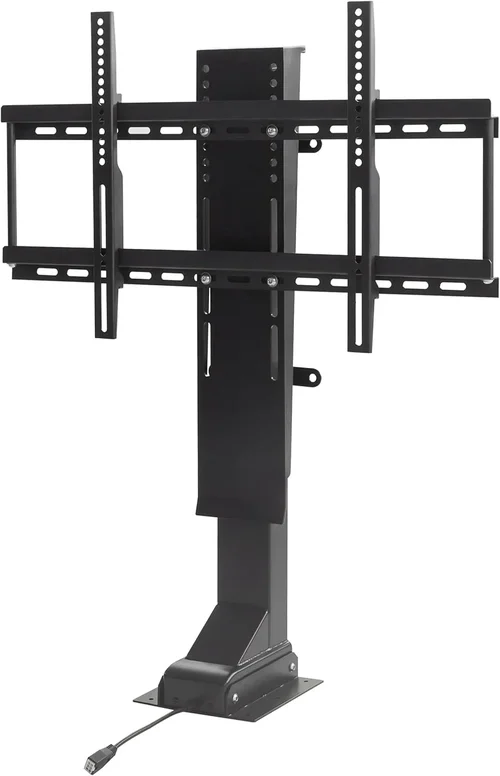
Proper installation is key to both safety and performance. Outdoor TVs are heavier and more complex than indoor models, so they require robust mounting solutions. Most outdoor TVs are VESA-compatible, meaning they can be mounted on standard wall brackets, but you’ll need a mount rated for outdoor use. Look for mounts made from rust-resistant materials like stainless steel or aluminum, with sealed joints to prevent water ingress. Tilt and swivel mounts offer flexibility for adjusting the viewing angle, while full-motion mounts allow you to pull the TV out for easier access to ports.
Consider where you’ll install the TV. Is it on a wall, under an awning, or on a freestanding stand? If mounting on a wall, ensure the structure can support the TV’s weight—especially important for brick, stucco, or concrete surfaces. For balconies with railings, some manufacturers offer specialized rail mounts that clamp securely without drilling. If your TV will be exposed to wind, choose a low-profile mount that minimizes sway. Professional installation is recommended for larger models or complex setups, as improper mounting can lead to damage or injury. Always follow the manufacturer’s guidelines and local building codes.
7. Brand Reputation & Reliability
Not all outdoor TV brands are created equal. Some companies specialize exclusively in outdoor displays, while others adapt indoor models for outdoor use. Brands with a strong reputation for outdoor electronics—like SunBriteTV, Seura, and LG—typically offer better build quality, longer warranties, and more reliable customer support. SunBriteTV, for instance, has been a leader in the outdoor TV market for over a decade, with models tested in extreme conditions and backed by comprehensive warranties.
Research customer reviews and expert ratings to gauge real-world performance. Look for feedback on durability, ease of setup, picture quality in sunlight, and responsiveness of customer service. Avoid unknown brands or “outdoor-ready” TVs that lack proper certifications or detailed specifications. A reputable brand may cost more upfront, but it often saves money in the long run by reducing the risk of premature failure or costly repairs. Additionally, established brands are more likely to offer firmware updates, replacement parts, and extended service options.
8. Warranty & Support
Given the investment and environmental risks, a strong warranty is essential for any outdoor TV. Most reputable manufacturers offer warranties ranging from 1 to 3 years, covering defects, weather damage, and component failure. Some premium models even include on-site service or expedited replacements. Read the fine print: some warranties are voided if the TV is installed incorrectly or used in conditions beyond its rating. For example, using an IP55-rated TV in a fully exposed, rainy location may not be covered.
Customer support is just as important. Choose a brand with accessible technical support, clear documentation, and responsive service channels. Check if the company offers installation guides, video tutorials, or live chat assistance. If you’re buying online, verify the return policy and whether the seller offers extended warranty options. A good warranty and support system provide peace of mind and protect your investment for years to come.
Different Types of Buying Guide
Common Buying Mistakes to Avoid
❌ Mistake: Buying a Standard Indoor TV for Outdoor Use
Why it’s bad: Indoor TVs are not designed to handle moisture, temperature extremes, or UV exposure. Using one outdoors can lead to overheating, screen damage, electrical failure, or even fire hazards. Even if you cover it or install it under a roof, condensation and humidity can still seep into the internal components.
What to do instead: Always choose a TV specifically rated for outdoor use. Look for models with proper IP ratings, weatherproof enclosures, and outdoor-certified components. If budget is a concern, consider a partial-shade outdoor TV or a convertible model that can be moved indoors during harsh weather.
❌ Mistake: Ignoring Brightness and Glare
Why it’s bad: A dim screen will be nearly impossible to see in daylight, turning your outdoor TV into a decorative mirror. Glare from sunlight can wash out colors and make text unreadable, ruining the viewing experience.
What to do instead: Prioritize TVs with high brightness (1,000+ nits) and anti-glare technology. Test the screen in similar lighting conditions if possible, or read reviews that mention daytime visibility. Optically bonded screens and matte finishes make a significant difference.
❌ Mistake: Overlooking Proper Mounting and Installation
Why it’s bad: Improper mounting can lead to TVs falling, water damage, or electrical issues. Using indoor mounts or DIY solutions often voids warranties and poses safety risks.
What to do instead: Use outdoor-rated mounts made from corrosion-resistant materials. Follow the manufacturer’s installation guide precisely, and consider hiring a professional for larger or complex setups. Ensure all cables are routed through weatherproof conduits.
❌ Mistake: Choosing the Wrong Size for the Space
Why it’s bad: A TV that’s too small will be hard to see, while one that’s too large can dominate the space and cause eye strain. Poor sizing leads to dissatisfaction and wasted investment.
What to do instead: Measure your viewing distance and use the 1.5–2.5x rule to determine the ideal screen size. Consider the layout of your deck—will people be sitting close or far? Will the TV be viewed from multiple angles?
❌ Mistake: Skipping the Warranty and Support Check
Why it’s bad: Outdoor TVs are expensive, and repairs can be costly. Without a solid warranty, you’re left paying out of pocket for failures caused by weather or manufacturing defects.
What to do instead: Choose a brand with a strong warranty (2+ years) and reliable customer support. Read the terms carefully—some cover only certain types of damage. Consider extended warranty options if available.
❌ Mistake: Assuming All “Outdoor” TVs Are Equal
Why it’s bad: Some manufacturers label TVs as “outdoor-ready” but only include basic weatherproofing. These may not perform well in direct sun or heavy rain.
What to do instead: Research the specific model’s IP rating, brightness, and build quality. Compare multiple brands and read independent reviews. Don’t rely solely on marketing claims.
❌ Mistake: Neglecting Audio Quality
Why it’s bad: Outdoor environments have ambient noise—wind, traffic, birds—that can drown out weak TV speakers. Poor audio ruins the immersive experience.
What to do instead: Look for TVs with powerful built-in speakers or plan to add a weatherproof soundbar or outdoor speakers. Some outdoor TVs include audio outputs for external systems.
Budget Guidelines: How Much Should You Spend?
Entry-Level ($400 – $800): These are typically indoor/outdoor convertible TVs or basic partial-shade models. They offer decent picture quality and weather resistance for covered areas but may lack high brightness or advanced features. Best for small balconies or seasonal use.
Mid-Range ($800 – $2,000): This is the sweet spot for most buyers. You’ll find partial-shade and some all-weather models with 1,000+ nits brightness, smart features, and solid build quality. Ideal for covered patios and moderate climates.
Premium ($2,000 – $4,000): High-end all-weather TVs with top-tier brightness (1,500–2,500 nits), anti-glare screens, and robust enclosures. These are built for full sun exposure and harsh conditions. Great for large decks and year-round use.
Luxury ($4,000+): Commercial-grade or ultra-premium models with advanced cooling, 24/7 operation capability, and integrated audio systems. Designed for permanent outdoor installations in restaurants, hotels, or luxury homes.

Expert Tips for Getting the Best Deal
– Buy during off-season sales: Outdoor TVs often go on sale in late fall and winter when demand is low. Look for Black Friday, Cyber Monday, or end-of-season discounts.
– Compare online and in-store prices: Online retailers often offer better deals and wider selections, but local stores may provide free installation or extended warranties.
– Check for bundle deals: Some sellers offer discounts when you buy a TV with a mount, soundbar, or installation service.
– Read return policies carefully: Outdoor TVs are heavy and expensive to return. Ensure the seller offers a generous return window and covers return shipping.
– Test before you buy (if possible): Visit a showroom to see the TV’s brightness and picture quality in person. Some retailers have outdoor display areas.
– Consider refurbished models: Certified refurbished outdoor TVs from reputable brands can save 20–30% and often come with full warranties.
– Negotiate installation costs: If hiring a professional, ask for quotes from multiple installers. Some TV retailers offer discounted installation with purchase.
– Monitor price drops: Use price tracking tools like Honey or CamelCamelCamel to alert you when your desired model goes on sale.

Frequently Asked Questions
Q: Can I use a regular TV outdoors if I cover it?
A: While you can use a regular TV under a covered, sheltered area, it’s not recommended for long-term outdoor use. Indoor TVs lack proper sealing, cooling, and UV protection, which can lead to premature failure. For reliable performance, invest in a purpose-built outdoor TV.
Q: Do outdoor TVs need to be plugged into a weatherproof outlet?
A: Yes. Always use a GFCI (ground fault circuit interrupter) outlet rated for outdoor use. This protects against electrical shock and is required by most building codes. Consider installing a weatherproof outlet cover for added safety.
Q: How do I clean an outdoor TV screen?
A: Use a soft, lint-free microfiber cloth and a mild cleaner designed for electronics. Avoid ammonia-based cleaners or abrasive materials. For water spots, a 50/50 mix of distilled water and white vinegar works well. Always power off the TV before cleaning.
Q: Can outdoor TVs be used in winter?
A: Yes, most outdoor TVs are designed to operate in temperatures as low as -22°F (-30°C). Some models include internal heaters to prevent condensation during cold starts. Check the manufacturer’s specifications for your model’s operating range.
Q: Do I need a special remote for outdoor use?
A: Most outdoor TVs come with standard IR remotes, but sunlight can interfere with the signal. Some models include RF remotes that work through walls and in bright light. Alternatively, use a smartphone app for control.
Q: Can I mount an outdoor TV on a balcony railing?
A: Yes, but only with a railing mount specifically designed for outdoor use. Ensure the railing is sturdy and the mount is rated for the TV’s weight. Avoid drilling into balcony structures unless permitted by your building management.
Q: How long do outdoor TVs typically last?
A: With proper installation and maintenance, high-quality outdoor TVs can last 7–10 years or more. Cheaper models may fail sooner due to inferior components or inadequate weatherproofing.
Q: Are outdoor TVs energy efficient?
A: Yes, many modern outdoor TVs use LED backlighting and energy-saving modes. Look for ENERGY STAR certification to ensure low power consumption, especially important for 24/7 use.
Q: Can I connect a sound system to an outdoor TV?
A: Absolutely. Most outdoor TVs have audio outputs (optical, RCA, or 3.5mm) for connecting weatherproof speakers or soundbars. Some models even support Bluetooth audio for wireless setups.
Q: What’s the difference between partial-shade and all-weather TVs?
A: Partial-shade TVs are designed for covered areas with limited sun and rain exposure. All-weather models are built for full exposure, with higher IP ratings, brighter screens, and enhanced durability.
Our Final Recommendations
Best for Budget-Conscious Buyers: SunBriteTV Veranda Series (43-inch) – A reliable partial-shade TV with 700 nits brightness, smart features, and solid build quality at an affordable price.
Best Overall Value: LG 55″ Outdoor UHD TV – Combines high brightness (1,000 nits), webOS smart platform, and excellent picture quality for a mid-range price.
Best Premium Option: SunBriteTV Pro Series 2 (65-inch) – Built for extreme conditions with 2,500 nits brightness, IP66 rating, and military-grade durability.
Best for Beginners: Seura Shade Series – Easy to install, user-friendly interface, and great for covered patios. Ideal for first-time outdoor TV buyers.
Best for Advanced Users: Samsung The Terrace – Features Quantum Dot technology, 1,500 nits brightness, and seamless integration with Samsung’s ecosystem. Perfect for tech-savvy users.
Conclusion: Making the Right Choice
Choosing the right outdoor deck TV is about more than just picture quality—it’s about finding a device that can thrive in your unique environment while delivering a seamless entertainment experience. From weather resistance and brightness to smart features and installation, every detail matters. By prioritizing your specific needs—whether it’s a small balcony, a sun-drenched deck, or a commercial space—you can select a TV that enhances your outdoor lifestyle for years to come.
Don’t rush the decision. Take time to compare models, read reviews, and consider long-term value over upfront cost. A well-chosen outdoor TV isn’t just a purchase—it’s an investment in comfort, convenience, and connection. With the insights from this guide, you’re now equipped to make a confident, informed choice. So go ahead—transform your deck into the ultimate outdoor oasis, and enjoy every sunset, game night, and movie under the stars with crystal-clear clarity.

