
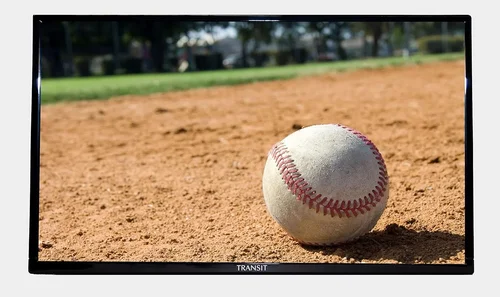
Summer is here—and with it comes the irresistible urge to take the party outside. Whether you’re hosting a backyard barbecue, a movie night under the stars, or a game-day gathering with friends, nothing elevates outdoor entertainment quite like a dedicated backyard TV. But choosing the right one isn’t as simple as grabbing the biggest screen you can find. With so many options on the market in 2026—from weather-resistant outdoor displays to portable smart TVs designed for alfresco viewing—it’s easy to feel overwhelmed.
That’s where this guide comes in. We’ve spent months researching, testing, and comparing the latest backyard TVs to help you make an informed decision that fits your space, budget, and lifestyle. Whether you’re setting up a permanent outdoor entertainment zone or just want something you can roll out for weekend gatherings, we’ll walk you through everything you need to know: from key specs and build quality to hidden costs and common pitfalls. By the end of this guide, you’ll have a clear roadmap to choosing the perfect outdoor TV for your summer parties—without overspending or ending up with a screen that fizzles in the sun.
The outdoor TV market has evolved dramatically over the past few years. No longer limited to bulky, expensive commercial-grade displays, today’s options include sleek, consumer-friendly models that blend performance with practicality. Brands like Samsung, LG, Sony, and specialized outdoor manufacturers such as SunBriteTV and Seura now offer products specifically engineered for open-air environments. These aren’t just regular indoor TVs slapped in a weatherproof box—they’re built from the ground up to handle heat, humidity, glare, and even light rain. At the same time, portable and semi-permanent solutions have surged in popularity, giving homeowners more flexibility than ever. This guide will help you navigate that landscape with confidence.

What to Look for When Buying Buying Guide
1. Weather Resistance & IP Rating
When it comes to outdoor electronics, weather resistance isn’t optional—it’s essential. Unlike indoor TVs, backyard displays face constant exposure to the elements: direct sunlight, rain, dust, pollen, and temperature swings. That’s why the Ingress Protection (IP) rating is one of the most critical specs to check. The IP code consists of two numbers: the first indicates protection against solid particles (like dust), and the second refers to liquid ingress (like rain or splashes).
For backyard use, look for at least an IP55 rating—this means the TV is protected from limited dust ingress and low-pressure water jets from any direction. If you live in a rainy climate or plan to install your TV in an uncovered area, aim for IP65 or higher. Some premium outdoor models boast IP66 or even IP67 ratings, offering near-total protection against dust and powerful water jets or temporary immersion.
But don’t stop at the IP rating. Also consider the TV’s operating temperature range. Most outdoor TVs are rated to function between -22°F and 122°F (-30°C to 50°C), which covers nearly all North American climates. However, if you’re in an extreme environment—say, Arizona summers or Minnesota winters—double-check the manufacturer’s specs. A TV that shuts down at 95°F won’t do you much good during a July heatwave.
2. Brightness & Anti-Glare Performance
One of the biggest challenges of outdoor viewing is glare. Sunlight reflecting off the screen can turn your movie night into a squint-fest. That’s why brightness—measured in nits—is arguably more important outdoors than resolution or color accuracy.
For shaded or partially covered areas (like under a porch), a brightness of 700–1,000 nits is usually sufficient. But if your TV will be exposed to direct sunlight, you’ll need at least 1,500 nits, with 2,000+ nits being ideal. Many dedicated outdoor TVs now feature high-brightness LED or OLED panels specifically tuned for daylight visibility.
Equally important is anti-reflective coating. Look for models with matte finishes or specialized optical filters that diffuse ambient light rather than reflecting it. Some brands, like SunBriteTV, use proprietary “True Outdoor” screens that combine high brightness with advanced glare reduction. These screens often include a layer that blocks UV rays, preventing image degradation over time.
Don’t assume that a bright indoor TV will cut it. Standard living room TVs typically peak around 300–600 nits—fine for dim rooms but nearly useless in daylight. Even “bright” indoor models rarely exceed 1,000 nits and lack the anti-glare tech needed for outdoor use.
3. Build Quality & Durability
Outdoor TVs endure far harsher conditions than their indoor counterparts. That means every component—from the chassis to the internal circuitry—must be built to last. Start by examining the materials. Premium outdoor TVs use powder-coated aluminum or stainless steel enclosures that resist rust, corrosion, and warping. Avoid plastic-heavy designs, which can become brittle under UV exposure or crack in freezing temperatures.
Internal components matter too. Look for conformal coating on circuit boards—a protective layer that shields electronics from moisture and dust. High-quality capacitors, sealed connectors, and reinforced mounting points are also signs of a well-engineered product.
Vibration resistance is another often-overlooked factor. If your TV will be mounted near a grill, speaker system, or foot traffic area, it needs to withstand constant movement without loosening or damaging internal parts. Many outdoor models include shock-absorbing mounts or reinforced frames for this reason.
Finally, consider the warranty. A robust build should come with a strong warranty—typically 2–3 years for outdoor-specific models, compared to just 1 year for most indoor TVs. Some brands even offer extended coverage for commercial installations.
4. Size & Viewing Distance
Choosing the right screen size isn’t just about going big—it’s about matching the TV to your space and seating arrangement. A 75-inch screen might look impressive, but if your guests are sitting only 6 feet away, they’ll be overwhelmed. Conversely, a 43-inch TV viewed from 15 feet away will look tiny and hard to read.
A good rule of thumb: multiply your viewing distance (in inches) by 0.84 to get the ideal screen diagonal. For example, if your seating is 10 feet (120 inches) from the screen, aim for a 100-inch display (120 × 0.84 ≈ 101). But remember—outdoor viewing often involves more ambient light and movement, so you may want to go slightly larger than you would indoors.
Also consider installation constraints. Will the TV fit on your wall or stand? Do you have enough clearance for ventilation? Outdoor TVs often require more space around them for airflow, especially if they’re enclosed in a weatherproof cabinet.
Portability adds another layer. If you plan to move the TV between the patio, pool deck, and garage, weight and handle design become crucial. Some models come with built-in wheels or lightweight frames for easy relocation.
5. Smart Features & Connectivity
In 2026, even outdoor TVs are expected to be “smart.” That means built-in Wi-Fi, streaming apps (Netflix, YouTube, Disney+, etc.), voice control (via Alexa or Google Assistant), and seamless integration with your home ecosystem. Most outdoor TVs now run on platforms like webOS (LG), Tizen (Samsung), or Android TV, offering familiar interfaces and regular software updates.
But smart features aren’t just about convenience—they’re about longevity. A TV with outdated software or no app support will quickly become obsolete. Check whether the model receives regular firmware updates and supports the latest streaming standards (like HDR10+, Dolby Vision, or AV1 decoding).
Connectivity is equally important. Look for multiple HDMI ports (at least 3–4), USB inputs, Ethernet (for stable wired internet), and Bluetooth. If you’re using external speakers or a soundbar, ensure there’s an optical audio output or ARC (Audio Return Channel) support. Some models even include weatherproof cable glands to keep connections dry.
One caveat: not all smart outdoor TVs perform equally well in bright conditions. Voice assistants may struggle to hear commands over wind or crowd noise, and touch remotes can be hard to read in sunlight. Consider using a smartphone app or universal remote as a backup.
6. Audio Quality & Sound Solutions
Most outdoor TVs prioritize picture over sound—and for good reason. High-brightness panels and weatherproofing leave little room for large speakers. As a result, built-in audio on outdoor models is often tinny, quiet, or lacking bass.
Don’t rely solely on the TV’s speakers for party sound. Instead, plan for external audio from day one. Options include:
– Weather-resistant soundbars (like the Sonos Move or Bose SoundLink Flex)
– Outdoor speaker systems (mounted on walls or placed on stands)
– Wireless Bluetooth speakers (great for portability)
If you’re installing a permanent setup, consider running speaker wire through conduit to avoid tripping hazards and water damage. Many outdoor TVs include audio output options specifically designed for this purpose.
Some premium models do offer surprisingly good built-in sound—especially those with front-firing speakers or passive radiators. But unless you’re in a very quiet, sheltered area, external audio is almost always the better choice for summer parties.
7. Installation & Mounting Options
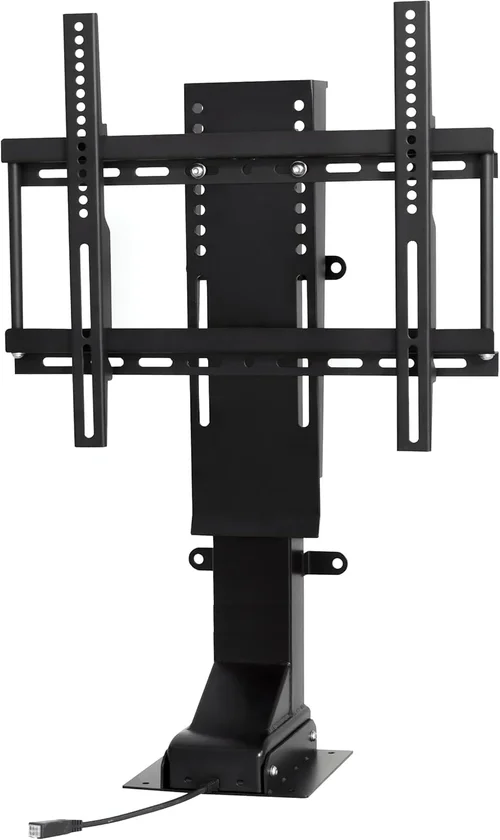
How you mount your TV affects both safety and viewing experience. Outdoor mounts must be sturdy enough to handle wind, vibration, and the TV’s weight—often heavier than indoor equivalents due to reinforced casings.
There are three main installation types:
– Wall-mounted: Permanent and sleek, ideal for covered patios or decks. Requires drilling into masonry or wood, and proper sealing to prevent water intrusion.
– Pole-mounted: Great for open yards or pool areas. Uses a freestanding pole that can be anchored into concrete. Offers flexibility in positioning.
– Portable/stand-mounted: Best for temporary setups. Includes wheeled carts or foldable stands. Easy to move but less stable in windy conditions.
Always use mounts rated for outdoor use. Indoor mounts aren’t designed to withstand moisture or temperature changes and can fail prematurely. Look for VESA-compatible mounts (most outdoor TVs support standard patterns like 200×200 or 400×400) and ensure the mount includes tilt or swivel features for optimal viewing angles.
Professional installation is recommended for permanent setups, especially if electrical work or structural modifications are needed. Improper mounting can void warranties and pose safety risks.
8. Brand Reputation & Customer Support
Not all outdoor TV brands are created equal. While big names like Samsung and LG offer reliable indoor models, their outdoor offerings (if any) are often limited or repurposed. For true outdoor performance, consider specialists like:
– SunBriteTV: The original outdoor TV brand, known for rugged builds and excellent brightness.
– Seura: Offers stylish, frameless designs with strong weather resistance.
– Aviditi: Budget-friendly options with solid performance for covered areas.
– Peerless-AV: Focuses on commercial-grade solutions but has consumer-friendly lines.
Check customer reviews on trusted sites like Amazon, Best Buy, or Crutchfield. Pay attention to comments about long-term durability, customer service responsiveness, and ease of setup. A brand that offers live chat support, detailed installation guides, and hassle-free returns is worth its weight in gold—especially when dealing with a $2,000+ purchase.
Also verify whether the brand provides local service centers. If your TV needs repair, you don’t want to ship it across the country and wait weeks for a fix.
Different Types of Buying Guide

Common Buying Mistakes to Avoid
❌ Mistake: Using an Indoor TV Outdoors
Why it’s bad: Indoor TVs aren’t built to handle moisture, temperature extremes, or UV exposure. Even under cover, condensation can form inside the panel, leading to fogging, corrosion, or complete failure within months. Plus, their low brightness makes them nearly unwatchable in daylight.
What to do instead: Invest in a TV specifically designed for outdoor use—or at minimum, pair an indoor model with a certified weatherproof enclosure. Never assume “it’ll be fine under the awning.”
❌ Mistake: Ignoring Viewing Angle and Glare
Why it’s bad: A TV mounted directly facing the sun will be unusable for half the day. Similarly, placing it where windows or light-colored walls reflect glare creates a frustrating viewing experience.
What to do instead: Scout your space at different times of day. Use shade sails, curtains, or strategic landscaping to reduce glare. Choose a TV with wide viewing angles (look for IPS panels) and anti-reflective coating.
❌ Mistake: Overlooking Audio Needs
Why it’s bad: Relying on built-in speakers means quiet dialogue, weak bass, and the need to crank the volume—which distorts sound and annoys neighbors.
What to do instead: Budget for outdoor speakers or a soundbar from day one. Wireless options simplify setup, while wired systems offer better sound quality for permanent installations.
❌ Mistake: Skimping on Mounting Hardware
Why it’s bad: A $2,000 TV is worthless if it falls due to a flimsy mount. Indoor mounts rust, loosen, or bend under outdoor conditions.
What to do instead: Buy a mount rated for outdoor use with corrosion-resistant hardware. When in doubt, hire a professional installer—especially for wall mounts on brick or stucco.
❌ Mistake: Not Planning for Power and Cables
Why it’s bad: Running extension cords across the yard creates tripping hazards and exposes wires to water damage. Unprotected cables can short-circuit or attract pests.
What to do instead: Use outdoor-rated extension cords with GFCI protection, or better yet, hire an electrician to install a dedicated outdoor outlet. Conceal cables in conduit or use wireless solutions where possible.
❌ Mistake: Forgetting About Software Updates
Why it’s bad: A smart TV that stops receiving updates becomes a security risk and loses access to new apps and features.
What to do instead: Choose brands known for long-term software support (Samsung, LG, Sony). Check update policies before buying—some outdoor models receive updates for 5+ years.
❌ Mistake: Buying Based on Size Alone
Why it’s bad: A massive screen looks impressive but may overwhelm your space, exceed your budget, or require costly structural modifications.
What to do instead: Measure your area, calculate optimal screen size based on viewing distance, and prioritize brightness and durability over sheer dimensions.
Budget Guidelines: How Much Should You Spend?
– Entry-Level ($500 – $1,000): Best for covered patios or temporary use. Includes portable models or indoor TVs in basic enclosures. Expect lower brightness (500–700 nits), limited smart features, and shorter warranties. Ideal for occasional movie nights or small gatherings.
– Mid-Range ($1,000 – $2,500): The sweet spot for most homeowners. Offers true outdoor performance with 1,000–2,000 nits brightness, IP55+ ratings, and full smart functionality. Brands like Aviditi and Seura offer excellent value here. Perfect for semi-permanent installations under pergolas or awnings.
– Premium ($2,500 – $4,500): For serious entertainers and permanent setups. Features include 2,000+ nits brightness, IP65+ ratings, premium materials, and advanced anti-glare tech. SunBriteTV and high-end LG/Samsung outdoor lines dominate this tier. Built to last 7–10 years with minimal maintenance.
– Luxury ($4,500+): Top-tier commercial-grade or custom solutions. Includes 24/7 operation capability, ultra-high brightness (3,000+ nits), professional installation, and concierge support. Reserved for large properties, hotels, or tech enthusiasts who want the absolute best.
Remember: outdoor TVs are long-term investments. Spending a bit more upfront often saves money in repairs, replacements, or frustration down the line.
Expert Tips for Getting the Best Deal
– Buy in Spring: Retailers often discount outdoor electronics in March–May to clear winter inventory. You’ll find better deals before peak summer demand hits.
– Check Manufacturer Refurbished Programs: SunBriteTV and Seura offer certified refurbished units at 20–30% off with full warranties. These are rigorously tested and nearly indistinguishable from new.
– Bundle with Accessories: Some retailers offer discounts when you buy a TV + mount + speakers together. Look for package deals at Crutchfield, Best Buy, or directly from brands.
– Negotiate Installation: Many installers offer free or discounted setup with TV purchase. Ask about bundled pricing—especially if you need electrical work.
– Read the Fine Print on Warranties: Some warranties void if installed incorrectly or used in uncovered areas. Ensure your setup complies with terms to avoid denial of claims.
– Test Before Finalizing: If buying in-store, ask to see the TV in bright lighting. Check for glare, color accuracy, and remote responsiveness.
– Consider Energy Efficiency: High-brightness TVs consume more power. Look for ENERGY STAR ratings or models with auto-dimming sensors to reduce electricity costs.
– Join Loyalty Programs: Stores like Costco, Sam’s Club, and Best Buy offer member-exclusive discounts and extended return windows—perfect for big-ticket items.

Frequently Asked Questions
Q: Can I use a regular TV outdoors if it’s under cover?
A: Technically yes—but it’s not recommended. Even under cover, humidity, temperature swings, and dust can damage internal components. For reliable, long-term use, invest in an outdoor-rated model or a certified weatherproof enclosure.
Q: Do outdoor TVs need special power outlets?
A: Not necessarily, but a dedicated GFCI (Ground Fault Circuit Interrupter) outlet is strongly advised. This protects against electrical shocks in wet conditions and is required by code in many areas for outdoor installations.
Q: How do I clean an outdoor TV screen?
A: Use a microfiber cloth and distilled water only. Avoid ammonia-based cleaners (like Windex), which can damage anti-reflective coatings. For stubborn grime, lightly dampen the cloth—never spray liquid directly on the screen.
Q: Will an outdoor TV work in winter?
A: Yes, if it’s rated for cold temperatures. Most outdoor models operate down to -22°F (-30°C). However, avoid turning it on immediately after bringing it in from extreme cold—let it acclimate to room temperature first to prevent condensation.
Q: Can I stream 4K content outdoors?
A: Absolutely. Most modern outdoor TVs support 4K HDR streaming via Wi-Fi or Ethernet. Just ensure your internet connection is strong enough—outdoor Wi-Fi extenders or mesh networks can help.
Q: Are outdoor TVs louder than indoor ones?
A: Not typically. In fact, many have weaker built-in speakers due to space constraints. Plan to use external audio for the best experience.
Q: How long do outdoor TVs last?
A: With proper installation and maintenance, 7–10 years is common. Fully rugged models often outlast indoor TVs due to superior build quality and lack of dust/moisture ingress.
Q: Do I need a permit to install an outdoor TV?
A: Usually not for residential use, but check local codes—especially if you’re modifying structures or adding electrical outlets. Commercial installations almost always require permits.
Q: Can I mount an outdoor TV on a fence?
A: Only if the fence is structurally sound and anchored properly. Wooden fences may rot over time; metal ones can conduct lightning. Wall or pole mounts are safer and more stable.
Q: What’s the difference between OLED and LED for outdoor use?
A: OLED offers better contrast and colors but is harder to brighten for daylight viewing. Most outdoor TVs use high-brightness LED panels because they’re more durable and easier to scale to 2,000+ nits. OLED is rare in outdoor models as of 2026.
Our Final Recommendations
– Best for Budget-Conscious Buyers: Aviditi 55″ Veranda Series – At under $1,200, it delivers solid 1,000-nit brightness, IP55 rating, and full smart features. Perfect for covered patios.
– Best Overall Value: SunBriteTV 65″ Pro Series 2 – Priced around $2,800, it combines 2,500-nit brightness, IP66 rating, and exceptional build quality. Ideal for exposed decks and pools.
– Best Premium Option: Seura 75″ Shadowbox Outdoor TV – Sleek, frameless design with 2,200-nit brightness and whisper-quiet operation. A showstopper for luxury outdoor spaces ($4,200).
– Best for Beginners: Samsung 50″ The Terrace Partial Sun – User-friendly Tizen OS, easy setup, and reliable performance for shaded areas ($1,900).
– Best for Advanced Users: Peerless-AV Xtreme 86″ Commercial Display – Built for 24/7 use, 3,000-nit brightness, and modular design. Overkill for most homes—but unmatched for tech enthusiasts ($6,500).
Conclusion: Making the Right Choice
Choosing the right backyard TV for your summer parties doesn’t have to be overwhelming—but it does require thoughtful consideration. From weather resistance and brightness to audio solutions and installation, every detail impacts your long-term enjoyment. Don’t let the allure of a giant screen or a low price tag distract you from what truly matters: durability, visibility, and reliability in the great outdoors.
Start by assessing your space, usage patterns, and budget. Are you hosting weekly gatherings or just occasional movie nights? Is your patio fully exposed or comfortably shaded? Answering these questions will guide you toward the right category—and ultimately, the right TV.
Remember, an outdoor TV is more than a gadget—it’s the centerpiece of your summer entertainment. Invest wisely, install carefully, and don’t forget the speakers. With the right setup, your backyard won’t just host parties… it’ll become the neighborhood’s favorite destination.
So go ahead—press play on summer. Your perfect outdoor TV is out there. And now, you know exactly how to find it.

