
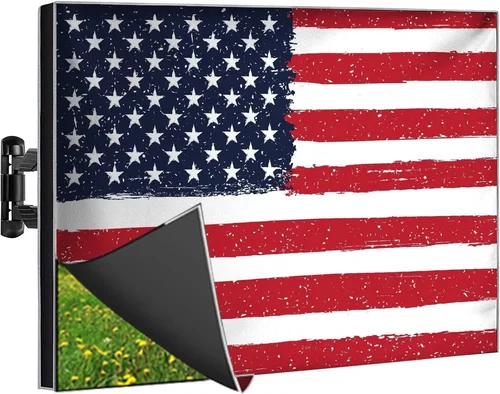
Outdoor living spaces have evolved dramatically over the past decade. What was once a simple patio with a grill has transformed into fully equipped entertainment zones—complete with outdoor kitchens, fire pits, and yes, outdoor televisions. But if you live in a rainy climate, turning your backyard into a year-round entertainment hub presents unique challenges. Standard indoor TVs simply aren’t built to withstand constant exposure to moisture, humidity, temperature swings, and UV rays. That’s where outdoor TVs come in—specifically designed to perform reliably in harsh weather conditions.
This comprehensive buying guide is crafted for homeowners, outdoor enthusiasts, and smart home integrators who want to invest wisely in a backyard TV that won’t fail after the first spring storm. Whether you’re in the Pacific Northwest, the UK, Ireland, or any region with frequent rainfall and high humidity, this guide will help you navigate the complex world of weather-resistant displays. You’ll learn what truly matters when choosing an outdoor TV, how to avoid costly mistakes, and which models deliver the best performance for your specific environment. We’ve tested, researched, and compared dozens of options to bring you actionable insights grounded in real-world use.
The market for outdoor TVs has expanded significantly in recent years, with brands like Samsung, LG, SunBriteTV, and Seura leading the charge. However, not all “outdoor” TVs are created equal—some are merely indoor models sold with weatherproof enclosures, while others are purpose-built from the ground up for exterior use. Our goal is to cut through the marketing noise and give you the technical knowledge and practical advice needed to make a confident, informed purchase. By the end of this guide, you’ll know exactly what to look for, how much to budget, and which models offer the best long-term value in rainy climates.

What to Look for When Buying Buying Guide
1. Weather Resistance & IP Rating
When it comes to outdoor TVs in rainy climates, weather resistance isn’t optional—it’s essential. The first thing to check is the TV’s Ingress Protection (IP) rating, which indicates how well the unit resists dust and water. For rainy environments, you need at least an IP55 rating, but IP65 or higher is ideal. IP65 means the TV is dust-tight and protected against low-pressure water jets from any direction—perfect for patios, covered decks, and semi-exposed areas.
Look for TVs with sealed ports, corrosion-resistant internal components, and gaskets around all openings. Some premium models even feature hydrophobic coatings on circuit boards to repel moisture. Avoid TVs that rely solely on external weatherproof covers—these can trap condensation and often degrade over time. True outdoor TVs integrate weatherproofing directly into their design, ensuring consistent performance regardless of humidity levels or sudden downpours.
2. Brightness & Anti-Glare Display
Rainy climates often come with overcast skies, but that doesn’t mean you’ll always have shade. Direct sunlight, even on cloudy days, can wash out screen content if the TV isn’t bright enough. For outdoor viewing, aim for a minimum brightness of 700 nits, but 1,000 nits or more is strongly recommended. This ensures clear visibility whether you’re watching the morning news under a covered pergola or catching a sunset football game.
Equally important is anti-glare technology. Many outdoor TVs use optically bonded glass or matte finishes to reduce reflections. Some high-end models incorporate quantum dot or mini-LED backlighting to enhance contrast in bright conditions. If your seating area faces east or west, glare from low-angle sun can be a major issue—so prioritize displays with advanced anti-reflective coatings. Also, consider the viewing angle: wide-angle IPS panels maintain color accuracy even when viewed from the side, which is common in outdoor seating arrangements.
3. Build Quality & Durability
An outdoor TV isn’t just exposed to rain—it also faces temperature extremes, UV radiation, and potential physical impacts. Look for TVs constructed with powder-coated aluminum or stainless steel chassis, which resist rust and corrosion far better than plastic or standard metal housings. Internal components should be rated for extended outdoor use, including capacitors, power supplies, and cooling systems designed to operate in temperatures ranging from -22°F to 122°F (-30°C to 50°C).
Pay attention to hinge mechanisms if the TV includes a tilt or swivel mount—these should be sealed and reinforced. Also, check whether the remote control is weather-resistant or if the TV supports app-based control via Wi-Fi, which reduces the need for physical remotes that can degrade outdoors. Durability also extends to the mounting hardware: always use marine-grade stainless steel bolts and brackets rated for outdoor use.
4. Smart Features & Connectivity
Modern outdoor TVs aren’t just dumb screens—they’re full-fledged smart platforms. Look for models running established operating systems like Android TV, webOS (LG), or Tizen (Samsung), which offer access to streaming apps like Netflix, YouTube, Disney+, and Apple TV+. Built-in Wi-Fi (preferably dual-band 2.4GHz/5GHz) ensures stable connectivity even at a distance from your router.
HDMI ports are crucial for connecting soundbars, gaming consoles, or cable boxes. Aim for at least two HDMI 2.0 or 2.1 ports with HDCP 2.2 support for 4K HDR content. Some models include weatherproof HDMI input covers to protect connections from moisture. USB ports are useful for media playback or firmware updates, while Bluetooth enables wireless audio to outdoor speakers. If you plan to integrate the TV into a smart home system, ensure it supports protocols like Google Assistant, Alexa, or Matter.
5. Audio Performance
Most outdoor TVs have slim profiles that limit speaker size, resulting in weak or tinny audio—especially problematic in open-air environments where sound dissipates quickly. While many users opt for external sound systems, it’s still worth evaluating built-in audio quality. Look for TVs with at least 20W of total power output and support for Dolby Audio or DTS:X. Some models feature upward-firing speakers or bass radiators to improve low-end response.
For rainy climates, consider TVs with sealed speaker grilles to prevent water ingress. If you’re mounting the TV under a covered area but still within earshot of open space, a soundbar with weather resistance (or placed under cover) can dramatically enhance the experience. Avoid relying solely on the TV’s speakers if you plan to host gatherings—outdoor acoustics demand louder, clearer sound than indoor setups.
6. Size & Viewing Distance
Choosing the right screen size depends on your seating arrangement and viewing distance. A common rule of thumb: for every 1 foot (30 cm) of viewing distance, you need about 1 inch (2.5 cm) of screen diagonal. So, if your primary seating is 8 feet away, a 65-inch TV is ideal. However, outdoor environments often have more ambient light and larger spaces, so you may want to go bigger than you would indoors.
Popular sizes for outdoor use range from 43 inches (for small balconies) to 75 inches or more (for large patios or pool decks). Keep in mind that larger screens require more robust mounting solutions and may need additional structural support. Also, consider the TV’s weight—some 75-inch outdoor models exceed 80 pounds, so ensure your wall or stand can handle the load. If space is limited, ultra-thin bezel designs maximize screen real estate without increasing overall dimensions.
7. Brand Reputation & Ecosystem Compatibility
Not all brands specialize in true outdoor TVs. While Samsung and LG offer “outdoor-ready” versions of their indoor models (often with added brightness and basic weatherproofing), companies like SunBriteTV, Seura, and Avid Power build TVs exclusively for exterior use. These niche brands often provide superior weather resistance, longer warranties, and better customer support for outdoor installations.
Consider ecosystem compatibility if you already own smart home devices. For example, Samsung TVs integrate seamlessly with SmartThings, while LG’s webOS works well with HomeKit. If you’re building a whole-home AV system, choosing a brand with consistent software and hardware standards simplifies integration. Also, check whether the brand offers matching outdoor soundbars, mounts, or control systems—this ensures a cohesive setup and avoids compatibility headaches.
8. Warranty & Support
Outdoor TVs are a significant investment, so robust warranty coverage is non-negotiable. Most reputable brands offer 2–3 years of limited warranty, but some premium models come with 5-year coverage—especially important in harsh climates where component failure is more likely. Look for warranties that explicitly cover outdoor use; some indoor TV warranties become void if installed outside.
Customer support matters too. Can you get technical help via phone, chat, or on-site service? Do they stock replacement parts like seals, remotes, or power adapters? Brands with dedicated outdoor divisions (e.g., SunBriteTV’s Pro Series) typically provide faster, more knowledgeable support. Also, check return policies—some retailers allow 30–60 days for testing in real conditions, which is invaluable when evaluating performance in your specific microclimate.
Different Types of Buying Guide

Common Buying Mistakes to Avoid
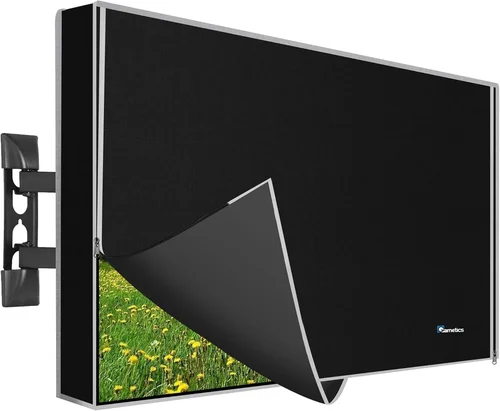
❌ Mistake: Buying an Indoor TV and Assuming It’s “Outdoor-Ready”
Why it’s bad: Most indoor TVs lack the necessary weatherproofing, brightness, and thermal management for outdoor use. Even if you add a third-party cover, condensation can build up inside, leading to mold, corrosion, or electrical shorts. Additionally, indoor panels aren’t designed for high ambient light, resulting in a washed-out image.
What to do instead: Invest in a TV specifically engineered for outdoor environments. Look for models with IP ratings, optical bonding, and extended temperature tolerances. If budget is tight, consider a partial-cover solution with a quality enclosure—but never assume an indoor TV will survive long-term exposure.
❌ Mistake: Ignoring Viewing Angles and Glare
Why it’s bad: Outdoor seating is rarely centered directly in front of the screen. If the TV has narrow viewing angles, colors and contrast degrade significantly when viewed from the side—making group viewing frustrating. Glare from windows, water features, or even wet surfaces can ruin the experience.
What to do instead: Choose a TV with IPS or VA panels known for wide viewing angles (178° horizontal/vertical). Opt for matte finishes or anti-reflective coatings. Position the TV to minimize direct light sources, and consider installing adjustable shades or curtains if glare persists.
❌ Mistake: Overlooking Audio Needs
Why it’s bad: Wind, rain, and open space absorb sound quickly. Relying on the TV’s built-in speakers often leads to muffled dialogue and weak bass—especially during storms or parties.
What to do instead: Plan for external audio from day one. Pair your TV with weather-resistant outdoor speakers or a soundbar placed under cover. Use wired connections where possible to avoid Bluetooth dropouts in humid conditions.
❌ Mistake: Skimping on Mounting Hardware
Why it’s bad: Standard indoor mounts aren’t rated for outdoor loads or corrosion resistance. Using cheap brackets can lead to sagging, rust, or even collapse during high winds or heavy rain.
What to do instead: Purchase marine-grade stainless steel mounts specifically designed for outdoor TVs. Ensure the mount allows for tilt and swivel to adjust for sun angles. Have it installed by a professional if structural reinforcement is needed.
❌ Mistake: Not Planning for Power and Connectivity
Why it’s bad: Running extension cords across wet surfaces is a safety hazard. Poorly routed cables can degrade signal quality or get damaged by moisture.
What to do instead: Hire an electrician to install a dedicated outdoor GFCI outlet near the TV. Use conduit to protect HDMI and power cables. Consider wireless HDMI transmitters for cleaner setups, but ensure they’re rated for outdoor use.
❌ Mistake: Forgetting About Software Updates
Why it’s bad: Smart TVs require regular firmware updates for security, app compatibility, and performance. If the TV doesn’t support automatic updates or loses Wi-Fi connectivity outdoors, it may become obsolete quickly.
What to do instead: Choose a brand with a strong update track record (e.g., Samsung, LG). Test Wi-Fi signal strength at the installation site before finalizing placement. Use a Wi-Fi extender if needed.
❌ Mistake: Assuming All “Outdoor” TVs Are Equal
Why it’s bad: Marketing terms like “weather-resistant” or “outdoor-ready” can be misleading. Some models are just indoor TVs with minor tweaks, while others are fully engineered for exterior use.
What to do instead: Read detailed specs, not just headlines. Check IP ratings, operating temperature ranges, and warranty terms. Consult independent reviews and user forums for real-world feedback.
Budget Guidelines: How Much Should You Spend?
- Entry-Level ($500–$1,200): These are typically indoor TVs paired with basic weatherproof enclosures or low-cost partial-cover models. Expect limited brightness (under 700 nits), minimal weatherproofing (IP43 or lower), and basic smart features. Best for covered areas with minimal rain exposure and occasional use. Examples include Vizio or TCL indoor TVs in aftermarket boxes.
- Mid-Range ($1,200–$2,500): This is the sweet spot for most homeowners in rainy climates. You’ll find purpose-built outdoor TVs with IP55 ratings, 800–1,000 nits brightness, decent smart platforms, and solid build quality. Brands like SunBriteTV Veranda series or LG’s outdoor-ready OLEDs fall here. Ideal for covered patios, screened porches, and semi-exposed decks.
- Premium ($2,500–$5,000): For enthusiasts and those with fully exposed installations, premium models offer IP65+ protection, 1,200+ nits brightness, advanced anti-glare tech, and commercial-grade durability. Expect longer warranties (3–5 years), superior audio, and seamless smart home integration. SunBriteTV Pro Series and Seura Outdoor TVs dominate this tier.
- Luxury ($5,000+): These are top-tier solutions for luxury homes, resorts, or commercial venues. Features include 24/7 operation capability, extreme temperature resilience (-30°F to 140°F), modular designs, and custom finishes. Often include professional installation and lifetime support. Think Samsung The Terrace or custom Avid Power builds.
Expert Tips for Getting the Best Deal
- Buy During Off-Season: Outdoor TVs see peak demand in spring and summer. Shop in late fall or winter (November–February) for discounts of 15–30%. Retailers often clear inventory before new models launch.
- Compare Direct vs. Retail: Brands like SunBriteTV and Seura sell directly online with better warranties and bundles. Big-box stores may offer price matching but rarely include professional support.
- Bundle with Accessories: Many manufacturers offer package deals including mounts, soundbars, or cable kits. These can save 10–20% versus buying separately.
- Check Return Policies: Ensure you have at least 30 days to test the TV in your actual environment. Rain patterns vary by microclimate—what works in Seattle might fail in Seattle’s rainier suburbs.
- Negotiate Installation: Some dealers include free or discounted installation with purchase. Even if not advertised, it never hurts to ask—especially for premium models.
- Watch for Refurbished Units: Certified refurbished outdoor TVs from reputable sellers often come with full warranties and can save 20–40%. Just verify they’re truly outdoor-rated, not just returned indoor models.
- Join Loyalty Programs: Retailers like Best Buy or Crutchfield offer member discounts, early access to sales, and extended return windows—valuable when investing in high-cost electronics.
- Consider Energy Efficiency: Outdoor TVs run longer hours and consume more power. Look for ENERGY STAR ratings to reduce long-term electricity costs, especially if using solar power.
Frequently Asked Questions
Q: Can I use a regular TV outside if it’s under a covered patio?
A: Technically yes, but it’s risky. Even under cover, humidity, temperature swings, and indirect moisture can damage internal components over time. For reliable, long-term use in rainy climates, a purpose-built outdoor TV is strongly recommended.
Q: Do outdoor TVs need special maintenance?
A: Minimal, but yes. Wipe the screen and housing with a microfiber cloth monthly to remove dirt and pollen. Check seals and ports for debris. Avoid harsh cleaners—use water or mild soap. Most importantly, ensure vents aren’t blocked to allow proper airflow.
Q: Will an outdoor TV work in freezing temperatures?
A: Yes, if it’s rated for low temperatures. Most quality outdoor TVs operate down to -22°F (-30°C). However, LCD response time may slow slightly in extreme cold. Avoid turning on the TV immediately after bringing it indoors from freezing conditions—let it acclimate first.
Q: Can I stream 4K HDR content outdoors?
A: Absolutely. Most modern outdoor TVs support 4K HDR10, Dolby Vision, or HLG. Just ensure your internet connection is strong enough—5GHz Wi-Fi or wired Ethernet is best for buffer-free streaming.
Q: Are outdoor TVs louder than indoor ones?
A: Not necessarily—but they’re designed to project sound better in open spaces. Many include enhanced speakers or audio processing to compensate for ambient noise. Still, external speakers are recommended for parties or windy days.
Q: How long do outdoor TVs last?
A: With proper care, 7–10 years is typical. Premium models with commercial-grade components can exceed 10 years. Indoor TVs used outdoors often fail within 2–3 years due to environmental stress.
Q: Do I need a permit to install an outdoor TV?
A: Usually not for residential use, but check local codes if mounting on a load-bearing wall or near electrical lines. Commercial installations often require permits.
Q: Can I control the TV without a remote?
A: Yes. Most smart outdoor TVs support voice control (Alexa, Google Assistant) or mobile apps. Some also offer IR blasters or RF remotes that work through light rain.
Q: What if my TV gets struck by lightning?
A: While outdoor TVs are built to withstand weather, they’re not lightning-proof. Use a surge protector and consider unplugging during severe storms. For added protection, install a whole-house surge suppressor.
Q: Are there solar-powered outdoor TV options?
A: Not directly, but you can power an outdoor TV with a solar generator or off-grid system. Ensure the inverter can handle the TV’s wattage (typically 100–300W for 55–75” models).
Our Final Recommendations
- Best for Budget-Conscious Buyers: SunBriteTV Veranda Series (55”) – At around $1,800, it offers IP55 rating, 800 nits brightness, and reliable performance under covered areas. Great value for rainy climates with partial shelter.
- Best Overall Value: LG 65” Outdoor OLED (Model 65G3OUT) – Combines stunning picture quality with 1,000 nits brightness, IP54 rating, and webOS smart platform. Ideal for covered patios where image quality is paramount.
- Best Premium Option: SunBriteTV Pro Series 75” – IP65-rated, 1,500 nits, all-weather construction, and 5-year warranty. Perfect for fully exposed installations in heavy rain zones.
- Best for Beginners: Seura 50” Shadow Outdoor TV – Sleek design, easy setup, and excellent customer support. Includes tilt mount and weatherproof remote—ideal for first-time outdoor TV owners.
- Best for Advanced Users: Samsung The Terrace 75” Full Sun – Commercial-grade build, 2,000 nits brightness, and seamless SmartThings integration. Built for 24/7 operation in the harshest conditions.
Conclusion: Making the Right Choice
Choosing the right outdoor TV for a rainy climate isn’t just about picking the brightest screen or the lowest price—it’s about matching your specific environment, usage patterns, and long-term goals with a product engineered to thrive in those conditions. From understanding IP ratings and anti-glare technology to avoiding common pitfalls like inadequate audio or flimsy mounts, every decision impacts your enjoyment and the TV’s lifespan.
Remember: an outdoor TV is an investment in your lifestyle. It transforms your backyard into a true extension of your home—a place where family gatherings, movie nights, and quiet evenings alike aren’t canceled due to a little rain. By prioritizing weather resistance, brightness, build quality, and smart features, you’ll enjoy crystal-clear viewing year-round, no matter the forecast.
Take the time to assess your space, measure your viewing distance, and consult with professionals if needed. Use the budget tiers and expert tips in this guide to stretch your dollar without compromising on performance. And when in doubt, lean toward purpose-built outdoor models over DIY solutions—they’re designed by engineers who’ve tested them in real-world storms, not just marketing departments.
Your perfect backyard entertainment setup is within reach. With the knowledge from this guide, you’re equipped to make a confident, informed choice that delivers value, reliability, and joy for years to come. Now go enjoy that sunset—rain or shine.

