
Outdoor living has evolved dramatically over the past decade. What was once limited to a simple patio chair and a cold drink has transformed into full-scale outdoor entertainment zones—complete with grills, fire pits, sound systems, and yes, outdoor TVs. For homeowners in hot climates, this shift presents a unique challenge: how to enjoy high-quality video content under the blazing sun without sacrificing performance, longevity, or safety. Standard indoor TVs simply aren’t built to withstand extreme heat, direct sunlight, humidity, or temperature fluctuations. That’s why investing in a purpose-built outdoor TV is no longer a luxury—it’s a necessity for anyone serious about backyard entertainment.
This comprehensive buying guide is designed to help you navigate the complex world of outdoor televisions specifically engineered for hot climates. Whether you live in Phoenix, Dubai, Miami, or any region where summer temperatures regularly exceed 100°F (38°C), you’ll find actionable insights, expert comparisons, and practical advice to make an informed decision. We’ll cover everything from display technology and thermal management to weatherproofing standards and real-world durability. By the end of this guide, you’ll know exactly what to look for, which brands deliver real value, and how to avoid costly mistakes that could leave your investment fried—literally.
The market for outdoor TVs has matured significantly, with manufacturers now offering models tailored to different climate zones, usage scenarios, and budgets. However, not all “outdoor” TVs are created equal—especially when it comes to handling sustained high heat. Some are merely indoor TVs in weather-resistant enclosures, while others feature active cooling systems, anti-glare screens, and components rated for extreme temperatures. This guide cuts through the marketing noise to deliver honest, research-backed recommendations based on performance in real hot-climate conditions.

What to Look for When Buying Buying Guide
1. Thermal Management & Cooling Systems
In hot climates, heat is the enemy of electronics. Most consumer-grade TVs begin to throttle performance or shut down entirely when internal temperatures exceed 104°F (40°C). Outdoor TVs designed for hot environments go beyond passive ventilation—they incorporate active cooling solutions like sealed fans, heat exchangers, or even liquid-assisted thermal regulation. Look for models with IP55 or higher ratings and integrated cooling systems that maintain safe operating temperatures even when ambient temps hit 120°F (49°C). Avoid units that rely solely on passive heat dissipation; they may work in mild weather but will fail under sustained sun exposure.
2. Display Technology: LED vs. OLED vs. QLED
Not all screen types perform equally in bright, sunny conditions. OLED panels offer stunning contrast and deep blacks but struggle with peak brightness and are prone to burn-in when static images (like sports scores or news tickers) are displayed for long periods outdoors. QLED and high-brightness LED LCDs are better suited for hot climates due to their superior luminance—often exceeding 2,000 nits—which combats glare from direct sunlight. Additionally, LED/LCD panels generate less internal heat than OLEDs, reducing strain on cooling systems. For hot-weather backyards, prioritize QLED or high-nit LED displays with anti-reflective coatings.
3. Weatherproofing & Ingress Protection (IP Rating)
An outdoor TV must resist not just heat, but also dust, rain, humidity, and insects. The Ingress Protection (IP) rating tells you exactly how well a device is sealed. For hot climates, aim for at least IP55 (protected against dust and low-pressure water jets) or IP65 (dust-tight and protected against water jets). Pay special attention to the back panel and input ports—many cheaper models have gaps around HDMI or power connections that allow moisture and dust to seep in. Fully sealed enclosures with gaskets and corrosion-resistant materials (like marine-grade aluminum) are essential for long-term reliability.
4. Sunlight Readability & Anti-Glare Coatings
Even the brightest indoor TV maxes out around 500–600 nits—nowhere near enough for daylight viewing. Outdoor TVs for sunny areas should deliver at least 1,500 nits, with premium models hitting 2,500+ nits. But brightness alone isn’t enough. Look for optically bonded screens with anti-reflective or anti-glare coatings that diffuse ambient light rather than reflecting it. Some manufacturers use specialized glass treatments or micro-louver films to enhance visibility without washing out colors. Test reviews often mention “sunlight legibility”—a critical metric often overlooked in spec sheets.
5. Build Quality & Material Durability
Hot climates accelerate material degradation. Plastics become brittle, adhesives weaken, and metal components corrode faster. High-quality outdoor TVs use powder-coated aluminum chassis, stainless steel hardware, and UV-resistant polymers. Avoid models with painted finishes or thin plastic casings—they’ll fade, crack, or warp within a season. Also consider mounting hardware: ensure it’s included or compatible with corrosion-resistant brackets. A sturdy, well-sealed build isn’t just about looks—it’s your first line of defense against the elements.
6. Smart Features & Connectivity
Modern outdoor TVs aren’t just dumb screens—they come packed with smart platforms like Android TV, webOS, or Roku. While convenient, these systems add complexity and heat-generating components. In hot climates, opt for models with efficient processors (e.g., MediaTek or Amlogic chips) and ample ventilation around the mainboard. Ensure the TV supports Wi-Fi 6 or Ethernet for stable streaming, and check port accessibility: recessed HDMI and USB ports with protective covers prevent water ingress while allowing easy cable management. Voice control and app integration are nice-to-haves, but reliability trumps features when the mercury rises.
7. Warranty & Climate-Specific Coverage
Standard warranties often exclude “extreme environmental conditions.” When buying for a hot climate, verify that the warranty explicitly covers high-temperature operation. Some brands, like SunBrite and Samsung’s Terrace line, offer climate-specific guarantees—sometimes up to 5 years—with on-site service in major metropolitan areas. Avoid extended warranties from third-party retailers; manufacturer-backed plans are more reliable. Also confirm whether the warranty includes labor for repairs or only parts—this can save hundreds in service fees down the line.
8. Size, Viewing Distance & Mounting Flexibility
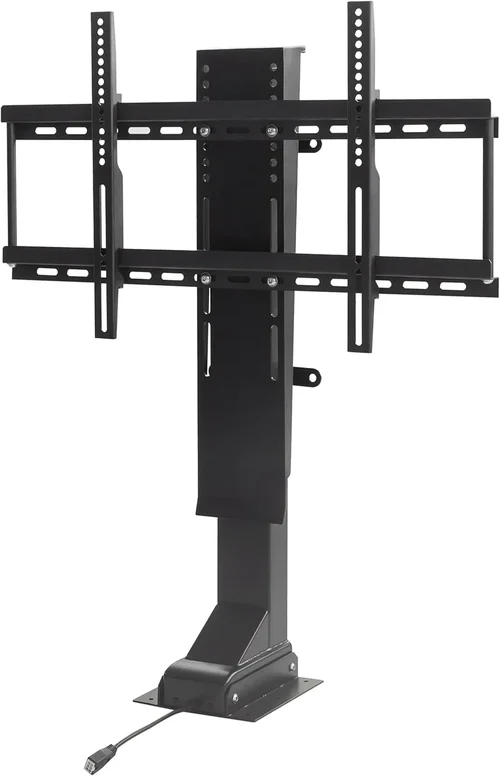
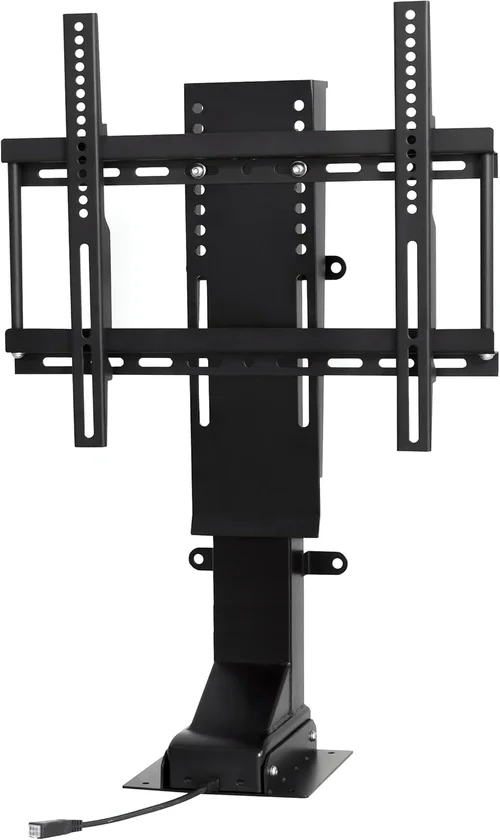
Outdoor viewing distances vary widely—from intimate patio setups (6–8 feet) to large pool decks (15+ feet). A 55-inch TV may be perfect for a small balcony but inadequate for a sprawling backyard. Use the 1.5x rule: multiply your viewing distance (in inches) by 1.5 to get the ideal screen diagonal. For example, at 12 feet (144 inches), aim for a 70–75 inch display. Also consider mounting options: full-motion articulating arms allow you to angle the screen away from direct sun, while fixed mounts save space. Ensure the TV is VESA-compatible and rated for outdoor use—indoor mounts can rust or fail under constant heat exposure.
Different Types of Buying Guide

Common Buying Mistakes to Avoid
❌ Mistake: Buying an Indoor TV with a Weatherproof Cover
Why it’s bad: Indoor TVs lack thermal management and aren’t designed for constant heat exposure. Even with a cover, internal components overheat, leading to premature failure, color distortion, or complete shutdown. Covers also trap heat, creating a greenhouse effect.
What to do instead: Invest in a true outdoor TV with active cooling and sealed construction. If budget is tight, choose a partial-shade model and install it under a solid roof or pergola with shade cloth.
❌ Mistake: Ignoring the IP Rating
Why it’s bad: A TV labeled “weather-resistant” without a clear IP rating may only handle light splashes—not the dust storms, humidity, or rain common in hot climates. Over time, unsealed units accumulate moisture inside, causing corrosion and electrical shorts.
What to do instead: Always verify the IP rating. For full sun and rain exposure, demand IP65 or higher. Check independent reviews to confirm real-world sealing performance.
❌ Mistake: Overlooking Brightness Specs
Why it’s bad: A dim screen (under 1,000 nits) becomes unwatchable in direct sunlight, forcing you to watch only at dawn or dusk. You’ll miss prime outdoor entertainment hours.
What to do instead: Prioritize TVs with 1,500+ nits and anti-glare coatings. Look for “sunlight readable” in product descriptions and user reviews.
❌ Mistake: Choosing OLED for Full Sun
Why it’s bad: OLEDs degrade faster under high heat and bright ambient light. Pixel burn-in risk increases with static content, and peak brightness is limited compared to QLED/LED.
What to do instead: Stick with high-brightness QLED or LED LCD panels for hot, sunny backyards. Save OLED for shaded or indoor use.
❌ Mistake: Skimping on Mounting Hardware
Why it’s bad: Standard indoor mounts rust quickly in humid, salty, or high-heat environments. Loose or corroded mounts can cause the TV to fall, creating safety hazards.
What to do instead: Use marine-grade stainless steel or powder-coated aluminum mounts rated for outdoor use. Ensure they’re compatible with your TV’s VESA pattern and weight.
❌ Mistake: Not Checking Warranty Terms
Why it’s bad: Many warranties void coverage if the TV is used in “extreme temperatures” or “non-climate-controlled environments.” You could pay full repair costs after a heat-related failure.
What to do instead: Read the fine print. Choose brands that explicitly cover high-temperature operation and offer in-home service in your area.
❌ Mistake: Buying Based Solely on Price
Why it’s bad: Cheaper outdoor TVs often cut corners on cooling, sealing, and component quality. You may save $500 upfront but spend $1,200 on replacements within two years.
What to do instead: Treat this as a long-term investment. Mid-range models ($2,000–$3,500) typically offer the best balance of performance, durability, and value for hot climates.
Budget Guidelines: How Much Should You Spend?
Entry-Level ($800–$1,500): These are typically indoor/outdoor convertible models or basic partial-shade TVs. Expect passive cooling, IP55 rating, and brightness around 1,000 nits. Best for covered patios in milder parts of hot climates (e.g., evenings only). Brands like Seura and some Vizio outdoor lines fall here. Ideal for casual viewers who don’t need all-day sun visibility.
Mid-Range ($1,800–$3,500): This is the sweet spot for most homeowners in hot climates. You’ll get active cooling, IP65 sealing, 1,500–2,000 nits brightness, and reliable smart platforms. Models like the SunBrite Veranda Series and Samsung Terrace QLED offer excellent performance without luxury pricing. These TVs handle full sun for several hours daily and come with solid 3–5 year warranties.
Premium ($3,500–$6,000): Designed for enthusiasts and those with expansive outdoor spaces. Features include ultra-high brightness (2,000+ nits), advanced thermal regulation, commercial-grade materials, and enhanced audio. The SunBrite Pro Series and LG UltraBright Outdoor TVs dominate this tier. Perfect for pool parties, sports bars, or homes with large viewing distances.
Luxury ($6,000+): Reserved for commercial installations or ultra-high-net-worth buyers. These are essentially outdoor digital signage repurposed for residential use—think 24/7 operation, 3,000+ nits, redundant cooling, and custom calibration. Brands like Peerless-AV and Planar offer these solutions. Overkill for most homes but unmatched in durability and performance.
Expert Tips for Getting the Best Deal
1. Buy During Off-Season: Outdoor TV sales peak in spring and summer. Shop in late fall or winter (November–February) for discounts up to 25%. Retailers clear inventory before new models launch.
2. Compare Direct vs. Retail: Brands like SunBrite and Seura sell directly online with better warranties and bundles. Big-box stores may offer price matching but often exclude outdoor electronics.
3. Look for Bundled Mounts: Many manufacturers include premium outdoor mounts with TV purchases—saving $150–$300. Check package details before buying separately.
4. Verify Return Policies: Outdoor TVs are bulky and expensive to return. Ensure the retailer offers at least 30 days for testing and accepts returns if the TV doesn’t perform in your specific climate.
5. Test in Real Conditions: If possible, visit a local dealer or friend’s setup to view the TV in midday sun. Brightness and glare performance vary significantly between models.
6. Negotiate Extended Warranties: Some retailers waive extended warranty fees if you buy during promotions. Alternatively, use credit card purchase protection for added coverage.
7. Consider Refurbished Units: Manufacturer-refurbished outdoor TVs often come with full warranties and sell for 20–30% less. Avoid third-party refurbishers unless certified.
8. Join Owner Forums: Communities like AVS Forum and Reddit’s r/outdoortv share deal alerts, installation tips, and real-world performance data you won’t find in ads.
Frequently Asked Questions
Q: Can I use a regular TV outdoors if I cover it?
A: Technically yes, but it’s not recommended for hot climates. Indoor TVs lack thermal regulation and will overheat, even under cover. The enclosed space traps heat, accelerating component failure. For reliable, long-term use, invest in a purpose-built outdoor model.
Q: How do I know if my backyard gets “full sun”?
A: If your seating area receives direct sunlight for more than 3 hours between 10 AM and 4 PM, it’s considered full sun. Use a sun calculator app or observe shadow patterns over a week. Full-sun areas require TVs with 2,000+ nits and active cooling.
Q: Will an outdoor TV work in winter or cooler months?
A: Absolutely. Most outdoor TVs operate safely from -22°F to 122°F (-30°C to 50°C). In fact, cooler temperatures improve performance and reduce cooling system workload. Just ensure the model is rated for your region’s full temperature range.
Q: Do outdoor TVs consume more power due to cooling?
A: Slightly. Active cooling adds 10–30 watts to power draw, but modern systems are efficient. A 65-inch outdoor TV typically uses 150–250 watts total—comparable to a high-end indoor model. Energy costs remain reasonable for occasional use.
Q: Can I install an outdoor TV myself?
A: If you’re experienced with electrical work and mounting heavy objects, yes—but professional installation is strongly advised. Improper mounting can void warranties, create safety risks, and lead to water intrusion. Most manufacturers require certified installers for warranty validation.
Q: How often do outdoor TVs need maintenance?
A: Minimal. Wipe the screen monthly with a microfiber cloth and check seals annually for cracks or wear. Cooling vents should be dusted every 6 months. No internal servicing is needed unless a component fails.
Q: Are outdoor TVs compatible with streaming devices?
A: Yes. Most include HDMI ports for Fire Stick, Apple TV, or Roku. However, for best performance, use the built-in smart platform to reduce heat from external devices. Ensure streaming boxes are also housed in weatherproof enclosures if mounted outdoors.
Q: What happens if my outdoor TV gets rained on?
A: If it’s truly IP65-rated, rain won’t damage it. Water may temporarily affect touch controls or audio, but the internal electronics remain protected. Avoid spraying high-pressure water directly at ports or seams.
Q: Can I leave my outdoor TV on all day in the heat?
A: Only if it’s a commercial-grade or Pro-series model rated for 24/7 operation. Consumer outdoor TVs should be turned off during peak heat (12–3 PM) to prolong lifespan. Use a smart plug with scheduling to automate this.
Q: Do outdoor TVs come with soundbars?
A: Rarely. Most rely on built-in speakers, which are adequate for casual listening but lack bass and volume for large spaces. Pair with a weatherproof soundbar or outdoor speakers for immersive audio.
Our Final Recommendations
Best for Budget-Conscious Buyers: SunBrite Veranda Series (55”) – At around $2,200, it offers IP55 rating, 1,500 nits brightness, and reliable passive cooling. Ideal for covered patios in hot climates where full sun is limited.
Best Overall Value: Samsung The Terrace QLED (65”) – Priced near $3,200, it delivers 2,000 nits, IP55, active cooling, and excellent color accuracy. Its smart platform is intuitive, and the warranty covers high-temperature use.
Best Premium Option: SunBrite Pro Series (75”) – For $5,500, you get IP65, 2,500 nits, dual cooling fans, and military-grade durability. Perfect for full-sun backyards and commercial-grade reliability.
Best for Beginners: Seura Shadow Series (50”) – At $1,800, it’s user-friendly with simple setup, good brightness (1,200 nits), and a sleek design. Great for first-time outdoor TV owners.
Best for Advanced Users: LG UltraBright Outdoor TV (70”) – With webOS, 2,200 nits, and customizable calibration, it’s ideal for tech-savvy users who want fine-tuned control over picture and sound.
Conclusion: Making the Right Choice
Choosing the right outdoor TV for a hot climate isn’t just about picking the shiniest screen—it’s about understanding how heat, sunlight, and weather interact with electronics. From thermal management and IP ratings to brightness and build quality, every detail matters when your TV faces triple-digit temperatures day after day. By prioritizing active cooling, high luminance, and robust sealing, you’ll ensure years of reliable entertainment under the sun.
Remember, the cheapest option is rarely the most cost-effective. Invest wisely in a model that matches your specific environment and usage patterns. Whether you’re hosting summer barbecues, watching the big game by the pool, or enjoying quiet evenings under the stars, the right outdoor TV transforms your backyard into a true extension of your home.
Take the time to assess your space, compare real-world performance, and consult expert reviews. And when you’re ready to buy, use the tips in this guide to secure the best deal without compromising on quality. Your perfect outdoor viewing experience is within reach—just make sure it’s built to last in the heat.

