
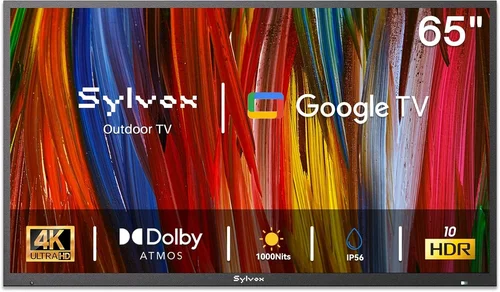
Outdoor living spaces have evolved dramatically over the past decade, and for homeowners in coastal regions, the backyard is no longer just a place for grilling or lounging—it’s a full-fledged entertainment zone. Whether you’re hosting sunset cocktail parties, watching the big game under string lights, or enjoying a quiet movie night with family, having a reliable outdoor TV can transform your outdoor experience. But not all TVs are built to withstand the unique challenges of coastal environments. Salt air, high humidity, intense sunlight, and frequent temperature swings can wreak havoc on standard electronics, leading to corrosion, screen damage, and premature failure.
That’s why choosing the right backyard TV for a coastal home isn’t just about picture quality or smart features—it’s about durability, resilience, and long-term performance in harsh conditions. This comprehensive buying guide is designed to help you navigate the complex landscape of outdoor televisions with a specific focus on homes near the ocean. We’ll break down the critical factors you need to consider, compare different types of outdoor TVs, highlight common pitfalls, and offer expert-backed recommendations to ensure you make a smart, lasting investment.
By the end of this guide, you’ll understand exactly what to look for in a coastal-ready outdoor TV, how to balance budget with performance, and which models offer the best value for your specific needs. Whether you’re upgrading an existing setup or building your dream outdoor entertainment space from scratch, this guide will equip you with the knowledge to choose wisely and enjoy years of reliable service—rain, shine, or salty breeze.

What to Look for When Buying Buying Guide
1. Weather Resistance & IP Rating
When it comes to outdoor TVs in coastal areas, weather resistance isn’t optional—it’s essential. Salt air is highly corrosive and can degrade metal components, circuit boards, and even screen coatings over time. High humidity levels common in coastal climates can lead to condensation inside electronics, causing short circuits or mold growth. Additionally, intense UV exposure from the sun can fade screens and degrade plastic housings.
The first thing to check is the TV’s Ingress Protection (IP) rating. This two-digit code indicates how well the device resists dust and water. For coastal homes, look for a minimum IP55 rating—this means the TV is protected against dust (limited ingress) and water jets from any direction. However, for maximum durability, aim for IP65 or higher. An IP65-rated TV is dust-tight and protected against low-pressure water jets, making it ideal for seaside environments where salt spray and rain are frequent.
Beyond the IP rating, examine the materials used in the TV’s construction. Look for marine-grade aluminum or stainless steel enclosures, which resist rust and corrosion far better than standard steel or plastic. Some premium models also feature anti-corrosion coatings or conformal coatings on internal circuitry to further protect against salt damage. Always verify that the manufacturer specifically markets the TV as “coastal-ready” or “marine-rated”—generic “outdoor” labels don’t always account for the extreme conditions found near oceans.
2. Screen Brightness & Anti-Glare Technology
One of the biggest challenges with outdoor TVs—especially in sunny coastal areas—is screen visibility. Standard indoor TVs typically have brightness levels around 300–500 nits, which is fine for dimly lit rooms but completely inadequate outdoors. In bright daylight, reflections and glare can make the screen nearly impossible to see, ruining your viewing experience.
For coastal homes, you’ll want a TV with a minimum brightness of 700 nits, but ideally 1,000 nits or higher. High brightness ensures that images remain clear and vibrant even under direct sunlight. Many outdoor TVs now feature high-luminance LED backlighting or OLED panels optimized for outdoor use. Additionally, look for anti-reflective or anti-glare screen coatings. These reduce the amount of light bouncing off the surface, improving contrast and color accuracy in bright conditions.
Another key feature is local dimming or HDR (High Dynamic Range) support. HDR enhances the range of colors and contrast, making bright skies and dark ocean waves look more realistic. While not all outdoor TVs support full HDR10 or Dolby Vision, even basic HDR compatibility can significantly improve image quality. Some models also include ambient light sensors that automatically adjust brightness based on surrounding light conditions—a useful feature for transitioning from day to night viewing.
Finally, consider the screen type. OLED panels offer superior contrast and viewing angles but can be more susceptible to burn-in and may degrade faster under constant high brightness. LED/LCD panels are more durable and better suited for long-term outdoor use, especially when paired with quantum dot technology for improved color reproduction.
3. Build Quality & Durability
Durability goes beyond just weather resistance—it encompasses the entire structural integrity of the TV. Coastal environments are tough on electronics, and a poorly built TV will fail prematurely, no matter how high its IP rating. Start by examining the chassis and mounting hardware. The frame should be made of corrosion-resistant materials like powder-coated aluminum or stainless steel. Avoid TVs with plastic casings or thin metal that can warp or rust over time.
Internal components are equally important. Look for TVs with sealed cooling systems that prevent moisture and salt from entering the unit. Some manufacturers use passive cooling (no fans) to reduce the risk of dust and salt ingress, while others incorporate filtered ventilation systems. Fan-based cooling can be effective but increases the risk of corrosion if not properly sealed.
The screen itself should be made of tempered glass or reinforced acrylic to resist scratches, impacts, and UV degradation. Some premium models feature laminated screens with multiple protective layers. Also, check the quality of the seals around the screen and ports. Silicone gaskets and rubberized seals help maintain the IP rating by preventing water and dust from seeping in.
Mounting is another critical factor. Coastal winds can be strong, so the TV must be securely anchored. Look for models that include heavy-duty mounting brackets or are compatible with marine-grade wall mounts. Ensure the mounting system allows for tilt and swivel adjustments so you can optimize the viewing angle and minimize glare from the sun or water reflections.
4. Smart Features & Connectivity
Modern outdoor TVs aren’t just about durability—they’re also packed with smart features that enhance convenience and functionality. Most outdoor models now come with built-in Wi-Fi, Bluetooth, and streaming capabilities, allowing you to access Netflix, YouTube, Disney+, and other platforms without needing an external device.
Look for TVs with updated operating systems like Android TV, webOS, or Roku TV. These platforms offer regular software updates, a wide app selection, and voice control via Google Assistant or Amazon Alexa. Voice control is especially useful outdoors, where typing on a remote can be cumbersome. Some models even include weather-resistant voice remotes with backlit buttons for nighttime use.
Connectivity options are crucial for flexibility. Ensure the TV has multiple HDMI ports (at least two, preferably three), USB ports for media playback, and an Ethernet port for a stable wired connection. If you plan to connect a soundbar, gaming console, or streaming stick, having enough ports prevents the need for constant swapping. Some TVs also support wireless screen mirroring from smartphones or tablets, which is great for sharing photos or videos during gatherings.
For coastal homes with limited indoor-outdoor wiring, consider models with built-in 4K upscaling and strong Wi-Fi reception. Thick walls, metal roofs, and distance from the router can weaken signals, so a TV with a high-gain antenna or mesh Wi-Fi compatibility can make a big difference. Some manufacturers offer optional Wi-Fi extenders designed specifically for outdoor use.
5. Audio Performance & Sound Solutions
While picture quality often takes center stage, audio is just as important for an immersive outdoor experience. Standard TV speakers are usually underpowered and can struggle to deliver clear sound in open spaces, especially with background noise from waves, wind, or nearby traffic.
Many outdoor TVs come with enhanced built-in speakers, but for the best results, consider pairing your TV with a dedicated outdoor sound system. Look for TVs that support external audio outputs like optical audio, HDMI ARC, or Bluetooth. This allows you to connect weather-resistant speakers, soundbars, or even a full outdoor audio setup with multiple zones.
If you prefer a simpler solution, some outdoor TVs include built-in subwoofers or bass enhancement technology to improve low-frequency response. However, for deep, room-filling sound, external speakers are almost always necessary. Choose speakers with similar weather resistance ratings (IP55 or higher) and marine-grade materials to match your TV’s durability.
Another consideration is audio synchronization. When using wireless speakers or soundbars, latency can cause a delay between the video and audio. Look for TVs with low-latency audio codecs like aptX or support for HDMI eARC, which ensures perfect sync even with high-quality audio streams.
6. Size & Viewing Distance
Choosing the right screen size is about more than just preference—it’s about optimizing the viewing experience based on your outdoor space. A TV that’s too small will be hard to see from a distance, while one that’s too large can overwhelm the area and strain your eyes.
A good rule of thumb is to measure the distance from the TV to the primary seating area and divide by 1.5 to 2.5. For example, if your seating is 10 feet away, a 40- to 65-inch TV would be appropriate. Coastal backyards often have open layouts, so consider how far guests might be sitting—especially if you host large gatherings.
Also, think about the TV’s placement. Will it be mounted on a wall, placed on a stand, or installed in a weatherproof enclosure? Wall mounting saves space and reduces the risk of theft or damage, but requires careful planning for cable management and viewing angle. Enclosures offer maximum protection but can limit airflow and make maintenance more difficult.
Finally, consider the aspect ratio and resolution. Most outdoor TVs are 16:9, but some ultra-wide models are available for panoramic views. Resolution should be at least 4K (3840 x 2160) for sharp, detailed images, especially on larger screens. While 8K TVs exist, they’re overkill for most outdoor uses and come with a significant price premium.
7. Brand Reputation & Reliability
Not all outdoor TV brands are created equal. Some specialize in rugged, weather-resistant models designed specifically for harsh environments, while others repurpose indoor TVs with minor modifications. Choosing a reputable brand can mean the difference between a TV that lasts five years and one that fails after one storm season.
Look for manufacturers with a proven track record in outdoor electronics. Brands like SunBriteTV, Seura, and Peerless are well-known for their durable, high-performance outdoor TVs. These companies often conduct extensive testing in real-world conditions, including salt fog chambers, UV exposure, and thermal cycling, to ensure reliability.
Customer reviews and professional ratings are also valuable resources. Check forums, YouTube reviews, and third-party testing sites for feedback from other coastal homeowners. Pay attention to comments about long-term durability, customer service, and ease of installation. A brand with responsive support and a strong warranty is more likely to stand behind its products.
Avoid generic or off-brand TVs sold as “outdoor-ready” without clear specifications. These often lack proper sealing, use inferior materials, and have limited support. While they may be cheaper upfront, the cost of replacement or repair can quickly outweigh the savings.
8. Warranty & Support
A comprehensive warranty is a strong indicator of a manufacturer’s confidence in their product. For coastal homes, where environmental stressors are constant, a robust warranty can provide peace of mind and protect your investment.
Look for warranties that cover at least three years, with some premium brands offering five years or more. The warranty should include protection against corrosion, water damage, and manufacturing defects. Be sure to read the fine print—some warranties exclude damage from salt air or require professional installation to remain valid.
Customer support is equally important. Choose a brand with accessible technical support, preferably with phone, email, and live chat options. Some companies offer on-site service or expedited replacement programs, which can be a lifesaver if your TV fails during peak entertainment season.
Additionally, check if the manufacturer provides detailed installation guides, compatibility lists for mounts and enclosures, and software update schedules. Regular firmware updates can improve performance, fix bugs, and extend the TV’s lifespan.

