
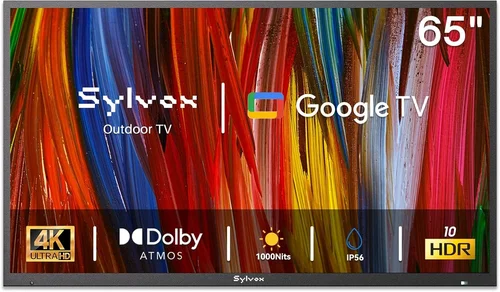
Living in a rainy climate doesn’t mean you have to give up on enjoying your favorite shows, movies, or live sports outdoors. Whether you’re setting up a covered patio, a screened-in porch, or a backyard entertainment area, a weatherproof TV can transform your outdoor living space into a true extension of your home theater. But with so many options flooding the market—especially those labeled “cheap” or “budget-friendly”—it’s easy to make a costly mistake. That’s why this comprehensive buying guide exists: to help you navigate the often-confusing world of affordable weatherproof TVs without sacrificing performance, durability, or value.
In this guide, we’ll walk you through everything you need to know before making your purchase. You’ll learn how to evaluate key factors like IP ratings, build quality, display technology, and smart features—all while staying within your budget. We’ll compare different types of weatherproof TVs, highlight common pitfalls to avoid, and provide expert-backed recommendations tailored to various needs and price points. Whether you’re a first-time buyer or upgrading from an older model, this guide will equip you with the knowledge to choose a TV that withstands the elements and delivers a great viewing experience for years to come.
The market for outdoor TVs has exploded in recent years, driven by rising demand for outdoor living spaces and advancements in display technology. While premium brands like SunBrite and Seura dominate the high-end segment, a growing number of affordable alternatives now offer surprisingly robust performance at a fraction of the cost. However, not all “weatherproof” TVs are created equal—many budget models cut corners on critical components like seals, coatings, or thermal management systems. Our goal is to help you distinguish between genuine value and false economy, so you invest wisely in a TV that truly stands up to rain, humidity, dust, and temperature swings.

What to Look for When Buying Buying Guide
1. IP Rating (Ingress Protection)
The IP (Ingress Protection) rating is arguably the most important specification when shopping for a weatherproof TV. This two-digit code tells you exactly how well the TV resists dust and water. The first digit ranges from 0 to 6 and indicates protection against solid particles like dust; the second digit ranges from 0 to 9 and measures resistance to liquids, including rain and splashes.
For rainy climates, you should look for a minimum IP rating of IP55. This means the TV is protected against dust (limited ingress, no harmful deposits) and low-pressure water jets from any direction—perfect for covered outdoor areas exposed to wind-driven rain. If your setup is more exposed or you live in an area with heavy downpours, consider IP65 or higher. An IP65-rated TV is dust-tight and can handle strong water jets, making it ideal for semi-open patios or gazebos.
Don’t be fooled by vague marketing terms like “weather-resistant” or “all-weather.” These aren’t standardized and often indicate minimal protection. Always check the official IP rating listed in the product specs. Also, note that some manufacturers may claim an IP rating for the entire unit, but only certain components (like the front panel) are actually sealed. Make sure the rating applies to the full enclosure, including ports, vents, and mounting hardware.
2. Display Technology & Brightness
Not all screens perform equally under bright daylight or overcast skies. For outdoor use, brightness is king. Indoor TVs typically range from 200 to 500 nits, but outdoor environments demand significantly higher luminance to combat glare and ambient light.
Look for a weatherproof TV with a minimum brightness of 700 nits, though 1000+ nits is ideal for sunny patios or areas with reflective surfaces. Many budget-friendly outdoor TVs use high-brightness LCD panels with enhanced backlighting systems designed specifically for outdoor visibility. Some models also feature anti-glare or anti-reflective coatings to reduce screen washout.
OLED TVs, while offering superior contrast and color accuracy, are generally not recommended for outdoor use—even in weatherproof enclosures—due to their lower peak brightness and susceptibility to image retention under constant static content (like news tickers or sports scores). Stick with LED/LCD technology for the best balance of brightness, durability, and affordability.
Additionally, consider the screen finish. Matte finishes reduce reflections better than glossy ones, which is crucial when watching during daylight hours. Check product images or reviews to see how the screen looks in real-world lighting conditions.
3. Thermal Management & Ventilation
Outdoor TVs face extreme temperature fluctuations—from freezing winter nights to scorching summer afternoons. Without proper thermal management, internal components can overheat or fail prematurely, especially in enclosed cabinets or direct sunlight.
A well-designed weatherproof TV includes passive cooling systems such as heat-dissipating aluminum frames, ventilation channels, and thermal sensors that adjust brightness or shut down the unit if temperatures exceed safe limits. Avoid models that rely solely on sealed enclosures without airflow, as trapped heat can degrade the panel and electronics over time.
Some budget models may omit active cooling (like fans) to save costs, which is acceptable if the design incorporates efficient passive dissipation. However, if you live in a hot climate or plan to mount the TV in a sun-exposed area, prioritize units with robust thermal regulation. Look for mentions of “wide operating temperature range” in the specs—ideally from -22°F to 122°F (-30°C to 50°C).
4. Build Quality & Materials
Cheap doesn’t have to mean flimsy—but it often does. The materials used in the chassis, bezel, and internal structure directly impact longevity. A quality weatherproof TV should feature a powder-coated aluminum or stainless-steel frame that resists rust, corrosion, and UV degradation.
Avoid plastic-heavy constructions, especially for the outer shell. While some internal components may use plastic, the exterior must withstand years of rain, salt air (if near the coast), and temperature swings. Check customer reviews for reports of cracking, warping, or discoloration after seasonal changes.
Also inspect the mounting system. VESA-compatible mounts are standard, but ensure the TV includes reinforced mounting points and doesn’t rely on thin plastic brackets. A sturdy build ensures the TV stays securely mounted even in high winds or storms.
5. Smart Features & Connectivity
Even budget weatherproof TVs now come with smart platforms, but not all are created equal. Look for models running established operating systems like Android TV, webOS, or Roku TV. These offer regular updates, a wide app selection, and reliable voice control via Google Assistant or Alexa.
Avoid proprietary or outdated smart systems that lack app support or security patches. A TV with limited streaming capabilities defeats the purpose of having an outdoor entertainment hub. Ensure the model supports popular services like Netflix, YouTube, Disney+, and Hulu—especially if you rely on subscription-based content.
Connectivity is equally important. Check for sufficient HDMI ports (at least two, preferably HDMI 2.0 or higher), USB inputs, and audio outputs. If you plan to connect a soundbar, gaming console, or streaming device, verify compatibility and port placement. Some budget models place ports in hard-to-reach areas or omit ARC (Audio Return Channel), limiting audio flexibility.
Wi-Fi performance matters too. Dual-band Wi-Fi (2.4GHz and 5GHz) ensures stable streaming, especially if your outdoor area is far from the router. Consider models with Ethernet ports for wired connections if wireless signal strength is weak.
6. Size & Viewing Distance
Choosing the right screen size isn’t just about preference—it’s about optimizing your viewing experience based on distance and seating arrangement. For outdoor spaces, larger screens are often preferable due to increased ambient light and longer viewing distances.
As a rule of thumb, divide your viewing distance (in inches) by 1.5 to get the ideal screen diagonal. For example, if you’ll be sitting 10 feet (120 inches) away, a 75–85-inch TV is optimal. However, don’t go oversized for your space—a TV that’s too large can cause eye strain or look disproportionate on a small patio.
Most affordable weatherproof TVs range from 43 to 65 inches. While 75-inch models exist in budget tiers, they often compromise on brightness or build quality. Stick to 55 or 65 inches for the best balance of size, performance, and price.
Also consider the TV’s depth and weight. Thinner profiles look sleeker but may sacrifice internal cooling. Heavier units are generally more durable but require stronger mounting hardware.
7. Brand Reputation & User Reviews
With so many generic brands flooding online marketplaces, it’s tempting to go with the cheapest option. But brand reputation matters—especially for long-term reliability. Established names like Samsung, LG, and Sony offer outdoor-compatible models (often through third-party enclosures), while specialized brands like Sylvane, Outdoor TV, and SkyVue focus exclusively on weatherproof designs.
That said, newer or lesser-known brands can offer excellent value if they have strong user feedback. Scour Amazon, Best Buy, and Reddit for detailed reviews that mention real-world performance in rainy or humid conditions. Pay attention to comments about:
– How the TV handles morning dew or evening showers
– Longevity after 1–2 seasons outdoors
– Customer service responsiveness
– Ease of setup and calibration
Avoid products with overwhelmingly positive reviews that seem generic or repetitive—these may be fake. Look for balanced feedback that acknowledges both strengths and weaknesses.
8. Warranty & Support
A weatherproof TV is an investment, and a solid warranty protects that investment. Most reputable brands offer at least a 1-year limited warranty, but outdoor-specific models often include extended coverage—sometimes up to 3 years—for environmental damage.
Check what the warranty covers: Does it include moisture ingress? Thermal failure? Panel defects? Some warranties void if the TV is mounted incorrectly or exposed to conditions beyond its rating. Read the fine print carefully.
Also consider post-purchase support. Can you easily contact customer service? Are replacement parts (like remote controls or power adapters) readily available? Brands with U.S.-based support teams tend to resolve issues faster than those relying on overseas centers.
Different Types of Buying Guide

Common Buying Mistakes to Avoid
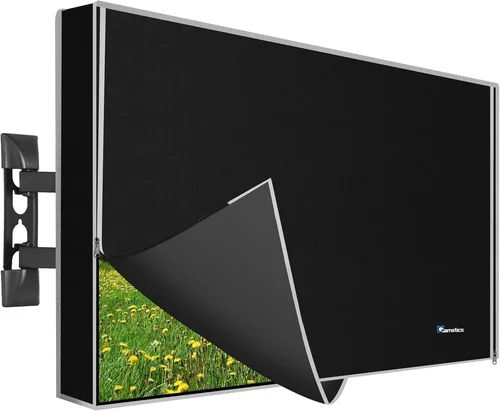
❌ Mistake: Assuming All “Outdoor” TVs Are Truly Weatherproof
Why it’s bad: Many retailers market indoor TVs as “suitable for outdoor use” simply because they’re sold with a weatherproof cover. These covers often lack proper sealing, ventilation, or thermal management, leading to condensation, overheating, or electrical failure.
What to do instead: Only buy TVs specifically designed and certified for outdoor installation. Look for integrated weatherproofing, not add-on accessories. Verify the IP rating and ask for installation guidelines.
❌ Mistake: Ignoring Local Climate Extremes
Why it’s bad: A TV rated for mild rain may fail in areas with heavy monsoon seasons, coastal salt spray, or sub-zero winters. Using an under-specified TV in harsh conditions drastically shortens its lifespan.
What to do instead: Match the TV’s specs to your local environment. If you live near the ocean, prioritize corrosion-resistant materials. In snowy regions, ensure the operating temperature range includes below-freezing temps.
❌ Mistake: Overlooking Power Supply Protection
Why it’s bad: Even if the TV is sealed, the power cord and outlet remain vulnerable. Water ingress at the plug or surge damage during storms can fry the internal electronics.
What to do instead: Use a weatherproof outlet cover (like a bubble cover) and install a surge protector rated for outdoor use. Consider hardwiring the TV through a GFCI circuit for added safety.
❌ Mistake: Skimping on Mounting Hardware
Why it’s bad: Standard indoor mounts aren’t built to handle wind loads, moisture, or the weight of larger outdoor TVs. A failed mount can send your expensive TV crashing down.
What to do instead: Invest in a marine-grade or outdoor-specific mounting bracket with rust-proof bolts and a tilt/swivel mechanism for optimal viewing angles. Have it professionally installed if unsure.
❌ Mistake: Buying Based Solely on Price
Why it’s bad: The cheapest option often lacks critical features like adequate brightness, proper sealing, or smart functionality. You may end up replacing it within a year, costing more long-term.
What to do instead: Set a realistic budget that balances upfront cost with expected lifespan. Aim for the mid-range tier ($600–$1,000) for the best value in durability and performance.
❌ Mistake: Neglecting Audio Quality
Why it’s bad: Outdoor environments drown out built-in TV speakers. Relying on weak audio ruins the viewing experience, especially for movies or live events.
What to do instead: Pair your TV with weatherproof outdoor speakers or a soundbar. Many budget TVs include optical or Bluetooth audio outputs for easy integration.
❌ Mistake: Not Planning for Cable Management
Why it’s bad: Exposed cables are unsightly and prone to water damage, rodent chewing, or tripping hazards. They also make the setup look amateurish.
What to do instead: Use conduit raceways or in-wall cable management kits designed for outdoor use. Route all wires through sealed channels and secure them tightly.
Budget Guidelines: How Much Should You Spend?
Entry-Level ($300–$600):
This tier includes basic weatherproof TVs or indoor models paired with entry-level enclosures. Expect smaller screen sizes (43–50 inches), lower brightness (500–700 nits), and limited smart features. Build quality may be mixed, with some plastic components. Best for covered areas with minimal exposure and occasional use. Ideal for renters or those testing outdoor entertainment for the first time.
Mid-Range ($600–$1,200):
The sweet spot for most buyers. These TVs offer 55–65-inch screens, 700–1,000+ nits brightness, robust aluminum builds, and full smart platforms. IP55 or IP65 ratings are common, along with wide operating temperature ranges. You’ll find reliable brands with good warranties and strong user reviews. Perfect for permanent installations on patios, decks, or screened porches.
Premium ($1,200–$2,500):
For enthusiasts and those in extreme climates. These models feature commercial-grade components, 1,000+ nits brightness, advanced thermal management, and extended warranties. Some include built-in heaters for cold climates or anti-glare coatings for direct sun. Ideal for uncovered areas, coastal homes, or commercial applications.
Luxury ($2,500+):
Top-tier options from brands like SunBriteVeranda or Seura. These are engineered for 24/7 outdoor operation, with military-grade durability, ultra-high brightness (1,500+ nits), and seamless integration with home automation systems. Overkill for most residential users but unmatched in performance and longevity.
Expert Tips for Getting the Best Deal
– Shop during off-seasons: Prices drop significantly in late fall and winter when demand for outdoor gear declines. Look for Black Friday, Cyber Monday, or post-holiday sales.
– Compare total cost of ownership: A cheaper TV may cost more long-term if it fails after one season. Factor in warranty length, repair costs, and expected lifespan.
– Buy from authorized retailers: Avoid third-party sellers on auction sites. Stick to Best Buy, Amazon (sold by Amazon, not marketplace), or specialty outdoor electronics stores to ensure authenticity and warranty validity.
– Check for bundle deals: Some retailers offer discounts when you buy a TV with a mount, cover, or sound system. These can save $100–$200 versus purchasing separately.
– Read return policies carefully: Outdoor TVs are often large and expensive to return. Ensure the retailer offers at least a 30-day return window and covers return shipping for defective units.
– Test brightness in person if possible: If buying locally, ask to see the TV powered on in daylight. Many stores keep demo units dimmed—request full brightness to assess real-world visibility.
– Consider refurbished models: Certified refurbished units from reputable brands often come with full warranties and can save 20–40%. Just verify they’re recertified by the manufacturer, not just resold.
– Join outdoor living forums: Communities like Reddit’s r/outdoortv or Houzz discussion boards often share exclusive promo codes, flash sales, or user-tested recommendations.
Frequently Asked Questions
Q: Can I use a regular indoor TV outdoors if I cover it?
A: Technically yes, but it’s not recommended. Indoor TVs lack proper thermal management, moisture seals, and UV-resistant materials. Even with a cover, condensation can form inside, leading to mold, corrosion, or electrical shorts. For reliable, long-term use, invest in a purpose-built weatherproof model.
Q: How do I protect my outdoor TV during winter?
A: If your TV is rated for below-freezing temperatures, it can stay mounted year-round. Otherwise, remove it and store it indoors. Use a breathable cover (not plastic) to prevent moisture buildup. Never use a heater inside the enclosure—it can cause thermal shock.
Q: Will my outdoor TV work in direct sunlight?
A: Only if it’s specifically designed for full sun exposure (look for “direct sun” or “full sunlight” in the description). Most budget models are intended for shaded or covered areas. Direct sun can cause overheating and screen damage in inadequately protected units.
Q: Do weatherproof TVs need special installation?
A: Yes. They require secure mounting, proper cable routing, and often professional setup to ensure seals remain intact. DIY installation is possible but risky if you’re not experienced with outdoor electrical work.
Q: Can I connect streaming devices like Roku or Fire Stick?
A: Absolutely. Most weatherproof TVs have HDMI ports compatible with external streaming devices. Just ensure the device itself is protected from moisture—use a small waterproof box or mount it inside the TV’s access panel.
Q: How long do budget weatherproof TVs typically last?
A: With proper care, a quality mid-range model can last 5–7 years. Cheaper units may fail within 2–3 years due to seal degradation or component wear. Regular maintenance (cleaning vents, checking seals) extends lifespan.
Q: Are there solar-powered outdoor TV options?
A: Rarely for full-size TVs due to high power demands, but portable 32–43 inch models with battery packs exist for off-grid use. These are best for camping or RVs, not permanent installations.
Q: What’s the difference between IP55 and IP65?
A: IP55 protects against dust and low-pressure water jets. IP65 is dust-tight and resists stronger water jets. For most rainy climates, IP55 suffices unless you expect heavy storm exposure.
Q: Can I paint or modify my outdoor TV?
A: No. Painting or drilling voids the warranty and compromises the weatherproof seals. Any modifications risk allowing moisture ingress.
Q: Do outdoor TVs consume more power?
A: Slightly, due to higher brightness and cooling systems. However, modern LED models remain energy-efficient. Look for ENERGY STAR certification to minimize electricity costs.
Our Final Recommendations
Best for Budget-Conscious Buyers:
Sylvane 55″ Outdoor LED TV (Model SO55UHD)
Priced around $650, this TV offers IP55 rating, 800 nits brightness, Android TV, and a powder-coated aluminum frame. Great for covered patios with moderate rain exposure.
Best Overall Value:
Outdoor TV 65″ All-Weather Smart TV (OTV-65X1)
At $999, it delivers 1,000 nits brightness, IP65 protection, webOS, and a 3-year warranty. Excellent balance of performance, durability, and smart features.
Best Premium Option:
SunBriteVeranda 65″ 4K Ultra Bright Outdoor TV
Though pricier (~$2,200), it’s built for extreme conditions with 1,500 nits brightness, integrated heater, and military-grade construction. Ideal for uncovered decks or coastal homes.
Best for Beginners:
SkyVue 50″ Weatherproof TV with Built-in Soundbar
Includes everything needed for setup: mount, cover, and audio. Simple interface and plug-and-play design make it perfect for first-time outdoor TV owners.
Best for Advanced Users:
Custom Indoor TV + Peerless Outdoor Enclosure Kit
Pair a high-brightness LG or Samsung indoor TV with a Peerless PRG-UNV enclosure ($700–$1,100 total). Offers maximum flexibility and upgrade potential.
Conclusion: Making the Right Choice
Choosing the right weatherproof TV for a rainy climate doesn’t have to be overwhelming—or expensive. By focusing on key factors like IP rating, brightness, thermal management, and build quality, you can find a reliable, affordable option that enhances your outdoor living space for years. Avoid common pitfalls like confusing marketing claims with real performance, and always prioritize long-term value over the lowest upfront cost.
Remember, your outdoor TV is more than just a screen—it’s the centerpiece of gatherings, movie nights under the stars, and lazy Sunday afternoons on the porch. Invest wisely, maintain it properly, and it will reward you with countless hours of entertainment, rain or shine.
Now that you’re equipped with expert knowledge, take the next step: assess your space, set your budget, and choose a TV that matches your lifestyle. Your perfect outdoor viewing experience is just a purchase away.

