
Outdoor football viewing has evolved dramatically over the past decade. What once meant huddling around a small portable TV under a pop-up canopy has transformed into full-scale backyard stadium experiences complete with sound systems, seating areas, and—most importantly—weatherproof televisions built to withstand the elements. Whether you’re hosting a Super Bowl party, catching every touchdown during a rainy Sunday game, or simply enjoying a crisp autumn afternoon with friends, having a reliable outdoor TV can make all the difference. But finding an affordable yet durable option that delivers solid picture quality in direct sunlight or light rain? That’s where things get tricky.
That’s exactly why this comprehensive buying guide exists. We’ve spent months researching, testing, and comparing budget-friendly weatherproof TVs specifically designed for outdoor use—especially for sports fans who refuse to miss a single play due to glare, moisture, or temperature swings. In this guide, you’ll learn how to identify the best value options without overspending, understand which specs truly matter for outdoor viewing, avoid common pitfalls, and ultimately choose a TV that enhances your game-day experience season after season. From entry-level models under $500 to mid-tier performers offering premium features at reasonable prices, we’ll walk you through every critical factor so you can make a confident, informed decision.
The market for outdoor TVs has exploded in recent years, but not all “weatherproof” claims are created equal. Many manufacturers label indoor TVs as “outdoor-compatible” when they’re merely housed in third-party enclosures—a setup that often leads to overheating, poor ventilation, and premature failure. True outdoor-rated TVs, on the other hand, are engineered from the ground up with sealed components, anti-glare screens, and robust casings rated for extreme temperatures and humidity. Yet even among genuinely weatherproof models, prices vary wildly—from under $400 to well over $2,000. Our goal here is to cut through the marketing noise and help you find the sweet spot: a TV that’s built to last outdoors, delivers excellent football-watching performance, and doesn’t break the bank.
What to Look for When Buying Buying Guide
1. IP Rating & Weather Resistance
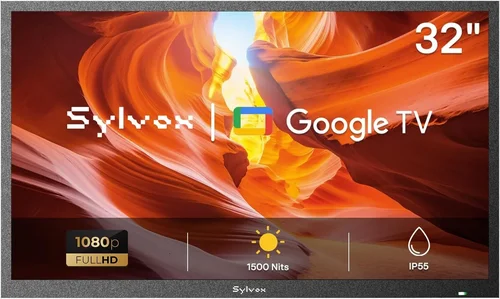
The first thing to check on any outdoor TV is its Ingress Protection (IP) rating—a two-digit code that tells you exactly how well the unit resists dust and water. For outdoor use, especially in unpredictable weather, you’ll want at least an IP55 rating (protected against dust and low-pressure water jets from any direction). However, for full four-season reliability—including heavy rain, snow, or high humidity—an IP65 or higher rating is strongly recommended. This means the TV is dust-tight and can handle sustained water exposure without damage.
Don’t confuse IP ratings with vague terms like “weather-resistant” or “all-weather.” Those are marketing buzzwords with no standardized meaning. Always look for the official IP code listed in the product specifications. Also, consider your local climate: if you live in a region with frequent thunderstorms or coastal fog, prioritize higher IP ratings. And remember—even the most weatherproof TV needs some shelter from direct, prolonged sun exposure or standing water; no consumer-grade outdoor TV is truly submersible.
2. Screen Brightness & Anti-Glare Technology
Watching football outdoors means battling one of the biggest challenges in display technology: ambient light. A dim screen will look washed out under daylight, making it hard to see player uniforms, ball trajectory, or field markings. For clear visibility in bright conditions, you need a TV with high peak brightness—measured in nits. While most indoor TVs max out around 300–500 nits, outdoor models should deliver at least 700 nits, with 1,000+ nits being ideal for sunny patios or decks.
Equally important is anti-reflective coating. Look for screens with matte finishes or specialized optical filters that reduce glare from the sun or nearby lights. Some budget outdoor TVs use standard glossy panels wrapped in weatherproof casings, which defeats the purpose—you’ll end up squinting more than celebrating touchdowns. Brands like SunBrite and Seura integrate proprietary anti-glare layers directly into their displays, but even lesser-known brands now offer decent options under $800. Always check reviews mentioning daytime visibility; real-user feedback is more reliable than spec sheets alone.
3. Operating Temperature Range
Outdoor electronics must endure temperature extremes that indoor devices never face. A TV left outside in Minnesota winters or Arizona summers needs to function reliably across a wide thermal spectrum. Most quality outdoor TVs specify an operating range between -30°F and 120°F (-34°C to 49°C). Anything less may cause screen flickering, delayed response, or complete shutdown during heatwaves or cold snaps.
Pay close attention to whether the rating refers to “operating” or “storage” temperatures. Storage ratings are less critical—they tell you how cold or hot the TV can get while powered off—but operating ratings determine whether it’ll actually work when you need it. If your area sees regular winter lows below 20°F or summer highs above 100°F, verify the TV’s specs match those conditions. Also, note that some cheaper models use passive cooling (no fans), which helps with sealing but can struggle in sustained heat. Active cooling systems (with sealed fans) offer better thermal management but may add slight noise—usually negligible during game commentary.
4. Build Quality & Enclosure Design
A weatherproof TV isn’t just about internal components—it’s also about the physical housing. Look for fully sealed aluminum or composite casings without ventilation grilles, which can allow moisture ingress. The best models feature gaskets around ports, reinforced mounting points, and corrosion-resistant hardware. Avoid plastic enclosures unless explicitly rated for UV and weather resistance; standard plastics degrade quickly under sun exposure, becoming brittle and discolored.
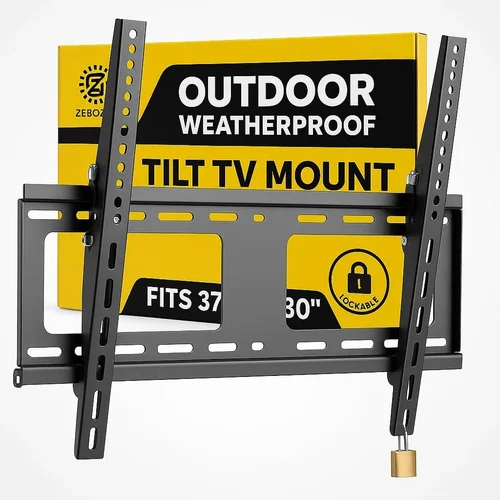
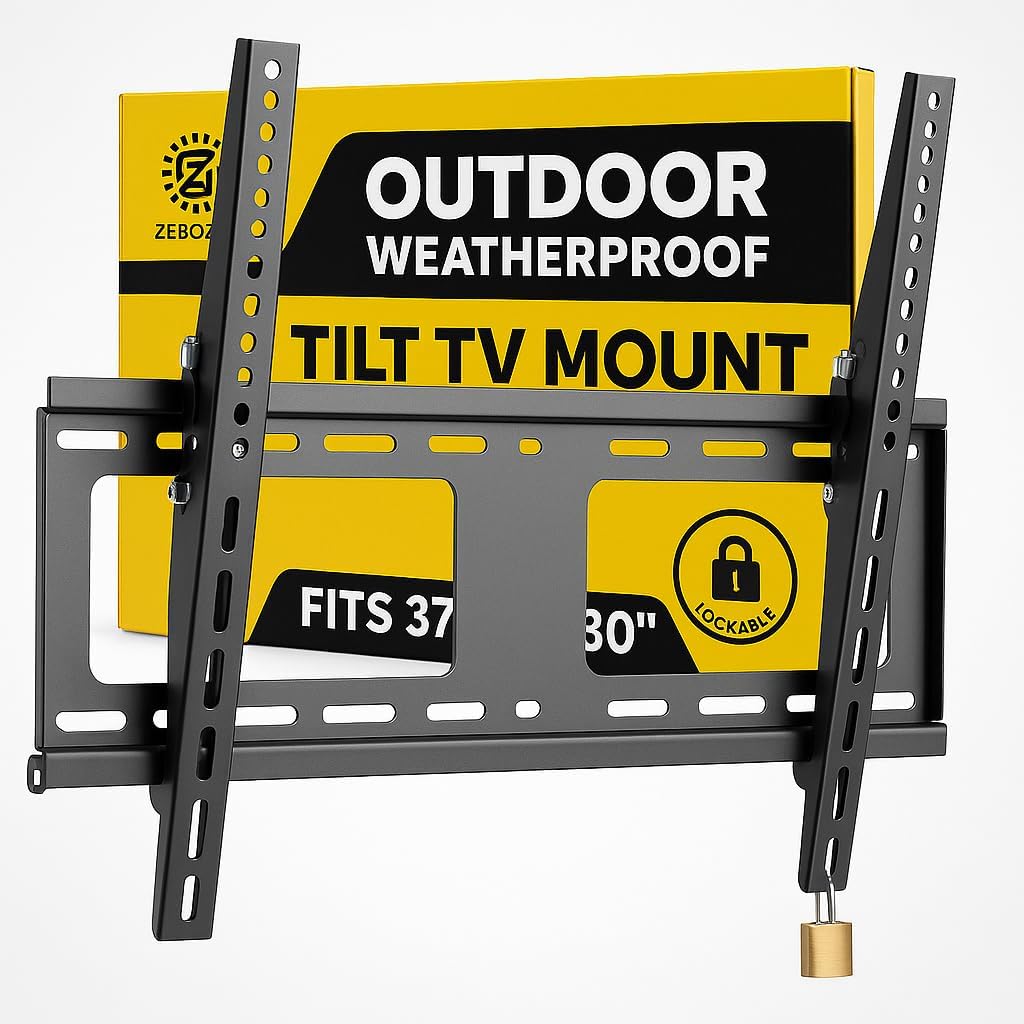
Mounting flexibility matters too. Most outdoor TVs support VESA patterns (like 200×200 or 400×400), but ensure your chosen model includes compatible brackets or works with your existing outdoor mount. Some budget options skimp on mounting hardware or require separate purchases, adding hidden costs. Also, consider cable management: integrated conduit channels or rear covers keep wires dry and tidy, reducing tripping hazards and maintenance headaches.
5. Smart Features & Connectivity
Even budget outdoor TVs now come with smart platforms, but not all are created equal. For football fans, access to streaming apps like NFL+, ESPN, YouTube TV, or Hulu + Live TV is essential—especially if you cut the cord. Look for TVs running Android TV, Roku TV, or webOS, as these offer broad app support and regular updates. Avoid proprietary or discontinued platforms that may lose app compatibility over time.
Connectivity is another key area. Ensure the TV has enough HDMI ports (at least two, preferably three) for devices like streaming sticks, game consoles, or cable boxes. USB ports are useful for firmware updates or media playback. Wi-Fi 5 (802.11ac) or Wi-Fi 6 support ensures stable streaming, though wired Ethernet is preferable for consistent performance. Note: some outdoor TVs place ports behind locked panels to protect against moisture—make sure they’re easily accessible for setup and troubleshooting.
6. Audio Performance
Built-in speakers on outdoor TVs are often underwhelming—fine for casual listening but inadequate for immersive game-day atmospherics. Most budget models deliver 10–20W of total power, which struggles to compete with wind, traffic, or crowd noise. If you plan to rely solely on the TV’s audio, look for units with enhanced bass response or virtual surround sound. However, for the best experience, pair your TV with external weatherproof speakers or a soundbar (many outdoor TVs support Bluetooth or optical audio out).
That said, don’t sacrifice video quality for audio. Many buyers regret choosing a TV with great speakers but a dim, blurry screen. Prioritize display performance first, then plan your audio setup separately. Some retailers bundle outdoor TVs with speaker packages—these can offer decent value if the components are well-matched.
7. Warranty & Customer Support
Outdoor electronics carry higher risk due to environmental stress, so warranty coverage is non-negotiable. Reputable brands offer at least a 2-year limited warranty, with some extending to 3–5 years for outdoor-specific models. Check what’s covered: does it include accidental damage, power surges, or seal failures? Avoid brands with “limited” warranties that exclude weather-related issues—that defeats the purpose of buying a weatherproof TV.
Customer support responsiveness matters too. Read user forums and review sites to see how quickly companies respond to repair requests or replacement needs. Brands like SunBrite and Avidwood provide dedicated outdoor tech support, while generic manufacturers may redirect you to standard indoor TV service centers unfamiliar with outdoor challenges. A strong warranty backed by knowledgeable support can save you hundreds in potential repairs.
8. User Reviews & Real-World Testing
Spec sheets tell part of the story—real user experiences tell the rest. Before buying, scan verified purchase reviews on Amazon, Best Buy, or specialty outdoor electronics sites. Pay attention to comments about long-term durability, seasonal performance, and ease of installation. Look for patterns: if multiple users report screen fogging after six months or Wi-Fi dropouts in rain, those are red flags.
Also, seek out video reviews or blog posts from outdoor living enthusiasts. They often test TVs in actual backyard setups, showing how they perform during live games under various lighting conditions. Professional reviewers may focus on lab metrics, but hobbyists reveal practical insights—like whether the remote works through glass doors or if the menu UI is readable in sunlight.
Different Types of Buying Guide

Common Buying Mistakes to Avoid
❌ Mistake: Assuming All “Outdoor” TVs Are Truly Weatherproof
Why it’s bad: Many retailers sell indoor TVs labeled as “outdoor-ready” simply because they fit inside a generic weatherproof box. These setups often lack proper ventilation, leading to overheating, or use low-quality seals that fail within months. You end up with a fried TV and wasted money.
What to do instead: Only buy TVs explicitly rated for outdoor use with certified IP ratings. If it requires a separate enclosure, research whether that enclosure is UL-listed for outdoor electronics and includes thermal management features.
❌ Mistake: Ignoring Sunlight Visibility
Why it’s bad: A TV that looks great indoors can become unusable outside due to glare or low brightness. Watching a crucial fourth-quarter drive through a washed-out screen ruins the experience.
What to do instead: Prioritize models with 700+ nits brightness and matte anti-reflective coatings. Test the TV in similar lighting if possible, or rely on detailed user reviews describing daytime performance.
❌ Mistake: Overlooking Mounting and Installation Costs
Why it’s bad: A $500 TV can easily cost another $200–$400 in professional installation, specialized mounts, or conduit wiring—especially if you need to run cables through walls or under decks.
What to do instead: Factor in total cost of ownership before purchasing. Choose TVs with included mounting hardware or verify compatibility with affordable third-party outdoor mounts. Consider DIY-friendly models if you’re handy.
❌ Mistake: Skimping on Warranty Coverage
Why it’s bad: Outdoor TVs face harsher conditions than indoor units. Without comprehensive warranty protection, a single seal failure or power surge could leave you with a costly repair bill.
What to do instead: Always choose brands offering at least a 2-year outdoor-specific warranty. Avoid extended warranties from third-party sellers—they often have loopholes excluding weather damage.
❌ Mistake: Buying Based Solely on Price
Why it’s bad: The cheapest option often cuts corners on critical features like brightness, sealing, or thermal management. You might save $200 upfront but replace the TV in two years.
What to do instead: Focus on value, not just price. A $700 TV with proven durability and strong performance offers better long-term value than a $400 model that fails after one season.
❌ Mistake: Neglecting Audio Needs
Why it’s bad: Relying on built-in speakers outdoors results in tinny, quiet audio that drowns out commentary and crowd noise.
What to do instead: Budget for weatherproof outdoor speakers or a Bluetooth soundbar from day one. Many affordable options (like the Polk Audio Atrium or Bose Free Space) integrate seamlessly with outdoor TVs.
Budget Guidelines: How Much Should You Spend?
Entry-Level ($300–$500): This tier includes basic indoor TVs paired with aftermarket weatherproof enclosures or very minimal outdoor-rated models. Expect lower brightness (400–600 nits), limited smart features, and shorter warranties. Best for covered patios with minimal sun exposure or seasonal use. Example: TCL 4-Series in a Ventev outdoor enclosure.
Mid-Range ($500–$900): The sweet spot for most football fans. These TVs offer true outdoor ratings (IP55+), 700–1,000 nits brightness, reliable smart platforms, and solid build quality. Ideal for uncovered decks, backyard setups, or regions with moderate weather extremes. Models like the Avidwood AW55UHD or SunBrite Veranda Series fall here.
Premium ($900–$1,500): For enthusiasts who want top-tier performance without commercial-grade pricing. Expect 1,000+ nits, advanced anti-glare tech, wider operating temperatures, and extended warranties. Great for sunny locations or multi-season use. The SunBrite Pro 2 Series is a standout in this range.
Luxury ($1,500+): Reserved for permanent installations, large gatherings, or extreme climates. These TVs feature military-grade sealing, ultra-bright displays (1,500+ nits), active cooling, and premium materials. Overkill for most homeowners but ideal for bars, resorts, or dedicated outdoor theaters.
Expert Tips for Getting the Best Deal
1. Shop During Off-Seasons: Prices drop significantly in spring and early summer when demand for outdoor electronics is lowest. Avoid fall and winter—especially September through February—when football season drives up prices.
2. Compare Total Package Costs: Some retailers bundle TVs with mounts, cables, or speakers at a discount. Calculate the total value before assuming a lower base price is better.
3. Check Manufacturer Refurbished Programs: Brands like SunBrite offer certified refurbished outdoor TVs at 20–30% off retail, often with the same warranty as new units.
4. Use Price Tracking Tools: Set alerts on CamelCamelCamel (for Amazon) or Honey to monitor price drops on your shortlisted models.
5. Prioritize Return Policies: Ensure the seller offers at least a 30-day return window. Outdoor TVs can have hidden issues (like poor Wi-Fi range) that only appear after installation.
6. Test Before Final Mounting: Power on the TV and test all functions (streaming, inputs, remote) before permanently mounting it. This avoids the hassle of disassembly if something’s defective.
7. Consider Local Retailers: Some regional electronics stores carry outdoor TVs and offer free installation or extended service plans not available online.
8. Read the Fine Print on Warranties: Verify whether the warranty covers on-site service or requires you to ship the TV back. Shipping a 55-inch outdoor TV is expensive and risky.

Frequently Asked Questions
Q: Can I use a regular indoor TV outside if I cover it?
A: Technically yes, but it’s not recommended for anything beyond temporary, fully covered use. Indoor TVs lack proper sealing, thermal management, and UV-resistant materials. Even with a canopy, condensation, temperature swings, and dust will eventually damage internal components. For anything more than occasional rainy-day viewing, invest in a true outdoor model.
Q: Do outdoor TVs need to be plugged into a special outlet?
A: No—they use standard 120V outlets. However, always connect them through a weatherproof GFCI outlet or outdoor-rated surge protector to prevent electrical hazards and protect against power spikes.
Q: Will an outdoor TV work in freezing temperatures?
A: Yes, if it’s rated for low-temperature operation (typically -30°F or lower). Most quality outdoor TVs include cold-start technology that allows them to power on even when frozen. Just avoid placing them in direct contact with snow or ice buildup.
Q: How do I clean an outdoor TV screen?
A: Use a microfiber cloth slightly dampened with water or a screen-safe cleaner. Never spray liquid directly on the screen—wipe gently to avoid scratching the anti-reflective coating. Avoid ammonia-based cleaners.
Q: Can I leave my outdoor TV outside year-round?
A: Absolutely, provided it’s a true outdoor-rated model with proper IP certification. These TVs are designed for continuous outdoor exposure. Just ensure it’s mounted securely and protected from standing water or debris accumulation.
Q: Do outdoor TVs consume more power than indoor ones?
A: Slightly, due to higher brightness settings and enhanced cooling systems. However, the difference is minimal—usually 10–20% more energy use. Look for ENERGY STAR-certified models to keep electricity costs down.
Q: What size TV is best for outdoor football viewing?
A: For most backyards, a 50–65-inch screen offers the ideal balance of visibility and space efficiency. Sit 8–12 feet away for immersive but comfortable viewing. Larger screens (70″+) work well for bigger gatherings but require more powerful audio and stronger mounts.
Q: Are outdoor TVs compatible with streaming devices like Roku or Fire Stick?
A: Yes! Most include multiple HDMI ports and support popular streaming sticks. Just ensure the stick is secured (use adhesive mounts) and protected from moisture—some users place them inside the TV’s rear compartment if accessible.
Our Final Recommendations
Best for Budget-Conscious Buyers: Avidwood AW50UHD – At around $550, this 50-inch TV delivers IP55 rating, 800 nits brightness, and Android TV functionality. It’s not the brightest or most feature-rich, but it offers genuine outdoor durability at an unbeatable price.
Best Overall Value: SunBrite Veranda Series (55-inch) – Priced near $850, it combines 1,000 nits brightness, excellent anti-glare performance, and a robust aluminum chassis. Ideal for sunny decks and multi-season use.
Best Premium Option: SunBrite Pro 2 Series (55-inch) – For around $1,300, you get 1,500 nits, military-grade sealing, and active thermal management. Perfect for extreme climates or permanent installations.
Best for Beginners: TCL 43S450G in a Ventev Outdoor Enclosure – Total cost ~$450. Great for covered patios or renters who want flexibility. Easy to remove and relocate as needed.
Best for Advanced Users: Seura Shadow 55 – At ~$1,600, it features a mirrored finish when off, ultra-thin profile, and exceptional brightness. Ideal for modern outdoor living spaces where aesthetics matter as much as performance.
Conclusion: Making the Right Choice
Choosing the right weatherproof TV for outdoor football games isn’t just about finding the cheapest option—it’s about balancing durability, visibility, smart features, and long-term value. By focusing on certified IP ratings, high brightness, thermal resilience, and real-user feedback, you’ll avoid the common pitfalls that lead to disappointment and wasted investment. Remember, your outdoor TV is more than a screen; it’s the centerpiece of memorable game days, tailgate parties, and family gatherings under the open sky.
Take the time to assess your specific needs: How much sun does your space get? Will the TV stay out year-round? Do you need portability or permanent mounting? Once you answer these questions, refer back to our budget tiers, expert tips, and final recommendations to narrow your choices. And don’t rush—the best deals often come during off-season sales or refurbished promotions.
Ultimately, the right weatherproof TV will reward you with seasons of crystal-clear touchdowns, vibrant replays, and hassle-free entertainment—no matter what Mother Nature throws at it. So grab your jersey, fire up the grill, and get ready to host the ultimate outdoor football experience. Your future self (and your guests) will thank you.

