
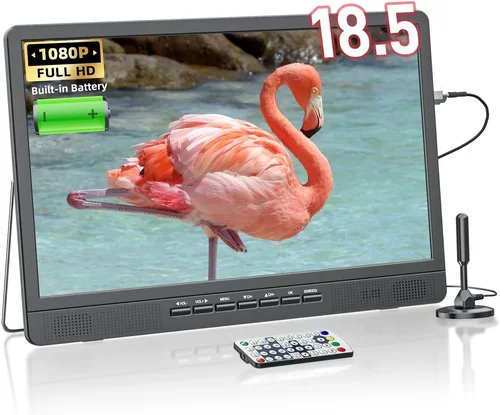
Planning a family gathering on your patio is one of those simple pleasures that brings people together—whether it’s a summer barbecue, a holiday movie night under the stars, or watching the big game with neighbors. But nothing kills the vibe faster than struggling to see a dim, washed-out screen in broad daylight or dealing with a TV that can’t handle the humidity and temperature swings of outdoor living. That’s where choosing the right cheap TV for your patio becomes more than just a cost-saving decision—it’s about creating a reliable, enjoyable experience for everyone.
This comprehensive buying guide is designed to help you navigate the often-confusing world of outdoor-friendly televisions without breaking the bank. Whether you’re working with a tight budget or simply want to maximize value, we’ll walk you through every critical factor—from brightness and weather resistance to smart features and durability. By the end of this guide, you’ll know exactly what to look for, which models offer the best bang for your buck, and how to avoid common pitfalls that could leave you with a paperweight instead of a centerpiece for your next backyard hangout.
The market for outdoor TVs has evolved significantly in recent years. While fully sealed, professional-grade outdoor displays can cost thousands, there are now surprisingly capable indoor TVs that—with the right setup—can thrive in covered patios, screened-in porches, and shaded decks. These “budget-friendly” options deliver solid performance at a fraction of the price, making outdoor entertainment accessible to more families than ever. In this guide, we’ll focus specifically on affordable solutions that balance cost, functionality, and resilience, so you can enjoy crystal-clear viewing without overspending.

What to Look for When Buying Buying Guide
1. Brightness & Outdoor Visibility
One of the most overlooked—and critical—factors when choosing a TV for outdoor use is brightness. Indoor TVs typically range from 200 to 400 nits (a unit of luminance), which is fine for dimly lit living rooms but completely inadequate for even partially shaded outdoor spaces. Sunlight, even when filtered through tree leaves or a pergola, can easily wash out a dim screen.
For patio use, aim for a minimum of 500 nits, but ideally 700 nits or higher. Some budget models now offer “outdoor mode” or enhanced brightness settings that boost peak luminance during daytime viewing. Look for TVs with high dynamic range (HDR) support, as HDR content often leverages higher brightness levels to deliver more vivid colors and better contrast in bright environments.
Also consider anti-glare or matte screen coatings. These reduce reflections from sunlight or ambient lighting, making it easier for multiple viewers to see the screen from different angles. A glossy screen might look sharper indoors, but outdoors, it becomes a mirror during the day.
2. Weather Resistance & Environmental Durability
Even if your TV is placed under a roof or awning, outdoor environments expose electronics to humidity, temperature fluctuations, dust, and occasional splashes. Standard indoor TVs aren’t built to handle these conditions long-term—moisture can corrode internal components, and extreme heat or cold can shorten lifespan.
Look for TVs with at least an IP54 rating (Ingress Protection), which means they’re protected against limited dust ingress and water splashes from any direction. While true outdoor TVs often have IP65 or higher ratings, many affordable indoor models can still work well in covered areas if properly mounted and maintained.
Pay attention to operating temperature ranges. Most indoor TVs are rated for 32°F to 95°F (0°C to 35°C). If you live in a region with harsh winters or scorching summers, ensure your TV can handle those extremes—or plan to bring it inside during off-seasons. Some manufacturers specify extended temperature tolerances, so check the product specs carefully.
Additionally, consider ventilation. Avoid enclosing the TV in a sealed cabinet without airflow, as overheating can cause shutdowns or permanent damage. If using a weatherproof enclosure, make sure it has built-in ventilation fans or passive airflow design.
3. Screen Size & Viewing Distance
Choosing the right screen size isn’t just about preference—it’s about optimizing the viewing experience for your space and audience. A TV that’s too small will strain eyes during group viewings; one that’s too large may overwhelm a cozy patio setup or exceed your budget.
As a general rule:
– For viewing distances of 6–8 feet, a 43- to 50-inch TV is ideal.
– At 8–10 feet, go for 55 to 65 inches.
– For larger gatherings or longer distances (10+ feet), consider 70 inches or more.
However, don’t sacrifice brightness or durability just to get a bigger screen. A 75-inch TV with 300 nits will look terrible in daylight compared to a 55-inch model with 750 nits. Also, measure your mounting area—ensure there’s enough wall space, clearance from seating, and room for cables and ventilation.
Portability matters too. If you plan to move the TV between indoor and outdoor use, lighter models (under 30 lbs for 55-inch screens) are easier to handle. Look for TVs with sturdy VESA-compatible mounts so you can switch between wall and stand setups easily.
4. Smart Features & Connectivity
Modern families expect more than just cable TV—they want streaming, voice control, app integration, and seamless device pairing. Fortunately, even budget TVs now come packed with smart platforms like Roku TV, Google TV, or Amazon Fire TV built-in.
These systems let you access Netflix, YouTube, Disney+, and other services directly without needing a separate streaming box. Look for models with Wi-Fi 5 (802.11ac) or Wi-Fi 6 for stable connections, especially if your patio is far from your router. Ethernet ports are a plus for wired reliability.
Voice assistants like Alexa or Google Assistant integration allow hands-free control—perfect when you’re grilling or holding a drink. Bluetooth support enables wireless audio to outdoor speakers or headphones, reducing cable clutter.
Connectivity-wise, ensure the TV has enough HDMI ports (at least 3) for devices like game consoles, soundbars, or cable boxes. USB ports are useful for playing media files or powering streaming sticks. ARC (Audio Return Channel) on HDMI simplifies audio routing to external speakers.
5. Audio Quality & External Speaker Options
Most budget TVs have underwhelming built-in speakers—tinny, quiet, and lacking bass. This is especially problematic outdoors, where ambient noise (birds, traffic, chatter) competes with dialogue.
While you can’t expect concert-hall sound from a $300 TV, look for models with 10W or higher total speaker output and features like Dolby Audio or DTS Virtual:X for virtual surround sound. Some TVs include a “night mode” or dialogue enhancement to clarify speech.
More importantly, plan for external audio. A compact Bluetooth soundbar or weather-resistant outdoor speakers can dramatically improve the experience. Ensure your TV has optical audio out, HDMI ARC, or Bluetooth 5.0+ for easy pairing. Wireless options reduce trip hazards and keep your patio tidy.
If you’re hosting movie nights, consider a portable PA system or powered speakers with microphone inputs for karaoke or announcements. Audio often makes or breaks the outdoor entertainment vibe.
6. Power Consumption & Energy Efficiency
Outdoor TVs may run for hours during gatherings, and energy costs add up—especially if you’re using additional lighting, speakers, or cooling fans. Look for TVs with Energy Star certification, which indicates lower power draw without sacrificing performance.
LED-backlit LCD TVs are generally more efficient than older plasma or CCFL models. Newer quantum dot (QLED) or mini-LED displays offer better brightness per watt but may cost more. Check the annual energy consumption (usually listed in kWh/year) in the product specs.
Also consider standby power usage. Some smart TVs consume significant energy even when “off” due to always-on microphones or network connectivity. Enable eco modes or use smart plugs with timers to cut power completely when not in use.
7. Mounting & Installation Flexibility
How and where you mount your TV affects both safety and viewing comfort. Wall mounts are popular for patios, but ensure your wall can support the weight—especially for larger screens. Use a full-motion articulating mount if you want to adjust the angle for different seating arrangements or reduce glare.
For freestanding setups, choose a stable, low-center-of-gravity stand. Avoid placing TVs on wobbly tables or uneven surfaces. If mounting near a grill or fire pit, maintain at least 3–4 feet of clearance to prevent heat damage.
Cable management is crucial outdoors. Use conduit, raceways, or weatherproof cable covers to protect wires from moisture and pests. Label cables for easy troubleshooting. Consider in-wall rated HDMI cables if running wires through exterior walls.
8. Brand Reputation & Long-Term Reliability
Not all budget TV brands are created equal. While you can find great deals from lesser-known manufacturers, sticking with reputable brands often means better build quality, customer service, and software support.
Top-tier brands like TCL, Hisense, Samsung, and LG offer reliable budget lines with solid track records. TCL’s 4-Series and 5-Series, for example, deliver excellent value with Roku OS and good brightness. Hisense U6 and U7 series compete well in the sub-$500 range with quantum dot color and high peak brightness.
Avoid ultra-cheap no-name brands that skimp on components or lack firmware updates. Read professional reviews (not just Amazon ratings) to assess real-world durability. Brands with local service centers or strong warranty networks save headaches if repairs are needed.
Different Types of Buying Guide

Common Buying Mistakes to Avoid
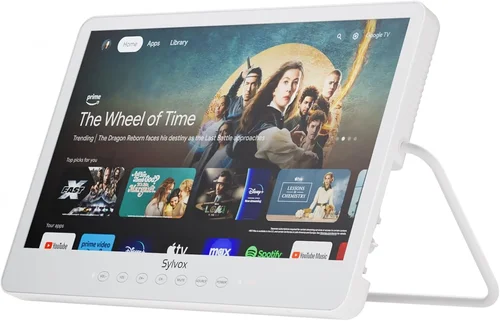
❌ Mistake: Prioritizing Price Over Brightness
Why it’s bad: A super-cheap TV might save you $100 upfront, but if it’s too dim for daytime viewing, you’ll end up frustrated and may need to replace it sooner. Outdoor visibility is non-negotiable for group enjoyment.
What to do instead: Allocate at least 30–40% of your budget to ensure adequate brightness (700+ nits). Look for seasonal sales on mid-range models that offer high luminance at discounted prices.
❌ Mistake: Ignoring Environmental Conditions
Why it’s bad: Placing a standard indoor TV in a humid, dusty, or temperature-variable environment drastically shortens its lifespan. Moisture damage isn’t covered by most warranties.
What to do instead: Assess your patio’s exposure. If it’s fully covered and climate-controlled, an indoor TV may suffice. Otherwise, invest in a weatherproof enclosure or choose a semi-outdoor model.
❌ Mistake: Overlooking Audio Needs
Why it’s bad: Poor sound ruins even the best picture. Muffled dialogue or weak volume makes it hard for everyone to hear, especially in noisy outdoor settings.
What to do instead: Budget for a compact soundbar or outdoor speakers from day one. Many affordable audio solutions pair seamlessly with budget TVs and dramatically improve the experience.
❌ Mistake: Choosing the Wrong Size for the Space
Why it’s bad: A massive TV in a small patio feels cramped and may require viewers to sit too close, causing eye strain. Conversely, a tiny screen forces people to crowd around.
What to do instead: Measure your seating distance and use a screen size calculator. When in doubt, go slightly larger—but never sacrifice brightness or durability for size.
❌ Mistake: Skipping Smart Platform Research
Why it’s bad: Some budget TVs use outdated or locked-down operating systems with few apps and no updates. You could be stuck with a brick in two years.
What to do instead: Stick with widely supported platforms like Roku, Google TV, or Fire TV. Check if the brand provides regular firmware updates and has a good app ecosystem.
❌ Mistake: Neglecting Power and Cable Management
Why it’s bad: Exposed cords create tripping hazards and invite moisture damage. Running extension cords across the patio is unsafe and unsightly.
What to do instead: Plan your power source in advance. Use outdoor-rated extension cords, GFCI outlets, and cable covers. Consider hiring an electrician to install a dedicated outdoor outlet.
❌ Mistake: Assuming All “Outdoor” TVs Are Equal
Why it’s bad: Marketing terms like “outdoor-ready” can be misleading. Some brands sell indoor TVs with minor tweaks and call them outdoor models.
What to do instead: Read the fine print. Look for IP ratings, operating temperature specs, and professional reviews. True outdoor TVs will clearly state their environmental tolerances.
Budget Guidelines: How Much Should You Spend?
Why it’s bad: Poor sound ruins even the best picture. Muffled dialogue or weak volume makes it hard for everyone to hear, especially in noisy outdoor settings.
What to do instead: Budget for a compact soundbar or outdoor speakers from day one. Many affordable audio solutions pair seamlessly with budget TVs and dramatically improve the experience.
❌ Mistake: Choosing the Wrong Size for the Space
Why it’s bad: A massive TV in a small patio feels cramped and may require viewers to sit too close, causing eye strain. Conversely, a tiny screen forces people to crowd around.
What to do instead: Measure your seating distance and use a screen size calculator. When in doubt, go slightly larger—but never sacrifice brightness or durability for size.
❌ Mistake: Skipping Smart Platform Research
Why it’s bad: Some budget TVs use outdated or locked-down operating systems with few apps and no updates. You could be stuck with a brick in two years.
What to do instead: Stick with widely supported platforms like Roku, Google TV, or Fire TV. Check if the brand provides regular firmware updates and has a good app ecosystem.
❌ Mistake: Neglecting Power and Cable Management
Why it’s bad: Exposed cords create tripping hazards and invite moisture damage. Running extension cords across the patio is unsafe and unsightly.
What to do instead: Plan your power source in advance. Use outdoor-rated extension cords, GFCI outlets, and cable covers. Consider hiring an electrician to install a dedicated outdoor outlet.
❌ Mistake: Assuming All “Outdoor” TVs Are Equal
Why it’s bad: Marketing terms like “outdoor-ready” can be misleading. Some brands sell indoor TVs with minor tweaks and call them outdoor models.
What to do instead: Read the fine print. Look for IP ratings, operating temperature specs, and professional reviews. True outdoor TVs will clearly state their environmental tolerances.
Budget Guidelines: How Much Should You Spend?
Why it’s bad: Some budget TVs use outdated or locked-down operating systems with few apps and no updates. You could be stuck with a brick in two years.
What to do instead: Stick with widely supported platforms like Roku, Google TV, or Fire TV. Check if the brand provides regular firmware updates and has a good app ecosystem.
❌ Mistake: Neglecting Power and Cable Management
Why it’s bad: Exposed cords create tripping hazards and invite moisture damage. Running extension cords across the patio is unsafe and unsightly.
What to do instead: Plan your power source in advance. Use outdoor-rated extension cords, GFCI outlets, and cable covers. Consider hiring an electrician to install a dedicated outdoor outlet.
❌ Mistake: Assuming All “Outdoor” TVs Are Equal
Why it’s bad: Marketing terms like “outdoor-ready” can be misleading. Some brands sell indoor TVs with minor tweaks and call them outdoor models.
What to do instead: Read the fine print. Look for IP ratings, operating temperature specs, and professional reviews. True outdoor TVs will clearly state their environmental tolerances.
Budget Guidelines: How Much Should You Spend?
Why it’s bad: Marketing terms like “outdoor-ready” can be misleading. Some brands sell indoor TVs with minor tweaks and call them outdoor models.
What to do instead: Read the fine print. Look for IP ratings, operating temperature specs, and professional reviews. True outdoor TVs will clearly state their environmental tolerances.
Budget Guidelines: How Much Should You Spend?
Entry-Level ($200 – $400):
This tier includes basic 43- to 50-inch LED TVs from brands like TCL, Hisense, or Vizio. Expect 400–600 nits brightness, basic smart features (often Roku or Fire TV), and limited weather resistance. Best for fully covered, shaded patios used occasionally. You’ll likely need external speakers and careful cable management. These are great starter options but may not last more than 2–3 years in harsh conditions.
Mid-Range ($400 – $700):
The sweet spot for most families. Models like the TCL 5-Series or Hisense U6 offer 700+ nits, quantum dot color, Dolby Vision HDR, and robust smart platforms. Many include better build quality, wider viewing angles, and improved audio. Ideal for semi-covered patios with some sun exposure. With proper care, these can last 4–5 years outdoors.
Premium ($700 – $1,200):
For enthusiasts who want near-outdoor performance without the full outdoor TV price tag. Look for TVs with IP54+ ratings, enhanced cooling systems, and professional mounting options. Some models include built-in ambient light sensors that auto-adjust brightness. Perfect for three-season rooms or patios with partial exposure. Expect excellent longevity and feature sets rivaling indoor premium TVs.
Luxury ($1,200+):
This range includes true outdoor TVs from brands like SunBriteTV or Seura, or high-end indoor models used with premium enclosures. These are built for year-round, all-weather use with full sealing, anti-reflective glass, and extreme temperature operation. While overkill for most casual users, they’re ideal for permanent installations or luxury outdoor living spaces.
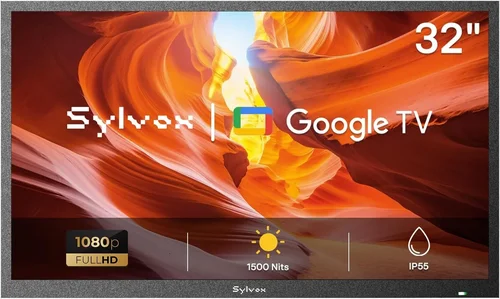
Expert Tips for Getting the Best Deal
1. Buy During Off-Season Sales:
The best time to buy a patio TV is in late fall or winter (November–February). Retailers clear out inventory before new models arrive, and demand is lowest. Look for Black Friday, Cyber Monday, and post-holiday sales. You can save 20–40% compared to spring/summer pricing.
2. Compare Online and In-Store Prices:
Check major retailers like Best Buy, Amazon, Costco, and Walmart. Use price-tracking tools (Honey, CamelCamelCamel) to monitor fluctuations. Sometimes in-store pickup offers additional discounts or bundled accessories (mounts, cables).
3. Consider Refurbished or Open-Box Models:
Certified refurbished TVs from manufacturer outlets or reputable retailers often come with full warranties and sell for 15–30% less. Open-box items (returned but unused) are another great way to save. Just verify the return policy and condition.
4. Bundle with Accessories:
Some retailers offer discounts when you buy a TV with a mount, soundbar, or streaming device. Even if you don’t need everything, the bundle price may still be lower than buying separately.
5. Check Manufacturer Rebates and Promotions:
Brands like Samsung and LG often run mail-in rebates or instant savings during holidays. Sign up for newsletters to get early access to deals.
6. Read Return Policies Carefully:
Outdoor use increases the risk of damage during setup. Ensure the retailer offers at least a 30-day return window and covers return shipping. Avoid sellers with restocking fees.
7. Test Before Finalizing:
If possible, view the TV in person under bright lighting. Check for backlight bleed, color accuracy, and smart interface responsiveness. Some stores allow you to connect your phone via screen mirroring to test real-world performance.
8. Invest in a Quality Mount and Enclosure:
Spending $100–$200 on a sturdy, weather-resistant mount and cable management system protects your investment far more than buying the cheapest TV available. A good setup extends lifespan and improves safety.

Frequently Asked Questions
Q: Can I really use a regular indoor TV outdoors?
A: Yes—but only in fully covered, shaded areas like screened porches or under deep eaves. Avoid direct sunlight, rain, or high humidity. Use a weatherproof enclosure if there’s any exposure. Expect a shorter lifespan than an indoor-only TV.
Q: How bright should my patio TV be?
A: Aim for at least 500 nits for shaded areas, but 700+ nits is ideal for any daylight viewing. Brightness is measured in nits (cd/m²)—check the TV’s spec sheet, not just marketing claims.
Q: Do I need a special outdoor TV mount?
A: Not necessarily, but a full-motion articulating mount helps reduce glare and adjust viewing angles. Ensure the mount is rated for your TV’s weight and is installed into studs or solid backing—not just drywall.
Q: Will my Wi-Fi reach the patio?
A: It depends on distance and obstacles. If your signal is weak, consider a Wi-Fi extender, mesh network, or powerline adapter. Ethernet is most reliable if you can run a cable.
Q: Can I leave my TV outside year-round?
A: Only if it’s a true outdoor TV or properly enclosed. Most indoor TVs should be brought inside during extreme weather or stored in a garage during winter in cold climates.
Q: Are outdoor TVs worth the high cost?
A: For fully exposed areas, yes. But for covered patios, a mid-range indoor TV with good brightness and protection offers 80% of the performance at 30% of the cost.
Q: What’s the difference between IP54 and IP65?
A: IP54 protects against dust and water splashes; IP65 adds protection against low-pressure water jets. IP65 is better for areas with rain exposure.
Q: Can I use a projector instead of a TV?
A: Absolutely! Projectors work great for large groups and create a cinematic feel. Just ensure you have a smooth, light-colored wall or portable screen, and use it at night or in very low light for best results.
Q: How do I clean an outdoor TV screen?
A: Use a microfiber cloth and screen-safe cleaner. Avoid ammonia-based products. Power off the TV and gently wipe—never spray liquid directly on the screen.
Q: What happens if my TV gets rained on?
A: If it’s not rated for outdoor use, moisture can cause short circuits, corrosion, or permanent damage. Most warranties won’t cover water damage, so prevention is key.
Our Final Recommendations
Best for Budget-Conscious Buyers:
TCL 43S450G (43-inch, ~$250)
A solid entry-level pick with Roku TV, 400 nits brightness, and decent smart features. Best for fully covered patios. Pair with a soundbar for better audio.
Best Overall Value:
Hisense 55U6H (55-inch, ~$450)
Offers 700+ nits, quantum dot color, Dolby Vision, and Google TV. Excellent brightness for the price and reliable performance in shaded outdoor settings.
Best Premium Option:
Samsung QN55Q60BA (55-inch, ~$650)
Features QLED technology, 800 nits peak brightness, and robust build quality. Includes ambient mode to blend with decor and strong smart capabilities.
Best for Beginners:
Insignia F30 Series (50-inch, ~$300)
Simple Fire TV interface, easy setup, and good app selection. Great for first-time smart TV users who want plug-and-play functionality.
Best for Advanced Users:
LG 55UT7000PUA (55-inch, ~$500)
WebOS platform with extensive customization, HDMI 2.1 support, and excellent color accuracy. Ideal for tech-savvy families who want flexibility and future-proofing.
Conclusion: Making the Right Choice
Choosing a cheap TV for your patio doesn’t mean settling for poor quality—it means being smart about your priorities. Focus on brightness, environmental suitability, and smart features that match your family’s habits. Avoid the temptation to cut corners on critical specs like luminance or weather protection, as these directly impact usability and longevity.
Remember, the goal isn’t just to save money—it’s to create a reliable, enjoyable space where memories are made. Whether you’re watching fireworks on the Fourth of July, cheering on your team, or enjoying a quiet movie night under string lights, the right TV transforms your patio into a true extension of your home.
Take the time to assess your space, set a realistic budget, and compare options using the criteria in this guide. Don’t rush the decision. With the right preparation, you can find a high-performing, affordable TV that delivers years of outdoor entertainment for your family and friends.
Now go enjoy those gatherings—with crystal-clear picture and sound that keeps everyone engaged, comfortable, and connected. Your perfect patio setup is just a smart purchase away.

