
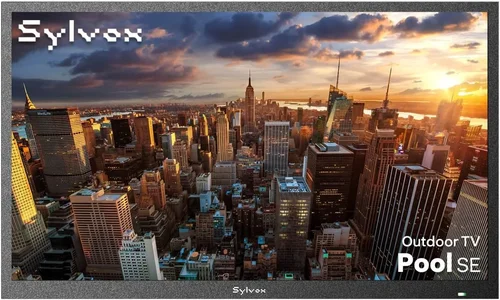
If you’re someone who loves to unwind by the pool—whether it’s a backyard oasis, a lakeside retreat, or a rooftop deck—you know that ambiance is everything. The right lighting, comfortable seating, refreshing drinks, and yes, entertainment all play a role in creating that perfect outdoor escape. But when the temperature drops and chilly winds start to bite, many people assume their poolside relaxation time is over. That’s where a cheap poolside TV designed for cold weather comes in. It’s not just about watching your favorite show while soaking in a heated spa; it’s about extending your outdoor living season well into autumn and even early winter.
This guide is here to help you navigate the often-overlooked world of outdoor TVs built to withstand cold climates—without breaking the bank. Whether you’re on a tight budget or simply looking for the best value, we’ll walk you through everything you need to know to make a smart, informed decision. You’ll learn what features truly matter, how to avoid common pitfalls, and which models offer the best performance for the price. With so many options flooding the market—from basic weather-resistant screens to fully enclosed outdoor displays—it’s easy to get overwhelmed. Our goal is to cut through the noise and give you a clear, actionable roadmap tailored specifically to cold-weather poolside use.
The market for outdoor TVs has evolved significantly over the past few years. What used to be a niche category reserved for luxury homes and high-end resorts is now accessible to everyday consumers. Thanks to advances in display technology, improved weatherproofing standards, and more competitive pricing, you can now find reliable, affordable options that perform beautifully even in freezing temperatures. However, not all “outdoor” TVs are created equal—especially when it comes to cold-weather resilience. Some are merely splash-resistant, while others are engineered to operate flawlessly at sub-zero temperatures. This guide will help you distinguish between marketing hype and real-world performance, ensuring you invest in a TV that lasts, performs, and enhances your outdoor experience year-round.

What to Look for When Buying Buying Guide
1. Cold Weather Operating Range
One of the most critical factors when choosing a poolside TV for cold climates is its operating temperature range. Standard indoor TVs typically function between 50°F and 95°F (10°C to 35°C). If you live in an area where winter temperatures regularly dip below freezing, an indoor TV—even if mounted under a covered patio—will likely fail or suffer permanent damage. Look for models explicitly rated for cold-weather operation, ideally those that can function reliably down to -22°F (-30°C) or lower. These TVs use specialized components like low-temperature capacitors, heated internal circuits, and frost-resistant screens that prevent image distortion or blackouts in frigid conditions.
Manufacturers like SunBriteTV, Seura, and Aviditi offer outdoor TVs with certified cold-weather ratings. Always check the product specifications for terms like “all-weather,” “cold-climate capable,” or “operational down to -XX°F.” Avoid vague claims like “weather-resistant” without concrete temperature data—those are red flags. A TV that shuts off at 40°F might survive a mild autumn evening but won’t last through a snowy January night by the hot tub.
2. Weatherproofing & IP Rating
Beyond cold tolerance, your poolside TV must withstand moisture, humidity, salt air (if near the coast), dust, and temperature swings. This is where the Ingress Protection (IP) rating becomes essential. The IP code consists of two digits: the first indicates protection against solid particles (like dust), and the second against liquids (like rain or splashes). For outdoor use, aim for at least an IP54 rating—meaning it’s protected from limited dust ingress and water splashes from any direction. However, for true peace of mind in harsh conditions, especially near pools where chlorine mist and steam are common, go for IP65 or higher. IP65 means the TV is dust-tight and protected against low-pressure water jets.
Note that IP ratings apply to the entire unit, including ports and vents. Some cheaper “outdoor” TVs only have weather-resistant coatings on the screen but leave internal components exposed. Always verify whether the manufacturer includes a full enclosure or requires a separate outdoor-rated housing. Also, consider UV resistance—prolonged sun exposure can degrade plastics and cause yellowing over time, even in colder months when the sun is lower in the sky.
3. Display Brightness & Anti-Glare Technology
Outdoor visibility is a make-or-break feature. Even in winter, ambient light—whether from snow reflection, overcast skies, or artificial patio lighting—can wash out a dim screen. Indoor TVs typically peak around 300–400 nits of brightness, which is insufficient for outdoor viewing. For poolside use in cold weather (when skies are often clearer and snow amplifies light), you need a display with at least 700 nits, preferably 1,000 nits or more. High-brightness LED or OLED panels with anti-reflective coatings are ideal.
Look for features like direct-lit backlighting, optical bonding (which reduces air gaps between layers to minimize glare), and matte finishes. Some premium models even include automatic brightness sensors that adjust based on ambient light. Avoid glossy screens unless they’re specifically engineered for outdoor use—they’ll turn into mirrors on sunny winter days. Also, consider viewing angle: if you’re relaxing in a chaise lounge or hot tub at an angle, a wide viewing angle (178° horizontal/vertical) ensures consistent color and contrast.
4. Build Quality & Durability
A cheap poolside TV isn’t just about low upfront cost—it’s about long-term value. A flimsy build may save you $100 today but cost you $500 in repairs or replacement next season. Prioritize TVs with robust aluminum or powder-coated steel enclosures that resist rust, corrosion, and warping. Internal components should be sealed against condensation, which can form when cold air meets warm electronics during rapid temperature changes.
Check for reinforced mounting systems. Many outdoor TVs come with proprietary wall mounts designed to handle wind loads and thermal expansion. Avoid using standard indoor mounts—they’re not rated for outdoor stress. Also, inspect cable management: exposed wires are vulnerable to rodents, UV degradation, and water ingress. Look for models with hidden cable channels or included conduit kits. Finally, consider weight and size relative to your mounting surface. A heavy TV on a thin stucco wall or wooden pergola may require additional structural support.
5. Smart Features & Connectivity
Even in cold weather, you’ll want seamless access to streaming services, Bluetooth audio, and voice control. Most modern outdoor TVs run on Android TV, webOS, or Roku platforms, offering apps like Netflix, YouTube, and Disney+. Ensure the model you choose supports Wi-Fi 5 (802.11ac) or Wi-Fi 6 for stable streaming, especially if your outdoor area is far from the router. Ethernet ports are a plus for wired connections in areas with weak signals.
Audio is another consideration. Built-in speakers on outdoor TVs are often underpowered due to space constraints. If you plan to watch movies or sports with sound, look for models with HDMI ARC, optical audio out, or Bluetooth 5.0 to connect external weatherproof speakers. Some units even include integrated soundbars designed for outdoor acoustics. Avoid relying solely on TV speakers—wind and distance will muffle them quickly.
6. Size & Viewing Distance
Choosing the right screen size isn’t just about aesthetics—it’s about comfort and immersion. For poolside setups, common viewing distances range from 6 to 12 feet. As a rule of thumb, multiply your viewing distance (in inches) by 0.84 to get the ideal screen diagonal in inches. So, at 8 feet (96 inches), a 55-inch TV is optimal. Going too large can cause eye strain; too small, and details get lost.
However, cold weather adds a twist: you’re more likely to be bundled up in blankets or seated farther away for warmth. This might push you toward a slightly larger screen. Also, consider placement height. Mount the TV so the center of the screen is at eye level when seated—typically 42–48 inches from the ground. Avoid placing it too high, as looking upward for extended periods causes neck fatigue, especially when wrapped in a cozy robe.
7. Brand Reputation & Real-World Reliability
Not all brands that sell “outdoor TVs” specialize in them. Some repurpose indoor models with cosmetic weather shields—a risky gamble. Stick with companies known for genuine outdoor display engineering. SunBriteTV, for example, has been building all-weather TVs since 2004 and offers extensive cold-weather testing. Seura combines TVs with mirrors for dual functionality, ideal for stylish patios. Aviditi and Peerless-AV also offer reliable, budget-friendly options with solid track records.
Read verified customer reviews, especially from buyers in cold climates (search for keywords like “Minnesota,” “Alaska,” or “winter use”). Pay attention to comments about startup time in cold weather—some TVs take minutes to boot up when frozen. Also, check forums like AVS Forum or Reddit’s r/outdoorliving for unbiased user experiences. A brand with responsive customer service and local repair options is a huge advantage if something goes wrong.
8. Warranty & Support
Outdoor electronics face harsher conditions than indoor gear, so warranty coverage is non-negotiable. Look for at least a 2-year limited warranty, with 3+ years being ideal. Some premium brands offer 5-year coverage, which speaks to their confidence in durability. Ensure the warranty explicitly covers cold-weather operation—some exclude “extreme environments” unless specified.
Also, verify what’s included: Does it cover labor? Shipping? On-site service? Can you get replacement parts easily? Avoid brands that only offer mail-in repairs with 4–6 week turnaround times—your TV could be dead all winter. Check if the manufacturer provides installation guides, mounting templates, or even certified installer networks. Good support can turn a frustrating experience into a smooth one.
Different Types of Buying Guide

Common Buying Mistakes to Avoid
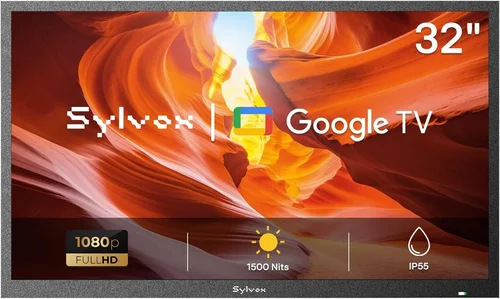
❌ Mistake: Assuming All “Outdoor” TVs Are Cold-Weather Ready
Why it’s bad: Many retailers label any TV sold with a weather shield as “outdoor,” but these are often just indoor models in a plastic box. They lack cold-weather components and can fail catastrophically below 40°F.
What to do instead: Always verify the operating temperature range in the spec sheet. If it’s not listed, assume it’s not suitable for cold climates.
❌ Mistake: Skimping on Mounting Hardware
Why it’s bad: Using indoor mounts outdoors invites disaster. Wind, thermal cycling, and moisture can loosen screws, causing the TV to fall—potentially injuring someone or damaging property.
What to do instead: Invest in a manufacturer-recommended outdoor mount rated for your TV’s weight and your local wind load. Consider tilt/swivel options for optimal viewing from different poolside positions.
❌ Mistake: Ignoring Power & Cable Protection
Why it’s bad: Exposed power cords and HDMI cables degrade quickly outdoors. Water ingress into ports can short-circuit the TV or create fire hazards.
What to do instead: Use outdoor-rated extension cords, conduit for wiring, and silicone sealant around cable entries. Consider a weatherproof power inlet box near the TV.
❌ Mistake: Overlooking Audio Needs
Why it’s bad: Relying on built-in TV speakers outdoors results in tinny, distant sound—especially with wind or water noise.
What to do instead: Pair your TV with weatherproof outdoor speakers or a Bluetooth soundbar. Place speakers strategically around the seating area for immersive audio.
❌ Mistake: Buying Based Solely on Price
Why it’s bad: The cheapest option often lacks critical features like cold tolerance, proper sealing, or reliable Wi-Fi—leading to frustration and early replacement.
What to do instead: Focus on total cost of ownership. A $600 TV that lasts 5 years is better value than a $300 one that dies after one winter.
❌ Mistake: Not Planning for Storage or Covering
Why it’s bad: Even all-weather TVs benefit from extra protection during off-seasons or extreme storms. Leaving them fully exposed accelerates wear.
What to do instead: Use a fitted outdoor TV cover when not in use, or choose a model with a built-in protective shutter. For portable units, store indoors during deep winter.
❌ Mistake: Forgetting About Signal Strength
Why it’s bad: Weak Wi-Fi in your backyard leads to buffering, especially with 4K streaming. Cold weather can further weaken signals due to atmospheric conditions.
What to do instead: Install a weatherproof Wi-Fi extender or mesh node near your pool area. Test signal strength before finalizing placement.
Budget Guidelines: How Much Should You Spend?
- Entry-Level ($300–$600): These are typically portable displays or indoor TVs with basic weather enclosures. Best for mild cold climates (above 20°F) or seasonal use. Expect limited brightness (500–700 nits), shorter warranties (1–2 years), and fewer smart features. Ideal for renters or occasional use.
- Mid-Range ($600–$1,200): This is the sweet spot for most homeowners. You’ll find true all-weather TVs with cold ratings down to -10°F to -20°F, IP55+ protection, 800–1,000 nits brightness, and solid smart platforms. Brands like Aviditi and some SunBrite models fall here. Great balance of performance and affordability.
- Premium ($1,200–$2,500): For enthusiasts and those in harsh winters. These offer -22°F+ operation, IP66 ratings, 1,200+ nits, advanced thermal management, and premium materials. Often include extended warranties (3–5 years) and professional installation support. Worth it if you use your pool area year-round.
- Luxury ($2,500+): Top-tier mirror TVs, commercial-grade units, or custom installations. Designed for permanent outdoor living spaces with no compromise on aesthetics or performance. Includes features like motorized lifts, integrated lighting, and 24/7 monitoring. Best for high-end homes or hospitality venues.
Expert Tips for Getting the Best Deal
- Buy in Spring or Early Summer: Retailers often discount last year’s outdoor TV models to clear inventory before new releases. You can save 15–25% compared to fall/winter pricing.
- Check Manufacturer Refurbished Programs: Brands like SunBriteTV sell certified refurbished units with full warranties at 20–40% off. These are rigorously tested and often indistinguishable from new.
- Bundle with Installation: Some retailers (e.g., Best Buy, local AV integrators) offer free or discounted installation with TV purchase. This ensures proper mounting and wiring—critical for safety and performance.
- Use Price Tracking Tools: Set alerts on CamelCamelCamel (for Amazon) or Honey to catch sudden drops. Outdoor TV prices fluctuate seasonally.
- Negotiate Extended Warranties: If buying in-store, ask if the warranty can be extended at no cost or low cost. Some stores include it with premium credit cards.
- Test Before Finalizing: If possible, visit a showroom to see the TV in person. Check brightness, color accuracy, and menu responsiveness under simulated outdoor lighting.
- Read the Fine Print on Returns: Ensure the return window covers at least 30 days and includes outdoor-use testing. Some retailers won’t accept returns if the TV was mounted outdoors.
- Consider Energy Efficiency: Look for ENERGY STAR certification. Outdoor TVs run longer hours; efficient models save on electricity and generate less heat, reducing thermal stress.

Frequently Asked Questions
Q: Can I use a regular indoor TV by my pool in cold weather?
A: Technically, yes—but only if it’s fully sheltered (e.g., inside a sealed outdoor cabinet) and temperatures stay above 40°F. However, humidity, condensation, and temperature swings will drastically shorten its lifespan. For reliable cold-weather use, an all-weather outdoor TV is strongly recommended.
Q: Do outdoor TVs need special ventilation?
A: Yes, but not like indoor TVs. All-weather models use passive cooling or sealed convection systems. Never block vents or enclose them in tight cabinets without manufacturer approval. Proper airflow prevents overheating during summer use.
Q: Will snow damage my poolside TV?
A: Not if it’s properly rated. IP65+ TVs can handle snow accumulation. However, heavy wet snow may temporarily obscure the screen. Use a soft brush to gently clear it—never scrape with metal tools.
Q: How do I clean an outdoor TV screen?
A: Use a microfiber cloth slightly dampened with distilled water. Avoid ammonia-based cleaners, which can damage anti-reflective coatings. For stubborn spots, use a 50/50 mix of water and isopropyl alcohol.
Q: Can I leave my outdoor TV on all winter?
A: Most all-weather models are designed for continuous operation. However, turning it off during blizzards or extreme storms prolongs lifespan. Use a smart plug to schedule on/off times.
Q: Do outdoor TVs work with streaming sticks like Roku or Fire Stick?
A: Yes, but ensure the stick is protected from moisture. Use a weatherproof HDMI extender or place the stick inside a sealed junction box near the TV.
Q: What’s the difference between “weather-resistant” and “all-weather”?
A: “Weather-resistant” usually means splash-proof and dust-protected—suitable for covered patios. “All-weather” implies full environmental sealing, cold/hot operation, and UV resistance—built for exposed installations.
Q: Can I mount an outdoor TV on a pergola?
A: Only if the pergola is structurally sound and the mount is anchored to a solid beam (not just lattice). Consult a contractor if unsure—wind loads can be significant.
Q: Are outdoor TVs loud?
A: No, most are designed to operate quietly. Fan noise (if present) is minimal and often inaudible over ambient pool sounds. Choose fanless models for ultra-quiet performance.
Q: Do I need a permit to install an outdoor TV?
A: In most residential areas, no—but check local codes, especially if drilling into load-bearing walls or running electrical lines. HOA rules may also apply.
Our Final Recommendations
- Best for Budget-Conscious Buyers: Aviditi 55″ All-Weather Outdoor TV – Priced around $899, it offers -13°F operation, IP55 rating, 1,000 nits brightness, and a 2-year warranty. Excellent value for cold climates without sacrificing core features.
- Best Overall Value: SunBriteTV Veranda Series 55″ – At $1,299, it’s a step up with -22°F capability, IP66 sealing, 1,200 nits, and robust build quality. Ideal for serious outdoor entertainers.
- Best Premium Option: Seura 55″ Shade Mirror TV – While pricier ($3,499), it doubles as a sleek mirror when off, perfect for modern patios. Operates down to -22°F and includes smart features and premium audio.
- Best for Beginners: Peerless-AV 50″ Outdoor Display + Enclosure Kit – A modular system ($749) that lets you start with a quality indoor TV and add weather protection. Great for learning before upgrading.
- Best for Advanced Users: SunBriteTV Pro Series 65″ – Built for commercial use but perfect for demanding homeowners. Features 2,000 nits brightness, -40°F operation, and 5-year warranty. Overkill for most—but unmatched performance.
Conclusion: Making the Right Choice
Choosing the right cheap poolside TV for cold weather isn’t just about finding the lowest price—it’s about matching your climate, usage habits, and long-term goals with a product that delivers reliable performance season after season. We’ve covered everything from cold-weather specs and weatherproofing to smart features, mounting, and budget planning. Remember, the goal isn’t just to watch TV outside—it’s to create a comfortable, inviting space where you can relax, entertain, and enjoy your outdoor oasis even when the air turns crisp.
Prioritize your needs: If you live in a region with harsh winters, don’t compromise on cold-weather ratings. If you’re on a tight budget, consider a mid-range all-weather model or a refurbished unit. And always invest in proper installation and protection—your TV is only as strong as its weakest link. With the insights from this guide, you’re now equipped to make a confident, informed decision that enhances your outdoor lifestyle for years to come.
So go ahead—crank up the heat, pour a warm drink, and press play. Your perfect poolside movie night awaits, no matter what the thermometer says.

