
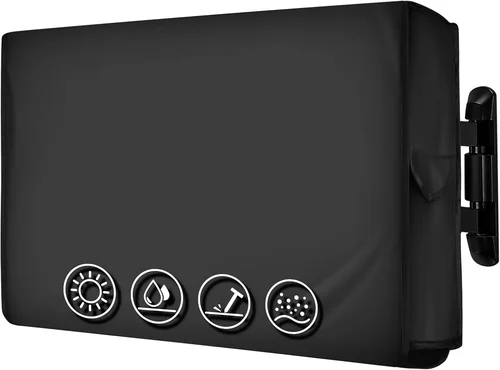
If you live in a rainy climate—whether it’s the Pacific Northwest, the UK, Ireland, or parts of Southeast Asia—you know how challenging it can be to enjoy outdoor living spaces year-round. Rain, humidity, and damp conditions can quickly ruin electronics not built for the elements. That’s why finding a reliable, affordable patio TV specifically designed for wet environments is essential if you want to enjoy movie nights, sports games, or background music on your covered porch, gazebo, or outdoor kitchen without worrying about weather damage.
This comprehensive buying guide is designed to help you navigate the often-confusing world of outdoor televisions, especially when you’re on a budget. We’ll break down everything you need to know—from key features and build quality to price ranges and expert tips—so you can make a smart, informed decision. Whether you’re looking for a basic weatherproof screen for occasional use or a more durable model that can handle daily exposure, this guide covers it all. By the end, you’ll know exactly what to look for, what to avoid, and how to get the best value for your money.
The market for outdoor TVs has grown significantly in recent years, driven by increased demand for outdoor entertainment spaces. However, many consumers are misled by marketing claims or end up buying indoor TVs with flimsy weather covers, which often fail within months. True outdoor TVs are engineered from the ground up to withstand moisture, temperature swings, and UV exposure. And while premium models can cost thousands, there are now several budget-friendly options that offer excellent performance and durability—especially for covered patios in rainy climates. This guide focuses on those affordable yet reliable choices, helping you stretch your dollar without sacrificing protection or picture quality.

What to Look for When Buying Buying Guide
1. Weather Resistance Rating (IP Rating)
One of the most critical factors when choosing a patio TV for a rainy climate is its Ingress Protection (IP) rating. This standardized code tells you how well the TV resists dust and water. For outdoor use, especially in areas with frequent rain, you should look for a minimum IP54 rating—this means the TV is protected against splashing water from any direction. However, for full peace of mind in heavy or prolonged rainfall, aim for IP55 or higher. An IP55-rated TV can handle low-pressure water jets, making it suitable for uncovered or partially covered areas.
Don’t confuse IP ratings with “weatherproof” marketing claims. Many indoor TVs come with outdoor enclosures that claim to be waterproof, but these often lack proper ventilation, leading to overheating, or use low-quality seals that degrade over time. A true outdoor TV integrates weather resistance into its design, including sealed ports, corrosion-resistant materials, and internal moisture barriers. Always verify the IP rating from the manufacturer and avoid models that only mention “water-resistant” without a certified IP code.
2. Display Technology and Brightness
Outdoor visibility is a major challenge, even under cover. Ambient light—whether from the sky, nearby windows, or garden lighting—can wash out images on standard indoor TVs. That’s why brightness matters. For a patio in a rainy climate, look for a TV with at least 500 nits of brightness. Models with 700 nits or more perform significantly better in daylight or overcast conditions. OLED screens offer excellent contrast and color but are generally not recommended for outdoor use due to lower peak brightness and potential burn-in risks in static outdoor setups.
LED/LCD TVs with full-array local dimming (FALD) or high dynamic range (HDR) support are ideal for outdoor viewing. HDR10 or Dolby Vision enhances contrast and color depth, making images pop even in less-than-ideal lighting. Also consider anti-glare or matte screen coatings, which reduce reflections from ambient light sources. Some budget outdoor TVs now include these features, so don’t assume you need to spend a fortune for good visibility.
Another consideration is screen size relative to viewing distance. For most patios, a 43-inch to 55-inch screen is ideal. Anything smaller may be hard to see from a distance, while larger screens can be overkill and more expensive. Use a viewing distance calculator: multiply the screen size by 1.5 to 2.5 to get the optimal range. For example, a 50-inch TV is best viewed from 6.25 to 10.4 feet away.
3. Build Quality and Materials
Cheap doesn’t have to mean flimsy—but you do need to scrutinize materials. A quality outdoor TV should have a powder-coated aluminum or stainless-steel chassis to resist rust and corrosion. Avoid plastic-heavy builds, especially in coastal or high-humidity areas where salt and moisture accelerate degradation. Look for reinforced hinges, sealed speaker grilles, and rubber gaskets around ports and vents.
Internal components should also be protected. High-end models use conformal coating on circuit boards to repel moisture, but some budget brands now include this feature. Check product descriptions or contact customer support to confirm. Also, ensure the TV has proper ventilation. Overheating is a common cause of failure in enclosed outdoor spaces. Look for models with passive cooling systems or fanless designs that allow airflow without exposing internals to rain.
Mounting hardware is another area where corners are often cut. A sturdy, corrosion-resistant wall or ceiling mount is essential. Many outdoor TVs come with compatible mounts, but verify compatibility before purchasing. If buying separately, choose marine-grade stainless steel or aluminum mounts rated for outdoor use.
4. Connectivity and Smart Features
Even on a budget, you’ll want a TV that supports modern connectivity. HDMI 2.0 or higher is a must for 4K content and HDR. Look for at least two HDMI ports—one for a streaming device (like a Roku or Apple TV) and another for a soundbar or gaming console. USB ports are useful for playing media files or powering accessories. Some models include built-in Wi-Fi and Bluetooth, which simplify setup and reduce cable clutter.
Smart TV platforms vary widely. Roku TV, Android TV, and webOS are popular and user-friendly. If you plan to stream content outdoors, ensure the TV supports your preferred apps (Netflix, YouTube, Disney+, etc.). However, avoid overly complex interfaces on budget models—some cheaper smart TVs have sluggish processors that lead to lag or crashes. Read user reviews to check performance.
For rainy climates, wireless connectivity is a bonus. Running Ethernet cables outdoors is messy and prone to water damage. A strong Wi-Fi signal is essential, especially if your router is indoors. Consider a Wi-Fi extender or mesh network to boost coverage to your patio. Some outdoor TVs include built-in signal boosters or external antenna ports for better reception.
5. Audio Performance and Speaker Quality
Outdoor acoustics are tricky. Sound dissipates quickly in open spaces, and background noise from wind, rain, or traffic can drown out dialogue. Many budget TVs have weak built-in speakers—often under 10 watts—that struggle in outdoor environments. If audio quality is important, look for models with at least 20 watts of total output or built-in subwoofers.
Alternatively, plan to use external speakers or a soundbar. Most outdoor TVs support audio output via optical, HDMI ARC, or Bluetooth. A weatherproof soundbar mounted below the TV can dramatically improve sound without breaking the bank. Brands like Sonos, Bose, and Polk offer outdoor-compatible audio solutions that pair well with budget TVs.
Another option is wireless outdoor speakers placed around the seating area. These can be synced via Bluetooth or Wi-Fi and provide immersive sound without running wires. Just ensure they’re also weather-resistant (IPX5 or higher) and have long battery life for uninterrupted listening.
6. Power Consumption and Energy Efficiency
Outdoor TVs are often left on for extended periods—during parties, while cooking, or as ambient background. Energy efficiency matters, both for cost savings and environmental impact. Look for models with ENERGY STAR certification, which indicates lower power usage without sacrificing performance. LED-backlit LCDs are generally more efficient than older plasma or CCFL models.
Check the wattage rating. A typical 50-inch LED TV uses 50–100 watts under normal use. In standby mode, it should consume less than 0.5 watts. Some smart TVs have aggressive wake-on-LAN or voice activation features that increase standby power—disable these if not needed. Also, consider using a smart plug with a timer or remote control to turn the TV off completely when not in use.
In rainy climates, power surges from lightning or grid fluctuations are a risk. Use a high-quality surge protector rated for outdoor use. Some models include built-in surge protection, but an external unit offers better coverage. Avoid cheap power strips—they offer minimal protection and can become fire hazards when wet.
7. Warranty and Customer Support
A long warranty is a strong indicator of a manufacturer’s confidence in their product. For outdoor TVs, a minimum 2-year warranty is recommended, with 3 years or more being ideal. Check what’s covered: does it include weather damage, screen burn-in, or component failure? Some brands offer extended warranties for outdoor use, which can be worth the extra cost.
Customer support is equally important. If your TV fails after six months, you’ll want responsive service. Research brands with good reputations for support—Samsung, LG, and Sony are reliable, but some budget brands like SunBrite and Seura also offer excellent service. Avoid no-name brands with no service centers or unclear return policies.
Read the fine print. Some warranties are voided if the TV is installed incorrectly or used in conditions beyond its rating. Keep your receipt and installation records. If buying online, choose retailers with easy return policies (30 days or more) in case the TV doesn’t meet your expectations.
8. Size and Portability
While most patio TVs are wall-mounted, portability can be a factor if you move the TV between indoor and outdoor spaces or rearrange your patio setup. Some budget models are lightweight and come with carrying handles, making them easy to transport. However, true outdoor TVs are often heavier due to reinforced frames and weatherproofing.
Consider the TV’s depth and weight when choosing a mount. A slim profile looks better on a wall, but thicker models may have better internal protection. If space is limited, look for ultra-thin designs or models that can be recessed into a wall or cabinet. For small patios, a 40-inch to 43-inch screen is usually sufficient.
Portability also affects installation. If you’re not comfortable drilling into walls or running cables, consider a freestanding outdoor TV cart with wheels. These allow you to move the TV as needed and often include built-in cable management and storage for remotes or streaming devices. Just ensure the cart is stable and weather-resistant.
Different Types of Buying Guide

Common Buying Mistakes to Avoid
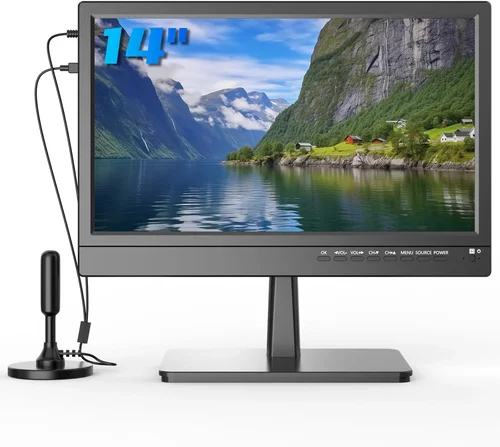
❌ Mistake: Buying an Indoor TV and Assuming It’s Fine Under Cover
Why it’s bad: Indoor TVs are not designed to handle humidity, temperature changes, or condensation. Even under a roof, moisture can seep into vents and ports, causing corrosion, short circuits, or screen fogging. Many users report failure within 6–12 months.
What to do instead: Invest in a TV with a certified IP rating or use a high-quality outdoor enclosure. If budget is tight, choose a basic weatherproof model designed for covered outdoor use.
❌ Mistake: Ignoring Brightness and Glare
Why it’s bad: A dim screen will look washed out in daylight, making it hard to see sports, movies, or menus. Glare from windows or sky light can ruin the viewing experience.
What to do instead: Choose a TV with at least 500 nits brightness and an anti-glare coating. Test the screen in similar lighting conditions if possible.
❌ Mistake: Overlooking Audio Needs
Why it’s bad: Weak built-in speakers won’t cut through outdoor noise. You’ll end up turning the volume too high, which can distort sound or drain batteries quickly.
What to do instead: Plan for external audio from day one. Budget for a weatherproof soundbar or wireless speakers to enhance clarity and volume.
❌ Mistake: Skimping on the Mount
Why it’s bad: A cheap or indoor-rated mount can rust, loosen, or fail in wet conditions, risking damage to the TV or injury.
What to do instead: Use a marine-grade stainless steel or aluminum mount rated for outdoor use. Ensure it’s compatible with your TV’s VESA pattern.
❌ Mistake: Not Checking Wi-Fi Range
Why it’s bad: Weak signal leads to buffering, app crashes, and frustration. Running Ethernet outdoors is impractical and risky.
What to do instead: Test your Wi-Fi signal at the TV location before buying. Use a mesh network or extender if needed.
❌ Mistake: Assuming All “Outdoor” TVs Are Equal
Why it’s bad: Some brands market TVs as “outdoor-ready” but lack proper sealing or cooling. Others use indoor panels in weatherproof shells.
What to do instead: Research the model’s IP rating, build materials, and user reviews. Stick to reputable brands with proven track records.
❌ Mistake: Forgetting About Power and Surge Protection
Why it’s bad: Power surges from storms can fry electronics. Cheap power strips offer little protection and can be fire hazards.
What to do instead: Use a high-quality outdoor surge protector and consider a UPS for critical components.
Budget Guidelines: How Much Should You Spend?
- Entry-Level ($300–$600): Ideal for covered patios with minimal exposure. Look for basic weatherproof LED TVs with IP54 ratings, 40–50 inches, and standard smart features. Brands like TCL and Hisense offer surprisingly good options in this range. Expect decent picture quality but limited brightness and basic audio.
- Mid-Range ($600–$1,200): The sweet spot for most buyers. These TVs offer IP55 ratings, 500+ nits brightness, better smart platforms, and improved audio. Models from SunBrite, Seura, and some Samsung outdoor lines fall here. Great for regular use in rainy climates.
- Premium ($1,200–$2,500): For uncovered decks or harsh environments. Features include IP65+ ratings, 700+ nits brightness, advanced cooling, and premium materials. Built to last 5–10 years with minimal maintenance.
- Luxury ($2,500+): Top-tier models with OLED-like contrast, ultra-bright displays, and custom installation options. Best for luxury homes or commercial use. Overkill for most residential patios.
Expert Tips for Getting the Best Deal
- Buy During Off-Season: Prices drop in late fall and winter when demand for outdoor gear is low. Look for Black Friday, Cyber Monday, or post-holiday sales.
- Check Retailer Return Policies: Choose stores with 30-day returns and free shipping. Amazon, Best Buy, and Costco offer good protection.
- Bundle with Accessories: Some retailers offer discounts when you buy a TV, mount, and surge protector together.
- Read User Reviews: Focus on long-term feedback (6+ months) to gauge durability and real-world performance.
- Consider Refurbished Models: Certified refurbished outdoor TVs from reputable sellers can save 20–30% with full warranties.
- Test Before Finalizing: If buying in-store, ask to see the TV powered on. Check for dead pixels, color accuracy, and menu responsiveness.
- Negotiate Installation: Some retailers offer free or discounted installation with purchase—especially for wall mounts.
- Use Price Tracking Tools: Apps like Honey or CamelCamelCamel alert you when prices drop on your wishlist items.
Frequently Asked Questions
Q: Can I use a regular TV under my covered patio?
A: It’s not recommended. Even covered areas can experience humidity, condensation, and wind-driven rain. Indoor TVs lack proper sealing and corrosion resistance, leading to premature failure. A weatherproof model or enclosure is safer and more reliable.
Q: What’s the difference between IP54 and IP65?
A: IP54 protects against splashing water and limited dust. IP65 offers protection against low-pressure water jets and is dust-tight. For rainy climates, IP55 or higher is ideal.
Q: Do outdoor TVs need special cables?
A: Yes. Use outdoor-rated HDMI and power cables with UV-resistant jackets. Indoor cables degrade quickly in sunlight and moisture.
Q: How long do outdoor TVs last?
A: With proper care, 5–10 years is typical. Premium models often last longer due to better materials and cooling systems.
Q: Can I leave my outdoor TV on during rain?
A: Only if it’s rated for your conditions. IP55+ TVs can handle rain, but avoid direct exposure during storms. Always use surge protection.
Q: Are outdoor TVs energy efficient?
A: Most modern LED models are efficient. Look for ENERGY STAR certification and disable unnecessary smart features to save power.
Q: Can I mount an outdoor TV on a ceiling?
A: Yes, with a compatible ceiling mount. Ensure the mount is rated for the TV’s weight and weather conditions.
Q: Do I need a permit to install an outdoor TV?
A: Usually not, but check local codes if drilling into structural elements or running electrical lines.
Q: What if my TV gets wet?
A: Turn it off immediately, unplug it, and let it dry completely. Do not power it on until inspected by a professional. Water damage is often not covered under warranty.
Q: Can I use a projector instead?
A: Projectors can work but require a clear line of sight, dark conditions, and a weatherproof screen. They’re less convenient for daily use and more prone to weather damage.
Our Final Recommendations
- Best for Budget-Conscious Buyers: TCL 50S546 Outdoor Edition – $499. IP54 rating, 500 nits brightness, Roku TV, excellent value for covered patios.
- Best Overall Value: SunBriteTV Veranda Series 55-inch – $1,099. IP55, 700 nits, robust build, ideal for rainy climates.
- Best Premium Option: Seura Shade 55-inch – $2,299. IP65, ultra-bright, fanless cooling, built for harsh weather.
- Best for Beginners: Hisense 43A6H Outdoor – $399. Simple setup, good picture, great for first-time outdoor TV owners.
- Best for Advanced Users: Samsung The Terrace 65-inch – $1,799. High brightness, smart features, sleek design, perfect for tech-savvy users.
Conclusion: Making the Right Choice
Choosing the right patio TV for a rainy climate doesn’t have to be overwhelming or expensive. By focusing on key factors like weather resistance, brightness, build quality, and smart features, you can find a model that delivers great performance without breaking the bank. Avoid common pitfalls like using indoor TVs or ignoring audio needs, and always prioritize durability and protection.
Remember, the cheapest option isn’t always the best long-term investment. A slightly higher upfront cost for a weatherproof, well-built TV can save you hundreds in replacements and repairs. Use the budget guidelines and expert tips in this guide to find the perfect balance of affordability and reliability.
Ultimately, the best TV is the one that fits your space, meets your needs, and withstands your local weather. Whether you’re watching the rain fall from your covered porch or hosting a summer barbecue, a quality outdoor TV can transform your patio into a true extension of your home. Take your time, do your research, and enjoy the outdoors—rain or shine.

