
If you’re setting up an outdoor bar—whether it’s a backyard hangout, a poolside lounge, or a commercial patio space—a TV can transform the experience. From watching the big game with friends to streaming music videos during happy hour, having a reliable outdoor TV enhances ambiance and keeps guests entertained. But here’s the catch: not all TVs are built to handle the elements. Sunlight, humidity, rain, dust, and temperature swings can quickly ruin a standard indoor television. That’s why choosing the right cheap patio TV for outdoor bar use requires more than just grabbing the lowest-priced model on sale.
This comprehensive buying guide is designed to help you navigate the often-confusing world of outdoor TVs without overspending. Whether you’re a homeowner building a DIY outdoor entertainment zone or a bar owner upgrading your patio setup, we’ll walk you through everything you need to know—from key performance specs and durability considerations to budget-friendly options that still deliver solid value. By the end of this article, you’ll have a clear roadmap to select a TV that fits your space, withstands the weather, and delivers great picture quality without breaking the bank.
The market for outdoor TVs has evolved significantly in recent years. Once dominated by ultra-expensive, fully sealed commercial-grade models, it now includes a growing number of affordable alternatives that strike a smart balance between cost and capability. Brands like SunBrite, Samsung, LG, and even budget-friendly names like Hisense and TCL now offer outdoor-ready or outdoor-compatible displays at various price points. However, “outdoor-ready” doesn’t always mean “weatherproof”—and that’s where many buyers go wrong. This guide cuts through the marketing noise to help you make an informed decision based on real-world performance, longevity, and value.

What to Look for When Buying Buying Guide
1. Weather Resistance & IP Rating
When it comes to outdoor TVs, weather resistance isn’t optional—it’s essential. Unlike indoor TVs, which sit safely behind closed windows, patio TVs face direct exposure to rain, snow, dust, pollen, and UV rays. The first thing to check is the TV’s Ingress Protection (IP) rating. This two-digit code tells you how well the device resists solids (like dust) and liquids (like water).
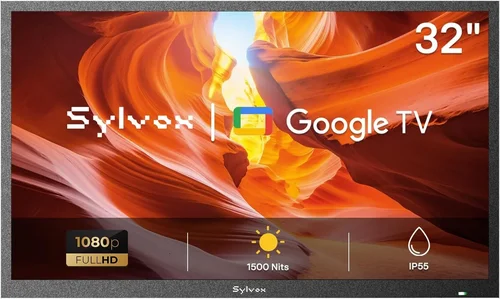
For outdoor use, look for at least an IP55 rating, which means the TV is protected against dust ingress (not fully dust-tight, but sufficient for most patios) and low-pressure water jets from any direction. If your bar is in a rainy climate or near a pool, aim for IP65 or higher—this ensures full dust protection and resistance to water projected from a nozzle. Some premium models even boast IP66 or IP67 ratings, offering near-total protection against heavy rain and temporary submersion.
But don’t stop at the IP rating. Also consider whether the TV is specifically designed for outdoor use. True outdoor TVs often feature sealed cooling systems, anti-glare screens, and corrosion-resistant materials. Avoid using indoor TVs with generic outdoor enclosures unless you’re prepared for frequent maintenance and shorter lifespans.
2. Brightness & Anti-Glare Performance
One of the biggest challenges with outdoor TVs is visibility in bright daylight. Standard indoor TVs typically peak around 300–400 nits of brightness—fine for a dim living room, but nearly invisible under direct sun. For outdoor bars, you need a display that can fight glare and maintain clarity even at noon.
Look for TVs with a minimum brightness of 700 nits, though 1,000+ nits is ideal for sunny patios. Many outdoor-specific models use high-brightness LED backlighting and anti-reflective coatings to reduce glare. Some also feature optical bonding—a process where the screen layers are fused together to minimize air gaps that cause reflections.
Additionally, consider the screen finish. Matte or anti-glare screens perform far better than glossy ones in outdoor settings. Glossy screens may look sleek indoors, but they turn into mirrors under sunlight, making content unwatchable. If brightness specs aren’t clearly listed (common with budget models), check user reviews for real-world feedback on daytime visibility.
3. Build Quality & Durability
A cheap price tag shouldn’t mean cheap construction—especially when your TV will be exposed to the elements. Durability starts with the chassis. Look for TVs with metal frames or reinforced plastic housings that resist warping, cracking, or fading over time. Avoid models with thin, flimsy backs or exposed vents that can let moisture in.
Internal components matter too. Outdoor TVs should use conformal-coated circuit boards—these are treated with a protective layer that prevents corrosion from humidity and salt air (critical if you’re near the coast). Cooling systems should be passive (fanless) or use sealed fans to avoid drawing in dust and moisture.
Mounting hardware is another durability factor. Ensure the TV supports VESA-standard wall mounts and comes with or is compatible with outdoor-rated brackets. Many budget outdoor TVs skimp on mounting options, forcing you to buy third-party solutions that may not be weatherproof.
Real-World Example:
A customer in Florida bought a $300 “outdoor-compatible” TV from a big-box store. It worked fine for two months—until a summer storm hit. Water seeped through the ventilation slots, shorting the motherboard. The manufacturer denied the warranty claim, citing “improper installation.” Lesson? Don’t assume affordability equals resilience.
4. Size & Viewing Distance
Choosing the right screen size isn’t just about aesthetics—it’s about usability. Too small, and guests at the far end of the bar won’t see the score. Too large, and it overwhelms the space or requires excessive brightness to look good.
A good rule of thumb: for every 1 foot of viewing distance, aim for 1 inch of screen size. So if your farthest seat is 8 feet away, a 55-inch TV is ideal. For smaller patios (4–6 feet), a 43-inch or 50-inch model works well. Larger commercial setups (10+ feet) may need 65-inch or even 75-inch displays.
Also consider mounting height. Outdoor TVs should be mounted at eye level when seated—typically 42–48 inches from the ground to the center of the screen. Avoid placing them too high, as this forces guests to crane their necks and reduces engagement.
5. Smart Features & Connectivity
Even on a budget, you’ll want a TV that supports modern streaming and connectivity. Most outdoor bar setups benefit from smart TV platforms like Roku TV, Google TV, or webOS, which let you stream Netflix, YouTube, sports apps, and more without extra devices.
Check for built-in Wi-Fi (dual-band 2.4GHz/5GHz is best for stability) and sufficient HDMI ports (at least two, preferably three). If you plan to connect a soundbar, gaming console, or cable box, ensure there’s an ARC (Audio Return Channel) HDMI port for simplified audio routing.
Some budget outdoor TVs omit smart features entirely, requiring you to buy a separate streaming stick (like a Roku or Fire Stick). While this saves money upfront, it adds clutter and another point of failure. We recommend integrated smart platforms for cleaner setups and easier control.
6. Audio Quality
Don’t overlook sound. Most TVs—even outdoor ones—have weak built-in speakers that struggle outdoors due to open space and ambient noise (traffic, chatter, music). However, some budget outdoor models include enhanced audio systems with higher wattage or passive radiators.
If audio quality is a priority, consider pairing your TV with a weather-resistant soundbar or outdoor speakers. Many modern TVs support Bluetooth or optical audio output, making it easy to connect external audio gear. For commercial bars, a dedicated outdoor speaker system is almost always worth the investment.
7. Brand Reputation & Reliability
Not all budget brands are created equal. While Hisense and TCL offer excellent value, their standard indoor models aren’t built for outdoor use. However, both companies now sell certified outdoor TVs through specialized retailers.
Established outdoor TV brands like SunBriteTV (by Sylvane) and Seura are known for rugged builds and reliable performance—but they come at a premium. For budget-conscious buyers, look for brands that explicitly market “all-weather” or “outdoor-rated” models, even if they’re not household names.
Always verify that the brand offers U.S.-based customer support and clear warranty terms. Avoid no-name brands sold exclusively through third-party Amazon sellers—these often vanish after a few months, leaving you with no recourse if something breaks.
8. Warranty & Support
A solid warranty can be the difference between a smart purchase and a costly mistake. Standard indoor TVs usually come with 1-year limited warranties that don’t cover weather damage. Outdoor TVs should offer longer coverage—typically 2–3 years—and explicitly include protection against environmental factors.
Read the fine print: some warranties require professional installation or specific mounting conditions to remain valid. Others exclude damage from “acts of nature” like hurricanes or flooding. If you live in a high-risk area, consider extended warranty plans or service contracts.
Customer support responsiveness matters too. Test the brand’s support before buying—send an email or call their helpline. If they’re slow to respond or unhelpful, that’s a red flag.
Different Types of Buying Guide

Common Buying Mistakes to Avoid
❌ Mistake: Buying a Standard Indoor TV for Outdoor Use
Why it’s bad: Indoor TVs lack weatherproofing, corrosion-resistant components, and adequate brightness. Even under a covered patio, humidity and temperature swings can cause internal damage within months. Most warranties won’t cover outdoor-related failures.
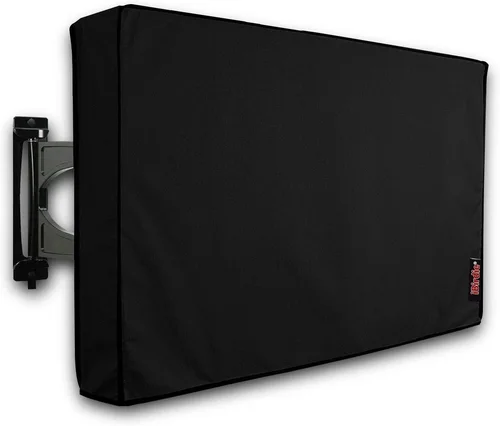
What to do instead: Invest in a TV specifically rated for outdoor or partial-shade use. If budget is tight, pair a mid-tier indoor TV with a certified outdoor enclosure—but only if the enclosure is ventilated and IP-rated.
❌ Mistake: Ignoring Brightness Specs
Why it’s bad: A dim TV looks washed out in daylight, defeating the purpose of having a screen outdoors. Guests won’t stay engaged if they can’t see the content.
What to do instead: Prioritize brightness over resolution. A 1080p TV with 1,000 nits will outperform a 4K model with 400 nits in sunny conditions. Check reviews for real-world visibility tests.
❌ Mistake: Overlooking Mounting Requirements
Why it’s bad: Improper mounting can void warranties, cause instability, or allow water ingress. Many buyers assume any wall mount will work—but outdoor mounts must resist wind, rust, and thermal expansion.
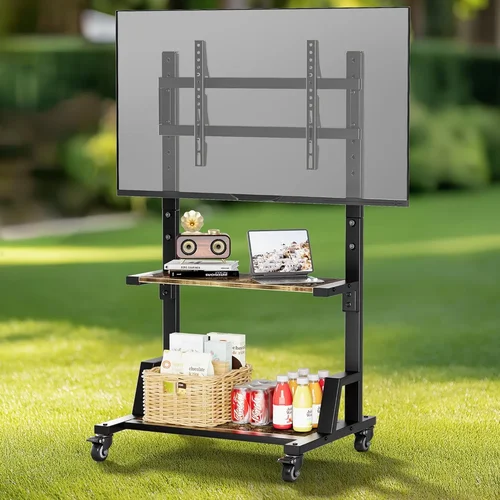
What to do instead: Use a VESA-compatible, powder-coated steel mount rated for outdoor use. Ensure it’s installed into studs or concrete—not drywall or vinyl siding.
❌ Mistake: Skipping the Warranty Fine Print
Why it’s bad: Some “outdoor” warranties exclude weather damage or require professional installation. You could be stuck with a $600 paperweight after a storm.
What to do instead: Read the warranty document before purchasing. Look for coverage of environmental damage and confirm whether DIY installation is allowed.
❌ Mistake: Choosing Based Solely on Price
Why it’s bad: The cheapest option often costs more long-term due to premature failure, poor performance, or lack of support. A $300 TV that lasts one season isn’t a bargain.
What to do instead: Calculate cost per year of expected use. A $700 TV that lasts 5 years ($140/year) is smarter than a $400 model that fails in 2 years ($200/year).
❌ Mistake: Neglecting Audio Setup
Why it’s bad: Weak TV speakers get drowned out by outdoor noise, leaving guests straining to hear commentary or music.
What to do instead: Budget for outdoor speakers or a weatherproof soundbar from day one. Many smart TVs support wireless audio, simplifying setup.
❌ Mistake: Assuming All “Outdoor” TVs Are Equal
Why it’s bad: Marketing terms like “weather-resistant” or “all-season” can be misleading. Some models are only suitable for covered areas with minimal exposure.
What to do instead: Verify the TV’s intended use case (partial shade vs. full exposure) and match it to your patio’s conditions. When in doubt, choose a more rugged model.
Budget Guidelines: How Much Should You Spend?
Outdoor TV pricing varies widely based on features, durability, and brand. Here’s a realistic breakdown to help you plan:
Entry-Level ($300–$600): This tier includes basic partial-shade models or indoor TVs paired with enclosures. Expect 43–50 inch screens, 700–800 nits brightness, and limited smart features. Ideal for small, covered patios with minimal direct sun. Brands like TCL and Hisense offer decent options here, but verify outdoor compatibility.
Mid-Range ($600–$1,000): The sweet spot for most buyers. These TVs offer 55–65 inch screens, 900–1,200 nits brightness, IP55+ ratings, and robust smart platforms. Look for models from reputable outdoor specialists or mainstream brands with certified outdoor lines. Great for semi-covered bars and residential setups.
Premium ($1,000–$2,000): For those who want reliability and performance. These include all-weather designs with metal chassis, optical bonding, and advanced cooling. Perfect for commercial bars, pool decks, or homes in harsh climates. Brands like SunBrite and Seura dominate this space.
Luxury ($2,000+): Top-tier commercial displays built for 24/7 operation in extreme conditions. Features include 1,500+ nits brightness, IP66 ratings, extended warranties, and enterprise support. Reserved for high-end resorts, stadiums, or serious enthusiasts.
Expert Tips for Getting the Best Deal
- Shop during off-seasons: Outdoor TV sales peak in spring and summer. Buy in late fall or winter (November–February) for discounts of 20–30% as retailers clear inventory.
- Compare retailers: Check specialty outdoor electronics stores (like Sylvane or Outdoor TV Direct) alongside Amazon, Best Buy, and Costco. Specialty retailers often bundle mounts or extended warranties.
- Look for refurbished models: Certified refurbished outdoor TVs from reputable sellers can save you 25–40% with full warranties. Avoid “open-box” or “seller-refurbished” listings.
- Bundle with installation: Some retailers offer free or discounted professional installation with purchase—valuable for ensuring proper mounting and warranty compliance.
- Check return policies: Ensure you have at least 30 days to test the TV in your actual outdoor conditions. Some issues (like glare or Wi-Fi dropouts) only appear on-site.
- Negotiate for commercial buyers: If you’re outfitting a bar or restaurant, ask for bulk pricing or trade discounts. Many manufacturers offer B2B programs.
- Monitor price-tracking tools: Use Honey, CamelCamelCamel, or Keepa to set alerts for price drops on your desired model.
- Verify local regulations: In some areas, outdoor TV installations require permits or compliance with noise ordinances—especially for commercial properties.

Frequently Asked Questions
Q: Can I use a regular TV outdoors if it’s under a roof?
A: Technically yes—but it’s risky. Even under cover, humidity, temperature fluctuations, and dust can damage internal components over time. Most indoor TV warranties exclude outdoor use, so a single storm could leave you with no coverage. For peace of mind, choose a TV designed for partial-shade outdoor use.
Q: Do outdoor TVs need special cables?
A: Standard HDMI and power cables work, but for longevity, use outdoor-rated versions. These feature UV-resistant jackets, waterproof connectors, and corrosion-proof shielding. Avoid running cables through walls without conduit protection.
Q: How do I clean an outdoor TV screen?
A: Use a microfiber cloth and distilled water only. Never spray liquid directly on the screen. Avoid ammonia-based cleaners (like Windex), which can degrade anti-glare coatings. For stubborn grime, lightly dampen the cloth—not the screen.
Q: Will an outdoor TV work in winter?
A: Yes, most outdoor TVs operate in temperatures from -22°F to 122°F (-30°C to 50°C). However, extreme cold can temporarily reduce brightness. Ensure the model you choose specifies cold-weather performance.
Q: Can I leave my outdoor TV on all the time?
A: Consumer-grade outdoor TVs aren’t designed for 24/7 operation. Continuous use can overheat components and shorten lifespan. Use a timer or smart plug to turn it off during closed hours. Commercial displays are built for constant use.
Q: Do I need a surge protector?
A: Absolutely. Outdoor electronics are vulnerable to power surges from lightning or grid fluctuations. Use a high-quality outdoor surge protector with at least 2,000 joules of protection and coaxial/ Ethernet ports if applicable.
Q: Are outdoor TVs energy efficient?
A: Modern LED outdoor TVs are relatively efficient, but high brightness increases power draw. Look for ENERGY STAR certification. A 55-inch outdoor TV typically uses 100–150 watts—comparable to a mid-sized indoor model.
Q: Can I mount an outdoor TV on a brick or stucco wall?
A: Yes, but use masonry anchors or Tapcon screws. Never drill blindly—locate studs or use a stud finder designed for masonry. For heavy TVs (65″+), consult a professional installer.
Q: What’s the difference between “outdoor” and “all-weather” TVs?
A: “Outdoor” is a broad term that may include partial-shade models. “All-weather” typically means fully sealed, IP65+, and suitable for direct exposure. Always check the specs, not just the marketing label.
Q: How long do outdoor TVs last?
A: With proper care, a quality outdoor TV should last 5–7 years. Cheaper models or those used in harsh conditions may fail in 2–3 years. Regular cleaning and seasonal inspections can extend lifespan.
Our Final Recommendations
Best for Budget-Conscious Buyers: TCL 55S555 55-Inch Partial-Shade Outdoor TV – At around $650, this model offers 1,000 nits brightness, IP55 rating, and Roku TV built-in. Ideal for covered patios and delivers surprising value for the price.
Best Overall Value: SunBriteTV Veranda Series 55-Inch – Priced near $900, it’s a step up in durability with a metal chassis, optical bonding, and excellent customer support. Perfect for semi-exposed bars seeking long-term reliability.
Best Premium Option: Seura Shadow 65-Inch All-Weather TV – At $1,800+, this is a top-tier choice for full-exposure environments. Features IP66 rating, 1,500 nits brightness, and sleek design. Worth it for commercial or high-end residential use.
Best for Beginners: Hisense 50A7G 50-Inch with Outdoor Enclosure Kit – A smart indoor TV ($400) paired with a certified IP65 enclosure ($200) offers a DIY-friendly entry point. Great for testing the waters before upgrading.
Best for Advanced Users: LG 65QNED85UVA with Custom Outdoor Build – For tech-savvy buyers, this high-brightness QNED panel can be integrated into a custom weatherproof cabinet. Requires expertise but delivers stunning 4K HDR performance outdoors.
Conclusion: Making the Right Choice
Choosing the right cheap patio TV for your outdoor bar doesn’t have to be overwhelming—or expensive. The key is balancing your budget with realistic expectations about durability, visibility, and longevity. Remember: the least expensive option upfront may cost more in repairs or replacements down the line. Prioritize weather resistance, brightness, and build quality, and don’t skimp on proper mounting and audio support.
Whether you’re hosting game nights in your backyard or drawing crowds to your rooftop bar, the right TV can elevate the entire experience. Use this guide to cut through the confusion, avoid common pitfalls, and invest wisely. With the right model, your outdoor space will stay vibrant, engaging, and weather-ready for years to come.
Ready to upgrade your patio? Start by assessing your space, defining your must-have features, and setting a realistic budget. Then explore the recommendations above and trusted retailers. Your perfect outdoor bar TV is out there—and now you know exactly how to find it.

