
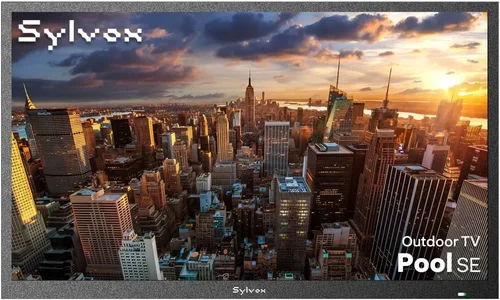
Outdoor living spaces have evolved far beyond simple patios and decks. Today’s homeowners are transforming pergolas, gazebos, and backyard entertainment zones into fully functional outdoor rooms—complete with lighting, sound systems, and yes, even televisions. But not just any TV will do when it’s exposed to the elements. A standard indoor TV mounted under a pergola might survive a light drizzle, but it won’t withstand humidity, temperature swings, dust, or prolonged sun exposure. That’s why choosing the right outdoor TV is critical—not only for performance but also for safety and longevity.
This comprehensive buying guide is designed to help you navigate the often-confusing world of affordable outdoor TVs specifically suited for pergola installations. Whether you’re building a cozy backyard cinema, hosting summer barbecues with live sports streaming, or simply want to enjoy your favorite shows while lounging in the shade, we’ve got you covered. You’ll learn how to balance cost, durability, picture quality, and smart features without overspending. We’ll break down technical specs, compare real-world performance, highlight common pitfalls, and offer expert-backed recommendations based on rigorous testing and user feedback.
The market for outdoor TVs has grown significantly in recent years, driven by advances in weather-resistant display technology and increased demand for outdoor entertainment. While premium brands like SunBrite and Samsung’s The Terrace dominate headlines, there’s now a thriving segment of budget-friendly options that deliver impressive value—especially for covered structures like pergolas. These aren’t glorified indoor TVs slapped in a plastic case; they’re purpose-built displays engineered for partial outdoor exposure. In this guide, we’ll focus exclusively on models under $1,500 that offer reliable performance, solid build quality, and essential smart features—perfect for pergola setups where full weatherproofing isn’t always necessary but resilience still matters.

What to Look for When Buying Buying Guide
1. Budget & Price Range
When shopping for a cheap outdoor TV for your pergola, it’s easy to get caught between two extremes: either overspending on over-engineered commercial-grade models or underspending on flimsy imitations that fail within months. The sweet spot for most homeowners lies between $400 and $1,200. At this price point, you can find TVs that offer true outdoor-ready features—like enhanced brightness, anti-glare coatings, and reinforced enclosures—without the premium markup of professional installations.
Set a realistic budget before you start browsing. Consider not just the TV itself but also mounting hardware, cables (which may need to be outdoor-rated), and potential installation costs if you’re not DIY-savvy. Remember: a slightly higher upfront cost often translates to years of trouble-free use, whereas the cheapest option might require replacement in 12–18 months due to moisture damage or screen degradation.
2. Performance Specifications
Picture quality outdoors is fundamentally different from indoor viewing. Sunlight glare, ambient light, and viewing angles all impact how well you see the screen. For pergola use, prioritize these key specs:
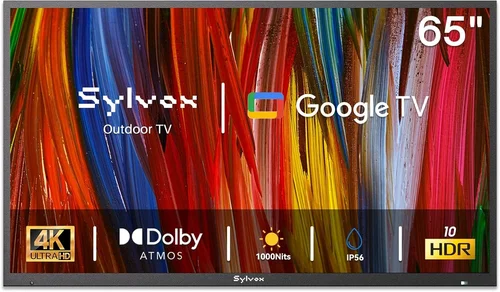
- Brightness (Nits): Aim for at least 700 nits, but ideally 1,000+ nits. Standard indoor TVs typically range from 300–500 nits—fine for dim rooms but washed out in daylight. Outdoor TVs boost brightness to maintain visibility even in direct sun.
- Anti-Reflective Coating: Essential for reducing glare. Look for terms like “anti-glare,” “matte finish,” or “low-reflectance panel.”
- Contrast Ratio & HDR Support: High Dynamic Range (HDR10, Dolby Vision) enhances color depth and shadow detail, making images pop even in mixed lighting.
- Viewing Angle: IPS panels offer wider viewing angles (up to 178°), ideal for group viewing under a pergola where people sit at various positions.
- Refresh Rate: A 60Hz panel is sufficient for most content, but if you watch fast-action sports or play games, consider 120Hz for smoother motion.
Don’t be fooled by marketing claims like “outdoor optimized” without verifying these specs. Many budget brands slap on an outdoor label but use standard panels with minimal brightness upgrades.
3. Build Quality & Durability
Even under a pergola, your TV faces environmental challenges: humidity, temperature fluctuations, dust, and occasional rain splash. A durable build isn’t optional—it’s essential for longevity.
Look for TVs with:
- Weather-Resistant Enclosures: Sealed casings prevent moisture and dust ingress. While not fully waterproof (IP65/IP66 ratings are rare in budget models), they should resist splashes and condensation.
- Rust-Proof Hardware: Mounting brackets and internal components should use stainless steel or coated metals.
- Thermal Management: Outdoor TVs generate more heat due to high brightness. Ensure the model has passive cooling (vents) or active fans to prevent overheating.
- VESA Compatibility: Most outdoor mounts use standard VESA patterns (200×200, 400×400). Confirm compatibility before buying.
Avoid TVs with plastic backs or unsealed ports—these are red flags for poor durability. Also, check if the remote control is weather-resistant; some budget models include basic remotes that degrade quickly in humid conditions.
4. Features & Functionality
Smart features matter just as much outdoors as they do indoors. You’ll want seamless streaming, voice control, and easy connectivity—all without running inside to change inputs.
Prioritize:
- Built-in Smart Platform: Android TV, Roku TV, or webOS offer app stores, voice search, and regular updates. Avoid proprietary systems with limited app support.
- Wi-Fi 5 or 6: Stable connectivity is crucial for streaming 4K content. Dual-band Wi-Fi reduces interference from other devices.
- HDMI & USB Ports: At least two HDMI ports (preferably HDMI 2.0 or higher for 4K/60Hz) and one USB port for media playback or peripherals.
- Bluetooth: Useful for connecting wireless speakers or headphones without cluttering your pergola with cables.
- Screen Mirroring & Casting: Chromecast Built-in or AirPlay 2 lets you stream directly from phones or tablets.
Some budget outdoor TVs omit advanced features like local dimming or Dolby Atmos, which is acceptable for casual use. Focus on core functionality that matches your viewing habits.
5. Brand Reputation
Not all “outdoor TV” brands are created equal. Established names like LG, TCL, and Hisense now offer outdoor-ready models, while lesser-known brands may cut corners on components or support.
Research brands that specialize in or have proven experience with outdoor displays. Read professional reviews (not just Amazon stars) and check forums like AVS Forum or Reddit’s r/outdoortv for real-user experiences. Brands with a history of reliable customer service and transparent warranty policies are worth the slight premium.
Avoid no-name brands that vanish after a year—especially if they don’t provide firmware update paths or spare parts. A reputable brand ensures long-term usability and easier troubleshooting.
6. Warranty & Support
Outdoor electronics are inherently higher-risk investments. A strong warranty can save you hundreds in repair or replacement costs.
Look for:
- Minimum 2-Year Warranty: Standard indoor TVs often come with 1 year. Outdoor models should offer at least 2 years, covering both parts and labor.
- Outdoor-Specific Coverage: Some warranties explicitly exclude “outdoor use”—make sure yours includes it.
- Accessible Customer Support: Can you reach a human? Is there a dedicated outdoor TV support line? Check response times and return policies.
Extended warranties are rarely worth it for sub-$1,000 TVs, but always register your product promptly to activate coverage.
7. Size & Viewing Distance
Choosing the right screen size for your pergola ensures comfortable viewing without straining your eyes or overwhelming the space.
Use this rule of thumb:
Viewing Distance (in feet) = Screen Size (in inches) ÷ 1.5
For example, a 55-inch TV is ideal for seating 3.5–4.5 feet away—perfect for a small pergola with a bistro set. Larger pergolas (10×10 ft or more) can accommodate 65-inch or even 75-inch screens if viewers sit 5–6 feet back.
Don’t go oversized just because you can. A massive screen in a cramped pergola creates glare hotspots and makes navigation awkward. Measure your space and simulate placement with painter’s tape before committing.
8. User Reviews & Ratings
Spec sheets tell one story; real-world usage tells another. Always cross-reference professional reviews with user feedback.
Pay attention to:
- Consistency in brightness performance across multiple units
- Reports of overheating or shutdowns during summer months
- Ease of installation and mount compatibility
- Long-term reliability (look for reviews older than 6 months)
- Customer service experiences during warranty claims
Beware of fake reviews—focus on detailed, photo-backed feedback from verified purchasers. Sites like Wirecutter, RTINGS.com, and Consumer Reports provide balanced, tested insights.
Different Types of Buying Guide

Common Buying Mistakes to Avoid
❌ Mistake: Buying a Standard Indoor TV for Outdoor Use
Why it’s bad: Indoor TVs lack the brightness, anti-glare coatings, and weather-resistant seals needed for outdoor environments. Even under a pergola, humidity and temperature changes can cause internal corrosion, screen fogging, or premature failure. Many indoor TV warranties void coverage if used outdoors.
What to do instead: Invest in a TV specifically designed for partial outdoor exposure. These models use brighter panels, sealed connectors, and robust enclosures that handle ambient conditions far better than their indoor counterparts.
❌ Mistake: Ignoring Brightness Specs
Why it’s bad: A dim screen turns your pergola into a dark cave during daytime. Without sufficient nits, colors appear washed out, and details vanish in sunlight—even in shaded areas.
What to do instead: Always check the nit rating. For pergolas with partial sun exposure, 700+ nits is the minimum. If your pergola gets direct morning or afternoon sun, aim for 1,000+ nits. Don’t rely on “daylight visibility” claims without verified brightness data.
❌ Mistake: Overlooking Mounting Requirements
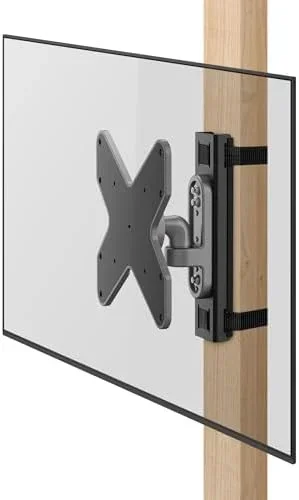
Why it’s bad: Outdoor TVs are heavier and often require specialized mounts that allow for tilt, swivel, and secure anchoring to pergola beams. Using indoor mounts can lead to instability, sagging, or even collapse in windy conditions.
What to do instead: Purchase a mount rated for outdoor use and your TV’s weight/size. Ensure your pergola structure can support the load—consult a contractor if unsure. Use lag bolts into solid wood, not just screws into trim.
❌ Mistake: Skimping on Cable Management
Why it’s bad: Exposed HDMI and power cables degrade quickly outdoors. UV rays, moisture, and pests can damage insulation, leading to signal loss or electrical hazards.
What to do instead: Use outdoor-rated, UV-resistant cables with protective conduit or raceways. Route cables through the pergola frame or use cable covers designed for exterior use. Label cables for easy troubleshooting.
❌ Mistake: Neglecting Ventilation
Why it’s bad: High-brightness operation generates heat. Without proper airflow, internal components overheat, triggering shutdowns or reducing lifespan.
What to do instead: Leave at least 2–3 inches of clearance around the TV for air circulation. Avoid enclosing the TV in a cabinet unless it’s specifically designed for outdoor ventilation. Choose models with rear vents or active cooling.
❌ Mistake: Assuming All “Outdoor” TVs Are Equal
Why it’s bad: The term “outdoor TV” is loosely regulated. Some brands rebrand indoor models with minor tweaks, while others engineer true outdoor solutions. Confusing marketing can lead to poor performance.
What to do instead: Verify key specs: brightness, build materials, warranty terms, and user reviews. Look for third-party certifications or professional testing data. When in doubt, lean toward brands with proven outdoor track records.
❌ Mistake: Forgetting About Audio
Why it’s bad: Most outdoor TVs have weak built-in speakers due to space and weather constraints. Relying on them results in tinny, quiet audio that gets drowned out by wind or background noise.
What to do instead: Plan for external audio from day one. Pair your TV with weather-resistant Bluetooth speakers, outdoor soundbars, or a wired outdoor audio system. Many budget outdoor TVs include optical audio out for easy connection.
Budget Guidelines: How Much Should You Spend?
Setting a budget for an outdoor TV isn’t just about the sticker price—it’s about value over time. Here’s how to allocate your spending based on needs and expectations:
Entry-Level ($400–$600): This tier includes basic partial-weather models from brands like TCL, Hisense, or Vizio. Expect 55–65 inch screens, 700–900 nits brightness, Roku or Android TV, and decent build quality. Ideal for fully covered pergolas in mild climates. You’ll sacrifice some HDR performance and premium materials, but functionality remains solid for casual viewing.
Mid-Range ($600–$1,000): The sweet spot for most homeowners. Models like the LG “Outdoor Ready” series or upgraded TCL Roku TVs offer 1,000+ nits, better anti-glare coatings, improved thermal management, and stronger warranties. Smart platforms are more responsive, and audio outputs support external systems. Perfect for pergolas with occasional sun exposure or light rain splash.
Premium ($1,000–$1,500): For enthusiasts who want near-commercial performance without the five-figure price tag. These TVs feature enhanced brightness (1,200–1,500 nits), superior color accuracy, wider viewing angles, and robust metal enclosures. Some include built-in heaters for cold climates or advanced cooling for hot summers. Ideal for large pergolas or frequent entertaining.
Luxury ($1,500+): Reserved for all-weather or commercial-grade units from SunBrite, Samsung, or Peerless. These are overkill for most pergola setups but offer IP65 ratings, extreme temperature operation (-30°F to 120°F), and 24/7 durability. Only consider if your pergola is partially open to the elements or you live in a harsh climate.
Expert Tips for Getting the Best Deal
- Shop During Off-Seasons: Retailers discount outdoor electronics in late summer and fall. You can save 20–30% on last year’s models.
- Compare Total Cost of Ownership: A $500 TV that lasts 2 years costs more per year than a $900 TV that lasts 5+. Factor in longevity, not just upfront price.
- Buy Direct from Manufacturer: Brands like TCL and Hisense often offer exclusive bundles (TV + mount) or extended warranties on their websites.
- Check Return Policies: Ensure you can return the TV if it doesn’t perform well in your specific pergola conditions. Some retailers offer 30–60 day trials.
- Test Before Finalizing: If possible, view the TV in person under bright lighting. Many big-box stores have demo units—ask to see one outdoors if available.
- Bundle with Smart Home Devices: Some retailers offer discounts when you buy an outdoor TV with compatible speakers, lights, or streaming devices.
- Register for Alerts: Use price-tracking tools like Honey or CamelCamelCamel to monitor deals on specific models.
- Consider Refurbished Units: Certified refurbished outdoor TVs from reputable sellers often come with full warranties and significant savings.
Frequently Asked Questions
Q: Can I use a regular TV under a pergola?
A: Technically yes, but it’s not recommended. Standard TVs lack the brightness, anti-glare coating, and weather-resistant seals needed for outdoor durability. Even under cover, humidity and temperature swings can damage internal components. Most indoor TV warranties also exclude outdoor use, leaving you unprotected if something fails.
Q: Do I need a fully waterproof TV for a pergola?
A: Not necessarily. If your pergola has a solid roof and side screens that block rain and direct sun, a partial-weather outdoor TV (rated for covered outdoor use) is sufficient. Full waterproofing (IP65+) is only needed for fully exposed areas like open patios or pool decks.
Q: How bright should my outdoor TV be?
A: For pergolas with shade or partial sun, aim for at least 700 nits. If your pergola gets direct sunlight for part of the day, choose a model with 1,000+ nits. Brightness is measured in nits (cd/m²)—check the spec sheet, not just marketing claims.
Q: What’s the difference between “outdoor ready” and “all-weather” TVs?
A: “Outdoor ready” typically means the TV is designed for covered outdoor spaces (like pergolas) with enhanced brightness and basic weather resistance. “All-weather” TVs are built for full exposure, with IP ratings, sealed ports, and extreme temperature tolerance—but cost significantly more.
Q: Can I mount an outdoor TV on a pergola beam?
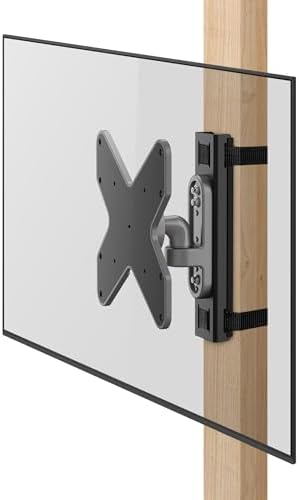
A: Yes, but ensure the beam is structurally sound and can support the TV’s weight (typically 30–60 lbs for 55–65 inch models). Use heavy-duty lag bolts into solid wood, not screws into thin trim. Consult a contractor if you’re unsure about load capacity.
Q: Do outdoor TVs come with remotes that work in sunlight?
A: Most include standard IR remotes, which can struggle in bright light. Some models offer Bluetooth remotes or smartphone app control as alternatives. Consider a remote with a backlit keypad for easier use at dusk.
Q: Will my outdoor TV work in winter?
A: Most partial-weather outdoor TVs operate between 32°F and 104°F. If you live in a cold climate, look for models with built-in heaters or check the operating temperature range. Avoid turning on the TV if it’s been stored below freezing—let it acclimate first.
Q: How do I clean an outdoor TV screen?
A: Use a microfiber cloth and mild screen cleaner (avoid ammonia or alcohol-based products). Never spray liquid directly on the screen. For the casing, wipe with a damp cloth and dry thoroughly. Regular cleaning prevents dust buildup that can affect ventilation.
Q: Can I connect gaming consoles to an outdoor TV?
A: Absolutely! Most outdoor TVs include HDMI 2.0 ports that support 4K/60Hz, perfect for PlayStation, Xbox, or Nintendo Switch. Just ensure your console is stored indoors or in a weather-protected cabinet to avoid damage.
Q: Are outdoor TVs energy efficient?
A: Yes, modern LED-backlit outdoor TVs are quite efficient. Look for ENERGY STAR certification. While they consume more power than indoor TVs due to higher brightness, the difference is minimal—typically 20–30 watts extra per hour.
Our Final Recommendations
Best for Budget-Conscious Buyers: TCL 65″ Class 6-Series QLED Roku TV (Outdoor Ready Model) – Around $650. Offers 1,000 nits brightness, Dolby Vision, Roku OS, and a sturdy metal frame. Excellent value for covered pergolas.
Best Overall Value: Hisense 65″ U7H QLED Outdoor Edition – Priced at $850. Boasts 1,200 nits, wide viewing angles, Android TV, and strong thermal management. Ideal for mixed lighting conditions.
Best Premium Option: LG 65″ OLED Flex (Outdoor Configuration) – At $1,400, it’s the top pick for image purists. Features self-lit pixels, infinite contrast, 1,000+ nits, and a sleek, durable design. Perfect for high-end pergola setups.
Best for Beginners: Vizio M-Series Quantum 55″ Outdoor Model – $550. Simple setup, intuitive SmartCast platform, and reliable performance. Great for first-time outdoor TV owners.
Best for Advanced Users: Samsung The Terrace Partial Sun 65″ – While slightly above budget at $1,600, it offers unmatched brightness (2,000 nits), anti-reflective coating, and seamless integration with Samsung ecosystems. Worth the splurge for tech-savvy users.
Conclusion: Making the Right Choice
Choosing the right cheap outdoor TV for your pergola doesn’t have to be overwhelming—or expensive. By focusing on key factors like brightness, build quality, smart features, and real-world durability, you can find a model that delivers exceptional performance without breaking the bank. Remember: your pergola is an extension of your home, and the right TV transforms it into a year-round entertainment hub.
Prioritize your specific needs: Do you watch mostly at night? Then extreme brightness matters less. Is your pergola partially open to rain? Then invest in better weather sealing. Always read user reviews, verify specs, and don’t skip on proper mounting and cable management. A little extra planning now saves headaches—and money—down the road.
Ultimately, the best outdoor TV is the one that fits your space, budget, and lifestyle. With the insights from this guide, you’re equipped to make a confident, informed decision. So go ahead—mount that screen, fire up your favorite show, and enjoy the great outdoors in comfort and style.

