
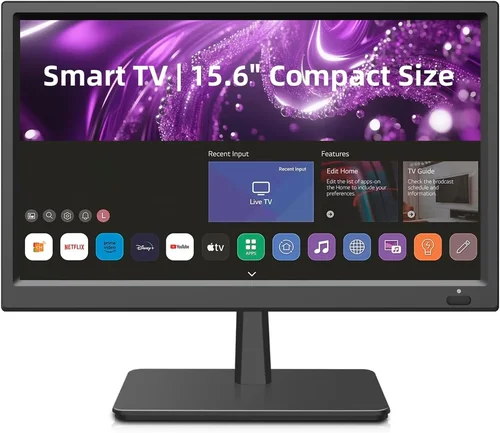
If you’ve ever dreamed of sipping your morning coffee while catching up on the news, or unwinding after a long day with your favorite show under the stars, then a garden TV might just be the upgrade your outdoor space has been waiting for. But let’s be real—most of us aren’t looking to drop thousands on a high-end outdoor display. That’s where the search for a cheap garden TV comes in. Whether you have a cozy balcony, a compact patio, or a small backyard nook, finding an affordable yet reliable outdoor TV can transform your outdoor living experience without blowing your budget.
This guide is designed specifically for homeowners, renters, and outdoor enthusiasts who want to enjoy quality entertainment alfresco—without the premium price tag. We’ll walk you through everything you need to know to make a smart, informed decision. From understanding what truly matters in an outdoor TV (hint: it’s not just about being “weatherproof”) to comparing different types, avoiding common pitfalls, and even timing your purchase for maximum savings, this is your go-to resource. By the end, you’ll know exactly how to find a garden TV that fits your space, your needs, and your wallet.
The market for outdoor TVs has exploded in recent years, but not all options are created equal—especially when you’re shopping on a budget. While full-blown commercial-grade outdoor displays can cost $3,000 or more, there are now plenty of affordable alternatives that deliver solid performance for casual use. These range from weather-resistant indoor TVs used with protective covers to semi-outdoor models built for covered patios and screened-in porches. The key is knowing what to prioritize and where to compromise. This guide cuts through the marketing fluff and focuses on real-world value, helping you avoid overpaying for features you don’t need while ensuring you don’t end up with a TV that fizzles out after one rainy season.

What to Look for When Buying a Cheap Garden TV
1. Budget & Price Range
When shopping for a cheap garden TV, your budget is the foundation of every decision. But “cheap” doesn’t have to mean “low quality.” In fact, many budget-friendly outdoor TVs offer excellent value if you know what to look for. For small patios, you can often find suitable options between $300 and $800—especially if you’re flexible on brand or don’t need ultra-bright 4K HDR performance.
Start by setting a firm spending limit. Ask yourself: How often will I actually use this TV? If it’s just for weekend movie nights or casual viewing, you probably don’t need a $2,000 commercial model. On the other hand, if you live in a region with frequent rain or intense sun, skimping too much could lead to premature failure. A good rule of thumb is to allocate at least $500–$600 for a durable, weather-protected model that will last 3–5 years with proper care.
Also consider hidden costs. Some “budget” TVs require additional purchases like outdoor enclosures ($150–$400), mounting hardware rated for outdoor use, or specialized cables. Factor these into your total cost. Sometimes, spending $200 more upfront on a TV that includes a weatherproof housing saves you money in the long run.
2. Performance Specifications
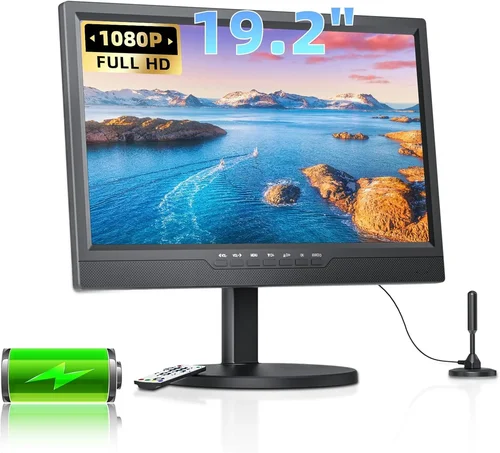
Don’t let the word “cheap” fool you into thinking specs don’t matter. Even for a small patio, image quality, brightness, and connectivity play crucial roles in your viewing experience. Start with screen size: for patios under 100 square feet, a 32- to 43-inch TV is usually ideal. Anything larger may overwhelm the space or require you to sit too close, reducing picture clarity.
Resolution is next. While 4K is becoming standard even in budget models, 1080p Full HD is still perfectly acceptable for screens under 40 inches viewed from 6–8 feet away. However, if you plan to stream content or connect a gaming console, 4K offers noticeably sharper detail—and many affordable models now include it.
Brightness is critical for outdoor use. Indoor TVs typically peak around 300–400 nits, which isn’t enough for direct sunlight. For covered patios with partial shade, aim for at least 500 nits. If your space gets dappled sunlight or you watch during golden hour, consider models with 700+ nits or use a glare-reducing screen protector.
Refresh rate matters too, especially if you watch sports or action movies. A 60Hz panel is fine for casual viewing, but 120Hz (or motion smoothing tech) reduces blur during fast scenes. Check HDMI ports—at least two are recommended for connecting streaming devices, soundbars, or game consoles. And don’t forget smart features: built-in Wi-Fi and platforms like Roku, Android TV, or webOS let you stream without extra hardware.
3. Build Quality & Durability
This is where many budget buyers go wrong. An outdoor TV isn’t just an indoor TV left outside—it needs to withstand temperature swings, humidity, dust, and occasional splashes. Look for TVs explicitly rated for outdoor or semi-outdoor use. The IP (Ingress Protection) rating tells you how well it resists elements. For covered patios, IP54 (splash-resistant) is usually sufficient. For areas exposed to rain or sprinklers, aim for IP55 or higher.
Materials matter too. Aluminum or powder-coated steel housings resist rust better than plastic. Check seals around ports and vents—poor sealing is a common failure point. Also, ensure the internal components are designed to operate in wider temperature ranges (typically -22°F to 122°F for outdoor models vs. 32°F to 95°F for indoor ones).
Even if you buy a weather-resistant model, avoid placing it in direct rainfall or extreme heat. Most “outdoor” TVs are meant for covered spaces—not open decks. And never assume a TV labeled “weatherproof” can survive a thunderstorm. When in doubt, consult the manual or manufacturer specs.
4. Features & Functionality
Beyond basic viewing, think about how you’ll use your garden TV. Do you want voice control? Built-in streaming apps? Bluetooth audio? These features can enhance convenience without adding much cost.
Smart TV platforms are almost standard now, but not all are equal. Roku TVs are user-friendly and support nearly every streaming service. Android TV offers deeper customization and Google Assistant integration. webOS (LG) and Tizen (Samsung) are sleek but may have fewer app options. Choose based on your ecosystem—if you use Google Home or Alexa, compatibility matters.
Audio is often overlooked. Most slim TVs have weak built-in speakers. For a small patio, a compact soundbar or wireless Bluetooth speaker can dramatically improve sound quality. Some models even support HDMI ARC or optical audio out for easy connection.
Connectivity extends beyond HDMI. USB ports let you play media from flash drives. Ethernet ports provide stable internet if Wi-Fi is spotty outdoors. And if you plan to mount the TV high up, ensure the ports are easily accessible—some enclosures block rear inputs.
Lastly, consider remote control usability. Outdoor remotes should be backlit or large-buttoned for evening use. Universal remotes or smartphone apps (via Wi-Fi) can also simplify operation.
5. Brand Reputation
Not all budget brands are unreliable, but reputation does matter—especially for electronics exposed to the elements. Stick with manufacturers known for consistent quality and customer support. Brands like Samsung, LG, Sony, and TCL offer reliable entry-level outdoor-compatible models. Emerging names like Hisense and Vizio provide great value but may have shorter track records in outdoor durability.
Research how each brand handles outdoor-specific issues. Do they offer weather-resistant models? Are replacement parts available? How responsive is their customer service if something goes wrong? Online forums and Reddit communities often share real-user experiences that specs sheets don’t reveal.
Avoid no-name brands sold exclusively through third-party Amazon sellers unless they have overwhelmingly positive reviews and clear warranty terms. These units may cut corners on components or lack proper certifications.
6. Warranty & Support
A cheap TV isn’t a bargain if it breaks in six months with no recourse. Always check the warranty length and coverage. Standard indoor TVs usually come with 1-year limited warranties. Outdoor or semi-outdoor models may offer 2–3 years, sometimes with extended coverage for environmental damage.
Read the fine print: some warranties void if the TV is used outside without an approved enclosure. Others exclude “acts of nature” like lightning strikes or flooding. If you live in a storm-prone area, consider adding accidental damage protection at checkout.
Support matters too. Can you easily reach a human for troubleshooting? Is there a local service center? Brands with strong U.S.-based support (like Samsung or LG) tend to resolve issues faster than those relying on overseas call centers.
7. Size & Portability
For small patios, size isn’t just about screen dimensions—it’s about physical footprint and ease of setup. A 43-inch TV might seem manageable, but with a stand or mount, it can dominate a tiny space. Measure your intended location carefully, including clearance for ventilation (most TVs need 2–4 inches behind them).
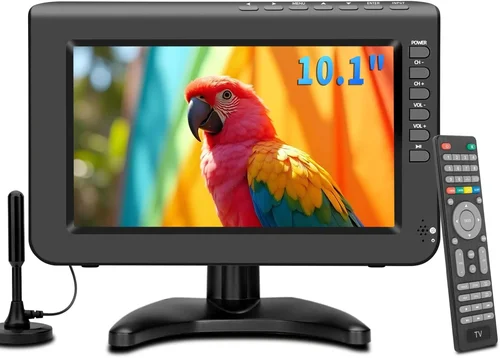
Portability matters if you rent or move frequently. Some outdoor TVs are designed to be lightweight and easy to relocate. Others are heavy and require permanent mounting. If you anticipate moving the TV indoors during winter, choose a model that’s easy to disassemble or store.
Wall mounts vs. stands: Wall mounting saves floor space and looks cleaner, but requires drilling. Freestanding models offer flexibility but take up table or shelf space. Ensure any mount you buy is rated for outdoor use and can support the TV’s weight.
8. User Reviews & Ratings
Specs tell one story; real users tell another. Before buying, spend time reading verified purchase reviews on Amazon, Best Buy, or specialty outdoor electronics sites. Look for patterns: Do multiple users report overheating? Poor Wi-Fi range? Failing seals after rain?
Pay attention to reviews from people in similar climates. A TV that works fine in Arizona might struggle in Florida’s humidity. Also check recent reviews—manufacturers often update models yearly, so a 2022 review may not reflect the 2026 version.
Use tools like “filter by rating” to see what 1- and 2-star reviewers complain about. Common red flags include: “stopped working after first rain,” “screen glare makes it unwatchable in daylight,” or “remote stopped responding.” If these appear repeatedly, steer clear.
Different Types of Garden TVs

Common Buying Mistakes to Avoid
❌ Mistake: Assuming All “Outdoor” TVs Are Created Equal
Why it’s bad: The term “outdoor TV” is loosely used. Some manufacturers slap “weather-resistant” on indoor models with minimal modifications. Without checking IP ratings or temperature tolerances, you risk buying a TV that fails in mild weather.
What to do instead: Always verify the IP rating and operating temperature range. If the product description is vague or lacks certifications, contact the seller or avoid it altogether.
❌ Mistake: Ignoring Sunlight and Glare
Why it’s bad: Even on a covered patio, reflected light from concrete, water, or nearby surfaces can wash out the screen. A dim TV becomes unwatchable during daytime hours.
What to do instead: Choose a model with high brightness (500+ nits) and consider positioning the TV perpendicular to windows or using outdoor curtains to reduce glare.
❌ Mistake: Overlooking Ventilation Needs
Why it’s bad: Electronics generate heat. Enclosing a TV without proper airflow leads to overheating, reduced lifespan, or sudden shutdowns.
What to do instead: If using an enclosure, ensure it has built-in vents or fans. Never seal a TV in an airtight box. Allow at least 2 inches of clearance on all sides.
❌ Mistake: Buying Based Solely on Price
Why it’s bad: The cheapest option often cuts corners on durability, brightness, or support. You may end up replacing it within a year—costing more long-term.
What to do instead: Aim for the best value, not the lowest price. Spend slightly more on a reputable brand with good reviews and warranty coverage.
❌ Mistake: Neglecting Audio Quality
Why it’s bad: Outdoor environments have ambient noise (birds, traffic, wind). Weak TV speakers make dialogue hard to hear, ruining the experience.
What to do instead: Pair your TV with a compact outdoor soundbar or waterproof Bluetooth speaker. Many budget models support audio output via HDMI ARC or optical.
❌ Mistake: Forgetting About Power and Connectivity
Why it’s bad: Running extension cords across your patio is unsafe and unsightly. Weak Wi-Fi signals outdoors cause buffering.
What to do instead: Plan your setup in advance. Use outdoor-rated extension cords or hire an electrician to install a weatherproof outlet nearby. Consider a Wi-Fi extender if your router is far away.
❌ Mistake: Not Checking Return Policies
Why it’s bad: Outdoor conditions vary. A TV that works in a showroom may fail in your specific environment. Without a good return window, you’re stuck with a dud.
What to do instead: Buy from retailers with at least 30-day return policies (Best Buy, Amazon, Costco). Test the TV thoroughly during this period.
Budget Guidelines: How Much Should You Spend?
– Entry-Level ($300–$500): Best for fully covered, shaded patios with minimal sun exposure. Expect 1080p or basic 4K resolution, 32–40 inch screens, and reliance on an outdoor enclosure. Ideal for occasional evening use. Brands like TCL and Hisense offer solid options here.
– Mid-Range ($500–$800): The sweet spot for most small patio owners. You’ll find weather-resistant models with 4K, 500–700 nits brightness, smart features, and better build quality. Great for covered decks with partial sun. Look for LG UQ75, Samsung TU690T, or Vizio V-Series with outdoor covers.
– Premium ($800–$1,500): For those who want reliability and performance. These include semi-outdoor TVs with IP55 ratings, high brightness, and robust cooling. Perfect for three-season rooms or patios with dappled sunlight. Models like the SunBrite Veranda series (on sale) or premium TCL Roku TVs with enclosures fit here.
– Luxury ($1,500+): Reserved for fully exposed areas or commercial use. These are true all-weather TVs with 1,000+ nits, anti-reflective glass, and 24/7 operation capability. Overkill for a small patio unless you live in extreme climates.
Expert Tips for Getting the Best Deal
– Buy in Spring or Fall: Patio season drives demand in summer, so prices dip in early spring (March–April) and late fall (October–November). Retailers clear inventory before new models arrive.
– Shop Refurbished or Open-Box: Certified refurbished TVs from manufacturers like Samsung or LG often come with full warranties and cost 20–30% less. Open-box deals at Best Buy can save even more.
– Use Price Tracking Tools: Set alerts on CamelCamelCamel (for Amazon) or Honey to notify you when prices drop on specific models.
– Check Local Classifieds: Facebook Marketplace or Craigslist sometimes has barely-used outdoor TVs from people who upgraded. Inspect thoroughly before buying.
– Bundle with Accessories: Some retailers offer discounts when you buy a TV + mount + cover together. Calculate total savings—it might beat buying separately.
– Read the Warranty Fine Print: Ensure outdoor use is covered. Some brands void warranties if used without their approved enclosure.
– Test Before Committing: If possible, visit a store to check screen brightness and color accuracy under bright lighting. Bring a flashlight to simulate sunlight glare.
– Consider Energy Efficiency: Outdoor TVs run longer hours. Look for ENERGY STAR ratings to save on electricity over time.

Frequently Asked Questions
Q: Can I use a regular indoor TV outside on my patio?
A: Yes—but only if it’s fully covered and protected from rain, humidity, and extreme temperatures. You’ll need a high-quality outdoor enclosure with ventilation and UV protection. Never leave an indoor TV exposed to the elements, even briefly.
Q: What’s the difference between IP54 and IP65?
A: IP54 protects against splashing water and dust (suitable for covered patios). IP65 is dust-tight and protects against low-pressure water jets (better for areas near sprinklers or light rain). For most small patios, IP54 is sufficient.
Q: Do I need a special mount for an outdoor TV?
A: Yes. Outdoor mounts are made from rust-resistant materials (like stainless steel or powder-coated aluminum) and are rated for wind and weather. Indoor mounts can corrode or fail outdoors.
Q: How bright should my garden TV be?
A: For shaded patios: 400–500 nits. For partial sun: 600–700 nits. For direct sunlight: 1,000+ nits (but these are rarely needed on small patios). Most budget outdoor-compatible TVs hit 500–700 nits.
Q: Will my Wi-Fi reach the patio?
A: Not always. Thick walls, distance, and interference can weaken signals. Use a Wi-Fi extender or mesh system placed near the patio. Alternatively, run an Ethernet cable through a conduit for a wired connection.
Q: Can I leave my garden TV on all day?
A: Only if it’s a commercial-grade model designed for 24/7 operation. Most consumer outdoor TVs are meant for intermittent use (4–8 hours/day). Continuous use can overheat components.
Q: Are outdoor TVs worth it for a small space?
A: Absolutely—if you enjoy outdoor living. A modest investment enhances relaxation, entertainment, and even property value. Just match the TV to your usage and environment.
Q: What happens if my outdoor TV gets rained on?
A: If it’s properly rated (IP54 or higher) and installed under cover, occasional splashes won’t harm it. But direct rainfall can cause irreversible damage. Always position it under an eave, pergola, or awning.
Q: Can I connect a soundbar to my garden TV?
A: Yes! Most modern TVs support HDMI ARC, optical audio, or Bluetooth. Choose a weather-resistant soundbar or place a regular one under cover near the TV.
Q: How long do outdoor TVs last?
A: With proper care, 5–7 years is typical. Harsh climates or poor ventilation can shorten this. Regular cleaning and seasonal storage (if possible) extend lifespan.
Our Final Recommendations
– Best for Budget-Conscious Buyers: TCL 4-Series 43S450G ($350) – A reliable 4K Roku TV that pairs perfectly with a $150 outdoor enclosure. Great for covered patios with minimal sun.
– Best Overall Value: LG UQ7570PUD 50-inch ($650) – Bright 4K display, webOS smart platform, and excellent color accuracy. Add a weatherproof cover for full outdoor protection.
– Best Premium Option: SunBriteTV Veranda Series 43-inch ($1,200 on sale) – True outdoor TV with IP55 rating, 700 nits brightness, and built-in heater/cooler. Ideal for three-season use.
– Best for Beginners: Hisense A6 Series 40H7 ($400) – Simple setup, Google TV, and good brightness. Easy to enclose and relocate.
– Best for Advanced Users: Samsung The Terrace Partial Sun 55-inch ($1,400) – High brightness, anti-reflective screen, and robust build. Overkill for tiny patios but unmatched performance.
Conclusion: Making the Right Choice
Choosing a cheap garden TV for your small patio doesn’t have to be overwhelming—or expensive. By focusing on your actual needs (coverage, usage frequency, climate) rather than flashy specs, you can find a model that delivers great entertainment without overspending. Prioritize weather protection, brightness, and smart features, but don’t ignore audio, ventilation, and warranty details.
Remember, the goal isn’t to buy the cheapest TV possible—it’s to invest wisely in a device that enhances your outdoor lifestyle for years to come. Whether you’re streaming sunset movies or catching the big game with friends, the right garden TV turns your patio into a true living space.
So measure your area, set your budget, read those reviews, and take advantage of seasonal deals. Your perfect outdoor viewing experience is just a smart purchase away. Happy watching!

