
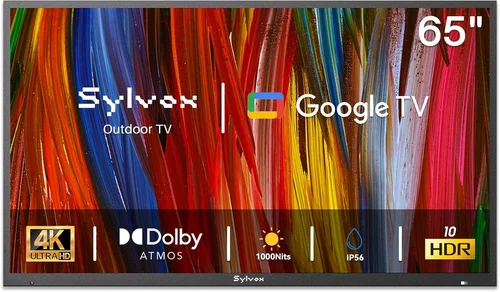
Outdoor living spaces have evolved far beyond simple patios and backyards—they’re now full-fledged extensions of our homes, complete with kitchens, fire pits, and yes, outdoor entertainment systems. Among the most coveted upgrades? A reliable deck TV that can withstand the elements while delivering crisp picture quality and seamless connectivity. But here’s the catch: most outdoor TVs come with a hefty price tag, often exceeding $2,000—even for modest screen sizes. That’s why finding a cheap deck TV for cold weather isn’t just about saving money; it’s about balancing affordability with real-world performance in harsh conditions.
This guide is designed for homeowners, DIY enthusiasts, and outdoor entertainers who want to enjoy their favorite shows, sports, or movies on the deck without breaking the bank—or compromising on durability. Whether you live in Minnesota where winter temps dip below zero or in the Pacific Northwest with its damp, chilly winters, you need a TV built to handle cold, moisture, and temperature swings. We’ll walk you through everything you need to know: from understanding what makes an outdoor TV truly “cold-weather ready,” to comparing budget-friendly options, avoiding common pitfalls, and making smart purchasing decisions based on your specific needs.
The market for outdoor TVs has expanded significantly in recent years, but it’s still rife with confusion. Many consumers mistakenly assume that any TV labeled “outdoor” will automatically survive sub-freezing temperatures—or that placing a regular indoor TV under a covered patio is sufficient. Spoiler alert: it’s not. True outdoor TVs are engineered with sealed enclosures, specialized cooling and heating systems, anti-glare screens, and weather-resistant components. However, even within this niche category, prices vary wildly. Our goal is to help you identify which features matter most, how to stretch your dollar without sacrificing reliability, and where to find the best value in 2026.

What to Look for When Buying Buying Guide
1. Cold Weather Operating Range
Not all outdoor TVs are created equal when it comes to temperature tolerance. While some models claim to operate down to 32°F (0°C), others are rated for much colder climates—down to -22°F (-30°C) or even lower. This spec is critical if you live in regions with long, harsh winters. Look for TVs that explicitly state their operating temperature range in the product specifications. Avoid vague marketing terms like “weather-resistant” without concrete data. A true cold-weather deck TV should maintain functionality during sudden temperature drops and resist internal condensation buildup, which can damage circuitry over time.
2. Enclosure Design & IP Rating
The physical build of your deck TV determines its resilience against snow, ice, rain, and wind-driven debris. A robust outdoor enclosure should be fully sealed to prevent moisture ingress. Look for an Ingress Protection (IP) rating of at least IP55 (protected against dust and low-pressure water jets) or higher. For extreme cold, opt for enclosures made from powder-coated aluminum or marine-grade stainless steel—materials that resist corrosion and thermal expansion. Avoid plastic housings, which can become brittle in freezing temperatures and crack under stress.
Additionally, ensure the TV has passive or active thermal management. Passive systems rely on ventilation and insulation, while active systems include built-in heaters or fans. In cold climates, a TV with a low-temperature heater is ideal—it gently warms internal components to prevent startup failure in frigid conditions.
3. Screen Technology & Brightness
Outdoor visibility is paramount. Even under a covered deck, ambient light—especially snow reflection or early morning sun—can wash out an indoor TV’s display. Look for a screen with high brightness, measured in nits. For shaded or partially covered decks, aim for at least 700 nits; for fully exposed areas, 1,000+ nits is preferable. Many budget outdoor TVs use LCD panels with enhanced backlighting, but avoid models with standard indoor brightness (typically 250–400 nits).
Anti-reflective coatings and optically bonded glass also improve visibility by reducing glare and enhancing contrast. Some cheaper models skimp on these features, leading to poor image quality in daylight. If possible, view the TV in person or check video reviews that demonstrate real-world outdoor performance.
4. Connectivity & Smart Features
Don’t let cost-cutting compromise your entertainment experience. Even budget-friendly deck TVs should offer modern connectivity: HDMI ports (at least two), USB inputs, Wi-Fi, and Bluetooth. Smart TV platforms like Roku TV, Android TV, or webOS allow streaming directly from apps like Netflix, YouTube, and Hulu—eliminating the need for external devices. However, verify that the smart OS remains responsive in cold weather; some processors slow down or lag when temperatures drop.
Consider future-proofing: if you plan to add a soundbar, gaming console, or streaming stick, ensure there are enough ports and that the TV supports HDMI-CEC for easy control. Also, check if the remote is weather-resistant or if the TV supports voice control via Alexa or Google Assistant—useful when your hands are cold or gloved.
5. Power Efficiency & Energy Costs
Running a TV outdoors 24/7—especially one with heating elements—can spike your electricity bill. Look for Energy Star-certified models or those with low power consumption ratings (typically under 150W for a 55-inch screen). Some outdoor TVs include programmable timers or motion sensors that power down when no one is around, saving energy and extending component life.
In cold climates, the internal heater may draw additional power during startup or prolonged cold snaps. Ask manufacturers about average wattage during heating cycles. A well-insulated TV with efficient thermal design will use less energy than one that constantly battles the cold.
6. Installation & Mounting Flexibility
A cheap deck TV isn’t truly affordable if it requires expensive custom mounting or professional installation. Most outdoor TVs are VESA-compatible, meaning they work with standard wall or ceiling mounts. However, verify the weight and dimensions—some budget models are surprisingly heavy due to reinforced enclosures.
Consider where you’ll place the TV: under a pergola, on a freestanding pole, or flush-mounted into a wall. Ensure the included mounting hardware is rust-proof (stainless steel bolts, galvanized brackets) and that the TV allows cable routing through sealed grommets to maintain weather resistance. If you’re DIY-ing the setup, look for models with clear installation guides and pre-drilled holes.
7. Brand Reputation & Real-World Reliability
Just because a TV is cheap doesn’t mean it’s a bargain if it fails after one winter. Research brands known for outdoor electronics: SunBriteTV, Seura, and Peerless-AV are premium names, but companies like Sylvane, Outdoor TV, and even some mainstream brands (e.g., Samsung with select outdoor models) offer more affordable alternatives. Read long-term user reviews on forums like Reddit’s r/OutdoorTV or AV-focused communities.
Pay attention to failure patterns: do users report cracked screens after freeze-thaw cycles? Do heaters stop working? Are customer service reps knowledgeable about cold-weather issues? A brand with responsive support and a history of durable products is worth a slight premium.
8. Warranty & Return Policy
A strong warranty is your safety net. Look for at least a 2-year comprehensive warranty that covers both parts and labor—especially for heating/cooling systems. Some brands offer extended warranties for an additional fee, which may be worthwhile in extreme climates. Avoid sellers with “as-is” listings or limited return windows (less than 30 days).
Check if the warranty is valid only if installed by a certified technician—some manufacturers void coverage for DIY setups. If you’re handy, confirm whether self-installation is permitted. Also, ensure the retailer (not just the manufacturer) honors returns in case the TV arrives damaged or incompatible with your setup.
Different Types of Buying Guide

Common Buying Mistakes to Avoid
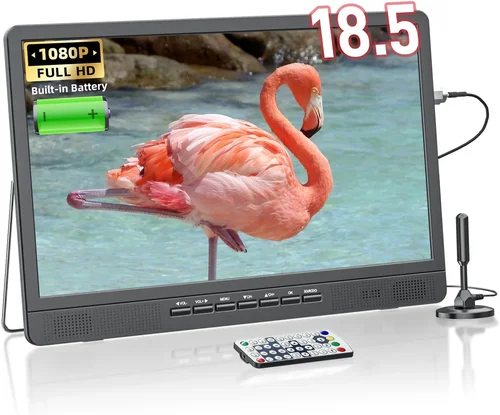
❌ Mistake: Assuming All “Outdoor” TVs Handle Cold Weather
Why it’s bad: Many TVs marketed as “outdoor” are only designed for mild climates or covered patios. They lack internal heaters or proper insulation, leading to startup failures or permanent damage in sub-freezing temps.
What to do instead: Always verify the operating temperature range. If it’s not clearly stated, contact the manufacturer. Opt for models explicitly rated for cold weather.
❌ Mistake: Using an Indoor TV with a DIY Enclosure
Why it’s bad: While tempting for cost savings, enclosing an indoor TV traps heat and moisture, creating condensation that corrodes circuits. Most indoor TVs aren’t built to dissipate heat in sealed spaces.
What to do instead: If you must go this route, use a ventilated, non-sealed enclosure and only operate the TV in above-freezing conditions. Better yet, invest in a purpose-built outdoor model.
❌ Mistake: Ignoring Power Requirements
Why it’s bad: Outdoor TVs with heaters can draw significant power. Running one on an undersized circuit or extension cord may cause tripped breakers or fire hazards.
What to do instead: Have an electrician assess your deck’s wiring. Use a dedicated outdoor-rated outlet with GFCI protection.
❌ Mistake: Overlooking Mounting Compatibility
Why it’s bad: A TV that doesn’t fit your existing mount—or requires expensive custom brackets—adds hidden costs and installation headaches.
What to do instead: Confirm VESA pattern and weight before buying. Choose a mount rated for outdoor use and capable of supporting the TV’s full weight in windy conditions.
❌ Mistake: Skipping the Warranty Check
Why it’s bad: Cold-weather failures often occur months after purchase. Without a solid warranty, repair costs can exceed the TV’s value.
What to do instead: Prioritize brands with at least a 2-year warranty covering environmental damage. Register your product immediately.
❌ Mistake: Buying Based Solely on Price
Why it’s bad: The cheapest option may lack critical features like thermal management or anti-glare screens, resulting in poor performance or early failure.
What to do instead: Set a realistic budget that includes essential cold-weather features. Sometimes spending $200 more saves you $800 in replacements.
❌ Mistake: Neglecting Cable Management
Why it’s bad: Exposed cables freeze, corrode, or get chewed by animals. Water can seep into connections, causing shorts.
What to do instead: Use weatherproof conduit or cable raceways. Seal all entry points with silicone or rubber grommets.
Budget Guidelines: How Much Should You Spend?
Entry-Level ($300–$600): At this price, you’ll find portable outdoor TVs or basic indoor models with third-party enclosures. These are best for seasonal use in mild climates or fully covered decks. Expect limited brightness (500–700 nits), no internal heating, and shorter warranties. Ideal for occasional movie nights or watching the game during backyard barbecues—but not for year-round cold exposure.
Mid-Range ($600–$1,200): This is the sweet spot for most homeowners. You’ll get fully enclosed outdoor TVs with IP55+ ratings, brightness over 700 nits, and basic thermal management. Brands like Sylvane and Outdoor TV offer reliable models in this range. Look for smart features, multiple HDMI ports, and at least a 2-year warranty. Perfect for decks in cold climates with partial coverage.
Premium ($1,200–$2,500): For those who want durability and performance, premium models include advanced heating systems, optically bonded anti-glare screens, and commercial-grade materials. These TVs often support 24/7 operation and come with extended warranties. Great for large decks, snowy regions, or users who demand top-tier picture quality.
Luxury ($2,500+): Reserved for enthusiasts and commercial installations, luxury outdoor TVs offer ultra-high brightness (1,500+ nits), modular designs, and integration with home automation systems. While overkill for most, they’re ideal for luxury homes, resorts, or public venues requiring flawless performance in any weather.
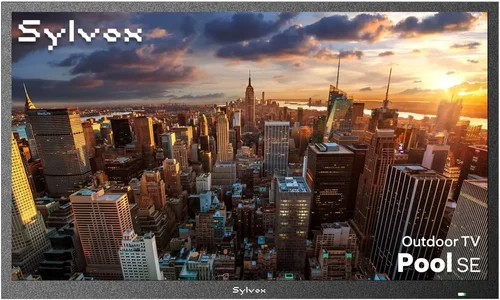
Expert Tips for Getting the Best Deal
- Shop During Off-Seasons: Retailers often discount outdoor TVs in late winter (February–March) to clear inventory before spring. You can save 15–25% compared to summer prices.
- Compare Direct vs. Retailer Pricing: Some manufacturers (e.g., SunBriteTV) sell directly with better warranties, while retailers like Amazon or Costco may offer bundle deals (TV + mount).
- Look for Refurbished Units: Certified refurbished outdoor TVs from reputable sellers often come with full warranties and can cost 30–40% less than new.
- Check Local Rebates: Some utility companies offer energy-efficiency rebates for outdoor electronics. Ask your provider before purchasing.
- Test Before Committing: If possible, visit a showroom or borrow a friend’s unit to test visibility and usability in your specific lighting conditions.
- Negotiate Installation: Some retailers include free installation with purchase—especially during promotions. Always ask!
- Read the Fine Print on Returns: Ensure the return window covers at least 30 days and includes return shipping for defective units.
- Join Outdoor Enthusiast Forums: Communities like OutdoorTVTalk.com often share exclusive discount codes or flash sales.

Frequently Asked Questions
Q: Can I use a regular TV on my deck if it’s covered?
A: Technically yes—but only if temperatures stay above freezing and the TV is protected from direct moisture. However, indoor TVs lack anti-glare screens and thermal management, so picture quality suffers in daylight, and internal components may degrade faster due to humidity fluctuations. For reliable cold-weather performance, a purpose-built outdoor TV is strongly recommended.
Q: How do I know if my deck TV will work in -10°F weather?
A: Check the manufacturer’s operating temperature specification. If it lists a minimum of -22°F or lower, it should handle -10°F without issues. Also, ensure the TV has an internal heater or passive insulation to prevent startup failure.
Q: Do outdoor TVs need special power outlets?
A: Yes. Use a GFCI-protected outdoor outlet rated for at least 15 amps. Avoid daisy-chaining extension cords. For TVs with heaters, consider a dedicated circuit to prevent overloads.
Q: Will snow damage my outdoor TV?
A: Not if it’s properly installed and rated for outdoor use. Most enclosures are sloped to shed snow, and heated models prevent ice buildup. However, avoid placing the TV where heavy snowdrifts or ice chunks could impact the screen.
Q: Can I leave my outdoor TV on all winter?
A: Only if it’s designed for 24/7 operation (common in premium models). Most mid-range TVs can handle continuous use but may benefit from occasional rest periods. Always follow the manufacturer’s guidelines.
Q: Are outdoor TVs worth the extra cost?
A: Absolutely—if you live in a cold or humid climate. The added durability, visibility, and longevity far outweigh the initial investment compared to replacing damaged indoor TVs every few years.
Q: What’s the difference between IP55 and IP65?
A: IP55 protects against dust and low-pressure water jets, while IP65 adds protection against dust ingress (fully dust-tight). For most decks, IP55 is sufficient, but IP65 is better for exposed or high-wind areas.
Q: Can I control my outdoor TV with my phone?
A: Many smart outdoor TVs support mobile apps for remote control, especially those running Roku or Android TV. Check compatibility before buying.
Q: How long do outdoor TVs typically last?
A: With proper care, a quality outdoor TV can last 7–10 years—even in harsh climates. Cheaper models may fail sooner due to inferior materials or lack of thermal management.
Q: Should I cover my outdoor TV when not in use?
A: Not necessary if it’s a true outdoor model with a sealed enclosure. In fact, covers can trap moisture. However, a breathable, UV-resistant dust cover may help in extremely dusty environments.
Our Final Recommendations
Best for Budget-Conscious Buyers: Sylvane 55″ Outdoor TV (Model SO55UHD) – Priced around $899, this model offers IP55 rating, 700-nit brightness, and operates down to -4°F. It includes built-in Wi-Fi, two HDMI ports, and a 2-year warranty. Ideal for covered decks in moderately cold regions.
Best Overall Value: Outdoor TV 60″ Weatherproof Smart TV – At $1,199, it delivers 800-nit brightness, full smart functionality, and a robust aluminum enclosure rated for -22°F. Includes a heater for cold startups and supports voice control.
Best Premium Option: SunBriteTV Veranda Series 65″ – Though pricier ($2,299), it’s engineered for extreme conditions with 1,000+ nits, optically bonded glass, and a 3-year warranty. Perfect for snowy climates and large outdoor spaces.
Best for Beginners: Element 50″ Portable Outdoor TV – At $549, this lightweight, battery-operated model is easy to set up and move. Great for renters or seasonal use, though not suited for sub-zero temps.
Best for Advanced Users: Peerless-AV Xtreme 70″ Commercial Outdoor Display – Built for 24/7 operation, this $3,499 beast features 1,500-nit brightness, modular design, and integration with home automation systems. Ideal for tech-savvy homeowners with expansive decks.
Conclusion: Making the Right Choice
Choosing the right cheap deck TV for cold weather isn’t just about finding the lowest price—it’s about matching your climate, usage habits, and long-term expectations with a product that delivers reliable performance. We’ve covered the essentials: from understanding operating temperature ranges and enclosure ratings to avoiding common pitfalls and leveraging smart shopping strategies. Remember, a well-chosen outdoor TV transforms your deck into a year-round entertainment hub, whether you’re sipping hot cocoa during a snowstorm or hosting a summer barbecue.
Prioritize features that matter most to your situation. If you live in a frigid zone, don’t compromise on thermal management. If you stream daily, ensure robust smart capabilities. And always factor in installation, cables, and warranty support. By investing wisely now, you’ll enjoy crisp, vibrant viewing for years—without the frustration of premature failures or hidden costs.
So go ahead: measure your space, set your budget, and start comparing models with confidence. Your perfect deck TV is out there—and with this guide, you’re equipped to find it. Happy watching!

