
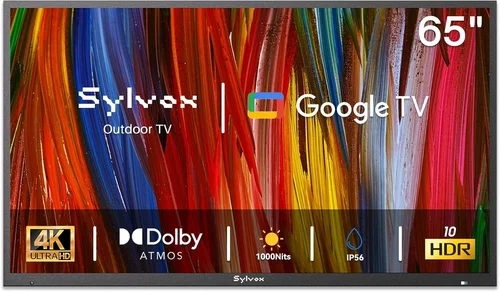
If you’ve ever dreamed of lounging in your backyard gazebo, cold drink in hand, watching the big game or your favorite movie under the stars, you’re not alone. Outdoor living spaces have evolved from simple shaded retreats into full-fledged entertainment zones—and a key part of that transformation is the addition of a reliable, weather-resistant TV. But here’s the catch: most outdoor TVs come with premium price tags that can easily stretch into the thousands. That’s where this guide comes in.
We’re tackling the challenge head-on: how to find a high-quality, budget-friendly TV that can withstand the elements while delivering crisp visuals and dependable performance—all without blowing your outdoor upgrade budget. Whether you’re setting up a cozy gazebo for weekend barbecues, family movie nights, or just some quiet relaxation, choosing the right TV is crucial. A poorly chosen model might fog up in humidity, fade in sunlight, or fail after just one rainy season. But with the right knowledge, you can avoid those pitfalls and invest in a TV that enhances your outdoor experience for years to come.
In this comprehensive buying guide, we’ll walk you through everything you need to know to pick the best cheap backyard TV for your gazebo in 2026. You’ll learn what features matter most, how to balance cost and durability, which brands offer the best value, and how to avoid common mistakes that cost buyers time and money. We’ll also break down real-world performance specs, compare different types of outdoor TVs, and share expert tips to help you get the most bang for your buck. By the end, you’ll be equipped with the confidence and clarity to make a smart, informed decision—no matter your budget.

What to Look for When Buying Buying Guide
1. Budget & Price Range
Setting a realistic budget is the first and most important step in your search for a gazebo-friendly TV. While “cheap” means different things to different people, for outdoor use, you’ll typically want to aim between $300 and $800 for a quality model that balances affordability with essential features. Going below $250 often means sacrificing durability, brightness, or weather resistance—key factors for outdoor performance.
That said, you don’t need to spend $2,000 on a fully sealed outdoor TV to enjoy great viewing in a covered gazebo. Many indoor TVs can work perfectly well in semi-protected spaces, especially if they’re mounted under a solid roof with minimal direct exposure to rain, snow, or intense sunlight. The key is understanding your environment: if your gazebo is fully enclosed or has a solid roof and side panels, you can safely consider more affordable indoor models. But if it’s open-sided or frequently exposed to moisture, investing in at least a weather-resistant indoor TV or a partial outdoor model becomes essential.
When setting your budget, also consider long-term value. A $400 TV that lasts five years is a better investment than a $250 model that fails after two. Look for models with solid build quality, good warranties, and positive user reviews—these often signal longevity. And don’t forget to factor in installation costs, mounting hardware, and any necessary protective accessories like weatherproof covers or enclosures.
2. Performance Specifications
When it comes to performance, not all TVs are created equal—especially in outdoor settings. Brightness is arguably the most critical spec for gazebo use. Indoor TVs typically range from 250 to 400 nits (a measure of brightness), but in a backyard environment, even partial sunlight can wash out the screen. For optimal visibility, aim for a TV with at least 400 nits, and ideally 500 nits or higher. Some budget outdoor models now offer 700+ nits, which makes a dramatic difference on sunny afternoons.
Resolution is another key factor. While 1080p (Full HD) is still acceptable for smaller screens (under 43 inches), we strongly recommend 4K UHD for any TV 43 inches or larger. The increased pixel density delivers sharper images, better color detail, and a more immersive experience—especially when watching sports, nature documentaries, or high-definition movies. Plus, 4K content is now widely available across streaming platforms like Netflix, Disney+, and YouTube.
Refresh rate matters too, particularly if you plan to watch fast-paced content like sports or action movies. A 60Hz refresh rate is standard and sufficient for most viewers, but if you’re a sports fan or gamer, look for 120Hz support. This reduces motion blur and makes fast movements appear smoother. However, higher refresh rates often come at a premium, so balance this feature against your budget and usage needs.
Color accuracy and contrast ratio also play a role in outdoor viewing. Look for TVs with good HDR (High Dynamic Range) support, such as HDR10 or HLG. These enhance brightness, color depth, and contrast, making images pop even in challenging lighting. While OLED TVs offer superior contrast, they’re generally too expensive and sensitive for outdoor use. Instead, focus on high-quality LED or QLED models with strong HDR performance.
3. Build Quality & Durability
Outdoor environments are tough on electronics. Even in a covered gazebo, your TV will face temperature swings, humidity, dust, and occasional splashes. That’s why build quality and durability should be top priorities—especially when shopping on a budget. A cheap plastic casing might save money upfront, but it won’t hold up over time.
Look for TVs with metal or reinforced polymer frames, sealed ports, and corrosion-resistant components. Some manufacturers now offer “weather-resistant” indoor TVs—these aren’t fully outdoor-rated like SunBrite or Seura models, but they include protective coatings and improved sealing to handle mild exposure. These are ideal for gazebos and patios with good overhead coverage.
Also consider the internal components. TVs with better heat dissipation systems (like larger vents or passive cooling) will perform more reliably in warm weather. Avoid models with tiny, cramped internal layouts, as they’re more prone to overheating. And check the power supply: outdoor use often means longer cable runs, so a robust, well-insulated power adapter is a must.
Finally, pay attention to the screen itself. Anti-glare or matte finishes reduce reflections from sunlight, making it easier to see the picture during the day. Some budget models now include these coatings, so don’t assume you need to spend big to get them.
4. Features & Functionality
Modern TVs come packed with features, but not all are essential for outdoor use. Focus on the ones that enhance convenience, connectivity, and ease of use in a gazebo setting. Smart TV functionality is a big plus—it lets you stream content directly without needing a separate device like a Roku or Fire Stick. Look for platforms like Roku TV, Google TV, or webOS, which offer intuitive interfaces and regular updates.
Connectivity is crucial. Ensure the TV has multiple HDMI ports (at least two, preferably three), USB ports for media playback, and audio outputs if you plan to connect external speakers or a soundbar. Bluetooth support is also helpful for wireless audio, especially if you want to listen through headphones or portable speakers without running wires across your yard.
Voice control is another handy feature. Many budget smart TVs now support Alexa or Google Assistant, allowing you to change channels, adjust volume, or search for content using voice commands. This is especially useful when your hands are full with food or drinks.
Don’t overlook remote control quality. A backlit remote or one with simplified buttons can make nighttime viewing much easier. Some models even include a mobile app for control, which is great if you lose the remote or want to use your phone as a backup.
Lastly, consider energy efficiency. Outdoor TVs often run for long periods, so an Energy Star-certified model can save you money on electricity over time. Look for TVs with low power consumption in standby mode and automatic brightness adjustment based on ambient light.
5. Brand Reputation
Brand matters—especially when you’re trying to stretch your budget. Well-known manufacturers like TCL, Hisense, Vizio, and Samsung have built strong reputations for delivering reliable, feature-rich TVs at competitive prices. These brands invest in quality control, customer support, and software updates, which translates to better long-term value.
TCL, for example, has become a favorite among budget-conscious buyers thanks to its Roku TV integration, solid performance, and aggressive pricing. Hisense offers excellent value in the 4K space, with models that often outperform more expensive competitors in brightness and color accuracy. Vizio strikes a good balance between price and performance, particularly in the mid-range segment.
Avoid no-name or ultra-cheap brands that pop up on online marketplaces. While they might look like a steal, they often lack proper certifications, use inferior components, and offer little to no customer support. If something goes wrong, you could be left with a useless screen and no recourse.
That said, don’t assume premium brands are always better for outdoor use. While Sony and LG make excellent TVs, their budget models may not offer the same level of weather resistance or brightness as more affordable alternatives from TCL or Hisense. Focus on the specs and features, not just the logo.
6. Warranty & Support
A good warranty can be a lifesaver—especially when buying a TV for outdoor use, where environmental stress increases the risk of failure. Most reputable brands offer at least a one-year limited warranty, covering defects in materials and workmanship. Some, like TCL and Hisense, extend this to two years on select models.
Look for brands that provide accessible customer support, including phone, email, and live chat options. Check online reviews to see how responsive they are to issues. A company that quickly replaces a faulty unit or offers helpful troubleshooting tips is worth its weight in gold.
Also consider extended warranty options. Retailers like Best Buy and Amazon often offer protection plans that cover accidental damage, power surges, and environmental wear. While these add to the upfront cost, they can be worth it if you’re installing the TV in a high-risk area or plan to keep it for many years.
Finally, check the return policy before buying. Most major retailers offer 14- to 30-day return windows, but some exclude electronics or charge restocking fees. Make sure you can test the TV in your gazebo setup and return it if it doesn’t meet your expectations.
7. Size & Portability
Size matters—but not in the way you might think. A larger screen isn’t always better, especially in a gazebo where viewing distances are shorter than indoors. For most backyard setups, a 43- to 55-inch TV is ideal. It’s big enough to enjoy from 6 to 10 feet away, but not so large that it overwhelms the space or requires a heavy, expensive mount.
Consider the physical dimensions, not just the screen size. Measure your gazebo’s mounting area, including clearance for ventilation and cable management. Some TVs have bulky bezels or deep profiles that make them harder to fit in tight spaces.
Portability is another factor if you plan to move the TV between indoor and outdoor use. Some buyers prefer a model they can easily bring inside during winter or storms. In that case, look for a lightweight design with a simple stand or VESA-compatible mounting. Avoid ultra-thin models, as they’re often more fragile and less durable.
If you’re mounting the TV permanently, ensure the wall or ceiling can support the weight. Most 50-inch TVs weigh between 20 and 30 pounds, but with a mount and enclosure, the total load can exceed 40 pounds. Use proper anchors and consult a professional if you’re unsure.
8. User Reviews & Ratings
Never underestimate the power of real user feedback. Before making a purchase, spend time reading reviews on trusted sites like Amazon, Best Buy, and Wirecutter. Look for patterns: if multiple users report the same issue—like poor brightness, faulty Wi-Fi, or short lifespan—it’s a red flag.
Pay attention to reviews from buyers who use their TVs outdoors. They’ll often mention how the screen performs in sunlight, how well it handles humidity, and whether the remote works at a distance. These insights are invaluable and can save you from buying a TV that looks great on paper but fails in practice.
Also check the overall rating. A TV with 4.5 stars and hundreds of reviews is generally a safer bet than one with 5 stars but only a handful of feedback. And don’t just read the positive reviews—negative ones often reveal hidden flaws or limitations.
Finally, look for video reviews or unboxings on YouTube. Seeing the TV in action, especially in outdoor lighting, can give you a much clearer idea of its real-world performance than any spec sheet.
Different Types of Buying Guide

Common Buying Mistakes to Avoid
❌ Mistake: Buying a Standard Indoor TV for an Uncovered Gazebo
Why it’s bad: Standard indoor TVs aren’t designed to handle moisture, dust, or temperature extremes. Even brief exposure to rain or high humidity can cause internal corrosion, screen fogging, or electrical failure. Many users report their TV dying within a year when used in partially covered outdoor spaces.
What to do instead: Assess your gazebo’s level of protection. If it’s fully enclosed or has a solid roof with minimal side exposure, a standard indoor TV may work. But if there’s any chance of rain, wind, or high humidity, opt for a weather-resistant model or use a protective outdoor enclosure.
❌ Mistake: Ignoring Brightness (Nits) Ratings
Why it’s bad: A dim screen is unwatchable in daylight, no matter how good the resolution or smart features. Many budget TVs advertise “bright” screens but only deliver 300 nits—far too low for outdoor use. You’ll end up squinting or watching only at night.
What to do instead: Prioritize brightness. Aim for at least 400 nits, and 500+ if your gazebo gets direct or reflected sunlight. Check professional reviews and spec sheets—don’t rely on marketing claims.
❌ Mistake: Overlooking Mounting and Ventilation Needs
Why it’s bad: Improper mounting can lead to instability, vibration, or even collapse. Poor ventilation causes overheating, which shortens the TV’s lifespan and can trigger automatic shutdowns during use.
What to do instead: Use a sturdy, VESA-compatible mount rated for your TV’s weight. Ensure at least 4–6 inches of clearance around the TV for airflow. Avoid enclosing the TV in a tight cabinet unless it’s specifically designed for outdoor use.
❌ Mistake: Skipping the Warranty or Return Policy Check
Why it’s bad: Outdoor use increases the risk of damage from power surges, moisture, or temperature swings. Without a solid warranty or return option, you could be stuck with a broken TV and no recourse.
What to do instead: Always check the warranty length and coverage. Consider purchasing an extended protection plan if available. And buy from retailers with flexible return policies—ideally 30 days or more.
❌ Mistake: Choosing Size Over Viewing Distance
Why it’s bad: A 65-inch TV might look impressive, but if you’re sitting only 5 feet away, the image will be overwhelming and pixelated. Conversely, a 32-inch screen from 12 feet away will look tiny and hard to see.
What to do instead: Use a viewing distance calculator. For 4K TVs, a good rule of thumb is 1.5 times the screen size in inches for optimal viewing. So a 50-inch TV is best viewed from 6 to 8 feet away.
❌ Mistake: Forgetting About Audio Quality
Why it’s bad: Most budget TVs have weak built-in speakers that struggle outdoors, where sound dissipates quickly. You’ll end up turning the volume to max and still missing dialogue.
What to do instead: Plan for external audio. Invest in a weather-resistant soundbar or outdoor speakers. Many budget TVs support Bluetooth or optical audio output, making it easy to connect external sound systems.
❌ Mistake: Buying Based Solely on Price
Why it’s bad: The cheapest TV isn’t always the best value. Ultra-low-cost models often cut corners on build quality, brightness, and durability, leading to early failure and higher long-term costs.
What to do instead: Focus on value, not just price. Look for models that offer the best combination of features, durability, and performance within your budget. A $500 TV that lasts five years is better than a $300 one that fails in two.
Budget Guidelines: How Much Should You Spend?
Entry-Level ($250–$400): This range is ideal for fully covered gazebos with no weather exposure. You’ll find 40- to 50-inch 4K smart TVs from brands like TCL and Hisense. Expect decent brightness (350–450 nits), basic smart features, and standard indoor durability. Perfect for casual viewing, but not recommended for partial outdoor use.
Mid-Range ($400–$650): The sweet spot for most buyers. These TVs offer 500+ nits brightness, better build quality, weather-resistant coatings, and enhanced smart platforms. Models in this range often include HDR support, multiple HDMI ports, and improved audio. Great for semi-covered gazebos and year-round use.
Premium ($650–$1,000): For those who want near-outdoor performance without the full outdoor price tag. These TVs feature high brightness (600–800 nits), robust construction, advanced cooling, and superior weather resistance. Ideal for open-sided gazebos or areas with frequent sun and humidity.
Luxury ($1,000+): Reserved for fully outdoor-rated models from brands like SunBrite, Seura, or Samsung’s outdoor line. These TVs are built to withstand rain, snow, extreme temperatures, and direct sunlight. They include features like built-in heaters, anti-reflective screens, and sealed enclosures. Only necessary for fully exposed installations.
Expert Tips for Getting the Best Deal
- Shop During Seasonal Sales: The best time to buy is during Black Friday, Cyber Monday, or post-holiday clearance events (January–February). Many retailers discount last year’s models to make room for new inventory.
- Compare Online and In-Store Prices: Use price-matching policies at stores like Best Buy or Costco. Sometimes online deals are better, but in-store pickup can save on shipping and let you inspect the TV before buying.
- Look for Refurbished or Open-Box Deals: Certified refurbished TVs from reputable sellers often come with full warranties and can save you 20–30%. Open-box items are typically returned but unused, offering similar savings.
- Check for Bundled Accessories: Some retailers offer free mounts, cables, or streaming devices with TV purchases. These can add significant value and reduce your overall setup cost.
- Use Cashback and Rewards Programs: Sign up for cashback sites like Rakuten or use credit cards with rewards. You can earn 2–5% back on your purchase, which adds up over time.
- Test Before You Commit: If possible, view the TV in person to check brightness, color accuracy, and remote responsiveness. Some stores allow you to test smart features and connectivity.
- Read the Fine Print on Warranties: Understand what’s covered and what’s not. Some warranties exclude “environmental damage,” which could be a problem for outdoor use.
- Consider Future-Proofing: Invest in a TV with HDMI 2.1 if you plan to game or use high-end streaming devices. It supports higher bandwidth and future-proofs your setup.

Frequently Asked Questions
Q: Can I use a regular indoor TV in my gazebo?
A: Yes, but only if your gazebo is fully covered and protected from rain, snow, and high humidity. Even then, ensure the TV has good ventilation and consider using a weatherproof cover when not in use. For any exposure to the elements, a weather-resistant or outdoor model is strongly recommended.
Q: How bright should my gazebo TV be?
A: Aim for at least 400 nits for shaded areas, and 500–700 nits if your gazebo gets direct or reflected sunlight. Brightness is measured in nits, and higher values mean better visibility in daylight.
Q: Do I need a special mount for outdoor use?
A: A standard VESA-compatible mount is usually sufficient, but ensure it’s rated for your TV’s weight and made from rust-resistant materials like powder-coated steel. For added security, use lag bolts and wall anchors designed for outdoor use.
Q: Will my TV overheat in the summer?
A: Most modern TVs have thermal protection and will shut down if they overheat. However, poor ventilation or direct sun on the back of the TV can cause issues. Ensure at least 4–6 inches of airflow around the unit and avoid enclosing it tightly.
Q: Can I leave my TV outside year-round?
A: Only if it’s a full outdoor-rated model. Indoor or weather-resistant TVs should be brought inside or covered during extreme weather, especially in winter or during storms.
Q: What’s the difference between weather-resistant and outdoor TVs?
A: Weather-resistant TVs are enhanced indoor models with better sealing and corrosion protection. Outdoor TVs are fully sealed, weatherproof, and built to withstand rain, snow, and extreme temperatures. The latter are significantly more expensive.
Q: Do I need a soundbar for outdoor viewing?
A: Highly recommended. Built-in TV speakers are usually too weak for outdoor environments. A weather-resistant soundbar or outdoor speakers will greatly improve audio quality and volume.
Q: How do I protect my TV from power surges?
A: Use a high-quality surge protector rated for outdoor use. Consider a whole-house surge protector for added safety, especially in areas prone to lightning.
Q: Can I stream content without Wi-Fi?
A: Most smart TVs require Wi-Fi for streaming. If your gazebo is far from your router, consider a Wi-Fi extender or powerline adapter to boost the signal.
Q: What size TV is best for a small gazebo?
A: For most small to medium gazebos, a 43- to 50-inch TV is ideal. It provides a great viewing experience from 6 to 10 feet away without overwhelming the space.
Our Final Recommendations
Best for Budget-Conscious Buyers: TCL 50S555 50-inch 4K QLED Roku TV – At around $450, this model delivers excellent brightness (500 nits), vibrant QLED color, and full smart functionality. Perfect for covered gazebos with minimal weather exposure.
Best Overall Value: Hisense 55U6HF 55-inch ULED 4K Google TV – Priced under $600, it offers 600 nits brightness, Dolby Vision HDR, and robust build quality. A great balance of performance, features, and durability for semi-outdoor use.
Best Premium Option: Samsung The Terrace 55-inch Partial Outdoor TV – At $1,200, it’s a significant investment, but it delivers 2,000 nits brightness, full weather resistance, and anti-glare technology. Ideal for open gazebos or high-exposure areas.
Best for Beginners: Vizio V-Series 43V4K 43-inch 4K Smart TV – Simple setup, intuitive interface, and solid performance at under $350. Great for first-time outdoor TV buyers with fully covered spaces.
Best for Advanced Users: SunBrite Veranda 55-inch Full Outdoor TV – The gold standard for outdoor viewing. Fully sealed, extreme brightness, and built to last in any climate. Best for permanent, high-exposure installations.
Conclusion: Making the Right Choice
Choosing the right TV for your gazebo doesn’t have to be overwhelming—or expensive. By focusing on key factors like brightness, durability, and smart features, you can find a model that delivers great performance without breaking the bank. Remember, the cheapest option isn’t always the best, and the most expensive isn’t always necessary. What matters most is matching the TV to your specific environment, usage, and budget.
Take the time to assess your gazebo’s level of protection, measure your viewing distance, and read real user reviews. Use our budget guidelines and expert tips to shop smart, and don’t forget to invest in proper mounting and audio solutions. With the right TV, your backyard oasis can become the ultimate entertainment destination—rain or shine, day or night.
So go ahead, upgrade your outdoor space with confidence. Whether you’re watching the sunset with a movie or catching the championship game with friends, the perfect gazebo TV is out there. And now, you know exactly how to find it.

