
Outdoor living spaces have evolved dramatically over the past decade. What once was a simple patio or pergola with a few chairs and string lights has transformed into a full-fledged entertainment zone—complete with grills, sound systems, and yes, even televisions. As more homeowners invest in creating comfortable, functional outdoor environments, the demand for weatherproof TVs has surged. Whether you’re hosting summer barbecues, watching the big game under the stars, or simply relaxing with a movie on a breezy evening, a weatherproof TV can elevate your outdoor experience.
But choosing the right one isn’t as simple as picking up any old flat-screen and mounting it outside. Outdoor TVs face unique challenges: extreme temperatures, humidity, rain, dust, UV exposure, and even wildlife. A standard indoor TV will fail quickly in these conditions—often within weeks or months. That’s why investing in a purpose-built weatherproof TV is essential. This guide exists to help you navigate the complex world of outdoor displays, so you don’t end up with a costly paperweight when the first thunderstorm rolls in.
By the end of this comprehensive buying guide, you’ll understand exactly what makes a TV truly “weatherproof,” how to evaluate performance specs for outdoor use, which brands deliver real durability, and how to balance budget with long-term value. We’ll also walk you through common pitfalls, expert shopping strategies, and answer frequently asked questions based on real-world user experiences. Whether you’re building a new pergola setup or upgrading an existing outdoor entertainment area, this guide will equip you with the knowledge to make a confident, informed decision.
The market for weatherproof TVs has matured significantly in recent years. Once dominated by a handful of niche manufacturers like SunBriteTV, today’s options include offerings from major electronics brands such as Samsung, LG, and Sony—alongside specialized players like Seura and Peerless-AV. Prices range from under $1,000 for basic models to over $5,000 for premium 4K HDR displays with advanced thermal management. Features like anti-glare screens, built-in heaters and coolers, IP-rated enclosures, and smart platform integration are now commonplace. With so many choices, it’s easy to feel overwhelmed—but with the right criteria, you can find a model that fits your space, climate, and viewing habits perfectly.

What to Look for When Buying Buying Guide
1. Weather Resistance Rating (IP Rating)
The most critical factor in any outdoor TV is its ability to withstand the elements. This is measured by the Ingress Protection (IP) rating—a two-digit code that tells you exactly how well the TV resists dust and water. The first digit ranges from 0 to 6 and indicates protection against solid particles like dust; the second digit ranges from 0 to 9 and refers to water resistance. For outdoor use, you should look for a minimum rating of IP55, but ideally IP65 or higher.
An IP65 rating means the TV is dust-tight and protected against water jets from any direction—perfect for most covered pergolas. If your TV will be exposed to heavy rain, snow, or direct hose cleaning, consider IP66 or IP67. Some premium models even boast IP68, meaning they can survive temporary submersion. Don’t confuse marketing terms like “weather-resistant” or “all-weather” with actual IP ratings—those are often vague and unverified. Always check the technical specifications for the official IP code.
Also consider where the TV will be mounted. A fully enclosed pergola with a roof offers more protection than an open-air structure. In such cases, an IP55 might suffice. But if your TV is partially exposed—even under a roof—opt for IP65 or better. Humidity is another silent killer: coastal areas or regions with high moisture require superior sealing to prevent internal corrosion.
2. Display Brightness & Anti-Glare Technology
Indoor TVs typically operate at 300–500 nits of brightness—fine for dim living rooms but hopelessly inadequate outdoors. Sunlight, reflections, and ambient light wash out standard screens almost instantly. That’s why outdoor TVs must deliver significantly higher brightness, usually measured in nits (cd/m²). For shaded pergolas, look for at least 700 nits. For areas with partial sun exposure, aim for 1,000–1,500 nits. Premium models can exceed 2,000 nits, rivaling professional digital signage.
But brightness alone isn’t enough. Glare is the enemy of outdoor viewing. Even the brightest screen becomes unwatchable if sunlight reflects directly off the glass. That’s where anti-reflective (AR) coatings and optically bonded displays come in. Optically bonded screens fuse the LCD panel directly to the outer glass, eliminating the air gap that causes reflections. This not only reduces glare but also improves contrast and color accuracy in bright conditions.
Some manufacturers use matte finishes instead of glossy ones, which further diffuse light. However, matte coatings can slightly soften image sharpness—so there’s a trade-off. High-end models often combine both high brightness and advanced AR layers to deliver crisp, vivid images even at noon. Always check whether the TV uses full-array local dimming (FALD), which enhances contrast in bright environments by dynamically adjusting backlighting zones.
3. Thermal Management & Operating Temperature Range
Electronics hate extreme temperatures—and outdoor TVs live in them. In summer, a TV mounted under a pergola can easily reach 120°F (49°C) or more. In winter, especially in northern climates, temperatures can plummet below freezing. Most consumer TVs are rated for 32°F to 95°F (0°C to 35°C). Outdoor models must operate reliably far beyond that range.
Look for TVs with active thermal management systems. These include built-in cooling fans, heat sinks, and sometimes even Peltier coolers (thermoelectric devices that actively cool the panel). Conversely, in cold climates, some models feature internal heaters that gently warm the display when temperatures drop below 40°F (4°C). This prevents LCD fluid from thickening, which causes slow response times and image lag.
Check the manufacturer’s specified operating temperature range. A good outdoor TV should handle at least -22°F to 122°F (-30°C to 50°C). Some industrial-grade models go even wider. Also consider ventilation: ensure the TV has adequate airflow around it. Avoid enclosing it in tight cabinets without proper vents, as trapped heat accelerates component failure.
4. Build Quality & Enclosure Design
Unlike indoor TVs housed in lightweight plastic, weatherproof TVs use rugged, powder-coated aluminum or stainless-steel chassis. These materials resist rust, UV degradation, and physical impacts. Pay attention to the quality of seals around ports, vents, and the screen bezel. Silicone gaskets and rubberized O-rings should create a watertight barrier.
The mounting system matters too. Many outdoor TVs come with proprietary wall mounts designed to channel water away from the unit and allow airflow. Standard VESA mounts may not provide enough clearance or drainage. Some models include rear covers that snap over cables and connectors, protecting them from moisture and pests.
Also consider the screen itself. Tempered glass is standard, but some premium models use chemically strengthened glass (like Gorilla Glass) for added scratch and shatter resistance. Avoid TVs with exposed screws or unsealed seams—these are entry points for moisture and insects.
5. Smart Features & Connectivity
Just because it’s outdoors doesn’t mean you should sacrifice smart functionality. Most modern weatherproof TVs run Android TV, webOS, or Roku platforms, giving you access to Netflix, YouTube, Disney+, and more. However, Wi-Fi performance can be tricky outdoors due to distance from your router and interference from landscaping or structures.
Look for dual-band Wi-Fi (2.4GHz and 5GHz) and consider a mesh network extender if your pergola is far from the house. Some TVs include Ethernet ports for wired connections—highly recommended for stable streaming. HDMI ports should be plentiful (at least 3–4), and ideally include ARC/eARC for soundbar compatibility.
Voice control via Google Assistant or Alexa is increasingly common and useful when your hands are full grilling. Bluetooth support lets you connect wireless headphones or speakers without running cables. Avoid models with outdated operating systems or limited app stores—you’ll regret it within a year.
6. Audio Capabilities
Outdoor acoustics are unforgiving. Wind, ambient noise, and distance from seating areas can drown out weak built-in speakers. While many users opt for external soundbars or wireless speakers, having decent onboard audio is still valuable.
Look for TVs with at least 20W of total power output (10W per channel). Some models include upward-firing drivers or Dolby Atmos support for immersive sound. Waterproof speaker grilles are essential—mesh covers should be fine enough to block dust but allow sound to pass clearly.
If you plan to use external audio, ensure the TV has optical audio out, HDMI ARC, or Bluetooth 5.0+. Avoid models that only offer analog audio outputs, as these limit compatibility with modern sound systems.
7. Size & Viewing Distance
Choosing the right screen size depends on your pergola dimensions and typical seating arrangement. As a rule of thumb, multiply your viewing distance (in inches) by 0.84 to get the ideal diagonal screen size. For example, if viewers sit 8 feet (96 inches) away, a 70–80 inch TV is optimal.
But don’t go oversized just because you can. A massive screen in a small pergola can feel overwhelming and strain your eyes. Conversely, a tiny 40-inch TV viewed from 12 feet away will look pixelated and unsatisfying. Use online viewing distance calculators to fine-tune your choice.
Also consider mounting height. The center of the screen should be at eye level when seated—typically 42–48 inches from the ground. Tilting mounts help adjust for sun angles and seating positions.
8. Warranty & Customer Support
Outdoor TVs are a significant investment, so robust warranty coverage is non-negotiable. Most reputable brands offer 2–3 years of comprehensive warranty, including parts, labor, and sometimes even on-site service. Avoid companies that only provide 1-year warranties or exclude weather-related damage.
Check what the warranty covers: does it include seal failure, corrosion, or thermal damage? Can you get a replacement unit shipped quickly if yours fails? Read customer reviews about support responsiveness—some brands have excellent service, while others leave users waiting weeks for repairs.
Extended warranties are worth considering if available, especially in harsh climates. Also verify that the TV is certified by third parties like UL (Underwriters Laboratories) or ETL for safety and performance standards.
Different Types of Buying Guide

Common Buying Mistakes to Avoid
❌ Mistake: Buying a Regular TV and Putting It in a Weatherproof Enclosure
Why it’s bad: While DIY enclosures seem cost-effective, they often lack proper ventilation, thermal regulation, and optical clarity. Trapped heat kills electronics fast, and generic glass doesn’t reduce glare like optically bonded screens. You also lose manufacturer warranty coverage.
What to do instead: Invest in a purpose-built outdoor TV. The integrated design ensures balanced cooling, optimal brightness, and true weather sealing. Over time, the reliability far outweighs the upfront savings of a DIY solution.
❌ Mistake: Ignoring Local Climate Conditions
Why it’s bad: A TV rated for mild climates will fail in desert heat or arctic cold. Humidity, salt air, and pollen also degrade components differently. Assuming “outdoor” means universal compatibility is a recipe for disappointment.
What to do instead: Match the TV’s specs to your region. Check average summer highs, winter lows, and rainfall. Coastal buyers should prioritize corrosion-resistant materials. Desert dwellers need aggressive cooling.
❌ Mistake: Overlooking Viewing Angles and Sun Position
Why it’s bad: Even the brightest TV becomes unwatchable if sunlight hits the screen directly. Poor placement leads to constant squinting or limited seating options.
What to do instead: Observe your pergola throughout the day. Note where shadows fall during prime viewing hours (evening). Use a tilting or full-motion mount to adjust the screen angle and minimize glare.
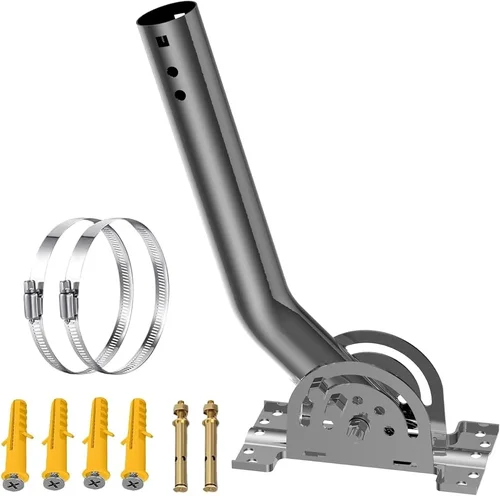
❌ Mistake: Skimping on Mounting Hardware
Why it’s bad: Standard indoor mounts aren’t designed for outdoor loads, wind resistance, or moisture exposure. A failed mount can send a $3,000 TV crashing down.
What to do instead: Use the manufacturer-recommended outdoor mount. Ensure it’s rated for your TV’s weight and includes drainage channels. Anchor it securely to structural beams—not just pergola slats.
❌ Mistake: Neglecting Audio Setup
Why it’s bad: Built-in speakers on outdoor TVs are often underpowered. Relying solely on them results in muffled dialogue and weak bass, especially with background noise.
What to do instead: Pair your TV with weather-resistant outdoor speakers or a waterproof soundbar. Wireless options like Sonos Move or Bose SoundLink Flex offer flexibility and excellent sound quality.
❌ Mistake: Not Planning for Power and Connectivity
Why it’s bad: Running extension cords across your yard is unsafe and unsightly. Weak Wi-Fi leads to buffering and frustration.
What to do instead: Hire an electrician to install a dedicated outdoor-rated outlet near the TV. Use a weatherproof junction box. For internet, run Ethernet cable through conduit or install a Wi-Fi extender with outdoor-rated housing.
❌ Mistake: Choosing Based Solely on Price
Why it’s bad: The cheapest option often cuts corners on critical features like thermal management or IP rating. You may save $500 now but spend $2,000 replacing it in two years.
What to do instead: Focus on total cost of ownership. A mid-range TV with strong reviews and a 3-year warranty usually offers better long-term value than a budget model.
Budget Guidelines: How Much Should You Spend?
Entry-Level ($800 – $1,500): These TVs are ideal for fully covered pergolas in mild climates. Expect brightness around 700–1,000 nits, IP55 rating, basic smart features, and limited thermal management. Brands like Seura and some Samsung Terrace models fall here. Great for casual viewing but may struggle in extreme heat or direct sun.
Mid-Range ($1,500 – $3,000): This is the sweet spot for most homeowners. You’ll get 1,000–1,500 nits brightness, IP65 rating, active cooling, robust smart platforms, and solid build quality. Models from SunBriteTV, Peerless-AV, and LG’s outdoor line offer excellent reliability and performance for year-round use.
Premium ($3,000 – $5,000): Designed for harsh environments and discerning users. Features include 1,500+ nits brightness, dual thermal systems (heater + cooler), optically bonded anti-glare screens, premium audio, and extended warranties. Perfect for coastal areas, deserts, or commercial applications.
Luxury ($5,000+): Top-tier models with 4K HDR, Dolby Vision, ultra-thin designs, and commercial-grade durability. Often used in high-end resorts, luxury homes, or outdoor theaters. Brands like Samsung Pro and Sony offer these with custom installation support.
Remember: A weatherproof TV is a long-term investment. Spending a bit more upfront can save you thousands in replacements and repairs down the road.
Expert Tips for Getting the Best Deal
1. Shop During Off-Season: Demand peaks in spring and summer. Buy in late fall or winter (October–February) when retailers offer discounts to clear inventory. You can save 15–25%.
2. Compare Total Package Costs: Some brands include mounts and cables; others sell them separately. Factor in all accessories before comparing prices.
3. Look for Certified Refurbished Units: Reputable sellers like SunBriteTV offer certified pre-owned models with full warranties at 20–30% off retail.
4. Leverage Price Matching: Major retailers like Best Buy and Costco often match online prices. Have the competitor’s link ready.
5. Check for Bundles: Some dealers offer TV + soundbar + mount packages at a discount. Ideal if you need multiple components.
6. Read Professional Reviews, Not Just User Ratings: Sites like CNET, RTINGS.com, and Outdoor Electronics Review test TVs in real-world conditions. User reviews can be biased or based on improper installation.
7. Ask About Installation Services: Many brands partner with local installers. Professional mounting ensures optimal placement and wiring safety.
8. Verify Return Policy: Ensure you can return the TV within 30–60 days if it doesn’t perform as expected. Some outdoor TVs require professional installation, which complicates returns.

Frequently Asked Questions
Q: Can I use a regular TV outdoors if it’s under a roof?
A: Technically yes, but it’s not recommended. Even under cover, humidity, temperature swings, and dust will damage internal components over time. A purpose-built outdoor TV is engineered for these conditions and will last 5–10 years, while an indoor TV may fail in under two.
Q: Do weatherproof TVs need special power outlets?
A: They use standard 120V outlets, but the circuit should be GFCI-protected (required by code for outdoor use). Avoid daisy-chaining multiple devices on one outlet.
Q: How do I clean my outdoor TV screen?
A: Use a microfiber cloth and distilled water only. Never use ammonia-based cleaners (like Windex)—they degrade anti-reflective coatings. For stubborn spots, lightly dampen the cloth; never spray liquid directly on the screen.
Q: Will an outdoor TV work in the rain?
A: Yes, if it has an IP65 or higher rating. The TV is sealed against water ingress, but avoid spraying it directly with a high-pressure hose.
Q: Can I leave my outdoor TV on all the time?
A: Most are designed for 12–16 hours of daily use. Continuous 24/7 operation is possible with commercial-grade models but may shorten lifespan in consumer units.
Q: Do outdoor TVs come with remotes that work in sunlight?
A: Yes, most use RF (radio frequency) remotes instead of IR, which aren’t affected by bright light. Some also support smartphone apps for control.
Q: What’s the difference between “outdoor” and “all-weather” TVs?
A: “Outdoor” usually means partial exposure (covered areas). “All-weather” implies full exposure capability with enhanced thermal and sealing systems. Always check the IP rating and operating temp range.
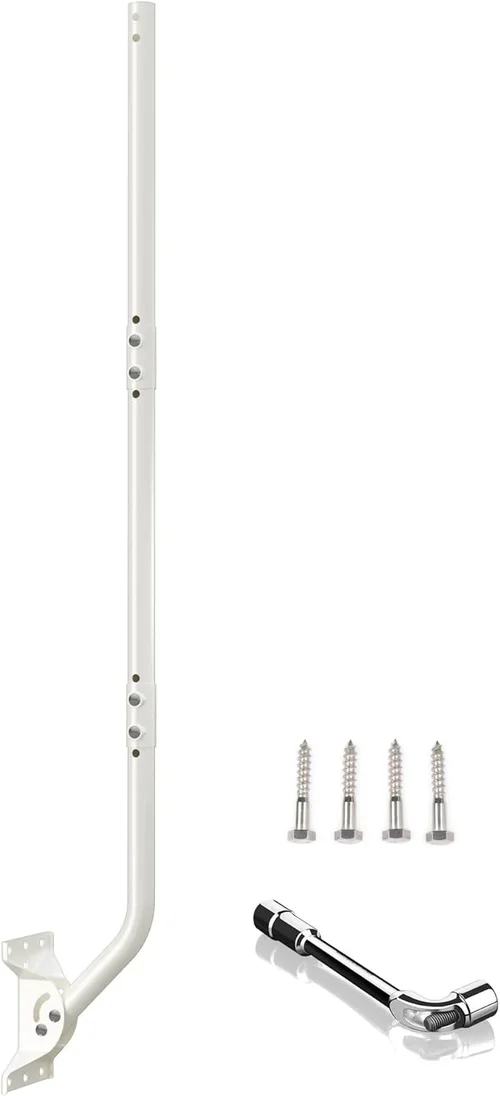
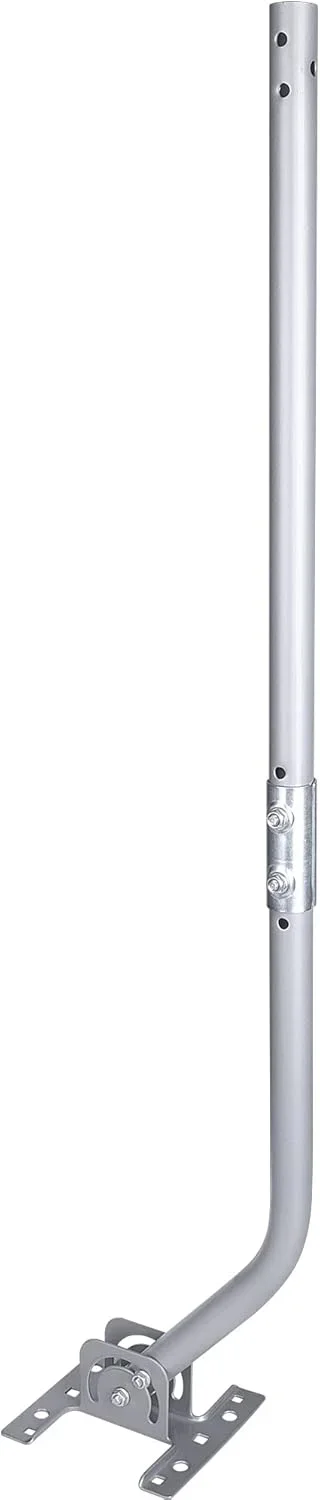
Q: Can I mount an outdoor TV on a post or pole?
A: Yes, with a compatible pole mount. Ensure the pole is anchored securely into concrete and rated for wind loads. Avoid flimsy decorative posts.
Q: Do I need a surge protector for my outdoor TV?
A: Absolutely. Outdoor electronics are vulnerable to lightning-induced power surges. Use a high-quality outdoor-rated surge protector with at least 2,000 joules of protection.
Q: How long do weatherproof TVs typically last?
A: With proper installation and maintenance, most last 7–10 years. Harsh climates may reduce this to 5–7 years. Regular cleaning and avoiding extreme temperature cycling helps extend life.
Our Final Recommendations
Best for Budget-Conscious Buyers: Seura 55″ Shadow Series – At around $1,200, it delivers 1,000 nits brightness, IP55 rating, and solid build quality for covered pergolas. Great entry point without major compromises.
Best Overall Value: SunBriteTV Veranda Series 65″ – Priced around $2,200, it offers 1,200 nits, IP65 rating, active cooling, and excellent smart features. Ideal for most homeowners seeking reliability and performance.
Best Premium Option: Samsung The Terrace 75″ Full Sun – At $4,500, it’s built for full sun exposure with 2,000+ nits brightness, anti-glare coating, and robust thermal management. Perfect for luxury outdoor setups.
Best for Beginners: Peerless-AV 50″ Xtreme – Simple setup, clear documentation, and responsive customer support make this a great first outdoor TV. Includes everything needed for installation.
Best for Advanced Users: Sony XEL-65A9G Outdoor OLED – Though pricey ($6,000+), it combines OLED’s perfect blacks with outdoor durability. Best for cinephiles who refuse to compromise on picture quality.
Conclusion: Making the Right Choice
Choosing a weatherproof TV for your pergola is about more than just picking a screen that survives the rain—it’s about creating a seamless, enjoyable outdoor entertainment experience that lasts for years. From understanding IP ratings and thermal management to matching size with viewing distance and prioritizing smart features, every decision impacts your long-term satisfaction.
Don’t let the abundance of options overwhelm you. Start by defining your must-haves: Will your TV face direct sun? Do you need year-round operation? What’s your ideal screen size? Once you answer these, the field narrows dramatically. Remember, the cheapest option isn’t always the best value, and cutting corners on build quality or weatherproofing will cost you more in the long run.
Use this guide as your roadmap. Compare models using the criteria we’ve outlined, read professional reviews, and don’t hesitate to reach out to manufacturers with questions. And when you do make your purchase, invest in proper installation—your safety and the TV’s longevity depend on it.
Your pergola is more than just a structure; it’s an extension of your home, a place for connection, relaxation, and joy. With the right weatherproof TV, those moments become even more memorable. So take your time, do your research, and choose wisely. The perfect outdoor viewing experience is within reach.

