
Bringing the comfort of your living room outdoors is no longer a luxury—it’s a lifestyle upgrade that more apartment dwellers are embracing in 2026. Whether you’re hosting a summer barbecue, enjoying a quiet evening under the stars, or catching the big game with friends on your balcony, having a reliable TV on your patio can transform your outdoor space into a true extension of your home. But unlike indoor TVs, patio TVs face unique challenges: direct sunlight, temperature swings, humidity, wind, and even curious critters. That’s why choosing the right one isn’t just about screen size or picture quality—it’s about finding a unit built to withstand the elements while delivering a great viewing experience.
This comprehensive buying guide is designed specifically for apartment residents who want to enjoy high-quality outdoor entertainment without compromising on durability, safety, or performance. We’ll walk you through every critical factor—from weather resistance and brightness to smart features and installation logistics—so you can make an informed decision that fits your space, budget, and lifestyle. Whether you have a small balcony, a rooftop terrace, or a shared courtyard, this guide will help you navigate the growing market of outdoor TVs and avoid costly mistakes.
The outdoor TV market has evolved significantly in recent years. What used to be limited to bulky, expensive commercial-grade displays has now expanded to include sleek, consumer-friendly models from trusted brands like Samsung, LG, Sony, and specialized outdoor manufacturers such as SunBriteTV and Seura. These units are engineered with enhanced cooling systems, anti-glare screens, weatherproof casings, and even built-in heaters for colder climates. With options ranging from portable 32-inch models to massive 75-inch 4K HDR displays, there’s never been a better time to invest in a patio TV—especially if you live in an apartment where space and building regulations matter. By the end of this guide, you’ll know exactly what to look for, what to avoid, and how to get the best value for your money.

What to Look for When Buying a Patio TV
1. Weather Resistance & IP Rating
When it comes to outdoor electronics, weather resistance isn’t optional—it’s essential. Unlike indoor TVs, patio TVs are exposed to rain, snow, dust, pollen, and extreme temperatures. The first thing you should check is the TV’s Ingress Protection (IP) rating, which indicates how well the device is sealed against solids and liquids. For outdoor use, look for at least an IP55 rating (protected against dust and low-pressure water jets) or higher. Premium models often feature IP65 or IP66 ratings, meaning they’re fully dust-tight and can handle heavy rain or even temporary immersion.
Beyond the IP rating, consider the TV’s operating temperature range. Most outdoor TVs are designed to function between -22°F and 122°F (-30°C to 50°C), but cheaper models may shut down in extreme heat or cold. If you live in a region with harsh winters or scorching summers, opt for a model with active thermal management—such as built-in fans or heaters—to prevent overheating or freezing. Also, ensure the TV’s internal components are coated with conformal shielding to resist corrosion from humidity and salt air, especially if you’re near the coast.
2. Brightness & Anti-Glare Display
One of the biggest challenges of outdoor viewing is ambient light. Even on cloudy days, sunlight reflecting off concrete, glass, or water can wash out your screen. That’s why brightness—measured in nits—is arguably more important than resolution for patio TVs. While indoor TVs typically range from 250 to 500 nits, outdoor models should deliver at least 700 nits, with premium units hitting 1,500 to 2,000 nits or more. This ensures vibrant colors and clear visibility even in direct sunlight.
Equally important is the screen’s anti-reflective coating. Look for TVs with optically bonded glass, which reduces glare by minimizing the air gap between the LCD panel and the outer glass. Some models also feature quantum dot or OLED technology with enhanced brightness and contrast. Avoid standard indoor TVs placed under awnings or covers—they simply can’t compete with the sun. A high-brightness, anti-glare display is non-negotiable for a satisfying outdoor viewing experience.
3. Size & Viewing Distance
Choosing the right screen size depends on your patio layout and typical viewing distance. For small balconies or compact terraces, a 32- to 43-inch TV is usually sufficient. These sizes offer a great balance between visibility and space efficiency, especially if you’re sitting within 6 to 8 feet. For larger patios or rooftop decks where viewers may be 10 to 15 feet away, consider 50- to 65-inch models. Anything above 70 inches is best reserved for expansive outdoor entertainment areas.
Use the 1.5x rule as a general guideline: multiply your viewing distance (in inches) by 1.5 to estimate the ideal screen diagonal. For example, if you’re sitting 10 feet (120 inches) away, a 60- to 70-inch TV would be optimal. However, don’t go too big—oversized screens can overwhelm small spaces and make text hard to read. Also, consider the TV’s bezel size; slim bezels create a more immersive experience and take up less visual space on your wall or stand.
4. Smart Features & Connectivity
Modern outdoor TVs come packed with smart capabilities, allowing you to stream content directly without needing a separate device. Look for models running popular platforms like Android TV, webOS (LG), or Tizen (Samsung), which support major streaming apps such as Netflix, Disney+, Hulu, and YouTube. Built-in Wi-Fi (preferably dual-band 2.4GHz/5GHz) ensures smooth streaming, while Bluetooth enables wireless audio to outdoor speakers or headphones.
Connectivity is another key factor. Ensure the TV has multiple HDMI ports (at least two, preferably HDMI 2.1 for 4K/120Hz), USB ports for media playback, and an Ethernet port for a wired internet connection if Wi-Fi is unreliable outdoors. Some models also include optical audio output, composite inputs, or even built-in tuners for over-the-air broadcasts. If you plan to connect gaming consoles, soundbars, or streaming sticks, verify compatibility and port availability before purchasing.
5. Build Quality & Durability
Outdoor TVs are built to last, but not all are created equal. Pay close attention to the materials used in the chassis and mounting hardware. High-quality models feature powder-coated aluminum or stainless steel enclosures that resist rust and UV degradation. Avoid plastic housings, which can crack, fade, or become brittle over time when exposed to the elements.
The internal components should also be ruggedized. Look for TVs with sealed cooling systems that prevent dust and moisture from entering, as well as reinforced circuit boards and connectors. Some manufacturers even use marine-grade components for coastal environments. Additionally, check if the TV includes a protective front glass layer—this not only enhances durability but also improves image clarity by reducing reflections.
6. Power Consumption & Energy Efficiency
Since patio TVs often run for extended periods—especially during parties or movie nights—energy efficiency matters. Look for models with ENERGY STAR certification, which indicates lower power consumption without sacrificing performance. OLED and QLED TVs tend to be more efficient than traditional LED/LCD models, especially when displaying dark scenes.
Also consider standby power usage. Some outdoor TVs draw minimal power when off, while others may require a physical switch or smart plug to fully disconnect. If you’re concerned about electricity costs or live in an apartment with shared utilities, choose a model with low idle consumption. Additionally, solar-powered or battery-operated portable outdoor TVs are emerging as eco-friendly alternatives, though they’re currently limited in size and brightness.
7. Installation & Mounting Options
Installing a patio TV requires careful planning, especially in apartments where drilling into walls or railings may be restricted. Most outdoor TVs are VESA-compatible, meaning they can be mounted on standard wall brackets, ceiling mounts, or articulating arms. However, you’ll need a weatherproof mount rated for outdoor use—standard indoor mounts won’t withstand wind, rain, or temperature changes.
Consider the TV’s weight and dimensions when selecting a mount. Heavier models (over 30 lbs) may require reinforced brackets or concrete anchors. If you’re renting, look for non-permanent solutions like freestanding outdoor TV cabinets or clamp-on balcony mounts that don’t require drilling. Some brands offer all-in-one kits with TV, mount, and cable management, which simplify setup and reduce clutter.
8. Warranty & Customer Support
Outdoor electronics come with higher risks, so a strong warranty is crucial. Reputable manufacturers typically offer 2- to 3-year limited warranties that cover defects, weather damage, and component failures. Some even provide on-site service or free replacement parts. Avoid brands with only 1-year coverage or vague terms that exclude “environmental damage.”
Customer support is equally important. Check if the company offers phone, email, or chat assistance, and read user reviews about their responsiveness. Brands like SunBriteTV and Seura are known for excellent after-sales service, while generic or off-brand models may leave you stranded if issues arise. Always register your TV upon purchase to activate the warranty and receive firmware updates.
Different Types of Patio TVs

Common Buying Mistakes to Avoid
❌ Mistake: Using an Indoor TV Outdoors
Why it’s bad: Indoor TVs lack weatherproofing, proper ventilation, and brightness for outdoor use. They can overheat, suffer water damage, or fail prematurely—even under a cover. Most warranties void coverage if used outside.
What to do instead: Invest in a purpose-built outdoor TV or use a certified weatherproof enclosure designed for your specific model. Never assume a covered area makes an indoor TV safe.
❌ Mistake: Ignoring Sunlight and Glare
Why it’s bad: A dim screen in bright conditions leads to frustration and poor viewing. You’ll constantly adjust angles or squint, defeating the purpose of outdoor entertainment.
What to do instead: Prioritize TVs with at least 700 nits brightness and anti-reflective coatings. Test visibility during peak daylight hours before finalizing your choice.
❌ Mistake: Overlooking Power and Cable Management
Why it’s bad: Exposed cords are tripping hazards and vulnerable to weather damage. Improper wiring can also violate apartment safety codes or void insurance.
What to do instead: Use outdoor-rated extension cords, conduit, or in-wall cable channels. Consider wireless streaming to minimize clutter. Always consult your landlord or building manager about electrical modifications.
❌ Mistake: Choosing the Wrong Size for Your Space
Why it’s bad: A TV too large overwhelms a small balcony; one too small becomes invisible from seating areas. Both scenarios waste money and space.
What to do instead: Measure your patio dimensions and typical viewing distance. Use online screen size calculators and mock up the TV’s footprint with cardboard before buying.
❌ Mistake: Skipping the Warranty Check
Why it’s bad: Outdoor TVs are expensive, and repairs can cost hundreds. A weak warranty leaves you unprotected against manufacturing defects or environmental damage.
What to do instead: Read the fine print. Ensure the warranty covers outdoor use, includes parts and labor, and offers accessible customer support. Register your product immediately.
❌ Mistake: Forgetting About Audio
Why it’s bad: Most outdoor TVs have weak built-in speakers that struggle against wind, traffic, and ambient noise. You’ll end up with muffled dialogue and poor sound quality.
What to do instead: Pair your TV with weather-resistant outdoor speakers or a soundbar. Wireless options like Bluetooth speakers offer flexibility without permanent installation.
❌ Mistake: Buying Without Testing Visibility
Why it’s bad: Online specs don’t always reflect real-world performance. A TV that looks great in a showroom may fail in your specific lighting conditions.
What to do instead: If possible, visit a retailer with outdoor display demos. Alternatively, read detailed user reviews that mention brightness, glare, and daytime viewing.
Budget Guidelines: How Much Should You Spend?
Outdoor TVs represent a significant investment, but pricing varies widely based on features, size, and build quality. Here’s a realistic breakdown to help you plan:
Entry-Level ($300 – $800): This tier includes portable outdoor TVs and basic semi-outdoor models designed for covered patios or mild climates. Expect smaller screens (32–43 inches), moderate brightness (500–700 nits), and limited smart features. Ideal for renters or occasional use, but not recommended for full exposure to the elements.
Mid-Range ($800 – $2,000): The sweet spot for most apartment dwellers. These TVs offer 43–55 inches, 700–1,200 nits brightness, robust weather resistance (IP55+), and full smart functionality. Brands like Samsung The Terrace and LG OLED Flex fall here. Great for balconies and semi-covered terraces with reliable performance and longevity.
Premium ($2,000 – $4,000): For those who want top-tier picture quality and durability. Expect 55–75 inch screens, 1,500+ nits brightness, OLED or QLED panels, advanced thermal management, and premium materials. Models from SunBriteTV and Seura dominate this space. Perfect for uncovered patios in harsh climates or frequent entertainers.
Luxury ($4,000+): Reserved for large rooftop decks, commercial installations, or tech enthusiasts. These include 75+ inch commercial-grade displays with 2,000+ nits, 24/7 operation capability, and custom mounting solutions. Often used in luxury apartments or hospitality settings.
Expert Tips for Getting the Best Deal
- Shop During Off-Seasons: Prices drop significantly in late fall and winter when demand is low. Look for Black Friday, Cyber Monday, and post-holiday sales for discounts up to 30%.
- Compare Retailers: Major electronics stores (Best Buy, Costco), specialty outdoor retailers (Crutchfield, Abt), and online marketplaces (Amazon, B&H) often have competing prices. Use price-tracking tools like Honey or CamelCamelCamel.
- Consider Refurbished Models: Certified refurbished outdoor TVs from manufacturers offer near-new performance at 20–40% off. Ensure they include full warranties.
- Bundle with Accessories: Some retailers offer package deals with mounts, cables, or speakers. These can save money compared to buying separately.
- Check Return Policies: Outdoor TVs are hard to resell. Choose retailers with generous return windows (30+ days) in case the TV doesn’t perform as expected in your environment.
- Negotiate with Landlords: If you’re renting, propose a shared-cost arrangement where the landlord covers part of the installation in exchange for improved property value.
- Join Loyalty Programs: Stores like Best Buy and Costco offer member-exclusive discounts, free shipping, and extended return periods.
- Read Long-Term Reviews: Look for user feedback after 6–12 months of use. This reveals real-world durability issues that specs alone won’t show.
Frequently Asked Questions
Q: Can I use a regular TV on my covered balcony?
A: Technically yes, but it’s not recommended. Even under cover, indoor TVs aren’t designed for humidity, temperature swings, or dust. Over time, this can cause overheating, corrosion, or premature failure. For safety and longevity, use a semi-outdoor model or a weatherproof enclosure.
Q: Do outdoor TVs need special mounting hardware?
A: Absolutely. Standard indoor mounts aren’t rated for outdoor conditions. You’ll need a weatherproof, corrosion-resistant mount with proper load capacity. Many outdoor TVs come with compatible mounts, or you can purchase them separately from reputable brands like Peerless or Sanus.
Q: How do I protect my patio TV from theft?
A: Use security cables, tamper-resistant screws, or locking mounts. Some models include built-in security slots. For added protection, install motion-sensor lights or cameras nearby. Never leave the TV unattended during parties.
Q: Can outdoor TVs be used in winter?
A: Yes, if they’re rated for low temperatures. Most outdoor TVs operate down to -22°F (-30°C) and include internal heaters to prevent freezing. Avoid turning them on immediately after extreme cold—let them acclimate first.
Q: Do I need a separate streaming device?
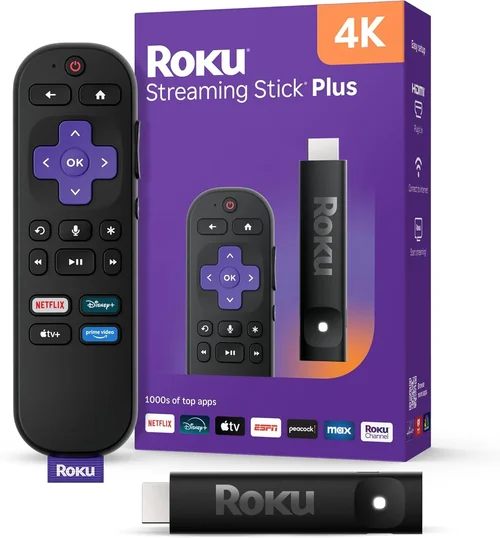
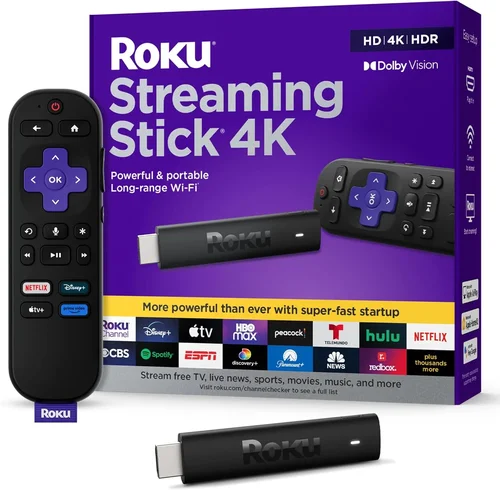
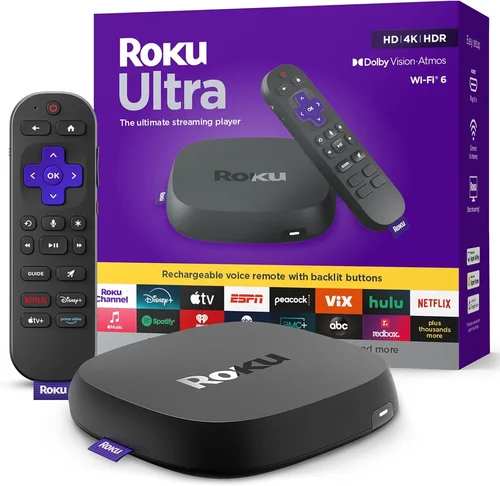
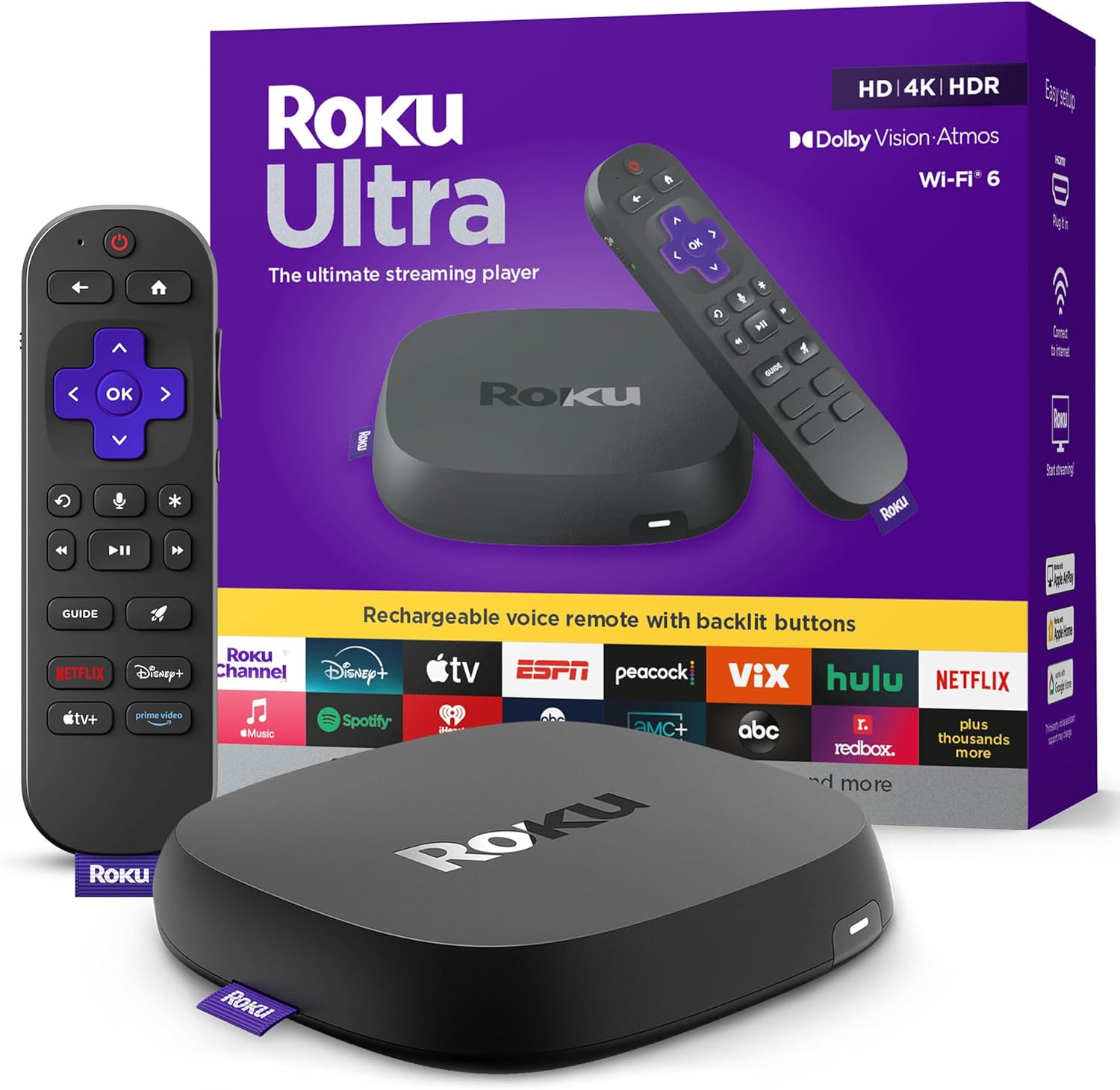
A: Not necessarily. Most modern outdoor TVs have built-in smart platforms. However, if your TV lacks apps or has slow performance, a streaming stick (like Roku or Fire TV) can enhance functionality—just ensure it’s protected from the elements.
Q: How do I clean an outdoor TV screen?
A: Use a microfiber cloth and distilled water or a screen-safe cleaner. Avoid ammonia-based products or paper towels, which can scratch the anti-glare coating. Clean gently and only when the TV is off and cool.
Q: Are outdoor TVs energy hogs?
A: Not if you choose an efficient model. Look for ENERGY STAR certification and OLED/QLED technology, which consume less power than traditional LEDs. Enable power-saving modes and turn off the TV when not in use.
Q: Can I install an outdoor TV myself?
A: If you’re handy and follow safety guidelines, yes—especially for wall mounts. However, for complex installations (ceiling mounts, conduit wiring), hire a licensed electrician or professional installer to ensure compliance with local codes.
Q: What’s the lifespan of an outdoor TV?
A: With proper care, most outdoor TVs last 5–8 years. Premium models with better thermal management and sealed components can exceed 10 years. Regular maintenance (cleaning vents, checking seals) extends longevity.
Q: Do outdoor TVs come with remotes that work in sunlight?
A: Many do. Look for models with backlit or RF (radio frequency) remotes, which don’t rely on line-of-sight infrared signals that can be disrupted by bright light. Some also support smartphone apps for control.
Our Final Recommendations
Best for Budget-Conscious Buyers: Samsung The Terrace Partial Sun 43″ – At around $1,200, this model delivers excellent brightness (1,500 nits), smart features, and solid weather resistance for covered patios. Great value for apartment dwellers.
Best Overall Value: SunBriteTV Veranda Series 55″ – Priced around $2,200, it offers full outdoor durability, 1,000 nits brightness, and a sleek design. Ideal for uncovered balconies and moderate climates.
Best Premium Option: Seura Shade 65″ Outdoor OLED – With stunning picture quality, 2,000 nits brightness, and a slim profile, this $3,800 TV is perfect for luxury patios and serious movie lovers.
Best for Beginners: LG OLED Flex 42″ Portable Outdoor TV – At $700, it’s affordable, easy to set up, and includes a carrying case. Perfect for renters or first-time outdoor TV owners.
Best for Advanced Users: SunBriteTV Pro Series 75″ 4K HDR – Built for extreme conditions, this commercial-grade display ($4,500) features active cooling, 2,500 nits brightness, and 24/7 operation capability.
Conclusion: Making the Right Choice
Investing in a patio TV is more than just buying a screen—it’s about enhancing your outdoor lifestyle with reliable, high-performance technology. As we’ve covered, the key to success lies in prioritizing weather resistance, brightness, size, and smart features that match your environment and usage. Avoid the common pitfalls of using indoor TVs, ignoring glare, or skipping the warranty, and you’ll enjoy years of seamless outdoor entertainment.
Remember, the best TV for your patio isn’t necessarily the biggest or most expensive—it’s the one that fits your space, withstands your local climate, and delivers the viewing experience you want. Whether you’re sipping coffee on a morning balcony or hosting a weekend movie night under the stars, the right outdoor TV will make every moment more immersive and enjoyable.
Take your time, compare options, and don’t hesitate to ask questions. Your perfect patio setup is within reach—just make sure you’re equipped with the knowledge to choose wisely. Happy viewing!

