
Whether you’re lounging by the pool with a cold drink, hosting a backyard barbecue, or enjoying a quiet evening under the stars, having a reliable TV on your screened porch can transform your outdoor living space into a true entertainment hub. But not all TVs are built to handle the unique challenges of a poolside environment—humidity, temperature swings, glare from sunlight, and even occasional splashes demand specialized features that standard indoor models simply don’t offer. That’s why choosing the right poolside TV isn’t just about picture quality or smart features; it’s about durability, visibility, and long-term performance in a semi-outdoor setting.
This comprehensive buying guide is designed to help you navigate the often-overlooked nuances of selecting a television specifically for your screened porch or covered pool area. Whether you’re upgrading from an old model or installing your first outdoor-ready display, we’ll walk you through every critical factor—from weather resistance and screen brightness to smart functionality and mounting options. By the end of this guide, you’ll have a clear understanding of what makes a TV truly suitable for poolside use, how to avoid common pitfalls, and which models deliver the best value for your investment. The market has evolved significantly in recent years, with manufacturers now offering purpose-built outdoor TVs and weatherized enclosures that bring premium viewing experiences beyond the four walls of your home.
We’ll cover everything from budget considerations and technical specs to real-world usage scenarios, so you can make a confident, informed decision. You’ll learn how to distinguish between marketing hype and genuine outdoor readiness, understand the importance of IP ratings and anti-glare coatings, and discover expert tips for maximizing both performance and longevity. Whether you’re looking for a compact 43-inch model for casual viewing or a large-format 75-inch powerhouse for movie nights under the stars, this guide will equip you with the knowledge to choose wisely—and enjoy your poolside entertainment for years to come.

What to Look for When Buying Buying Guide
1. Weather Resistance & IP Rating
One of the most critical factors when selecting a TV for a screened porch is its ability to withstand environmental elements. Even though your porch may be covered, it’s still exposed to humidity, temperature fluctuations, dust, and occasional moisture from pool splashes or rain blowing in during storms. Standard indoor TVs are not designed for these conditions and can suffer from corrosion, fogging, or electrical failure over time.
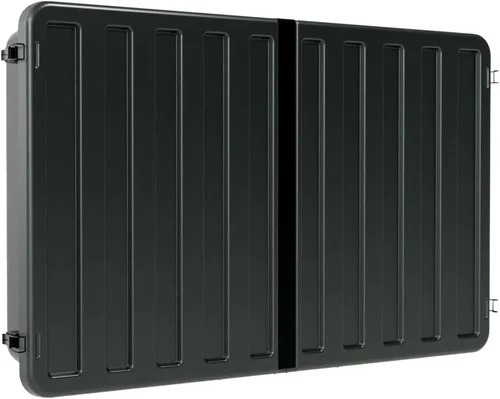
Look for TVs with a certified Ingress Protection (IP) rating—specifically IP55 or higher. An IP55 rating means the TV is protected against limited dust ingress and low-pressure water jets from any direction, making it ideal for covered outdoor spaces. Some premium outdoor models boast IP65 or even IP66 ratings, offering near-total protection against dust and powerful water jets. Additionally, ensure the internal components are sealed and that the cooling system is designed to prevent condensation buildup. Manufacturers like SunBriteTV and Seura specialize in fully weatherized models, while others offer optional outdoor enclosures that can convert indoor TVs into outdoor-ready units.
2. Screen Brightness & Anti-Glare Technology
Outdoor viewing presents a major challenge: ambient light. Even on a screened porch, sunlight reflecting off water, white patio furniture, or light-colored walls can wash out your screen, making it difficult to see details—especially during daytime viewing. A standard indoor TV typically outputs around 300–400 nits of brightness, which is insufficient for bright outdoor environments.
For poolside use, aim for a TV with at least 700 nits, but ideally 1,000 nits or more. High-brightness displays are specifically engineered to combat glare and maintain vivid colors in direct sunlight. Look for models with advanced anti-reflective coatings, such as optically bonded glass or matte finishes, which reduce glare without sacrificing color accuracy. Some outdoor TVs also feature automatic brightness sensors that adjust screen luminance based on ambient light levels. OLED panels, while stunning indoors, often struggle with brightness outdoors—so QLED or high-lumen LED/LCD models are generally better suited for poolside applications.
3. Build Quality & Durability
Durability goes beyond just weather resistance. The physical construction of the TV—including the chassis, bezel, ports, and internal wiring—must be robust enough to endure seasonal temperature changes, humidity, and potential impacts. Metal housings are preferable to plastic, as they resist warping and provide better heat dissipation. Check that all external components, such as HDMI ports and power inputs, are sealed or protected by rubber gaskets.
Additionally, consider the TV’s thermal management system. Outdoor environments can get hot, especially in summer, and prolonged exposure to high temperatures can degrade internal components. Look for models with passive cooling (no fans) to avoid dust buildup and ensure silent operation. Reinforced mounting points are also essential if you plan to wall-mount the TV, as outdoor brackets must support both the weight of the TV and withstand wind or vibration. Brands that prioritize outdoor durability often use marine-grade materials and undergo rigorous testing for thermal cycling and moisture resistance.
4. Smart Features & Connectivity
Just because your TV is outdoors doesn’t mean it should lack modern conveniences. A smart TV platform allows you to stream content from Netflix, YouTube, Disney+, and other services directly without needing an external device. Look for models running established platforms like Google TV, Roku TV, or webOS, which offer intuitive interfaces, regular updates, and broad app support.
Connectivity is equally important. Ensure the TV has multiple HDMI 2.1 ports (for future-proofing with gaming consoles or 4K/120Hz devices), USB ports for media playback, and robust Wi-Fi 6 or Ethernet support for stable streaming. Bluetooth capability is a nice bonus for wireless audio to outdoor speakers. Some outdoor TVs also include built-in voice assistants like Google Assistant or Alexa, enabling hands-free control—perfect when you’re relaxing poolside with wet hands. Avoid models with limited app ecosystems or outdated operating systems, as these can become obsolete quickly.
5. Size & Viewing Distance
Choosing the right screen size is crucial for both visual impact and comfort. A TV that’s too small will be hard to see from a distance, while one that’s too large can overwhelm the space and strain your eyes. For a typical screened porch, viewing distances range from 6 to 12 feet. As a general rule, multiply your viewing distance (in inches) by 0.84 to determine the ideal screen diagonal. For example, at 10 feet (120 inches), a 70–85 inch TV is optimal.
Consider the layout of your porch: if seating is arranged in a semi-circle or L-shape, a larger screen ensures everyone has a good view. Ultra-wide aspect ratios or curved screens are less practical outdoors due to glare and viewing angle limitations. Stick with standard 16:9 formats. Also, factor in mounting height—TVs should be positioned so the center of the screen is at or slightly below eye level when seated. Avoid placing the TV too high, as this can cause neck strain and reduce immersion.
6. Audio Performance & External Speaker Support
Most outdoor TVs prioritize picture quality over sound, and rightfully so—built-in speakers often struggle to deliver clear audio in open or semi-open spaces where sound dissipates quickly. Wind, water splashes, and ambient noise from the pool can further drown out dialogue. While some high-end models include enhanced audio systems with upward-firing drivers or Dolby Atmos support, they’re rarely sufficient for true outdoor immersion.
Therefore, plan to pair your TV with external outdoor speakers. Look for models with optical audio output, HDMI ARC/eARC, or Bluetooth 5.0+ for seamless connectivity. Weather-resistant speaker systems from brands like Polk Audio, Bose, or JBL are excellent companions. Some TVs even support multi-room audio syncing, allowing you to extend the soundtrack to other zones in your backyard. If you prefer a minimalist setup, consider soundbars designed for outdoor use—they offer a balance of power and weather protection without cluttering your space.
7. Brand Reputation & Specialization
Not all TV manufacturers are created equal when it comes to outdoor performance. While mainstream brands like Samsung, LG, and Sony offer excellent indoor models, they often lack dedicated outdoor lines. Instead, look for brands that specialize in outdoor AV solutions. SunBriteTV, for instance, has been a leader in weatherized displays for over a decade, offering models specifically engineered for patios, decks, and pool areas. Seura combines TV technology with mirrored surfaces, doubling as a functional mirror when powered off—a stylish choice for screened porches.
Other reputable names include Peerless-AV (known for outdoor enclosures), Samsung’s Terrace series (a premium outdoor line), and LG’s OLED evo models with optional outdoor kits. Research customer reviews and professional installer feedback to gauge reliability. Brands with a strong service network and local support are preferable, especially if you live in a region with extreme weather. Avoid generic or off-brand models that claim “outdoor use” without certification—these often fail prematurely and offer little to no warranty coverage.
8. Warranty & Support
Outdoor electronics are inherently more prone to wear and environmental damage, so a solid warranty is non-negotiable. Standard indoor TV warranties typically cover only defects in materials and workmanship and exclude damage from moisture, heat, or improper installation. For poolside use, you need a warranty that explicitly covers outdoor conditions.
Look for manufacturers that offer extended warranties (3–5 years) with outdoor-specific coverage. SunBriteTV, for example, provides a 2-year limited warranty that includes protection against weather-related failures. Some retailers also offer optional protection plans that cover accidental damage or power surges. Additionally, check the availability of local service centers or certified technicians who can perform repairs on-site. A responsive customer support team can make a big difference if you encounter issues with connectivity, firmware updates, or hardware malfunctions. Always register your product upon purchase to ensure full warranty eligibility.
Different Types of Buying Guide
Common Buying Mistakes to Avoid
❌ Mistake: Assuming All Covered Porches Are “Safe” for Indoor TVs
Why it’s bad: Even a fully screened porch is not a controlled indoor environment. Humidity from the pool, temperature swings between day and night, and airborne chlorine can corrode internal components over time. Indoor TVs lack sealed circuits and protective coatings, leading to premature failure.
What to do instead: Invest in a TV with an IP55 or higher rating, or use a certified outdoor enclosure. If budget is tight, choose a mid-range indoor model with a high-quality weatherproof case from a reputable brand like Peerless-AV.
❌ Mistake: Overlooking Screen Brightness
Why it’s bad: A dim screen will look washed out in daylight, forcing you to watch only at night. This defeats the purpose of having a poolside TV for daytime relaxation or family gatherings.
What to do instead: Prioritize brightness—aim for at least 700 nits, but 1,000+ nits is ideal. Test the TV in similar lighting conditions if possible, or rely on professional reviews that measure real-world luminance.
❌ Mistake: Ignoring Audio Needs
Why it’s bad: Built-in TV speakers are rarely loud or clear enough for outdoor spaces. You’ll end up straining to hear dialogue or missing key moments during movies or sports.
What to do instead: Plan your audio setup from day one. Pair your TV with weather-resistant outdoor speakers or a soundbar. Use wired connections (like optical or HDMI ARC) for reliability, or ensure strong Bluetooth range.
❌ Mistake: Choosing the Wrong Size
Why it’s bad: A TV that’s too small feels underwhelming; one that’s too large can dominate the space and cause eye strain. Both scenarios reduce enjoyment and value.
What to do instead: Measure your viewing distance and use the 0.84x rule. Consider seating layout and mounting height. When in doubt, go slightly larger—modern 4K resolution makes large screens comfortable even at closer distances.
❌ Mistake: Skimping on Mounting Hardware
Why it’s bad: Standard indoor mounts aren’t designed for outdoor conditions. Wind, vibration, and thermal expansion can loosen bolts or warp brackets, risking damage or injury.
What to do instead: Use heavy-duty, corrosion-resistant outdoor mounts with tilt and swivel features. Ensure the wall or ceiling can support the weight—consult a professional if needed.
❌ Mistake: Neglecting Warranty Details
Why it’s bad: Many warranties void coverage if the TV is used outdoors, even in covered areas. You could be stuck with repair costs after a single storm or humidity spike.
What to do instead: Read the fine print. Choose brands that explicitly cover outdoor use. Consider extended protection plans for added peace of mind.
❌ Mistake: Buying Based on Indoor Reviews Alone
Why it’s bad: A TV praised for its picture quality indoors may perform poorly in bright, humid conditions. Features like motion handling or HDR brightness don’t translate directly to outdoor success.
What to do instead: Seek out reviews from outdoor AV specialists or installers. Look for real-world testing in similar environments—poolside, patio, or screened porch setups.
Budget Guidelines: How Much Should You Spend?
- Entry-Level ($600 – $1,200): At this price point, you’ll typically find portable outdoor TVs or indoor models paired with basic enclosures. These are great for renters or temporary setups but may lack advanced features like high brightness or smart platforms. Expect smaller screens (43–50 inches) and limited durability. Ideal for casual viewers who prioritize affordability over longevity.
- Mid-Range ($1,200 – $2,500): This is the sweet spot for most buyers. You can get a high-quality indoor TV (like a Samsung QLED or LG NanoCell) in a premium outdoor enclosure, or a dedicated all-weather model with 700–1,000 nits brightness. These offer excellent picture quality, solid smart features, and reliable weather protection. Perfect for regular family use and entertaining.
- Premium ($2,500 – $4,500): Here, you’ll find fully integrated outdoor TVs from brands like SunBriteTV or Samsung’s Terrace series. These feature IP65+ ratings, ultra-bright displays (1,500+ nits), robust build quality, and advanced cooling systems. Ideal for permanent installations in high-end homes or commercial pool areas.
- Luxury ($4,500+): Top-tier options include large-format mirror TVs (Seura), custom-built outdoor displays, or 85-inch+ models with Dolby Vision and immersive audio. These are for enthusiasts who want seamless integration, flawless aesthetics, and cutting-edge technology. Often include professional installation and concierge support.
Expert Tips for Getting the Best Deal
- Buy During Off-Season: Prices for outdoor electronics drop significantly in late fall and winter (October–February). Retailers clear inventory before the spring/summer rush. You can save 15–30% by shopping off-season.
- Compare Retailers: Big-box stores (Best Buy, Costco) often have competitive pricing, but specialty AV dealers may offer better bundles (free installation, extended warranties). Online retailers like Crutchfield or B&H provide detailed specs and expert advice.
- Look for Open-Box or Refurbished Models: Certified refurbished outdoor TVs from reputable sellers come with warranties and can cost 20–40% less. Ensure they’re tested and include all original accessories.
- Negotiate Installation Packages: Many dealers offer discounts if you bundle TV purchase with professional mounting and setup. This ensures proper placement and wiring concealment.
- Check Return Policies: Outdoor conditions vary—what works in Florida may not suit Arizona’s dry heat. Choose retailers with generous return windows (30+ days) in case the TV doesn’t perform as expected.
- Test Before Committing: If possible, visit a showroom or ask for a demo unit. Pay attention to brightness, color accuracy, and ease of use in simulated outdoor lighting.
- Register for Alerts: Sign up for newsletters from outdoor AV brands and retailers. Flash sales, holiday promotions, and new product launches often include exclusive discounts.
- Consider Total Cost of Ownership: A cheaper TV may cost more long-term if it requires frequent repairs or replacement. Factor in energy efficiency, warranty length, and expected lifespan.

Frequently Asked Questions
Q: Can I use a regular indoor TV on my screened porch?
A: Technically yes, but it’s not recommended for long-term use. Indoor TVs lack weatherproofing and can fail prematurely due to humidity, temperature changes, or dust. For reliable performance, use a weatherized model or a high-quality outdoor enclosure.
Q: What’s the difference between IP55 and IP65?
A: IP55 protects against dust (limited ingress) and low-pressure water jets. IP65 offers complete dust protection and resistance to powerful water jets—making it better for areas with heavy rain or frequent splashing.
Q: Do outdoor TVs need special power outlets?
A: Not necessarily, but they should be connected to a GFCI (ground fault circuit interrupter) outlet for safety, especially near water sources. Use a surge protector rated for outdoor use.
Q: How do I clean an outdoor TV screen?
A: Use a microfiber cloth and a mild cleaning solution designed for electronics. Avoid ammonia-based cleaners or abrasive materials. Power off the TV and let it cool before cleaning.
Q: Can I mount an outdoor TV on a ceiling?
A: Yes, but ensure the ceiling structure can support the weight and that the mount is rated for outdoor use. Ceiling mounts offer great viewing angles but require careful cable routing.
Q: Will an outdoor TV work in winter?
A: Most outdoor TVs operate safely between -22°F and 122°F (-30°C to 50°C). However, extreme cold can temporarily reduce brightness. Choose models with wide operating temperature ranges if you live in a cold climate.
Q: Are outdoor TVs energy efficient?
A: Many modern outdoor models are ENERGY STAR certified and use efficient LED backlighting. Brightness settings can be adjusted to save power during evening use.
Q: Can I use streaming devices like Roku or Apple TV with an outdoor TV?
A: Absolutely. Most outdoor TVs have HDMI ports for external devices. Just ensure the streaming box is protected from moisture—place it in a ventilated, weatherproof compartment.
Q: How long do outdoor TVs last?
A: With proper care, a quality outdoor TV can last 7–10 years or more. Regular maintenance, such as cleaning vents and checking seals, extends lifespan.
Q: Do I need professional installation?
A: While DIY is possible, professional installation ensures correct mounting, safe wiring, and optimal placement. Many dealers offer this service, especially for large or complex setups.
Our Final Recommendations
- Best for Budget-Conscious Buyers: Samsung 50″ Q60C QLED + Peerless-AV Outdoor Enclosure – Combines vibrant QLED color with reliable weather protection at under $1,500.
- Best Overall Value: SunBriteTV Veranda Series 55″ – Fully weatherized, 1,000-nit brightness, and excellent smart features for around $2,200.
- Best Premium Option: Samsung The Terrace 65″ – IP55-rated, 2,000-nit brightness, and seamless Google TV integration—ideal for luxury poolside setups.
- Best for Beginners: LG 55″ NanoCell 80 + Outdoor TV Cover – Easy setup, great picture quality, and affordable entry into outdoor viewing.
- Best for Advanced Users: Seura 65″ Mirror TV – Doubles as a full-length mirror, offers stunning 4K clarity, and disappears when off—perfect for design-savvy homeowners.
Conclusion: Making the Right Choice
Choosing the right poolside TV for your screened porch is about more than just picking the biggest or brightest screen—it’s about matching your lifestyle, environment, and long-term goals. From weather resistance and anti-glare technology to smart features and audio support, every element plays a role in creating an enjoyable, reliable outdoor entertainment experience. By understanding the key factors, avoiding common mistakes, and setting a realistic budget, you can invest in a TV that enhances your backyard oasis for years to come.
Remember, the best TV is the one that fits your specific needs. Whether you’re watching the big game with friends, enjoying a quiet movie night under the stars, or simply keeping up with the news while floating in the pool, your TV should deliver clarity, comfort, and confidence. Don’t rush the decision—take time to research, compare models, and consult experts if needed. And when you do make your purchase, prioritize quality and durability over flashy specs. Your future self will thank you every time you press play.
Now that you’re armed with expert knowledge, it’s time to transform your screened porch into the ultimate relaxation destination. Happy viewing!

