
Watching football under the open sky with friends and family is one of those quintessential American experiences—cool breezes, sizzling grills, laughter echoing across the yard, and the roar of the crowd coming live from your patio TV. But let’s be honest: not every television is built to handle the unique challenges of outdoor viewing. Sunlight glare, humidity, temperature swings, and even pesky insects can turn what should be a perfect game day into a frustrating ordeal. That’s why choosing the right patio TV isn’t just about picking the biggest screen or the flashiest brand—it’s about finding a display engineered specifically for outdoor conditions while still delivering crisp visuals, reliable performance, and long-term durability.
This comprehensive buying guide is designed to cut through the noise and help you make a smart, informed decision. Whether you’re hosting weekly tailgates, planning a Super Bowl bash, or simply want to enjoy Sunday football from your backyard lounge, we’ll walk you through every critical factor—from brightness and weather resistance to smart features and mounting options. You’ll learn how to balance budget with performance, avoid common pitfalls, and identify which models truly deliver on their promises. By the end, you’ll have a clear roadmap tailored to your space, usage habits, and viewing preferences.
The outdoor TV market has evolved dramatically in recent years. What once consisted mostly of indoor TVs shoved under a covered porch now includes purpose-built outdoor displays from reputable brands like Samsung, LG, SunBriteTV, and Seura. These aren’t just weatherproofed versions of living room sets—they’re engineered from the ground up for sunlit environments, with anti-glare screens, sealed components, and robust cooling systems. At the same time, portable and semi-outdoor options (like weather-resistant indoor TVs used in covered patios) have become more viable thanks to improved materials and smarter design. With so many choices—and so much at stake when you’re investing hundreds (or thousands) of dollars—it pays to know exactly what you’re getting.

What to Look for When Buying a Patio TV
1. Brightness & Anti-Glare Performance
Brightness isn’t just a nice-to-have for outdoor TVs—it’s non-negotiable. Standard indoor TVs typically peak around 300–500 nits (a unit measuring screen luminance), which is fine for dim living rooms but completely inadequate under direct sunlight. For true outdoor visibility, you need a display capable of at least 700 nits, with premium models hitting 1,500–2,000+ nits. This ensures that even at high noon, colors remain vibrant and details stay sharp.
But brightness alone isn’t enough. Glare from sunlight reflecting off the screen can wash out images completely. That’s why top-tier outdoor TVs use specialized anti-reflective coatings and optically bonded glass. Optically bonded screens fuse the LCD panel directly to the outer glass layer, eliminating the air gap that causes internal reflections. The result? Dramatically reduced glare and better contrast, even in bright conditions. If you’re placing your TV in a spot that gets direct sun—even for part of the day—don’t compromise here.
2. Weather Resistance & IP Rating
Outdoor electronics must withstand more than just rain. Humidity, dust, pollen, temperature extremes (from freezing winters to scorching summers), and even UV exposure can degrade components over time. This is where Ingress Protection (IP) ratings come into play. Look for an IP55 or higher rating—this means the TV is protected against dust ingress and low-pressure water jets from any direction. Some premium models boast IP65 or IP66, offering near-total protection against dust and powerful water streams.
However, don’t confuse “weather-resistant” with “fully weatherproof.” Many manufacturers market TVs as “outdoor-ready” but only recommend them for fully covered areas like screened-in porches or pergolas with solid roofs. If your setup is partially exposed—say, under a lattice roof or open-sided gazebo—you’ll need a fully sealed, all-weather model. Also check whether the TV includes a built-in heater for cold climates; this prevents condensation and ensures startup reliability in sub-freezing temps.
3. Screen Size & Viewing Distance
Choosing the right screen size depends less on ego and more on geometry. A 55-inch TV might look massive in your living room but feel tiny if mounted 15 feet away on a large patio. As a rule of thumb, your viewing distance (in inches) should be about 1.5 to 2.5 times the screen’s diagonal size (also in inches). So for a 65-inch TV, ideal seating ranges from 8 to 14 feet away.
Consider your seating layout: will viewers be clustered close together or spread across multiple zones? Will kids be sitting on the ground while adults recline in loungers? Also factor in ambient light—larger screens help maintain visibility in bright conditions, but only if they’re bright enough (see point #1). And remember: outdoor TVs often cost significantly more per inch than indoor models, so balance size with budget realism.
4. Smart Features & Connectivity
Modern football fans expect more than just cable broadcasts. Streaming services like YouTube TV, Hulu + Live TV, NFL+, and ESPN+ are now staples of game-day viewing. That means your patio TV should run a robust smart platform—ideally webOS (LG), Tizen (Samsung), or Android TV—with regular software updates and broad app support.
Connectivity is equally important. Ensure your TV has enough HDMI ports (at least three, preferably HDMI 2.1 for future-proofing), USB inputs for media playback, and robust Wi-Fi (dual-band 2.4/5 GHz). Ethernet is a plus for stable streaming in areas with weak wireless signals. Some outdoor models even include built-in speakers, though most audiophiles will want to pair the TV with weather-resistant outdoor soundbars or wired speaker systems for fuller audio during loud crowd moments.
5. Build Quality & Thermal Management
Outdoor TVs generate heat—and in enclosed or semi-enclosed spaces, that heat can build up quickly. Unlike indoor sets, which rely on passive ventilation, premium outdoor models incorporate active cooling systems: quiet fans, heat sinks, and thermal sensors that adjust performance to prevent overheating. This isn’t just about comfort—it extends the lifespan of internal components like the backlight and processor.
Look for metal chassis (not plastic) and sealed cable compartments. Pay attention to how ports are protected—some TVs include rubber grommets or flip-up covers. Also consider weight: heavier units often indicate better build quality and sturdier mounting compatibility. And if you live in a windy area, ensure the TV and mount combo can handle gusts without wobbling or shifting.
6. Mounting & Installation Flexibility
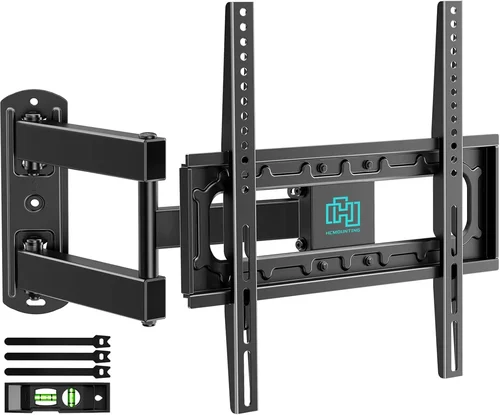
How and where you mount your TV dramatically impacts both safety and viewing experience. Full-motion articulating mounts let you tilt and swivel the screen to reduce glare and accommodate different seating angles—ideal for patios with shifting sun patterns. Fixed mounts are simpler and cheaper but offer less adjustability.
Always use a mount rated for outdoor use and compatible with your TV’s VESA pattern. Many outdoor TVs come with proprietary mounting systems, so check compatibility before buying third-party hardware. If you’re installing near a pool or grill, allow extra clearance for heat, steam, and splashes. And never skip professional installation if you’re unsure about electrical wiring, structural support, or weather sealing around wall penetrations.
7. Brand Reputation & Ecosystem Compatibility
Not all “outdoor TV” brands are created equal. Established names like Samsung (with its Terrace series), LG (OLED Flex for semi-outdoor use), and specialty manufacturers like SunBriteTV and Seura have spent years refining outdoor-specific designs. These companies often provide better customer support, longer warranties, and proven track records in real-world conditions.
Also consider ecosystem synergy. If you already own smart home devices (like Ring cameras, Nest thermostats, or Sonos speakers), choosing a TV that integrates seamlessly can simplify control via voice assistants (Alexa, Google Assistant) or unified apps. Avoid obscure brands with no service network—you don’t want to be stuck with a dead screen and no repair options.
8. Warranty & Long-Term Support
Outdoor electronics face harsher conditions than indoor gear, so warranty coverage matters more than ever. Most reputable outdoor TVs come with 2–3 years of comprehensive warranty, often including labor and parts. Some even offer extended plans covering accidental damage or environmental failures.
Read the fine print: does the warranty require professional installation? Is it voided if used in partially exposed areas? How easy is it to file a claim? Brands with local service centers (or partnerships with national tech support) save you weeks of downtime. Also check firmware update policies—outdoor TVs should receive regular security and feature updates, just like indoor models.
Different Types of Patio TVs
Common Buying Mistakes to Avoid
❌ Mistake: Buying an Indoor TV for Full Outdoor Use
Why it’s bad: Indoor TVs lack the brightness, sealing, and thermal management needed for outdoor environments. Even brief exposure to moisture or direct sun can cause permanent damage, void warranties, and create safety hazards.
What to do instead: Only use indoor TVs in fully enclosed, climate-controlled spaces. For anything less than total coverage, invest in a purpose-built outdoor model or a certified semi-outdoor TV.
❌ Mistake: Ignoring Sun Path and Glare Angles
Why it’s bad: Placing your TV where afternoon sun hits the screen directly turns it into a mirror. No amount of brightness can fully compensate for poor placement.
What to do instead: Observe your patio’s sun patterns for a week. Mount the TV on a north-facing wall (in the Northern Hemisphere) or use an articulating mount to angle the screen away from direct light. Consider retractable awnings or shade sails for dynamic control.
❌ Mistake: Overlooking Audio Needs
Why it’s bad: Most outdoor TVs have underwhelming built-in speakers. Wind, distance, and ambient noise (like grills or chatter) drown out commentary during crucial plays.
What to do instead: Pair your TV with weather-resistant outdoor speakers or a soundbar. Wireless options like Bose Free Space or Sonos Move offer great flexibility without running cables through walls.
❌ Mistake: Skimping on the Mount
Why it’s bad: A flimsy mount can sag, vibrate in wind, or fail entirely—potentially dropping a $3,000 TV onto your patio furniture (or worse).
What to do instead: Choose a mount rated for at least 1.5x your TV’s weight, made from corrosion-resistant materials (powder-coated steel or aluminum), and designed for outdoor use. When in doubt, hire a pro.
❌ Mistake: Not Planning for Cable Management
Why it’s bad: Exposed cables attract pests, degrade from UV exposure, and create tripping hazards. They also compromise the clean look of your setup.
What to do instead: Use conduit raceways, in-wall cable kits (if permitted), or waterproof cable sleeves. Label all cords and keep spare HDMI cables on hand—they’re the first to fail in humid conditions.
❌ Mistake: Forgetting About Power Sources
Why it’s bad: Outdoor outlets are often limited or far from your ideal TV location. Extension cords are unsafe and unsightly.
What to do instead: Have a licensed electrician install a dedicated outdoor GFCI outlet near your mounting spot. Consider solar-powered options for remote areas.
❌ Mistake: Assuming All “Outdoor” TVs Are Equal
Why it’s bad: Some brands slap “outdoor” labels on barely-modified indoor models. These may lack critical features like optical bonding or active cooling.
What to do instead: Research specific models, read professional reviews, and verify IP ratings and brightness specs. Stick to brands with proven outdoor expertise.
Budget Guidelines: How Much Should You Spend?
Entry-Level ($500–$1,200): This tier includes portable displays, basic semi-outdoor TVs, or indoor models in weatherproof enclosures. Expect modest brightness (500–700 nits), limited smart features, and shorter warranties. Best for covered patios with minimal sun exposure or temporary setups. Example: SunBriteTV Veranda series (smaller sizes).
Mid-Range ($1,200–$3,000): The sweet spot for most homeowners. These TVs offer 700–1,200 nits brightness, solid weather resistance (IP55), reliable smart platforms, and good build quality. Ideal for partially covered spaces like pergolas or screened porches. Example: Samsung The Terrace (55″–65″).
Premium ($3,000–$6,000): For enthusiasts who want flawless performance in any condition. Expect 1,500+ nits, full weatherproofing (IP65), advanced cooling, premium materials, and extended warranties. Perfect for fully exposed patios, pool areas, or four-season use. Example: SunBriteTV Pro 2 series or Seura Outdoor TVs.
Luxury ($6,000+): Top-tier commercial-grade or custom solutions. These include ultra-bright panels (2,000+ nits), modular designs, 24/7 operation capability, and professional installation services. Reserved for large venues, luxury homes, or extreme climates. Example: Peerless-AV Xtreme Outdoor Displays.

Expert Tips for Getting the Best Deal
- Buy in the off-season: Prices drop significantly after football season ends (February–April). Retailers clear inventory before new models arrive in late summer.
- Check manufacturer rebates: Brands like Samsung and SunBriteTV often run seasonal promotions—especially around Black Friday or Memorial Day.
- Consider certified refurbished: Many outdoor TV makers sell refurbished units with full warranties at 20–30% off retail. These are thoroughly tested and often indistinguishable from new.
- Bundle with installation: Some retailers (like Best Buy Geek Squad or local AV integrators) offer discounted TV + install packages. This saves hassle and ensures proper setup.
- Negotiate with local dealers: Independent electronics stores may price-match big-box retailers and throw in free mounts or cables to win your business.
- Read return policies carefully: Outdoor TVs are often non-returnable once installed due to customization. Ensure you can test functionality before final mounting.
- Join owner forums: Communities like AVS Forum or Reddit’s r/outdoortv share real-world deals, firmware updates, and troubleshooting tips you won’t find elsewhere.
- Future-proof with HDMI 2.1: If you plan to stream 4K/120Hz content (like next-gen sports broadcasts), ensure your TV supports it—even if you don’t need it today.

Frequently Asked Questions
Q: Can I use a regular indoor TV on my covered patio?
A: Only if the space is fully enclosed, climate-controlled, and protected from all moisture and direct sunlight. Even then, humidity and temperature swings can shorten its lifespan. For anything less than a sealed sunroom, choose a semi-outdoor or fully weatherproof model.
Q: Do outdoor TVs need special power outlets?
A: Not necessarily, but they should be plugged into a GFCI (Ground Fault Circuit Interrupter) outlet for safety. These are required by code for all outdoor electrical installations and prevent shocks in wet conditions.
Q: How do I clean my outdoor TV screen?
A: Use a microfiber cloth and distilled water only. Never spray liquid directly on the screen—wipe gently in circular motions. Avoid ammonia-based cleaners (like Windex), which can damage anti-reflective coatings.
Q: Will an outdoor TV work in winter?
A: Yes, if it includes a built-in heater (most premium models do). These prevent internal condensation and ensure reliable startup in sub-freezing temperatures. Check the operating temperature range in the specs.
Q: Can I leave my outdoor TV on during a storm?
A: While weatherproof TVs resist rain, lightning poses a real risk. Always unplug the TV and antenna/cable during thunderstorms to avoid power surges. Consider a whole-home surge protector for added safety.
Q: Are outdoor TVs louder than indoor ones?
A: Not inherently. Most rely on external speakers for adequate volume. Built-in audio is often muffled due to sealed enclosures. Plan for a separate sound system from day one.
Q: Do I need a permit to install an outdoor TV?
A: It depends on your local building codes. If you’re running electrical wiring through walls or modifying structures, a permit may be required. Consult your city’s planning department or hire a licensed contractor.
Q: How long do outdoor TVs last?
A: With proper care, a quality outdoor TV should last 7–10 years—comparable to indoor models. Harsh environments (coastal areas, extreme deserts) may reduce lifespan, so choose corrosion-resistant models if needed.
Q: Can I stream NFL games on an outdoor TV?
A: Absolutely! As long as your TV has a smart platform with apps like NFL+, YouTube TV, or fuboTV, you can stream live games. Ensure strong Wi-Fi or use an Ethernet connection for buffer-free viewing.
Q: What’s the difference between IP55 and IP65?
A: IP55 protects against dust (limited ingress) and low-pressure water jets. IP65 offers total dust protection and resistance to stronger water streams. For full exposure, IP65 or higher is recommended.
Our Final Recommendations
Best for Budget-Conscious Buyers: SunBriteTV Veranda Series (55″) – At around $1,200, it delivers 700 nits brightness, IP55 rating, and solid smart features for covered patios. Great value for the price.
Best Overall Value: Samsung The Terrace (65″) – Combines 1,500 nits brightness, excellent Tizen OS, and sleek design at a competitive $2,800. Ideal for semi-exposed spaces with partial sun.
Best Premium Option: SunBriteTV Pro 2 Series (75″) – Built for full exposure with 2,000 nits, IP65 rating, active cooling, and a 3-year warranty. Worth every penny for serious outdoor entertainers.
Best for Beginners: LG OLED Flex (42″) – While not fully outdoor-rated, its incredible brightness (1,000+ nits) and anti-glare tech make it viable for well-covered patios. Plus, it doubles as a curved gaming display.
Best for Advanced Users: Seura Outdoor TV with Integrated Sound – This all-in-one solution features a built-in weatherproof soundbar, 1,500 nits brightness, and elegant design. Perfect for those who want minimal setup and maximum impact.
Conclusion: Making the Right Choice
Choosing the right patio TV for football season—and beyond—is about more than just screen size or brand name. It’s about understanding your environment, prioritizing durability and visibility, and aligning your investment with how you actually live outdoors. Whether you’re cheering on your team from a cozy covered porch or hosting a rowdy crowd by the pool, the right TV will enhance every moment without constant worry about weather, glare, or technical hiccups.
Remember: the cheapest option isn’t always the most cost-effective long-term. A $1,000 indoor TV that fails after one rainy season costs more than a $2,500 outdoor model that lasts a decade. Prioritize brightness, weather resistance, and build quality above all else. And don’t forget the supporting cast—mounts, speakers, cables, and professional installation—that turn a good TV into a great experience.
Take your time, compare specs, read real user reviews, and visualize your ideal game day. With the insights from this guide, you’re equipped to make a confident, informed decision that delivers years of outdoor entertainment. Now go enjoy that touchdown in glorious, sun-resistant clarity!

