
If you’re dreaming of sipping your morning coffee while catching up on the news, hosting backyard movie nights under string lights, or watching the big game with friends on a breezy summer evening—all from the comfort of your covered patio—you’re not alone. Outdoor living spaces have evolved far beyond simple grills and Adirondack chairs. Today’s homeowners are transforming their patios into full-fledged entertainment zones, and a high-quality outdoor TV is often the centerpiece of that vision.
But here’s the catch: not all TVs are built to thrive in outdoor environments—even covered ones. Humidity, temperature swings, dust, and indirect sunlight can wreak havoc on standard indoor televisions. That’s why choosing the right patio TV isn’t just about screen size or smart features—it’s about finding a display engineered specifically for outdoor resilience without sacrificing picture quality or usability. This guide cuts through the noise, marketing hype, and confusing specs to give you everything you need to make a confident, informed decision in 2026.
By the end of this comprehensive buying guide, you’ll understand exactly what makes an outdoor TV different from its indoor counterpart, how to match your needs to the right model, and where to find the best value without overspending. We’ll cover everything from weatherproofing standards and brightness requirements to mounting options, smart platform compatibility, and long-term durability. Whether you’re a first-time buyer or upgrading from an older outdoor display, this guide will arm you with expert-level knowledge so you can enjoy crystal-clear viewing—rain or shine.
The market for outdoor TVs has matured significantly over the past few years. What once was a niche category dominated by a handful of specialty brands now includes offerings from major electronics manufacturers like Samsung, LG, and Sony, alongside established outdoor specialists such as SunBriteTV and Seura. Prices range from under $1,000 for basic weather-resistant models to well over $5,000 for premium, full-weatherproof 4K HDR displays with anti-glare coatings and integrated sound systems. With more options than ever, the challenge isn’t finding a patio TV—it’s finding the right one for your specific setup, climate, and viewing habits.

What to Look for When Buying a Patio TV
1. Weather Resistance & IP Rating
Even if your patio is covered, it’s rarely a fully sealed environment. Moisture from rain splash, morning dew, or high humidity can seep into electronics and cause corrosion over time. That’s why weather resistance is the single most critical factor when choosing a patio TV. Look for models with an official Ingress Protection (IP) rating—specifically IP55 or higher. An IP55 rating means the TV is protected against dust ingress (limited to no harmful deposits) and low-pressure water jets from any direction, making it suitable for covered patios exposed to occasional weather.
Avoid generic “weather-resistant” claims without an IP rating—they’re often marketing fluff. True outdoor TVs undergo rigorous testing to ensure internal components are sealed, vents are filtered, and connectors are protected. For example, SunBriteTV’s Veranda series carries an IP55 rating and includes a built-in heater and cooling fan to regulate internal temperature, which is crucial in regions with extreme seasonal changes.
2. Brightness & Anti-Glare Performance
Indoor TVs typically operate at 300–500 nits of brightness—fine for dim living rooms but hopelessly washed out in daylight, even under cover. Patio TVs must combat ambient light, including reflected sunlight off concrete, water, or patio furniture. Look for a minimum brightness of 700 nits, but ideally 1,000 nits or more for optimal daytime visibility.
Equally important is the screen coating. Standard glass reflects light like a mirror outdoors, ruining contrast and color accuracy. Premium outdoor TVs use optically bonded, anti-reflective (AR) glass that minimizes glare while maintaining deep blacks and vibrant colors. For instance, Samsung’s The Terrace series features a proprietary anti-glare layer that reduces reflections by up to 80% compared to conventional displays.
Don’t confuse brightness with backlight intensity alone—some manufacturers boost brightness artificially at the expense of color accuracy. Always check for HDR support (HDR10, HLG, or Dolby Vision) and local dimming zones, which help preserve detail in both bright and dark scenes.
3. Build Quality & Durability
Outdoor TVs face more than just weather—they’re also exposed to temperature extremes, UV radiation, and physical wear. A rugged chassis made from powder-coated aluminum or marine-grade stainless steel resists rust and fading far better than plastic or standard metal enclosures. Internal components should be conformal-coated to prevent moisture damage, and all ports (HDMI, USB, power) must have protective covers or gaskets.
Consider your local climate: if you live in a region with harsh winters or scorching summers, look for models with active thermal management. These include small fans or heaters that maintain optimal operating temperatures (typically between 32°F and 104°F). Passive cooling-only models may shut down or degrade faster in extreme conditions.
Also pay attention to the remote control. Many outdoor TVs come with weatherproof remotes or offer smartphone app control via Wi-Fi, which is more reliable than infrared signals that can be blocked by patio structures or foliage.
4. Size & Viewing Distance
Screen size matters—but not in the same way as indoors. Because outdoor spaces are often larger and viewers sit farther away, you’ll want a bigger screen than you might expect. A good rule of thumb: divide your viewing distance (in inches) by 1.2 to 1.5 to get the ideal diagonal screen size in inches. For example, if you’ll be sitting 10 feet (120 inches) away, aim for a 75″ to 100″ TV.
However, don’t go oversized just because you can. A massive screen in a small covered patio can feel overwhelming and may require a wider mounting bracket that doesn’t fit your wall. Measure your space carefully, including clearance for ventilation (most outdoor TVs need at least 2–3 inches of airflow around all sides).
For reference:
- 65″ TV: Best for 6–8 ft viewing distance
- 75″ TV: Ideal for 8–10 ft
- 85″ TV: Perfect for 10–12 ft or larger patios
5. Smart Features & Connectivity
Just because it’s an outdoor TV doesn’t mean it should lack modern conveniences. Most premium patio TVs now run full smart platforms like Google TV (on Sony and TCL models), webOS (LG), or Tizen (Samsung). This lets you stream Netflix, Disney+, YouTube, and more directly without needing an external device—though having HDMI ports for a streaming stick or game console is still essential.
Check for:
- Wi-Fi 6 or Ethernet for stable streaming
- At least 3 HDMI 2.1 ports (for 4K/120Hz gaming or AV receivers)
- USB ports for media playback or firmware updates
- Bluetooth for wireless audio to outdoor speakers
Be wary of “dumb” outdoor displays that require a separate media box—these add cost, complexity, and another point of failure. Integrated smart TVs simplify setup and reduce clutter.
6. Audio Quality & Sound Solutions
Outdoor acoustics are tricky. Sound dissipates quickly in open air, and background noise (traffic, birds, wind) can drown out dialogue. While some high-end patio TVs include decent built-in speakers (e.g., Seura’s Shadowbox series with 20W stereo output), most benefit from external audio.
Consider pairing your TV with weather-resistant outdoor speakers or a soundbar designed for exterior use. Look for models with IPX5 or higher ratings and mounting kits that integrate cleanly with your TV setup. Alternatively, use Bluetooth headphones for private listening during early mornings or late nights.
If you plan to host parties, a multi-zone audio system with patio speakers connected to your home network offers the best experience—but ensure your TV supports audio passthrough via optical or HDMI ARC.
7. Brand Reputation & Ecosystem Compatibility
Not all outdoor TV brands are created equal. Established players like SunBriteTV (a leader since 2004), Seura, and Samsung have proven track records for reliability and customer support. Lesser-known brands may offer lower prices but often cut corners on build quality or lack service networks.
Also consider ecosystem compatibility. If you already own smart home devices (e.g., Google Nest, Amazon Echo, or Apple HomeKit), choose a TV that integrates seamlessly. For example, Samsung’s The Terrace works with SmartThings, while LG’s outdoor models support Google Assistant and Alexa voice control.
Reading real user reviews on sites like Crutchfield, Best Buy, or specialty outdoor retailers can reveal hidden issues—like poor customer service or premature screen burn-in—that specs sheets won’t show.
8. Warranty & Long-Term Support
Outdoor TVs are a significant investment, so protect it with a strong warranty. Most reputable brands offer 2–3 years of coverage, but some extend to 5 years for commercial-grade models. Pay attention to what’s covered: does it include labor, parts, and on-site service? Is the warranty voided if installed by a non-certified technician?
Also check availability of replacement parts and firmware updates. A TV that can’t receive software updates may become incompatible with new streaming services or security protocols within a few years.
Different Types of Patio TVs
Common Buying Mistakes to Avoid
❌ Mistake: Buying a Standard Indoor TV for Outdoor Use
Why it’s bad: Indoor TVs lack weatherproofing, have low brightness, and aren’t designed for temperature fluctuations. Even under cover, humidity and dust will shorten their lifespan dramatically—often failing within 1–2 years.
What to do instead: Invest in a TV specifically rated for outdoor or covered patio use. The extra cost upfront saves money and frustration long-term.
❌ Mistake: Ignoring Viewing Angle and Glare
Why it’s bad: If your seating area is off-axis from the TV (e.g., couches at an angle), poor viewing angles cause color washout and reduced contrast. Combined with glare, this makes daytime viewing nearly impossible.
What to do instead: Choose a TV with wide viewing angles (look for IPS or OLED panels) and an anti-reflective screen. Position the TV perpendicular to primary seating and avoid direct sightlines to windows or shiny surfaces.
❌ Mistake: Overlooking Power and Ventilation Requirements
Why it’s bad: Outdoor TVs generate heat and need airflow to prevent overheating. Installing them in enclosed cabinets or too close to walls can cause shutdowns or component failure.
What to do instead: Allow at least 2–3 inches of clearance on all sides. Use a ventilated outdoor TV cabinet or open-wall mount. Ensure easy access to power outlets with weatherproof covers.
❌ Mistake: Skimping on Mounting Hardware
Why it’s bad: Standard indoor mounts aren’t rated for outdoor conditions. Rust, wind load, and weight distribution differ significantly. A failed mount can damage your TV, wall, or worse—cause injury.
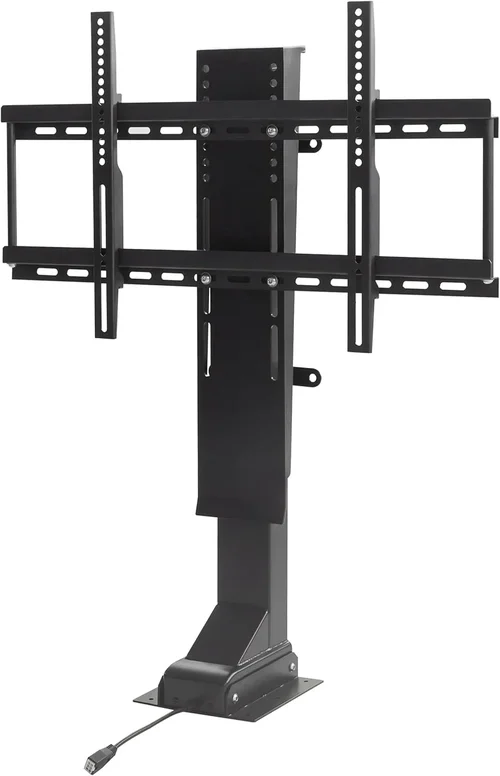
What to do instead: Use a certified outdoor TV mount (e.g., from Sanus, Peerless, or the TV manufacturer). Ensure it’s compatible with your wall type (brick, stucco, wood) and includes tilt/swivel if needed.
❌ Mistake: Forgetting About Audio
Why it’s bad: Relying solely on built-in TV speakers leads to tinny, quiet audio that gets lost outdoors. You’ll constantly strain to hear dialogue.
What to do instead: Plan your audio setup from day one. Budget for outdoor speakers or a weatherproof soundbar. Wireless options reduce cable clutter.
❌ Mistake: Not Checking Return Policies
Why it’s bad: Outdoor TVs are bulky and expensive to return. If the picture quality, brightness, or features don’t meet expectations, you could be stuck with a lemon.
What to do instead: Buy from retailers with generous return windows (30+ days) and free return shipping. Test the TV thoroughly during the trial period—especially in daytime conditions.
Budget Guidelines: How Much Should You Spend?
Entry-Level ($800 – $1,500): At this price, you’re typically looking at a standard indoor TV paired with a weatherproof enclosure (like the Peerless-AV Outdoor TV Enclosure). Picture quality can be good, but brightness rarely exceeds 500 nits, and smart features may be limited. Best for fully sheltered areas with minimal sun exposure.
Mid-Range ($1,500 – $3,000): This is the sweet spot for most covered patio owners. Models like the Samsung The Terrace 65″ or LG 70UN7370PUD offer IP55 ratings, 1,000+ nits brightness, anti-glare screens, and full smart platforms. You get excellent durability and performance without premium pricing.
Premium ($3,000 – $5,000): For enthusiasts who want top-tier picture quality and ruggedness, premium models like the SunBriteTV Veranda or Seura Shadowbox deliver 1,500+ nits, local dimming, Dolby Vision, and advanced thermal management. Ideal for larger patios or mixed indoor/outdoor use.
Luxury ($5,000+): These are commercial-grade or ultra-high-end residential displays with features like 24/7 operation, modular designs, integrated heaters/coolers, and custom finishes. Perfect for luxury homes, hotels, or permanent outdoor entertainment zones.

Expert Tips for Getting the Best Deal
- Buy in Spring or Early Summer: Demand peaks in late summer, so retailers often discount older models in April–June to clear inventory.
- Check Manufacturer Refurbished Programs: Brands like Samsung and SunBriteTV sell certified refurbished units with full warranties at 20–30% off retail.
- Bundle with Installation: Many retailers (e.g., Crutchfield, Best Buy Geek Squad) offer discounted professional installation when you buy the TV—worth it for complex mounts or wiring.
- Negotiate Extended Warranties: Outdoor TVs are prone to environmental wear. Ask if the store will include a free or discounted extended warranty with purchase.
- Compare Total Cost of Ownership: Factor in mounting, cables, audio, and potential repairs. A cheaper TV with poor durability may cost more long-term.
- Test Before Committing: If possible, view the TV in person under bright lighting. Online reviews help, but nothing beats seeing glare and color accuracy firsthand.
- Use Price Tracking Tools: Set alerts on CamelCamelCamel (for Amazon) or Honey to catch sudden drops on high-end models.

Frequently Asked Questions
Q: Can I use a regular TV under my covered patio?
A: Technically yes—but it’s not recommended. Without proper weatherproofing, even indirect moisture and temperature changes can damage internal components within months. If you must, use a high-quality outdoor enclosure and ensure excellent ventilation.
Q: Do outdoor TVs need special cables?
A: Standard HDMI and power cables work, but for longevity, use outdoor-rated, UV-resistant cables with weatherproof connectors. Avoid running cables through walls without conduit.
Q: How do I clean my outdoor TV screen?
A: Use a microfiber cloth and distilled water only. Never use glass cleaner, ammonia, or abrasive materials—they can damage the anti-reflective coating.
Q: Will an outdoor TV work in winter?
A: Most covered patio models operate down to 32°F. If temperatures drop below freezing, choose a model with a built-in heater (like SunBriteTV’s Pro series) or bring the TV indoors during extreme cold.
Q: Can I mount my outdoor TV on a brick wall?
A: Yes, but use masonry anchors and a mount rated for outdoor use. Consider hiring a professional to avoid cracking the brick or compromising structural integrity.
Q: Do outdoor TVs consume more power?
A: Slightly, due to higher brightness and thermal systems. However, modern LED models are still energy-efficient—typically using 100–200 watts during operation.
Q: Are outdoor TVs compatible with streaming devices?
A: Absolutely. Most have multiple HDMI ports for Fire Stick, Roku, Apple TV, or gaming consoles. Some even support wireless screen mirroring.
Q: What’s the lifespan of an outdoor TV?
A: With proper care, a quality outdoor TV should last 7–10 years. Indoor TVs used outdoors may fail in 1–3 years.
Q: Can I leave my outdoor TV on all the time?
A: Not recommended. While commercial models are built for 24/7 use, residential units perform best with regular rest periods to prevent overheating and panel wear.
Our Final Recommendations
- Best for Budget-Conscious Buyers: Samsung The Terrace 65″ (QN65LT670) – Excellent balance of price, brightness (1,000 nits), and smart features. IP55 rated and widely available.
- Best Overall Value: LG 75UN7370PUD with Outdoor Enclosure – High brightness, great color accuracy, and webOS platform. Pair with a Peerless-AV enclosure for full protection under $2,500.
- Best Premium Option: SunBriteTV Veranda 75″ 4K – Built like a tank with 1,500 nits, local dimming, and all-weather durability. Ideal for serious outdoor entertainers.
- Best for Beginners: Seura 55″ Shadowbox – Sleek design, easy setup, and reliable performance. Great for first-time outdoor TV owners.
- Best for Advanced Users: Samsung The Terrace 85″ Full Sun Model – IP66 rated, 2,000 nits brightness, and professional-grade thermal management. For those who want the absolute best.
Conclusion: Making the Right Choice
Choosing the perfect patio TV isn’t just about picking the biggest screen or the shiniest brand—it’s about aligning your investment with your environment, usage patterns, and long-term goals. A covered patio offers a unique blend of protection and exposure, demanding a display that’s both resilient and refined. By prioritizing weather resistance, brightness, build quality, and smart functionality, you’ll ensure years of enjoyment without constant repairs or replacements.
Remember: the cheapest option today often becomes the most expensive tomorrow. Invest wisely, plan your setup thoroughly, and don’t hesitate to consult professionals for installation or audio integration. Your outdoor oasis deserves a centerpiece that performs as beautifully as it looks.
Now that you’re armed with expert knowledge, it’s time to turn your vision into reality. Whether you’re watching sunrise yoga sessions, weekend barbecues, or blockbuster movies under the stars, the right patio TV will transform your covered space into the ultimate retreat. Happy viewing!

