
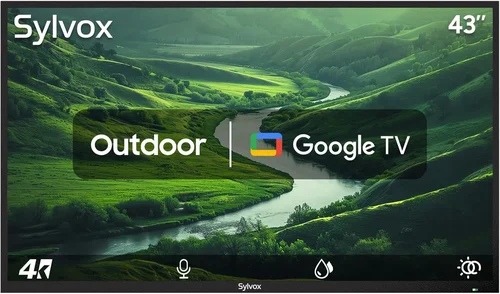
Whether you’re sipping morning coffee under the open sky or hosting a summer movie night under string lights, a patio TV can transform your balcony or outdoor living space into a true entertainment oasis. But unlike indoor TVs, choosing the right television for your balcony or patio requires careful consideration of weather resistance, brightness, durability, and placement logistics. With so many options flooding the market in 2026—from weatherproof outdoor TVs to portable indoor models used in covered spaces—it’s easy to feel overwhelmed. That’s where this comprehensive buying guide comes in.
This guide is designed to help you navigate the complexities of selecting the perfect patio TV for your unique setup. Whether you have a small urban balcony, a covered porch, or an open-air terrace, we’ll walk you through every critical factor—from screen technology and weather protection to sound quality and smart features. You’ll learn how to balance performance with budget, avoid common pitfalls, and ultimately choose a TV that delivers stunning visuals and reliable performance year-round. By the end, you’ll have the confidence and knowledge to make an informed decision that enhances your outdoor lifestyle.
The market for outdoor and patio TVs has evolved significantly in recent years. What once meant bulky, expensive all-weather enclosures now includes sleek, purpose-built outdoor models from major brands like Samsung, LG, and Sony, as well as innovative portable and semi-outdoor options. Advances in display technology—such as brighter OLED and QLED panels, improved anti-glare coatings, and enhanced waterproofing—have made it easier than ever to enjoy high-quality viewing outdoors. At the same time, smart TV platforms, voice control, and wireless connectivity have brought the full indoor entertainment experience to your balcony. This guide cuts through the noise to deliver expert-level insights tailored specifically to outdoor use.

What to Look for When Buying Buying Guide
1. Weather Resistance & IP Rating
One of the most critical factors when selecting a patio TV is its ability to withstand outdoor conditions. Unlike indoor TVs, outdoor models must resist moisture, dust, temperature fluctuations, and UV exposure. The key metric here is the Ingress Protection (IP) rating, which indicates how well a device is protected against solids and liquids. For outdoor use, look for a minimum IP55 rating—this means the TV is protected against low-pressure water jets and limited dust ingress. For fully exposed balconies or areas with heavy rain, consider IP65 or higher, which offers full dust protection and resistance to water projected from any direction.
Many outdoor TVs come with built-in weatherproof casings, while others require external enclosures. If you’re using an indoor TV on a covered balcony, a weatherproof enclosure is essential. These enclosures typically feature tempered glass fronts, ventilation systems to prevent overheating, and secure mounting options. Always check whether the TV or enclosure is rated for your local climate—extreme heat, cold, or humidity can affect performance and longevity. For example, TVs used in desert climates may need enhanced cooling, while those in coastal areas require corrosion-resistant materials.
2. Screen Brightness & Anti-Glare Technology
Outdoor viewing presents a unique challenge: ambient light. Sunlight reflecting off walls, floors, or nearby surfaces can wash out even the most vibrant indoor displays. That’s why brightness is paramount. For patio use, aim for a TV with a minimum brightness of 700 nits, but ideally 1000 nits or higher. High brightness ensures that images remain clear and colors pop even in direct sunlight. Many outdoor TVs now feature high-luminance LED or QLED panels specifically engineered for outdoor visibility.
Equally important is anti-glare technology. Look for screens with matte finishes or advanced optical filters that reduce reflections. Some premium models use quantum dot enhancement films or micro-louver layers to minimize glare without sacrificing color accuracy. Additionally, consider the viewing angle—wide-angle panels (178 degrees or more) allow multiple people to enjoy the screen from different positions on your balcony without color distortion. OLED TVs, while stunning indoors, often struggle with brightness outdoors unless specifically designed for it, so QLED or high-brightness LED models are generally better suited for sunny patios.
3. Size & Viewing Distance
Choosing the right screen size depends on your balcony dimensions and typical seating arrangement. A TV that’s too large can overwhelm a small space, while one that’s too small may be hard to see from a distance. A good rule of thumb is to sit at a distance of 1.5 to 2.5 times the diagonal screen size. For example, a 55-inch TV is ideal for viewing from 6.5 to 11 feet away. On a standard balcony, this usually translates to a 43-inch to 65-inch screen, depending on layout.
Consider how the TV will be mounted or placed. Wall-mounted TVs save floor space and provide a clean look, but require sturdy railings or walls. Freestanding or portable models offer flexibility but may take up valuable room. If your balcony has limited space, a slim-profile TV or one with a narrow bezel can maximize screen real estate without dominating the area. Also, think about future use—will you host gatherings where more people will gather around the screen? If so, lean toward a larger size to ensure everyone has a good view.
4. Build Quality & Durability
Outdoor environments are harsh on electronics. A patio TV must be built to last, with rugged materials and robust construction. Look for models with metal chassis, reinforced corners, and sealed components. The internal circuitry should be protected from condensation, which can form when temperatures drop at night. Some manufacturers use conformal coating on circuit boards to prevent moisture damage.
Durability also extends to the remote control and input ports. Water-resistant remotes with sealed buttons are ideal, and HDMI and USB ports should be covered or located in protected areas. If you plan to leave the TV outside year-round, ensure it’s rated for continuous outdoor use—some “semi-outdoor” models are only suitable for covered patios and may degrade in direct exposure. Check the operating temperature range; most outdoor TVs function between -22°F and 122°F (-30°C to 50°C), which covers most climates.
5. Smart Features & Connectivity
Modern patio TVs are more than just displays—they’re full-fledged entertainment hubs. Smart TV platforms like Google TV, webOS, or Tizen allow you to stream content from Netflix, YouTube, Disney+, and more without needing an external device. Voice control via Google Assistant or Alexa is increasingly common and convenient for hands-free operation, especially when you’re grilling or lounging.
Connectivity is another key consideration. Ensure the TV has multiple HDMI ports (preferably HDMI 2.1 for 4K/120Hz gaming), USB ports for media playback, and Wi-Fi 6 or Ethernet for stable streaming. Bluetooth support lets you connect wireless speakers or headphones for private listening. Some models even include built-in streaming sticks or support for wireless screen mirroring from phones and tablets. If you plan to use the TV for gaming, look for low input lag and variable refresh rate (VRR) support.
6. Audio Performance & Sound Solutions
Outdoor acoustics are vastly different from indoor environments. Sound dissipates quickly in open spaces, and background noise from traffic, wind, or neighbors can interfere with dialogue. Most built-in TV speakers are underpowered for outdoor use, so audio quality is often a weak point. However, some outdoor TVs feature enhanced speakers with higher wattage and better bass response.
For the best experience, consider pairing your TV with external audio. Weatherproof Bluetooth speakers, outdoor soundbars, or in-ceiling/wall-mounted speakers can dramatically improve sound quality. Look for models with optical audio output or Bluetooth 5.0+ for low-latency wireless audio. If you’re mounting the TV high on a wall, ensure the audio solution is positioned to direct sound toward seating areas. Some premium outdoor TVs even include built-in subwoofers or support for multi-room audio systems.
7. Power Consumption & Energy Efficiency
Outdoor TVs often run for extended periods, especially during summer evenings or weekend gatherings. Energy efficiency matters not only for environmental reasons but also for long-term cost savings. Look for models with ENERGY STAR certification, which indicates lower power consumption without sacrificing performance. LED and QLED TVs are generally more efficient than older plasma or CCFL-backlit models.
Brightness settings also impact energy use. Many outdoor TVs include ambient light sensors that automatically adjust screen brightness based on lighting conditions, reducing power draw when full brightness isn’t needed. Additionally, features like auto sleep timers and motion-activated wake-up can help conserve energy. If your balcony lacks easy access to power outlets, consider a model with low standby power consumption or explore solar-powered charging options for portable units.
8. Brand Reputation & Warranty Support
Not all TV brands are created equal when it comes to outdoor durability and customer service. Established manufacturers like Samsung, LG, Sony, and SunBrite (a leader in outdoor TVs) have a proven track record of building reliable products and offering strong warranties. Research customer reviews and expert ratings to gauge long-term performance and reliability.
Warranty coverage is especially important for outdoor electronics. Look for at least a 2-year warranty, with some premium models offering 3 to 5 years. Check what’s covered—does it include weather damage, screen burn-in, or component failure? Some brands offer extended service plans or on-site repair for outdoor units. Avoid no-name brands with vague return policies or limited support, as repairing or replacing a damaged outdoor TV can be costly and logistically challenging.
Different Types of Buying Guide

Common Buying Mistakes to Avoid
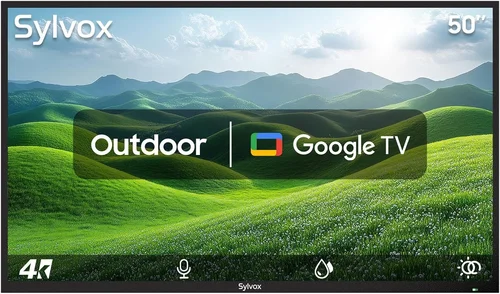
❌ Mistake: Buying an Indoor TV for Full Outdoor Exposure
Why it’s bad: Indoor TVs are not designed to handle moisture, temperature swings, or UV exposure. Using one outside without protection can lead to rapid degradation, screen fogging, electrical failure, or even safety hazards like short circuits.
What to do instead: If you must use an indoor TV, invest in a certified weatherproof enclosure with proper ventilation and sealing. Better yet, choose a purpose-built outdoor model or use the TV only in fully covered, sheltered areas.
❌ Mistake: Ignoring Brightness Requirements
Why it’s bad: A TV with low brightness will appear dim and washed out in daylight, making it difficult to see details or enjoy vibrant colors. This is especially problematic on sunny balconies or near reflective surfaces.
What to do instead: Prioritize models with at least 700 nits of brightness, and aim for 1000+ nits for optimal visibility. Look for anti-glare coatings and high-contrast ratios to enhance outdoor viewing.
❌ Mistake: Overlooking Audio Needs
Why it’s bad: Built-in TV speakers are rarely powerful enough for outdoor environments. Poor audio can ruin the viewing experience, especially during dialogue-heavy shows or live sports.
What to do instead: Plan for external audio from the start. Invest in weather-resistant Bluetooth speakers, an outdoor soundbar, or a multi-room audio system. Test audio placement to ensure sound reaches seating areas clearly.
❌ Mistake: Choosing the Wrong Size for the Space
Why it’s bad: A TV that’s too large can dominate a small balcony and make viewing uncomfortable, while one that’s too small may be hard to see from a distance, reducing immersion.
What to do instead: Measure your balcony and typical seating distance. Use the 1.5x to 2.5x screen size rule to determine the ideal size. Consider wall mounting to save space and improve sightlines.
❌ Mistake: Skipping the Warranty Check
Why it’s bad: Outdoor TVs are expensive and prone to environmental damage. Without a solid warranty, repairs or replacements can cost hundreds or thousands of dollars.
What to do instead: Always review the warranty terms before purchasing. Look for coverage of weather-related damage, screen issues, and labor costs. Consider extended service plans for high-end models.
❌ Mistake: Not Planning for Power and Connectivity
Why it’s bad: Running extension cords across a balcony is unsafe and unsightly. Lack of nearby outlets or poor Wi-Fi signal can limit functionality and create tripping hazards.
What to do instead: Assess power access before buying. Use outdoor-rated extension cords or consult an electrician to install a weatherproof outlet. Ensure strong Wi-Fi coverage or use a mesh network extender for reliable streaming.
❌ Mistake: Assuming All “Outdoor” TVs Are Equal
Why it’s bad: Some TVs are labeled “outdoor” but are only suitable for covered areas. Others may lack essential features like high brightness or proper sealing.
What to do instead: Read specifications carefully. Verify IP ratings, brightness levels, and intended use cases. Research brand reputation and customer reviews to ensure the TV meets your needs.
Budget Guidelines: How Much Should You Spend?
Entry-Level ($500 – $1,000): This range includes portable outdoor TVs, small indoor models in basic enclosures, and entry-level smart projectors. Expect modest brightness (500-700 nits), limited smart features, and basic weather resistance. Ideal for covered balconies or occasional use. Brands like TCL and Hisense offer decent value here.
Mid-Range ($1,000 – $2,500): This is the sweet spot for most buyers. You’ll find high-brightness QLED or LED TVs (800-1,200 nits), better smart platforms, improved audio, and reliable weatherproof enclosures. Models from Samsung, LG, and SunBrite fall here. Great for semi-covered patios and regular outdoor entertainment.
Premium ($2,500 – $5,000): For enthusiasts and those with fully exposed spaces, premium outdoor TVs offer top-tier performance. Expect 1,500+ nits brightness, OLED or advanced QLED panels, full IP65+ ratings, and robust build quality. These models often include enhanced cooling, anti-reflective coatings, and extended warranties. Perfect for luxury balconies and year-round use.
Luxury ($5,000+): At this level, you’re investing in commercial-grade displays or custom outdoor entertainment systems. These TVs are built for 24/7 operation, extreme climates, and large-scale viewing. Features may include modular designs, integrated audio systems, and professional installation services. Best for expansive terraces, outdoor kitchens, or commercial applications.
Expert Tips for Getting the Best Deal
– Buy During Off-Season Sales: Outdoor TVs are in highest demand during spring and summer. Shop in late fall or winter (October–February) for discounts of 20–30% as retailers clear inventory.
– Compare Online and In-Store Options: Online retailers often have lower prices and wider selections, but in-store purchases allow you to inspect build quality and speak with experts. Some stores offer price matching.
– Look for Bundled Deals: Many brands offer packages that include TVs, enclosures, mounts, and speakers at a reduced rate. These can save you $200–$500 compared to buying separately.
– Check Manufacturer Refurbished Programs: Certified refurbished outdoor TVs from reputable brands come with warranties and can cost 30–50% less than new models. Ensure they’re tested and include all original accessories.
– Negotiate Extended Warranties: Some retailers allow you to add extended coverage at a discount during checkout. This is especially valuable for outdoor electronics prone to environmental wear.
– Test Before Committing: If possible, visit a showroom to view the TV in bright lighting. Check for glare, color accuracy, and remote responsiveness. Some retailers offer 30-day return windows for outdoor models.
– Consider Installation Costs: Wall mounting, wiring, and enclosure setup can add $200–$800 to your total cost. Factor this into your budget and ask about professional installation services.
– Monitor Price Tracking Tools: Use browser extensions like Honey or CamelCamelCamel to track price drops and receive alerts when your desired model goes on sale.

Frequently Asked Questions
Q: Can I use a regular indoor TV on my covered balcony?
A: Yes, but only if it’s fully protected from moisture and dust. Use a certified weatherproof enclosure with proper ventilation and sealing. Avoid placing it near open sides or areas exposed to rain or sprinklers.
Q: How do I protect my outdoor TV from theft?
A: Use a locking mount or security cable to secure the TV to a wall or railing. Choose a model with a discreet design and avoid leaving it visible from the street. Some enclosures include built-in lock slots.
Q: Will my outdoor TV work in winter?
A: Most outdoor TVs are rated for temperatures as low as -22°F (-30°C). However, extreme cold can affect startup time and battery life (for portable models). Store remotes indoors and allow the TV to warm up gradually.
Q: Do outdoor TVs need special mounting hardware?
A: Yes. Use outdoor-rated mounts made from corrosion-resistant materials like stainless steel or powder-coated aluminum. Ensure the mount is compatible with your TV’s VESA pattern and can support its weight.
Q: Can I stream 4K content outdoors?
A: Absolutely. Most modern outdoor TVs support 4K resolution and high-speed HDMI inputs. Ensure your internet connection is strong enough (25+ Mbps) for smooth streaming, and use a Wi-Fi extender if needed.
Q: Are outdoor TVs energy efficient?
A: Many are ENERGY STAR certified and include power-saving features like auto brightness adjustment and sleep timers. LED and QLED models are generally more efficient than older technologies.
Q: What’s the difference between IP55 and IP65?
A: IP55 protects against low-pressure water jets and limited dust. IP65 offers full dust protection and resistance to water from any direction. Choose IP65 or higher for fully exposed areas.
Q: Can I use my outdoor TV for gaming?
A: Yes, if it has low input lag (under 20ms) and supports HDMI 2.1 features like VRR and 4K/120Hz. Look for gaming modes and check compatibility with consoles like PlayStation 5 or Xbox Series X.
Q: How often should I clean my outdoor TV?
A: Clean the screen and enclosure monthly with a microfiber cloth and mild cleaner. Avoid abrasive materials or ammonia-based cleaners, which can damage anti-glare coatings.
Q: Do outdoor TVs come with built-in streaming apps?
A: Most smart outdoor TVs include popular apps like Netflix, YouTube, and Disney+. Check the platform (Google TV, webOS, etc.) to ensure your favorite services are supported.
Our Final Recommendations
Best for Budget-Conscious Buyers: TCL 55-inch Q6 QLED Smart TV in a SunBrite Outdoor Enclosure – Offers excellent 4K picture quality, 800 nits brightness, and full smart functionality at an affordable price. The enclosure provides reliable weather protection for covered balconies.
Best Overall Value: Samsung The Terrace 65-inch Outdoor QLED TV – Combines stunning brightness (1,500 nits), anti-glare technology, and a sleek weatherproof design. Ideal for semi-covered patios with regular use.
Best Premium Option: LG OLED Pro 77-inch Outdoor TV – Features self-lit OLED pixels, exceptional contrast, and IP65 rating. Perfect for luxury terraces where image quality is paramount.
Best for Beginners: SunBrite Veranda Series 50-inch – Easy to set up, reliable performance, and excellent customer support. Great for first-time outdoor TV buyers.
Best for Advanced Users: Sony X95L 75-inch Outdoor BRAVIA with Custom Enclosure – Delivers cinematic visuals, advanced processing, and seamless integration with home automation systems. Ideal for tech-savvy users wanting a full outdoor theater experience.
Conclusion: Making the Right Choice
Choosing the right patio TV for your balcony is about more than just picture quality—it’s about creating a space where you can relax, entertain, and enjoy the outdoors in comfort. By prioritizing weather resistance, brightness, size, and smart features, you can find a model that fits your lifestyle and environment. Avoid common pitfalls like underestimating audio needs or overlooking warranty coverage, and take advantage of seasonal sales and bundled deals to maximize value.
Remember, the best TV is the one that matches your specific use case. Whether you’re watching the sunset with a glass of wine or hosting a backyard movie night, your patio TV should enhance those moments, not complicate them. Use this guide as your roadmap, do your research, and don’t hesitate to consult experts or read real user reviews before making a decision.
Your balcony deserves more than just a view—it deserves an experience. With the right TV, you can turn any evening into an event. So go ahead, invest wisely, and start enjoying your outdoor oasis like never before.

