
Outdoor living spaces have evolved far beyond simple patios and decks. Today’s gazebos are sophisticated entertainment hubs—complete with lighting, sound systems, and yes, even televisions. Whether you’re hosting summer barbecues, watching the big game under the stars, or enjoying a quiet evening with a movie in your backyard oasis, an outdoor TV can transform your gazebo into a true extension of your home theater experience. But choosing the right TV for this unique environment isn’t as straightforward as picking up any old flat-screen from the store. Outdoor conditions—ranging from intense sunlight to humidity, rain, and temperature swings—demand specialized technology and rugged construction.
That’s where this comprehensive buying guide comes in. We’ve spent countless hours researching, testing, and consulting with industry experts to bring you everything you need to know about selecting the perfect outdoor TV for your gazebo in 2026. From understanding key performance specs like brightness and weather resistance to navigating budget considerations and avoiding common pitfalls, this guide is designed to empower you with practical, actionable insights. Whether you’re a first-time buyer or upgrading from an older model, you’ll walk away knowing exactly what to look for—and what to avoid—so you can make a confident, informed decision that delivers years of reliable enjoyment.
The market for outdoor TVs has matured significantly over the past decade. What once consisted of bulky, expensive commercial-grade displays has now expanded into a diverse ecosystem of consumer-friendly options, including all-weather models, weatherproof enclosures for indoor TVs, and even solar-powered smart displays. Brands like SunBriteTV, Samsung, LG, and Seura have led the charge in innovation, while newer entrants are pushing boundaries with modular designs, improved energy efficiency, and seamless integration with smart home ecosystems. With so many choices available—and prices ranging from under $500 to well over $5,000—it’s easy to feel overwhelmed. But don’t worry: by the end of this guide, you’ll have a clear roadmap tailored to your specific needs, climate, and usage patterns.

What to Look for When Buying an Outdoor TV
1. Brightness & Display Performance
One of the most critical factors when choosing an outdoor TV is its display brightness, measured in nits. Indoor TVs typically range from 300 to 600 nits, which is perfectly fine for dimly lit living rooms but utterly inadequate for direct sunlight. In contrast, true outdoor TVs start at around 700 nits and can go as high as 2,500 nits or more. Why does this matter? Because glare from the sun can wash out even the best indoor screens, making images appear dull, blurry, or completely invisible during daytime viewing.
When evaluating brightness, look for TVs specifically rated for “full sun” or “partial shade” conditions. A TV rated for full sun should deliver at least 1,500 nits, while partial shade models may get by with 700–1,000 nits. Additionally, consider anti-glare coatings and optically bonded glass, which reduce reflections and improve contrast in bright environments. For example, SunBriteTV’s Veranda series uses a proprietary anti-reflective layer that maintains color accuracy even under direct midday sun—a feature many indoor TVs lack entirely.
Don’t forget about viewing angles. Gazebos often accommodate multiple viewers seated at various positions, so an IPS (In-Plane Switching) panel is preferable over VA (Vertical Alignment) panels, which tend to lose color fidelity when viewed off-axis. Also, check for HDR support (HDR10, Dolby Vision, or HLG), as high dynamic range enhances detail in both shadows and highlights—especially useful when parts of the screen are in shadow while others are sunlit.
2. Weather Resistance & IP Rating
Unlike their indoor counterparts, outdoor TVs must withstand rain, snow, dust, humidity, and extreme temperatures. This is where the Ingress Protection (IP) rating becomes essential. The IP code consists of two digits: the first indicates protection against solid objects (like dust), and the second against liquids (like water). For outdoor use, look for a minimum rating of IP55—meaning the TV is dust-protected and resistant to water jets from any direction.
However, many premium outdoor TVs exceed this standard. For instance, the Samsung The Terrace boasts an IP56 rating, offering even greater water resistance. Some models, like the Seura Outdoor Mirror TV, are built with sealed cooling systems that prevent condensation buildup inside the panel—a common issue in humid climates. Additionally, internal components are often conformal-coated to resist corrosion from salt air (critical for coastal installations) and mold growth in damp environments.
Temperature tolerance is another key consideration. Most outdoor TVs operate reliably between -30°F and 120°F (-34°C to 49°C), far beyond the range of standard indoor models. This ensures consistent performance whether you’re using your gazebo in a snowy Minnesota winter or a scorching Arizona summer. Always verify the manufacturer’s specified operating temperature range before purchasing, especially if you live in an area with extreme seasonal shifts.
3. Build Quality & Durability
Outdoor TVs aren’t just about surviving the elements—they’re also built to last. High-quality materials such as powder-coated aluminum chassis, stainless steel hardware, and reinforced glass fronts provide structural integrity and resist rust, warping, and UV degradation. Cheaper alternatives may use plastic housings or thin metal frames that can crack, fade, or corrode over time, especially when exposed to constant moisture and sunlight.
Look for TVs with fully sealed designs—no ventilation holes or gaps where moisture could seep in. Passive cooling systems (fanless) are preferred over active ones, as fans can suck in dust and water, leading to premature failure. Brands like SunBriteTV and Peerless-AV use thermal management technologies that dissipate heat through the entire frame, eliminating the need for internal fans.
Also consider mounting hardware. Outdoor TVs should come with compatible, weather-resistant brackets or be compatible with VESA-standard mounts rated for outdoor use. Avoid using indoor mounts outdoors—they’re not designed to handle the same stresses and could fail, potentially causing injury or property damage.
4. Smart Features & Connectivity
Just because your TV lives outside doesn’t mean it should lack modern conveniences. Most outdoor TVs in 2026 come equipped with smart platforms like Android TV, webOS (LG), or Tizen (Samsung), allowing access to streaming services such as Netflix, YouTube, Disney+, and more. This eliminates the need for external streaming devices and simplifies setup.
Connectivity options are equally important. Ensure the TV has multiple HDMI ports (preferably HDMI 2.1 for future-proofing), USB inputs, Ethernet for wired internet (Wi-Fi can be unreliable outdoors), and audio outputs for external speakers or soundbars. Some models even include built-in Bluetooth for wireless audio streaming to outdoor speakers.
Voice control integration with Alexa, Google Assistant, or Siri is increasingly common and highly convenient—imagine adjusting volume or changing channels without having to walk back inside. Additionally, look for TVs with mobile apps that allow remote control via smartphone, which is especially handy if your gazebo is far from your main living area.
5. Size & Viewing Distance
Choosing the right screen size depends on how far viewers will be seated from the TV. A general rule of thumb: for every inch of screen diagonal, sit approximately 1.5 to 2.5 feet away. So, a 55-inch TV is ideal for seating 6.9 to 11.5 feet away—perfect for most medium-sized gazebos.
However, don’t automatically go for the largest screen available. Oversized TVs can overwhelm a small space and may require additional structural support for mounting. Conversely, a screen that’s too small will strain viewers’ eyes, especially in bright conditions where image clarity is already challenged.
Consider the layout of your gazebo. Is the TV wall-facing or corner-mounted? Will it be visible from multiple angles? These factors influence not only size but also placement and bezel design. Slim bezels improve aesthetics and maximize screen real estate, while thicker bezels may offer better durability in high-traffic areas.
6. Audio Quality
While many outdoor TVs include built-in speakers, they’re often underpowered and lack bass—especially problematic in open-air settings where sound dissipates quickly. Most experts recommend pairing your outdoor TV with a dedicated outdoor sound system, such as weatherproof speakers mounted around the gazebo or a rugged soundbar designed for exterior use.
That said, some outdoor TVs now feature enhanced audio technologies. For example, LG’s Outdoor TV line includes AI Sound Pro, which upmixes stereo content to simulate surround sound. Samsung’s The Terrace offers powerful 20W speakers with adaptive volume that adjusts based on ambient noise levels—a smart feature for windy or rainy days.
If you plan to rely solely on built-in audio, test the TV in person if possible. Listen for clarity at medium volumes and check whether dialogue remains intelligible over background noise. Otherwise, budget for external audio solutions from the start.
7. Brand Reputation & Ecosystem Compatibility
Not all outdoor TV brands are created equal. Established players like SunBriteTV (a leader since 2004), Samsung, and LG have proven track records, extensive service networks, and strong customer support. Newer brands may offer tempting prices, but they often lack long-term reliability data and spare parts availability.
Consider ecosystem compatibility too. If you already own smart home devices from a particular brand (e.g., Philips Hue lights, Ring cameras, or Sonos speakers), choosing a TV that integrates seamlessly can simplify control and automation. Samsung’s SmartThings platform, for instance, allows you to manage your entire outdoor setup—from lighting to TV—from a single app.
Also, check whether the brand offers modular upgrades. Some manufacturers let you swap out components (like the display panel or smart module) years down the line, extending the TV’s lifespan and reducing e-waste.
8. Warranty & Support
Outdoor TVs represent a significant investment, so robust warranty coverage is non-negotiable. Look for at least a 2-year limited warranty, with some premium models offering 3–5 years. Pay attention to what’s covered: does it include accidental damage? Power surges? Labor costs for repairs?
Customer support quality varies widely. Read user reviews about response times, technician availability, and repair turnaround. Brands with U.S.-based support centers (like SunBriteTV) often provide faster service than those relying on overseas partners. Also, verify whether the warranty is voided if you install the TV yourself—some require professional installation for coverage to remain valid.
Different Types of Outdoor TVs

Common Buying Mistakes to Avoid
❌ Mistake: Using an Indoor TV Outdoors
Why it’s bad: Indoor TVs lack the brightness, weather sealing, and thermal management required for outdoor use. Even under a covered gazebo, humidity, temperature swings, and occasional rain exposure can cause internal corrosion, screen fogging, or complete failure within months.
What to do instead: Invest in a purpose-built outdoor TV or use a certified weatherproof enclosure designed for your specific indoor model. Never assume “it’s just under the roof” is safe—condensation alone can ruin electronics.
❌ Mistake: Ignoring Local Climate Conditions
Why it’s bad: A TV rated for mild coastal climates may fail in desert heat or freezing winters. Choosing a model without considering your region’s temperature extremes, humidity levels, or UV intensity leads to premature degradation.
What to do instead: Match the TV’s specs to your local environment. Check the manufacturer’s operating temperature range and IP rating against your area’s weather patterns. Consult local installers for region-specific recommendations.
❌ Mistake: Overlooking Audio Needs
Why it’s bad: Relying solely on built-in speakers results in tinny, quiet audio that gets drowned out by wind, birds, or distant traffic—ruining the viewing experience.
What to do instead: Budget for outdoor-rated speakers or a weatherproof soundbar from day one. Consider wireless options to avoid running cables through walls or under decks.
❌ Mistake: Skimping on Mounting Hardware
Why it’s bad: Indoor mounts aren’t designed for outdoor stresses like wind load, rust, or thermal expansion. A failed mount can send a $3,000 TV crashing down.
What to do instead: Use VESA-compliant, powder-coated outdoor mounts rated for your TV’s weight and size. Have them installed by a professional if structural modifications are needed.
❌ Mistake: Neglecting Power Protection
Why it’s bad: Outdoor electrical systems are vulnerable to lightning strikes, power surges, and voltage fluctuations—common causes of TV damage.
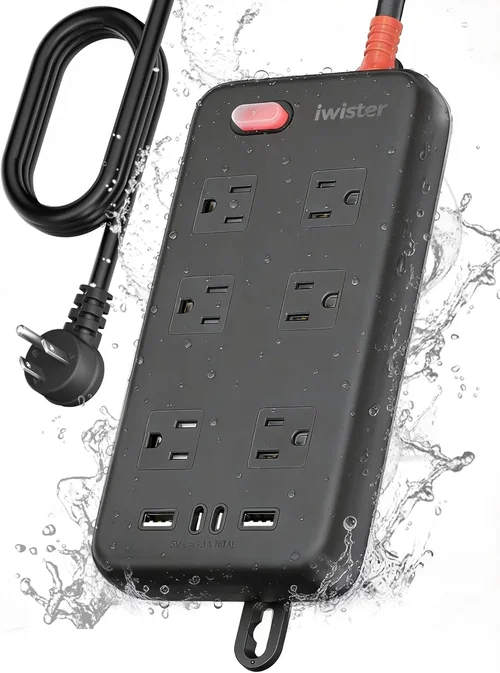
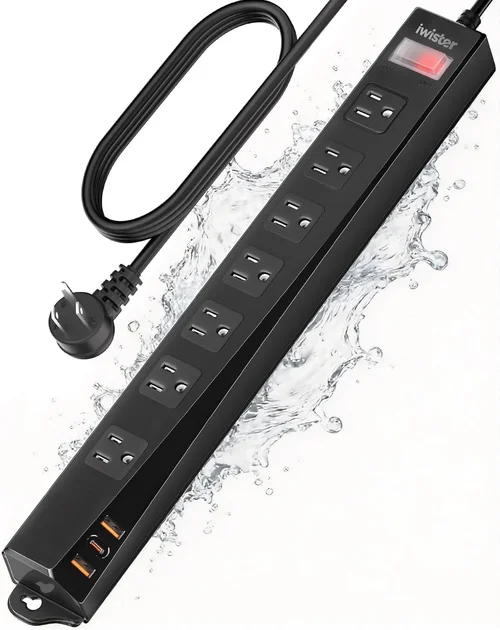
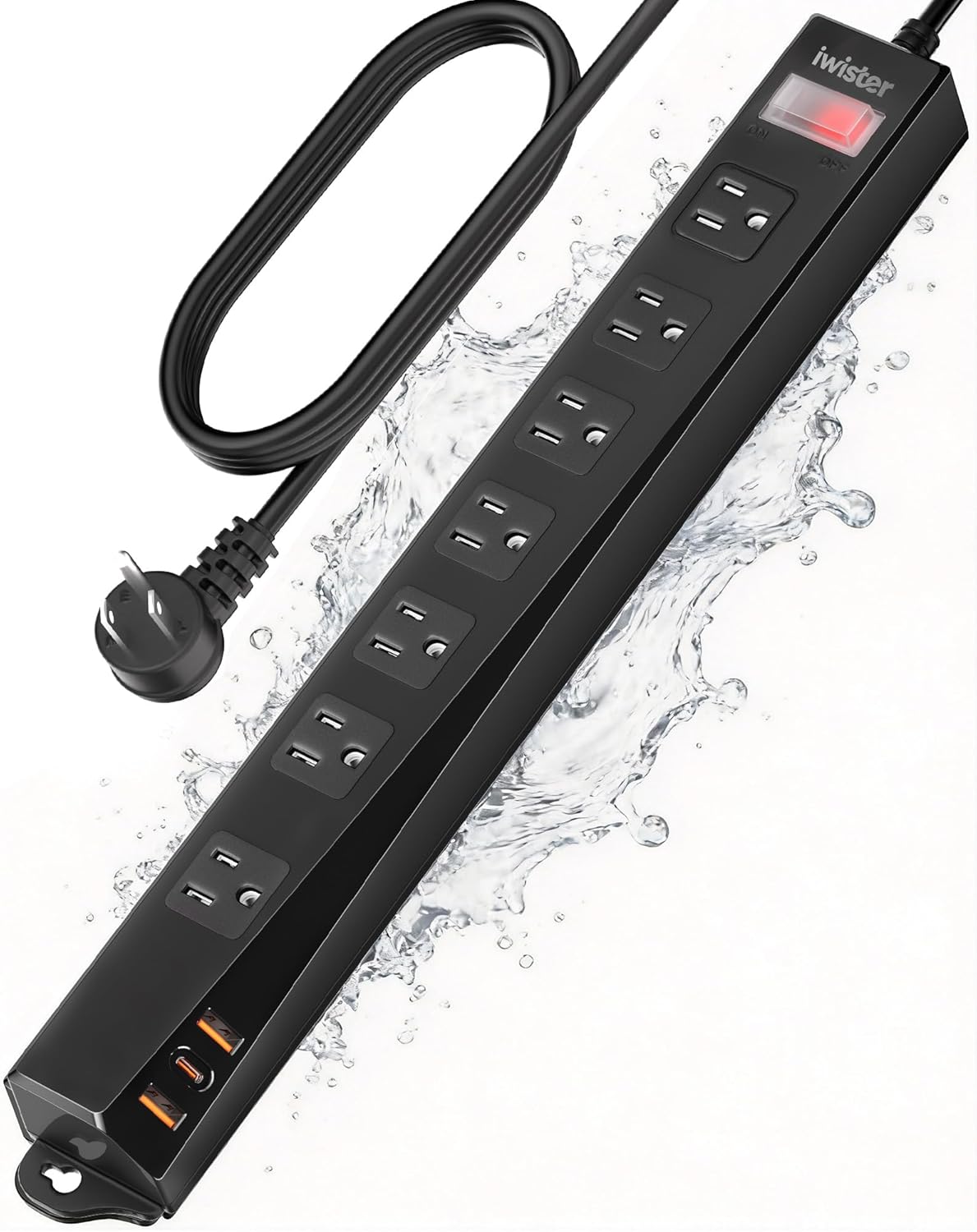
What to do instead: Install a whole-gazebo surge protector and consider an uninterruptible power supply (UPS) for critical components. Use GFCI outlets for safety.
❌ Mistake: Not Planning for Cable Management
Why it’s bad: Exposed cables are unsightly, trip hazards, and prone to water damage or animal chewing.
What to do instead: Run cables through conduit or use in-wall rated wiring with waterproof junction boxes. Label all connections for easy troubleshooting.
❌ Mistake: Forgetting About Future Upgrades
Why it’s bad: Technology evolves rapidly. A TV that’s cutting-edge today may be obsolete in 3–5 years, leaving you stuck with outdated features.
What to do instead: Choose modular designs or brands that offer upgrade kits. Prioritize HDMI 2.1, Wi-Fi 6, and smart platforms with regular software updates.
Budget Guidelines: How Much Should You Spend?
Entry-Level ($500 – $1,200): This tier includes basic weatherproof enclosures paired with mid-range indoor TVs or older-generation outdoor models. Ideal for covered gazebos with minimal sun exposure. Expect decent brightness (700–1,000 nits) and limited smart features. Best for occasional evening use.
Mid-Range ($1,200 – $2,500): The sweet spot for most homeowners. These TVs offer 1,000–1,500 nits brightness, full weather sealing (IP55+), reliable smart platforms, and solid build quality. Models like the SunBriteTV Veranda or Samsung The Terrace Lite fit here. Perfect for partial shade to full sun with moderate use.
Premium ($2,500 – $5,000): For enthusiasts and frequent entertainers. Expect 1,500–2,500 nits, advanced HDR, premium audio, and robust ecosystems. Includes fanless cooling, extended warranties, and seamless smart home integration. Great for large gazebos or primary outdoor entertainment zones.
Luxury ($5,000+): Top-tier options like Seura Mirror TVs or commercial-grade displays. These combine ultra-high brightness, artistic design, 24/7 operation capability, and concierge-level support. Reserved for high-end properties or those who view their gazebo as a true living room extension.
Expert Tips for Getting the Best Deal
– Buy during off-seasons: Prices drop significantly in late fall and winter when demand is low. Many retailers clear inventory before spring.
– Shop certified refurbished: Brands like SunBriteTV offer certified pre-owned models with full warranties at 20–30% off retail.
– Bundle with installation: Some dealers offer free or discounted professional installation with purchase—worth it for complex setups.
– Check for rebates: Utility companies sometimes offer incentives for energy-efficient outdoor electronics.
– Compare total cost of ownership: Factor in enclosures, mounts, cables, and audio—not just the TV price.
– Read real user reviews: Look beyond star ratings. Search for long-term feedback on durability and customer service.
– Test in person if possible: Visit a showroom to evaluate brightness and color accuracy under simulated outdoor lighting.
Frequently Asked Questions
Q: Can I use a regular TV in my gazebo if it’s covered?
A: Technically yes, but it’s not recommended. Even covered areas experience humidity, temperature swings, and condensation—all of which can damage indoor electronics over time. A weatherproof enclosure is a safer, longer-lasting solution.
Q: Do outdoor TVs consume more power?
A: Not necessarily. While brighter displays use more energy, modern outdoor TVs are engineered for efficiency. Many meet ENERGY STAR standards and include auto-dimming features that reduce power when ambient light is low.
Q: How do I connect my outdoor TV to Wi-Fi?
A: Most outdoor TVs support Wi-Fi, but signal strength can be weak in gazebos far from the router. Use a weatherproof Wi-Fi extender or run an Ethernet cable for a stable connection.
Q: Can I leave my outdoor TV on during a storm?
A: It’s best to turn it off and unplug it during severe weather to avoid lightning damage. Use a smart plug with surge protection for automatic shutoff.
Q: Are outdoor TVs compatible with streaming devices?
A: Yes! Most have HDMI ports for Fire Stick, Roku, Apple TV, etc. However, built-in smart platforms are often more reliable outdoors due to better app optimization.
Q: What’s the lifespan of an outdoor TV?
A: With proper care, 7–10 years is typical. Higher-end models with modular designs may last even longer with component upgrades.
Q: Do I need professional installation?
A: For structural mounts, electrical work, or complex setups, yes. DIY is fine for simple wall mounts on existing structures—but always follow manufacturer guidelines.
Q: Can I wash my outdoor TV?
A: Use a soft, damp microfiber cloth. Avoid harsh chemicals or high-pressure water, which can damage seals.
Q: Are there solar-powered options?
A: Yes! Several brands now offer solar-compatible models ideal for off-grid or eco-conscious installations.
Q: What if my TV gets stolen?
A: Invest in a security mount with locking mechanisms and consider adding it to your homeowner’s insurance policy.
Our Final Recommendations
Best for Budget-Conscious Buyers: SunBriteTV Veranda Series (55″) – Excellent balance of price, brightness (1,000 nits), and weather resistance. Great for covered gazebos.
Best Overall Value: Samsung The Terrace (65″) – Stunning 1,500-nit QLED display, IP56 rating, and robust Tizen OS. Ideal for partial to full sun.
Best Premium Option: Seura Outdoor Mirror TV – Doubles as a sleek mirror when off, with 2,000-nit brightness and artisan craftsmanship. Perfect for luxury installations.
Best for Beginners: Peerless-AV Outdoor Enclosure + LG C3 OLED – Use your existing LG TV in a rugged, easy-to-install case. Great entry point.
Best for Advanced Users: SunBriteTV Pro Series – Fanless, 2,500-nit brightness, modular design, and 5-year warranty. Built for 24/7 commercial use.
Conclusion: Making the Right Choice
Choosing an outdoor TV for your gazebo is about more than just picture quality—it’s about creating a durable, enjoyable, and future-proof entertainment space that enhances your outdoor lifestyle. By prioritizing brightness, weather resistance, build quality, and smart features, you’ll avoid costly mistakes and ensure your investment stands the test of time and the elements.
Remember: your gazebo is an extension of your home, and your TV should reflect that. Don’t settle for compromises. Whether you’re watching a sunset movie night or the championship game with friends, the right outdoor TV will deliver crystal-clear visuals, reliable performance, and years of hassle-free enjoyment.
Take the time to assess your specific needs—your climate, usage patterns, budget, and aesthetic preferences—and use this guide as your trusted companion. With the insights and recommendations provided, you’re now equipped to make a confident, informed decision. Happy viewing under the open sky!

