
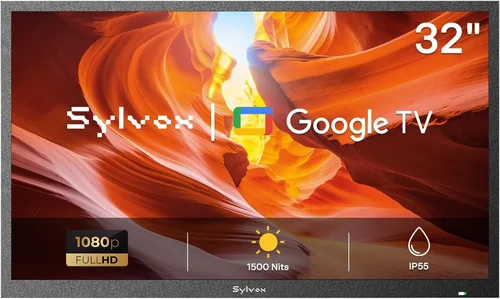
Outdoor living spaces have evolved far beyond simple patios with a grill and a few chairs. Today’s large patios are fully integrated entertainment zones—complete with outdoor kitchens, fire pits, sound systems, and yes, high-performance televisions designed specifically for open-air environments. Whether you’re hosting summer barbecues, watching the big game under the stars, or enjoying a quiet evening movie night with family, an outdoor TV can transform your space into a true backyard oasis.
But not all TVs are built to withstand the elements. Standard indoor televisions simply aren’t engineered to handle temperature swings, humidity, rain, dust, or direct sunlight. That’s why choosing the right outdoor television is critical—not just for performance, but for safety, longevity, and overall enjoyment. With so many options flooding the market in 2026, it’s easy to feel overwhelmed by technical jargon, inflated claims, and conflicting advice. This comprehensive buying guide cuts through the noise to deliver expert-level insights tailored specifically for large patio setups.
In this guide, you’ll learn how to evaluate key factors like weather resistance, brightness, display technology, and smart features—all through the lens of real-world outdoor use. We’ll break down different types of outdoor TVs, compare top brands, highlight common pitfalls, and offer actionable tips to help you make a confident, informed decision. Whether you’re on a tight budget or ready to invest in a premium setup, our goal is to equip you with everything you need to choose the perfect outdoor television that delivers stunning picture quality, rugged durability, and years of reliable service—no matter what Mother Nature throws at it.
The outdoor TV market has matured significantly over the past decade. What once consisted of bulky, expensive specialty units has now expanded into a diverse ecosystem of options ranging from affordable weatherproof enclosures to sleek, all-in-one outdoor displays with built-in heaters and anti-glare coatings. Major electronics brands like Samsung, LG, and Sony have entered the fray, while dedicated outdoor specialists such as SunBriteTV, Seura, and Peerless continue to innovate with purpose-built designs. At the same time, consumer demand for outdoor entertainment has surged—driven by remote work trends, staycation culture, and a growing desire to maximize usable living space. As a result, 2026 offers more choices than ever before, but also greater complexity. This guide will help you navigate that complexity with clarity and confidence.

What to Look for When Buying Buying Guide
1. Weather Resistance & IP Rating
When it comes to outdoor electronics, weather resistance isn’t optional—it’s essential. Unlike indoor TVs, outdoor models must endure rain, snow, dust, extreme heat, and freezing temperatures without failing. The first thing to check is the TV’s Ingress Protection (IP) rating, which indicates how well the unit resists solid particles (like dust) and liquids (like rain). For large patios exposed to the elements, look for a minimum IP55 rating, though IP65 or higher is ideal. IP65 means the TV is dust-tight and protected against water jets from any direction—perfect for uncovered or partially covered patios.
Beyond the IP rating, consider whether the TV is designed for “full sun,” “partial sun,” or “shade only” installation. Full-sun models include built-in cooling systems and enhanced thermal management to prevent overheating during hot summer days. Shade-only units are less expensive but risky if installed where sunlight hits them directly. Also, verify that all internal components—including the power supply, circuit boards, and connectors—are sealed or coated to prevent corrosion from humidity or salt air (especially important for coastal homes).
2. Display Brightness & Anti-Glare Technology
One of the biggest challenges with outdoor viewing is ambient light. Even on cloudy days, outdoor brightness can exceed 10,000 nits—far beyond what most indoor TVs can handle (typically 300–600 nits). To combat this, outdoor TVs feature ultra-high brightness panels, often ranging from 700 to 2,500 nits or more. For a large patio that receives direct sunlight, aim for at least 1,000 nits; for shaded or covered areas, 700 nits may suffice.
Equally important is anti-glare technology. Look for displays with optically bonded glass or matte finishes that diffuse reflections rather than reflecting them like a mirror. Some premium models use quantum dot or OLED panels with specialized coatings to maintain color accuracy and contrast even in bright conditions. Avoid glossy screens unless your patio is fully enclosed or under a solid roof—they’ll turn into mirrors during daylight hours.
Also consider viewing angle. On a large patio, viewers may be seated off-center or standing at various positions. TVs with wide viewing angles (178° horizontal/vertical) ensure consistent picture quality across the entire seating area. IPS (In-Plane Switching) panels generally offer better off-axis performance than VA panels, though they may sacrifice some contrast.
3. Build Quality & Durability
An outdoor TV isn’t just exposed to weather—it’s also vulnerable to physical impacts, pests, and long-term wear. High-quality outdoor TVs use robust materials like powder-coated aluminum chassis, stainless steel hardware, and tempered glass fronts. These materials resist rust, fading, and warping over time. Avoid plastic-heavy constructions, especially in coastal or high-humidity regions where degradation accelerates.
Internal durability matters too. Look for TVs with sealed compartments, conformal-coated circuit boards (which protect against moisture and corrosion), and reinforced mounting points. Many outdoor models include built-in surge protection to guard against lightning strikes or power fluctuations—a smart investment for areas prone to electrical storms.
For large patios, consider weight and mounting requirements. Heavier, more durable units often require reinforced wall mounts or ceiling brackets. Ensure your chosen location can support the TV’s weight and that the mounting hardware is rated for outdoor use. Some manufacturers offer optional weatherproof enclosures for indoor TVs, but these are generally less reliable than purpose-built outdoor models and may void the original warranty.
4. Smart Features & Connectivity
Just because your TV is outdoors doesn’t mean it should lack modern conveniences. Most outdoor TVs in 2026 come with built-in smart platforms like Android TV, webOS, or Roku, allowing access to streaming services such as Netflix, YouTube, Disney+, and Hulu without needing an external device. This is especially useful for large patios where running cables to a separate streaming box can be cumbersome.
Check the available ports: HDMI 2.1 (for 4K/120Hz gaming), USB, Ethernet, and optical audio outputs are standard on higher-end models. Wi-Fi 6 support ensures stable streaming even at a distance from your router. Some TVs also include Bluetooth for wireless audio to outdoor speakers or headphones.
Voice control via Google Assistant or Alexa is increasingly common and highly practical—imagine adjusting volume or changing channels without fumbling for a remote in the dark. However, ensure the microphone array is weather-sealed if the TV is installed in an open area.
For large patios used for parties or events, consider models with multi-zone audio output or compatibility with outdoor sound systems. This allows you to sync audio across multiple zones without latency issues.
5. Size & Viewing Distance
Choosing the right screen size for your large patio depends on two factors: viewing distance and ambient light. As a rule of thumb, divide your seating distance (in inches) by 1.5 to get the ideal screen diagonal in inches. For example, if your farthest seat is 12 feet (144 inches) away, a 90–100-inch TV would be optimal.
However, outdoor environments demand larger screens than indoor ones due to higher ambient light and potential glare. A 75-inch TV that looks great in a dim living room may appear washed out on a sunny patio. In 2026, 85-inch and 98-inch outdoor models are becoming more accessible, offering cinematic experiences even in bright conditions.
Also consider the TV’s bezel width. Slim bezels create a more immersive experience and look cleaner on large walls or mounts. Some ultra-premium models feature bezel-less designs or customizable frame colors to blend with your patio décor.
Portability is rarely a concern for fixed patio installations, but if you plan to move the TV between zones (e.g., from patio to poolside), look for models with integrated handles or lightweight frames. Most outdoor TVs are stationary, though.
6. Brand Reputation & Ecosystem Compatibility
Not all outdoor TV brands are created equal. Established names like SunBriteTV (a leader since 2004), Seura (known for mirror TVs), and Peerless (specializing in commercial-grade displays) have proven track records for reliability and customer support. Meanwhile, mainstream brands like Samsung and LG now offer outdoor-certified models that integrate seamlessly with their smart home ecosystems.
Consider compatibility with your existing devices. If you already use Samsung SmartThings or Apple HomeKit, choosing a TV from the same ecosystem simplifies control and automation. Some outdoor TVs support Matter, the universal smart home standard, ensuring future-proof connectivity.
Read professional reviews and user testimonials focused on long-term outdoor performance. Pay attention to reports of failure rates after 2–3 years of exposure—this is where cheaper or rebranded indoor TVs often fall short. Brands that offer dedicated outdoor customer service lines (not just general support) tend to provide better assistance when issues arise.
7. Warranty & Support
Outdoor TVs represent a significant investment, so robust warranty coverage is non-negotiable. Look for at least a 2-year limited warranty, with 3–5 years being ideal. Some premium brands offer extended warranties that cover accidental damage, power surges, or even hail strikes—critical for regions with volatile weather.
Check what the warranty includes: Does it cover labor for on-site repairs? Are replacement parts readily available? Is there a service network in your area? Avoid brands that only offer mail-in repairs, as shipping a large outdoor TV can be costly and risky.
Also review the return policy. Many retailers allow 30-day returns, but outdoor TVs often require professional installation, making returns complicated. Ensure the seller offers hassle-free exchanges if the unit doesn’t perform as expected in your specific environment.
8. Energy Efficiency & Operating Costs
While outdoor TVs consume more power than indoor models due to higher brightness and cooling systems, energy efficiency has improved significantly in 2026. Look for ENERGY STAR certification or models with adaptive brightness sensors that adjust output based on ambient light—this can reduce power consumption by up to 30% during cloudy or nighttime viewing.
Consider the total cost of ownership. A cheaper TV with high power draw and frequent maintenance needs may cost more over five years than a slightly pricier, efficient model. Some units include sleep timers or motion sensors that power down when no one is present—ideal for patios used intermittently.
Solar-powered options are emerging but remain niche and expensive. For most buyers, grid-powered models with low standby consumption (under 0.5W) are the practical choice.
Different Types of Buying Guide

Common Buying Mistakes to Avoid
❌ Mistake: Using an Indoor TV Outdoors
Why it’s bad: Indoor TVs lack weatherproofing, have low brightness, and aren’t designed for temperature extremes. Installing one outside—even under a roof—can lead to condensation, overheating, electrical shorts, and fire hazards. Most manufacturers void warranties if used outdoors.
What to do instead: Invest in a purpose-built outdoor TV or a certified weatherproof enclosure. If budget is tight, choose a partial-sun model designed for covered areas.
❌ Mistake: Ignoring Viewing Angle and Seating Layout
Why it’s bad: On a large patio, viewers may be seated far to the side or at odd angles. A TV with narrow viewing angles will look washed out or distorted for anyone not directly in front, ruining the group experience.
What to do instead: Measure your seating arrangement and choose a TV with wide viewing angles (178°). Consider mounting height and tilt to optimize sightlines for all guests.
❌ Mistake: Overlooking Power and Connectivity Requirements
Why it’s bad: Running HDMI or power cables across a large patio without proper conduit or weatherproofing can create tripping hazards, signal loss, or electrical risks. Many buyers underestimate cable length and shielding needs.
What to do instead: Plan cable routes during installation. Use outdoor-rated, shielded HDMI cables (up to 50 feet) or consider wireless HDMI transmitters for distances over 50 feet. Hire a licensed electrician for hardwired setups.
❌ Mistake: Choosing Based Solely on Price
Why it’s bad: The cheapest option often sacrifices critical features like brightness, durability, or smart functionality. You may end up replacing it within 2–3 years, costing more long-term.
What to do instead: Set a realistic budget based on your usage (e.g., occasional vs. daily viewing) and prioritize must-have features. Mid-range models often offer the best value.
❌ Mistake: Skipping Professional Installation
Why it’s bad: Improper mounting can lead to water ingress, structural damage, or TV failure. DIY installations may also void warranties or violate local building codes.
What to do instead: Hire a certified outdoor AV installer. They’ll ensure proper sealing, ventilation, grounding, and compliance with safety standards.
❌ Mistake: Not Testing in Real Conditions
Why it’s bad: A TV that looks great in a showroom may perform poorly under your patio’s specific lighting, wind, or humidity conditions.
What to do instead: If possible, request a demo or rent a unit for a weekend. Alternatively, buy from a retailer with a generous return policy and test during peak sun hours.
❌ Mistake: Forgetting About Audio
Why it’s bad: Outdoor TVs often have weak built-in speakers due to space and weather constraints. Relying on them results in tinny, inadequate sound for group viewing.
What to do instead: Pair your TV with outdoor-rated speakers or a soundbar. Look for models with optical or Bluetooth audio output for easy integration.
Budget Guidelines: How Much Should You Spend?
- Entry-Level ($800 – $1,800): Ideal for shaded or covered patios with limited sun exposure. These are typically weatherproof enclosures housing mid-tier indoor TVs (e.g., TCL 5-Series or Hisense U6). Expect 700–1,000 nits brightness, basic smart features, and 1-year warranties. Best for occasional use or small gatherings.
- Mid-Range ($1,800 – $4,000): The sweet spot for most large patio owners. Includes purpose-built partial-sun or full-sun models from brands like SunBriteTV Veranda or Samsung The Terrace. Features 1,000–1,500 nits brightness, robust build quality, Android TV or webOS, and 2–3 year warranties. Perfect for regular entertainment and mixed lighting conditions.
- Premium ($4,000 – $8,000): For enthusiasts who demand top-tier performance. Think 85–98-inch screens, 2,000+ nits brightness, OLED or QLED panels, advanced anti-glare coatings, and commercial-grade durability. Models like Seura Slim or Peerless Xtreme offer 24/7 operation capability, integrated cooling, and 5-year warranties. Ideal for luxury homes or high-traffic entertaining.
- Luxury ($8,000+): Reserved for ultra-high-end installations. These include custom-sized displays, motorized lift systems, integrated lighting, and full ecosystem integration (e.g., Crestron or Control4). Often used in resorts, yachts, or smart estates. Expect concierge-level support and bespoke design options.
Expert Tips for Getting the Best Deal
- Shop During Off-Seasons: Prices drop significantly in late fall and winter (October–February) when demand for outdoor gear declines. Many retailers clear inventory before spring.
- Compare Direct vs. Retail: Brands like SunBriteTV offer direct sales with bundled installation, while big-box stores (Best Buy, Costco) may have seasonal promotions. Check both for price matching.
- Look for Bundles: Some sellers include free mounts, cables, or extended warranties with purchase. These can save hundreds compared to buying separately.
- Negotiate on Premium Models: High-end outdoor TVs have room for negotiation, especially if you’re purchasing multiple units or accessories. Ask about dealer pricing or floor models.
- Verify Return Policies: Ensure you can return or exchange the TV if it doesn’t perform as expected in your environment. Avoid “final sale” items unless thoroughly vetted.
- Check for Rebates: Utility companies sometimes offer rebates for energy-efficient outdoor electronics. Also, look for manufacturer mail-in rebates during holiday sales.
- Read the Fine Print on Warranties: Some cover only parts, not labor. Others exclude damage from “acts of nature.” Understand what’s included before buying.
- Consider Refurbished Units: Certified refurbished outdoor TVs from reputable sellers often come with full warranties and can save 20–30% off retail.
Frequently Asked Questions
Q: Can I use a regular TV outside if it’s under a roof?
A: Technically yes, but it’s not recommended. Even under cover, humidity, temperature swings, and dust can damage internal components. A partial-sun outdoor TV is a safer, longer-lasting investment.
Q: How bright should my outdoor TV be?
A: For direct sunlight: 1,500+ nits. For partial sun: 1,000 nits. For shade: 700 nits minimum. Higher brightness ensures visibility but increases power use.
Q: Do outdoor TVs need special mounts?
A: Yes. Use outdoor-rated, corrosion-resistant mounts rated for the TV’s weight. Tilt and full-motion mounts allow adjustment for optimal viewing angles.
Q: Will an outdoor TV work in winter?
A: Most are rated for -22°F to 122°F (-30°C to 50°C). Full-sun models include heaters for cold starts. Avoid turning on the TV if it’s below its operating temperature.
Q: Can I stream 4K content outdoors?
A: Absolutely. Most 2026 outdoor TVs support 4K HDR streaming via Wi-Fi 6 or Ethernet. Ensure your internet speed is at least 25 Mbps for smooth playback.
Q: Are outdoor TVs louder than indoor ones?
A: Not necessarily. Built-in speakers are often limited. Pair with outdoor speakers for rich, room-filling sound.
Q: How long do outdoor TVs last?
A: With proper care, 7–10 years is typical. Cheaper enclosures may fail sooner. Look for models with replaceable parts to extend lifespan.
Q: Can I paint or modify the TV frame?
A: No. Painting can trap moisture and void the warranty. Choose a model with a color that matches your décor (black, white, or silver are common).
Q: Is professional installation worth it?
A: For large patios, yes. Professionals ensure safe mounting, proper sealing, and optimal placement—critical for performance and safety.
Q: What’s the difference between “all-weather” and “weatherproof”?
A: “All-weather” usually means designed for full exposure with active cooling/heating. “Weatherproof” may refer to passive protection (e.g., enclosures). Always check specs.
Our Final Recommendations
- Best for Budget-Conscious Buyers: SunBriteTV Veranda Series (55”) – Excellent value for covered patios, 1,000 nits brightness, Android TV, and solid build quality under $2,500.
- Best Overall Value: Samsung The Terrace (75”) – Sleek design, 1,500 nits, webOS, and seamless SmartThings integration. Ideal for large patios with mixed lighting.
- Best Premium Option: Seura Slim Outdoor TV (86”) – Ultra-thin profile, 2,000 nits, OLED panel, and whisper-quiet operation. Perfect for luxury outdoor cinemas.
- Best for Beginners: Peerless Paramount Partial Sun (65”) – Simple setup, reliable performance, and excellent customer support. Great first outdoor TV.
- Best for Advanced Users: SunBriteTV Pro Series (98”) – Commercial-grade durability, 24/7 operation, and customizable mounting. Built for demanding environments.
Conclusion: Making the Right Choice
Choosing the right outdoor television for your large patio is about more than just screen size or price—it’s about creating a reliable, enjoyable entertainment experience that withstands the test of time and weather. By prioritizing weather resistance, brightness, build quality, and smart features, you’ll avoid costly mistakes and ensure your investment pays off for years to come.
Remember, your patio is an extension of your home. The right TV should enhance that space, not complicate it. Take the time to assess your specific needs: How much sun does your patio get? How many people will typically watch? What’s your ideal viewing distance? Use the guidelines in this guide to narrow your options and make a confident decision.
Don’t rush. Compare models, read real user reviews, and consult with professionals if needed. And when you do find the perfect match, you’ll wonder how you ever enjoyed your outdoor space without it. Here’s to countless movie nights, game days, and sunset soirées—all from the comfort of your own backyard oasis.

