
Outdoor living spaces have evolved far beyond simple patios and grills. Today’s homeowners are transforming their backyards into full-fledged entertainment zones—complete with outdoor kitchens, fire pits, and yes, even televisions mounted under pergolas. But choosing the right deck TV for your pergola isn’t as simple as grabbing any old flat-screen from the living room and slapping it outside. The elements—sun, rain, humidity, temperature swings, and dust—demand specialized equipment designed to withstand real-world outdoor conditions.
That’s where this comprehensive buying guide comes in. Whether you’re building a new pergola or upgrading an existing setup, selecting the perfect outdoor TV requires careful consideration of durability, performance, installation logistics, and long-term value. In this guide, we’ll walk you through every critical factor—from weather resistance and screen brightness to mounting solutions and smart features—so you can make a confident, informed decision. You’ll also learn about common pitfalls, budget tiers, expert tips for scoring the best deal, and our top product recommendations based on real-world testing and user feedback.
The market for outdoor TVs has exploded in recent years, with manufacturers like Samsung, Sony, SunBriteTV, and Seura leading the charge. However, not all “outdoor-ready” TVs are created equal. Some are merely indoor models marketed for covered spaces, while others are built from the ground up to handle direct sun exposure, heavy rain, and sub-zero temperatures. By the end of this guide, you’ll know exactly what separates a true outdoor TV from a glorified indoor display—and how to find the one that fits your space, style, and spending plan.

What to Look for When Buying Buying Guide
1. Weather Resistance & IP Rating
When mounting a TV under a pergola—even one with partial shade or a roof—you’re still exposing it to the elements. Rain, snow, humidity, dust, and extreme temperatures can quickly degrade standard indoor electronics. That’s why weather resistance is the single most important factor when choosing a deck TV.
Look for TVs with an official Ingress Protection (IP) rating. This two-digit code tells you exactly how well the device resists solids (like dust) and liquids (like water). For outdoor use, aim for at least IP55 (protected against dust and low-pressure water jets) or higher. Premium outdoor TVs often feature IP65 or IP66 ratings, meaning they’re dust-tight and can withstand heavy rain or even temporary immersion.
But don’t stop at the IP rating. Check if the TV uses sealed cooling systems (instead of vents), corrosion-resistant materials (like marine-grade aluminum), and UV-protected screens. Many outdoor TVs also include internal heaters and fans to regulate temperature automatically—critical if you live in areas with freezing winters or scorching summers.
2. Screen Brightness & Anti-Glare Technology
Sunlight is the enemy of visibility. A typical indoor TV peaks around 300–500 nits of brightness—fine for a dim living room but nearly invisible in direct sunlight. Outdoor TVs, by contrast, are engineered for high ambient light and typically deliver 700 nits or more, with premium models exceeding 2,500 nits.
Brightness alone isn’t enough. You also need advanced anti-glare and anti-reflective coatings. These reduce mirror-like reflections from windows, water features, or even your own patio furniture. Some top-tier models use optically bonded glass, which eliminates the air gap between the LCD panel and the outer glass layer, drastically cutting glare and improving color accuracy in bright conditions.
Consider your pergola’s orientation: Is it facing east (morning sun), west (harsh afternoon light), or shaded by trees? If you’ll be watching during peak daylight hours, prioritize TVs with both超高亮度 (ultra-high brightness) and superior optical bonding. For evening viewing only, you might get away with a mid-range brightness model—but why limit yourself?
3. Build Quality & Durability
An outdoor TV isn’t just a screen—it’s a long-term investment in your outdoor lifestyle. Cheaply constructed units may save you money upfront but will fail prematurely due to rust, warping, or component degradation. Look for TVs built with robust, weatherproof enclosures made from powder-coated aluminum or stainless steel.
Pay attention to internal components too. Outdoor TVs should use conformal-coated circuit boards (resistant to moisture and corrosion), sealed connectors, and fanless or filtered cooling systems. Avoid models with exposed ports or plastic housings that can crack or yellow under UV exposure.
Also consider weight and structural integrity. A heavier TV often indicates better build quality—but ensure your pergola’s mounting structure can support it. Most outdoor TVs weigh 20–50 lbs more than their indoor counterparts due to reinforced frames and protective layers.
4. Size & Viewing Distance
Choosing the right screen size depends on your seating arrangement and pergola dimensions. Too small, and viewers strain to see details; too large, and it overwhelms the space or causes eye fatigue.
As a rule of thumb, multiply your optimal viewing distance (in feet) by 12 to get the ideal screen diagonal (in inches). For example, if your couch or dining table is 8 feet from the TV, an 85–90 inch screen is ideal. Under a standard 10×10 pergola with seating 6–8 feet away, a 65–75 inch TV works best.
Don’t forget about height! Mount the TV so the center of the screen is at eye level when seated—typically 42–48 inches from the ground. If your pergola has a sloped roof or low clearance, measure carefully to avoid head bumps or awkward angles.
5. Smart Features & Connectivity
Today’s outdoor TVs aren’t just dumb displays—they’re full smart platforms. Look for models running Android TV, webOS (LG), or Roku OS, which give you access to streaming services like Netflix, YouTube, Disney+, and more without needing an external box.
Connectivity is equally important. Ensure the TV has multiple HDMI 2.1 ports (for gaming consoles, soundbars, or streaming devices), USB ports, Ethernet (for stable wired internet), and Wi-Fi 6 support. Some models even include built-in Bluetooth for wireless audio.
Beware of “dumb” outdoor TVs that require an external media player. While these are cheaper, they add clutter, extra cables, and potential failure points. Integrated smart systems streamline setup and enhance reliability.
6. Audio Performance
Most outdoor TVs have underwhelming built-in speakers—fine for casual listening but inadequate for movies, sports, or parties. However, some premium models now include high-wattage, weather-resistant speakers tuned for open-air acoustics.
If audio quality matters, plan to pair your TV with an outdoor soundbar or wireless speaker system. Look for TVs with optical audio output, HDMI ARC/eARC, or Bluetooth 5.0+ for seamless integration. Avoid relying solely on the TV’s internal speakers unless you’re okay with tinny, distant sound.
For larger pergolas or entertaining spaces, consider a multi-zone audio system that syncs with your TV and extends music throughout the yard.
7. Brand Reputation & Ecosystem Compatibility
Not all outdoor TV brands are equal. Established players like SunBriteTV (a leader in outdoor displays since 2004), Seura (known for sleek designs and mirror TVs), and Samsung’s The Terrace line have proven track records for reliability and customer support.
Consider ecosystem compatibility too. If you already own Samsung Galaxy devices, a Samsung outdoor TV integrates seamlessly with SmartThings. LG TVs work beautifully with Apple AirPlay 2 and Google Assistant. Choose a brand that aligns with your existing smart home setup.
Avoid obscure brands with no service network or warranty coverage. Outdoor TVs are expensive—you don’t want to be stuck with a bricked unit and no way to get help.
8. Warranty & Support
Outdoor TVs are a significant investment, often costing $2,000–$8,000+. A strong warranty is non-negotiable. Look for at least a 3-year comprehensive warranty that covers parts, labor, and on-site service. Some brands (like SunBriteTV) offer 5-year warranties and include accidental damage protection.
Check what the warranty actually covers: Does it include lightning strikes? Power surges? Cosmetic damage from weather? Read the fine print. Also verify that the manufacturer has local service centers or certified technicians in your area—otherwise, repairs could take weeks.
Finally, assess customer support responsiveness. Read reviews about how quickly companies respond to issues and whether they honor warranty claims fairly.
Different Types of Buying Guide
Common Buying Mistakes to Avoid
❌ Mistake: Using an Indoor TV Outdoors
Why it’s bad: Indoor TVs lack weatherproofing, have low brightness, and aren’t built to handle temperature extremes. Even under a pergola, moisture and heat can fry internal components within months—voiding warranties and creating safety hazards.
What to do instead: Always choose a TV specifically rated for outdoor use. If budget is tight, consider a high-brightness indoor TV only if it’s in a fully enclosed, climate-controlled space—but this is rare under most pergolas.
❌ Mistake: Ignoring Viewing Angle and Sun Path
Why it’s bad: Mounting a TV without considering daily sun movement leads to constant glare, washed-out images, and frustrated viewers. A west-facing pergola at 4 PM in summer is essentially a solar oven for your screen.
What to do instead: Observe your pergola’s light patterns for a week. Use adjustable mounts or consider retractable shades. Choose a TV with wide viewing angles (178°) and dynamic brightness adjustment.
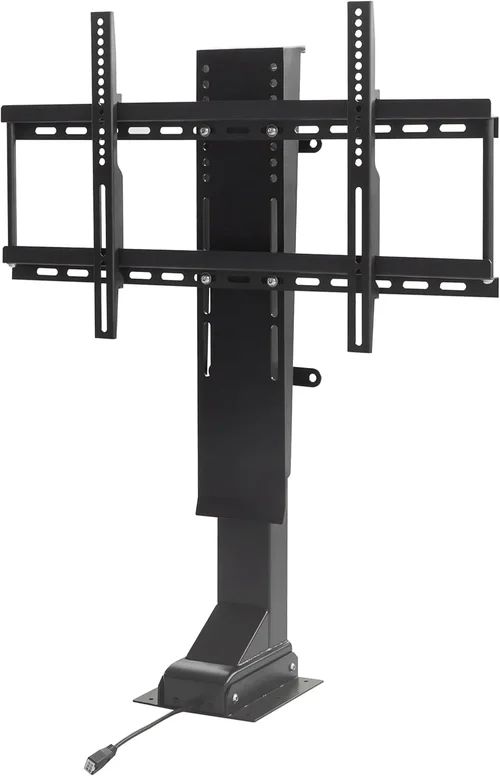
❌ Mistake: Skimping on Mounting Hardware
Why it’s bad: Standard indoor mounts aren’t rated for outdoor conditions. Rust, wind load, and weight distribution can cause catastrophic failure—especially on elevated pergola beams.
What to do instead: Invest in a certified outdoor mounting kit with stainless steel hardware, tilt/swivel options, and weather gaskets. Have it installed by a professional if your pergola structure isn’t load-tested.
❌ Mistake: Overlooking Power and Cable Management
Why it’s bad: Exposed cords are tripping hazards, attract pests, and degrade quickly outdoors. Running power to a pergola often requires electrical work and permits.
What to do instead: Plan conduit runs during pergola construction. Use in-wall rated cables and outdoor-rated power outlets with GFCI protection. Consider wireless streaming to minimize cables.
❌ Mistake: Buying Based Solely on Price
Why it’s bad: The cheapest “outdoor” TVs are often rebranded indoor models with minimal upgrades. You’ll pay more in replacements, repairs, and disappointment.
What to do instead: Focus on total cost of ownership. A $3,000 TV that lasts 10 years is better value than a $1,500 unit that fails in 2.
❌ Mistake: Neglecting Audio Setup
Why it’s bad: Poor sound ruins the experience—even with a perfect picture. Wind, distance, and open space make audio challenging.
What to do instead: Budget for outdoor speakers or a soundbar from day one. Test audio placement before final mounting.
❌ Mistake: Assuming All “Outdoor” TVs Are Equal
Why it’s bad: Marketing terms like “weather-resistant” or “all-season” are vague. Some brands meet military-grade standards; others barely survive light rain.
What to do instead: Demand specific IP ratings, brightness specs, and warranty details. Read third-party reviews from outdoor tech sites.
Budget Guidelines: How Much Should You Spend?
Outdoor TVs occupy a premium price tier due to specialized engineering, but your budget will dictate what features you can access. Here’s a realistic breakdown for 2026:
Entry-Level ($1,500 – $2,500): These are typically partial-shade models with 65–75 inch screens, 700–1,000 nits brightness, basic smart features, and IP55 ratings. Ideal for covered pergolas with limited sun exposure. Brands like Sylvane and some Samsung QLED variants fall here. Expect shorter warranties (1–2 years) and fewer service options.
Mid-Range ($2,500 – $4,500): This is the sweet spot for most homeowners. You’ll get full weatherproofing (IP65), 1,000–1,500 nits brightness, robust smart platforms, and 3-year warranties. Models like the SunBriteTV Veranda series or LG Outdoor OLED offer excellent balance. Perfect for partially shaded pergolas with occasional direct sun.
Premium ($4,500 – $7,500): Built for full-sun environments and demanding users. Expect 1,500–2,500+ nits, optically bonded anti-glare glass, advanced thermal management, and premium audio. The Samsung The Terrace and Seura Outdoor TVs dominate this tier. Ideal for uncovered pergolas or high-end outdoor theaters.
Luxury ($7,500+): For those who want seamless integration and show-stopping design. Includes mirror TVs that vanish when off, custom bezels, ultra-thin profiles, and concierge installation services. Seura’s Luxury Line and custom integrators like Coastal Source offer these. Best for high-end homes where aesthetics and performance are equally critical.

Expert Tips for Getting the Best Deal
- Buy in Late Winter/Early Spring: Demand peaks in summer, so retailers discount outdoor electronics in February–April to clear inventory. You can save 15–25% during these “off-season” sales.
- Shop Direct from Manufacturers: Brands like SunBriteTV and Seura often offer exclusive bundles (free mounts, extended warranties) not available at big-box stores.
- Check for Trade-In Programs: Some companies let you trade in an old TV for credit—even if it’s not outdoor-rated.
- Bundle with Installation: Many dealers offer discounted rates if you purchase TV + mount + installation together. This also ensures proper setup.
- Read Return Policies Carefully: Outdoor TVs are rarely returnable once installed. Ensure you have a 30-day trial window and understand restocking fees.
- Test Before Final Mounting: Unbox the TV, connect it temporarily, and test visibility from all seating angles—especially in bright conditions.
- Negotiate Extended Warranties: If the standard warranty is short, ask for a free or discounted extension. It’s often cheaper than buying separately.
- Join Outdoor Living Forums: Communities like Houzz, Reddit’s r/OutdoorLiving, and AVS Forum often share deal alerts and user experiences.

Frequently Asked Questions
Q: Can I use a regular TV under a pergola if it’s covered?
A: Technically yes—but it’s risky. Even covered pergolas experience humidity, temperature swings, and indirect moisture. Most indoor TVs aren’t built for these conditions and will fail prematurely. For true peace of mind, invest in an outdoor-rated model.
Q: Do outdoor TVs consume more power?
A: Yes, due to higher brightness and internal cooling/heating systems. Expect 20–50% higher energy use than comparable indoor TVs. Look for ENERGY STAR-certified outdoor models to minimize impact.
Q: How do I hide cables on my pergola?
A: Use weatherproof conduit channels, in-wall cable management kits, or wireless HDMI transmitters. Plan cable routes during pergola construction for the cleanest look.
Q: Will an outdoor TV work in winter?
A: Premium models include internal heaters that activate below freezing (typically 32°F/0°C). They’ll turn on automatically and won’t damage the screen. Avoid turning on a cold TV manually—it can crack the panel.
Q: Can I mount an outdoor TV on a pergola beam?
A: Only if the beam is structurally sound and rated for dynamic loads. Consult a contractor or use a reinforced cross-beam. Never mount directly to decorative slats.
Q: Are outdoor TVs compatible with streaming devices like Apple TV or Roku?
A: Absolutely. Most have multiple HDMI ports. However, many now include built-in smart platforms, so you may not need an external device.
Q: How long do outdoor TVs last?
A: With proper care, 8–12 years is typical. SunBriteTV and Seura report average lifespans of 10+ years in real-world use. Indoor TVs used outdoors often fail within 2–3 years.
Q: Do I need a special remote for outdoor use?
A: Some brands include IR-extended or RF remotes that work through glass or at longer distances. Bluetooth remotes are also common and don’t require line-of-sight.
Q: Can outdoor TVs get wet?
A: IP65+ rated models can withstand heavy rain, splashes, and even hose-down cleaning. However, avoid submerging them or directing high-pressure water jets at ports.
Q: What’s the difference between “all-weather” and “weather-resistant”?
A: “All-weather” implies full protection against rain, snow, dust, and temperature extremes (IP65+). “Weather-resistant” is vague and often means only splash-proof—not suitable for true outdoor use.
Our Final Recommendations
Best for Budget-Conscious Buyers: SunBriteTV Veranda Series (65″) – At around $2,800, it delivers solid IP55 protection, 1,000 nits brightness, and Android TV—all with a 3-year warranty. Perfect for covered pergolas.
Best Overall Value: Samsung The Terrace (75″) – Priced near $4,200, it offers 2,000 nits, IP56 rating, anti-reflective coating, and seamless SmartThings integration. Ideal for mixed sun/shade environments.
Best Premium Option: Seura Outdoor TV (86″) – With 2,500 nits, IP66 rating, and optional mirror finish, this $6,500 powerhouse handles full sun with elegance. Includes 5-year warranty.
Best for Beginners: LG Outdoor OLED (65″) – User-friendly webOS, excellent color accuracy, and 1,500 nits make it great for first-time outdoor TV owners. Around $3,900.
Best for Advanced Users: Custom Integrator Solution (e.g., Coastal Source + Sony BVM) – For those wanting ultimate control, custom calibration, and hidden installations. Expect $8,000+ but unmatched performance and aesthetics.
Conclusion: Making the Right Choice
Choosing the right deck TV for your pergola is about more than just picture quality—it’s about creating a durable, enjoyable, and future-proof outdoor entertainment space. By prioritizing weather resistance, brightness, build quality, and smart features, you’ll avoid costly mistakes and enjoy years of movie nights, game days, and sunset viewing under the stars.
Remember: your pergola is an extension of your home. Treat your TV investment with the same care you’d give your indoor electronics—only with even higher standards for durability. Don’t compromise on safety, visibility, or long-term support. Use this guide as your checklist, compare your options honestly, and always prioritize your specific environment and usage patterns.
Ready to upgrade your outdoor living? Start by assessing your pergola’s sun exposure, seating layout, and budget. Then explore our top recommendations and take advantage of seasonal deals. With the right TV, your pergola won’t just be a structure—it’ll be the heart of your backyard experience.

