
If you’ve ever dreamed of watching your favorite show under the stars, catching the big game while grilling on the deck, or enjoying a movie night in your backyard gazebo, then a deck TV might just be the upgrade your outdoor living space has been waiting for. But here’s the catch: not all TVs are built to handle the elements. Sunlight, humidity, rain, temperature swings, and even bugs can turn a regular indoor TV into a costly paperweight in a matter of weeks. That’s why choosing the right deck TV isn’t just about screen size or picture quality—it’s about durability, weather resistance, visibility in bright conditions, and smart integration, all wrapped into one rugged package.
This comprehensive buying guide is designed to help you navigate the often-confusing world of outdoor TVs, specifically those suited for deck and gazebo installations. Whether you’re building a new outdoor entertainment zone or upgrading an existing setup, we’ll walk you through every critical decision point—from understanding IP ratings and anti-glare technology to comparing brands, budgets, and mounting options. By the end of this guide, you’ll know exactly what to look for, what to avoid, and how to get the best value for your investment. The market for outdoor TVs has evolved rapidly in recent years, with manufacturers now offering models that rival indoor sets in performance while being engineered to withstand harsh environmental conditions. From fully sealed weatherproof enclosures to ultra-bright displays and built-in heating/cooling systems, today’s deck TVs are smarter, tougher, and more versatile than ever before.

What to Look for When Buying Buying Guide
1. Weather Resistance & IP Rating
When it comes to outdoor TVs, weather resistance isn’t optional—it’s essential. Unlike indoor TVs, deck and gazebo TVs are exposed to rain, snow, dust, humidity, and extreme temperatures. The first thing you need to check is the TV’s Ingress Protection (IP) rating, which tells you how well the unit is sealed against environmental threats. Look for a minimum IP55 rating, but ideally aim for IP65 or higher. An IP65-rated TV is dust-tight and protected against water jets from any direction, making it suitable for most uncovered decks and gazebos. Some premium models even go up to IP66 or IP67, offering near-total protection against heavy rain and temporary submersion.
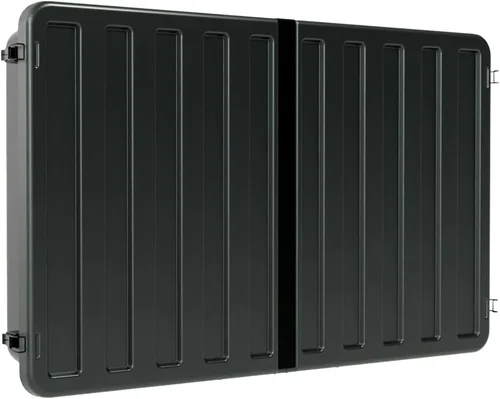
Beyond the IP rating, consider the materials used in the TV’s construction. Aluminum or powder-coated steel housings resist rust and corrosion, while sealed ports and connectors prevent moisture ingress. Also, check if the TV includes a protective cover or if one is sold separately—many outdoor TVs come with optional weatherproof covers for added peace of mind during storms or off-seasons.
2. Display Brightness & Anti-Glare Technology
One of the biggest challenges with outdoor TV viewing is screen visibility in direct sunlight. A standard indoor TV typically has a brightness of 300–500 nits, which is fine for a dimly lit living room but nearly useless on a sunny deck. For outdoor use, you need a display with at least 700 nits, but ideally 1,000 nits or more. High-brightness LED or QLED panels are common in outdoor models, and many include advanced anti-reflective coatings to reduce glare from the sun or ambient lighting.
Some manufacturers go a step further by incorporating optical bonding—a process where the glass layer is fused directly to the LCD panel, eliminating air gaps that cause reflections. This significantly improves clarity in bright conditions. Additionally, look for TVs with wide viewing angles (178 degrees or more) so everyone on the deck can enjoy a clear picture, even when seated off-center. If your gazebo has partial shade or you plan to use the TV mostly in the evening, you might get away with a slightly lower brightness, but for full sun exposure, don’t compromise on luminance.
3. Temperature Tolerance & Internal Climate Control
Outdoor temperatures can swing dramatically between day and night, especially in regions with cold winters or hot summers. A TV designed for indoor use may fail in extreme cold or overheat in direct sunlight. That’s why many outdoor TVs include built-in thermal management systems. These can range from passive heat sinks to active cooling fans and even internal heaters for cold climates.
Check the manufacturer’s specified operating temperature range. Most quality outdoor TVs can function reliably between -22°F and 122°F (-30°C to 50°C). Some models also feature automatic temperature sensors that adjust fan speed or power usage to prevent overheating. If you live in an area with harsh winters, consider a model with a built-in heater to keep internal components warm during storage or low-usage periods. This not only extends the TV’s lifespan but also ensures it turns on quickly when you want to use it.
4. Build Quality & Durability
Durability goes beyond just weatherproofing. The overall build quality of a deck TV determines how well it holds up over time. Look for TVs with reinforced frames, impact-resistant screens, and robust internal components. Many outdoor models use commercial-grade parts that are rated for 24/7 operation, unlike consumer TVs designed for intermittent use.
Pay attention to the screen type as well. Tempered glass or acrylic covers can protect against scratches and minor impacts, while some models feature shatter-resistant displays. Also, consider the weight and mounting requirements—outdoor TVs are often heavier due to their protective enclosures, so ensure your gazebo or deck structure can support the load. A sturdy wall mount or ceiling bracket rated for outdoor use is a must, and some manufacturers offer integrated mounting systems for easier installation.
5. Smart Features & Connectivity
Just because it’s outdoors doesn’t mean your TV should lack modern conveniences. Most outdoor TVs now come with smart platforms like Android TV, Roku, or webOS, allowing you to stream content from Netflix, YouTube, Hulu, and more without needing an external device. Built-in Wi-Fi and Bluetooth are standard, and many models include voice control via Google Assistant or Alexa.
Connectivity is another key factor. Look for multiple HDMI ports (at least two, preferably three), USB inputs, and audio outputs for soundbars or external speakers. Some outdoor TVs also include weatherproof cable glands or pass-through ports to keep connections dry. If you plan to connect a sound system, gaming console, or streaming stick, ensure the TV has enough ports and supports the necessary resolutions (4K, HDR, etc.). Also, check if the remote control is weather-resistant or if the TV supports app-based control via your smartphone.
6. Audio Quality & Sound Solutions
Outdoor environments are inherently noisy—wind, birds, traffic, and conversation can easily drown out TV audio. While many outdoor TVs include built-in speakers, they’re often underpowered for open-air settings. Most manufacturers recommend pairing the TV with an external sound system, such as weatherproof outdoor speakers or a soundbar designed for outdoor use.
If you prefer an all-in-one solution, look for TVs with enhanced audio features like Dolby Digital, DTS, or built-in subwoofers. Some models even include audio output jacks specifically labeled for outdoor speaker connections. Alternatively, consider wireless options like Bluetooth speakers or a dedicated outdoor audio system that syncs with your TV. Keep in mind that sound quality can vary widely between models, so read user reviews or, if possible, test the audio in a similar outdoor setting before purchasing.
7. Size & Viewing Distance
Choosing the right screen size depends on your gazebo’s dimensions and typical seating arrangement. A TV that’s too small will be hard to see from a distance, while one that’s too large can overwhelm the space and strain your eyes. As a general rule, multiply your viewing distance (in inches) by 0.84 to get the ideal screen size in inches. For example, if your seating is 8 feet (96 inches) away, a 80-inch TV would be appropriate.
However, outdoor viewing often requires larger screens due to ambient light and the need to see details from a distance. A 55-inch TV might suffice for a small gazebo with close seating, but for larger decks or group viewing, consider 65 inches or more. Also, consider the TV’s aspect ratio and bezel design—slim bezels provide a more immersive experience and take up less visual space. Finally, ensure the TV’s dimensions fit comfortably within your gazebo’s structure, leaving room for ventilation and cable management.
8. Brand Reputation & Warranty
Not all outdoor TV brands are created equal. Some specialize exclusively in weatherproof displays, while others adapt indoor models for outdoor use. Research brands known for reliability and customer support, such as SunBriteTV, Seura, Samsung Terrace, and LG Outdoor. These companies often have extensive experience in outdoor electronics and offer better long-term support.
Warranty is another critical factor. Most outdoor TVs come with a 2- to 3-year warranty, but some premium models offer up to 5 years. Check what the warranty covers—does it include labor, parts, and on-site service? Is it valid only if installed by a certified technician? Also, look for brands with strong customer service reputations and accessible support channels. A good warranty can save you hundreds in repair or replacement costs down the line.
Different Types of Buying Guide
Common Buying Mistakes to Avoid
❌ Mistake: Buying a Regular Indoor TV for Outdoor Use
Why it’s bad: Indoor TVs are not designed to handle moisture, temperature changes, or UV exposure. Even a light rain can cause internal corrosion, and prolonged sun exposure can damage the screen and internal components. Most indoor TVs will fail within weeks or months when used outdoors.
What to do instead: Invest in a TV specifically engineered for outdoor use. Look for models with weatherproof enclosures, high IP ratings, and thermal management systems. If budget is a concern, consider an indoor TV paired with a certified outdoor enclosure, but never use an indoor TV alone on a deck or gazebo.
❌ Mistake: Ignoring Brightness Requirements
Why it’s bad: A dim screen will be nearly invisible in daylight, making your outdoor TV useless during the day. You’ll end up watching a dark, washed-out image unless you’re in deep shade.
What to do instead: Choose a TV with at least 700 nits of brightness, but aim for 1,000 nits or more for full sun exposure. Check for anti-glare coatings and optical bonding to improve visibility. Test the TV in similar lighting conditions if possible.
❌ Mistake: Overlooking Mounting and Structural Support
Why it’s bad: Outdoor TVs are heavier and require secure mounting. A poorly installed TV can fall, causing injury or damage. Gazebos and decks may not be designed to support the weight and wind load of a large TV.
What to do instead: Consult a structural engineer or contractor to assess your gazebo’s load capacity. Use a heavy-duty, weatherproof mount rated for outdoor use. Ensure all bolts and anchors are corrosion-resistant and properly sealed.
❌ Mistake: Skimping on Audio
Why it’s bad: Built-in TV speakers are often weak and get drowned out by outdoor noise. You’ll struggle to hear dialogue or music, especially in windy conditions.
What to do instead: Plan for an external audio system from the start. Invest in weatherproof outdoor speakers or a soundbar designed for outdoor use. Consider wireless options for easier installation.
❌ Mistake: Not Planning for Cable Management
Why it’s bad: Exposed cables are unsightly, prone to damage, and can become tripping hazards. Water can seep into connections, causing shorts or corrosion.
What to do instead: Use weatherproof cable conduits, grommets, and pass-through ports. Route cables through the gazebo structure or use hidden channels. Label all connections for easy maintenance.
❌ Mistake: Choosing Based on Price Alone
Why it’s bad: The cheapest option often lacks essential features like weatherproofing, brightness, or durability. You may end up replacing it within a year, costing more in the long run.
What to do instead: Balance cost with features and longevity. Look for the best value within your budget, not just the lowest price. Consider total cost of ownership, including installation, accessories, and potential repairs.
❌ Mistake: Neglecting Warranty and Support
Why it’s bad: Outdoor TVs are complex and expensive. Without a solid warranty, a single failure could mean a total loss. Poor customer support can leave you stranded with a broken unit.
What to do instead: Choose a reputable brand with a comprehensive warranty (at least 2–3 years). Read the fine print to understand coverage. Check online reviews for customer service experiences.
Budget Guidelines: How Much Should You Spend?
- Entry-Level ($500 – $1,200): These are typically indoor TVs used with outdoor enclosures or basic partial-shade models. They offer limited brightness (500–700 nits) and minimal weather protection. Best for covered gazebos with minimal sun exposure. Expect shorter lifespans and fewer smart features.
- Mid-Range ($1,200 – $2,500): This is the sweet spot for most homeowners. These TVs offer full weatherproofing (IP65), 700–1,000 nits brightness, smart platforms, and decent audio. Ideal for most deck and gazebo setups. Brands like SunBriteTV and Seura offer reliable models in this range.
- Premium ($2,500 – $5,000): For enthusiasts and those in harsh climates. These TVs feature ultra-bright displays (1,000+ nits), advanced thermal management, commercial-grade components, and extended warranties. Perfect for uncovered decks, large gazebos, or areas with extreme temperatures.
- Luxury ($5,000+): Top-tier models with 4K HDR, OLED or QLED panels, integrated sound systems, and custom installation options. These are often used in high-end homes, resorts, or commercial venues. Expect the best performance, durability, and support.

Expert Tips for Getting the Best Deal
- Buy During Off-Season: Prices drop in late fall and winter when demand is low. Look for end-of-season sales from retailers like Best Buy, Home Depot, or specialty outdoor electronics stores.
- Compare Online and In-Store: Online retailers often have better prices and wider selections, but in-store purchases allow you to see the TV in person and ask questions. Some stores price-match online deals.
- Check for Bundles: Some manufacturers offer packages that include the TV, mount, cover, and cables at a discounted rate. These can save you 10–20% compared to buying separately.
- Read Professional and User Reviews: Look beyond marketing claims. Sites like CNET, Wirecutter, and Amazon user reviews provide real-world insights into performance and reliability.
- Negotiate Installation: Many retailers offer free or discounted installation with purchase. Ask about certified technicians who specialize in outdoor setups.
- Consider Refurbished or Open-Box: Certified refurbished models from reputable brands can save you 20–30% and often come with the same warranty as new units.
- Test Before You Buy: If possible, visit a showroom or ask for a demo. Check brightness, color accuracy, and audio quality in a bright environment.
- Review Return Policies: Ensure the retailer offers a 30-day return window in case the TV doesn’t meet your expectations. Some outdoor TVs require professional installation, which can complicate returns.

Frequently Asked Questions
Q: Can I use a regular TV on my deck if it’s under a gazebo?
A: It depends on the level of protection. If your gazebo is fully enclosed with walls and a roof, and the TV is not exposed to rain or direct sunlight, a high-brightness indoor TV might work short-term. However, humidity, temperature swings, and dust can still cause damage over time. For long-term reliability, a purpose-built outdoor TV is strongly recommended.
Q: How do I protect my outdoor TV during winter?
A: If your TV is rated for cold weather (down to -22°F or lower), it can stay outside year-round. Otherwise, consider using a weatherproof cover or removing the TV and storing it indoors. Some models include built-in heaters to prevent freezing.
Q: Do outdoor TVs consume more power?
A: Yes, due to higher brightness and thermal systems, outdoor TVs typically use 20–50% more power than indoor models. Look for Energy Star-rated models to reduce electricity costs.
Q: Can I mount an outdoor TV on a ceiling in my gazebo?
A: Yes, many outdoor TVs support ceiling mounts. Ensure the mount is rated for outdoor use and can support the TV’s weight. Check clearance for ventilation and cable access.
Q: Are outdoor TVs compatible with streaming devices?
A: Most outdoor TVs have built-in smart platforms, but if not, you can use external devices like Roku, Apple TV, or Amazon Fire Stick. Use weatherproof enclosures for these devices if exposed to the elements.
Q: How long do outdoor TVs last?
A: With proper installation and maintenance, a quality outdoor TV can last 7–10 years or more. Cheaper models or indoor TVs used outdoors may fail within 1–3 years.
Q: Can I connect a soundbar to an outdoor TV?
A: Yes, via HDMI ARC, optical audio, or Bluetooth. Choose a soundbar designed for outdoor use or place it in a protected area.
Q: Do I need a special internet connection for my outdoor TV?
A: A strong Wi-Fi signal is essential. Consider a mesh network or outdoor Wi-Fi extender to ensure reliable streaming. Wired Ethernet is more stable but requires weatherproof cabling.
Q: Are outdoor TVs worth the extra cost?
A: If you plan to use your deck or gazebo frequently for entertainment, yes. The durability, visibility, and reliability of an outdoor TV far outweigh the initial investment compared to replacing damaged indoor units.
Q: Can I install an outdoor TV myself?
A: If you’re experienced with electrical work and mounting, yes. However, professional installation is recommended for safety, warranty compliance, and optimal performance.
Our Final Recommendations
- Best for Budget-Conscious Buyers: SunBriteTV Veranda Series – Offers excellent value with full weatherproofing, 700 nits brightness, and smart features starting around $1,200.
- Best Overall Value: Seura Outdoor TV – Combines premium build quality, 1,000 nits brightness, and a sleek design at a mid-range price point ($2,000–$3,000).
- Best Premium Option: Samsung The Terrace – A top-tier QLED outdoor TV with 2,000 nits brightness, anti-glare coating, and advanced thermal management ($3,500+).
- Best for Beginners: LG Outdoor TV (OLED) – User-friendly smart platform, excellent picture quality, and reliable performance in partial shade ($2,200–$3,000).
- Best for Advanced Users: SunBriteTV Pro Series – Commercial-grade durability, 2,500 nits brightness, and customizable mounting for extreme environments ($4,000+).
Conclusion: Making the Right Choice
Choosing the right deck TV for your gazebo is about more than just picking a screen—it’s about creating a reliable, enjoyable outdoor entertainment experience that lasts for years. From weather resistance and brightness to smart features and audio quality, every detail matters when you’re investing in a TV that will live outside. By prioritizing your specific needs—whether that’s budget, climate, or usage patterns—you can find a model that delivers both performance and peace of mind.
Remember, the cheapest option isn’t always the best, and the most expensive isn’t always necessary. Focus on value, durability, and suitability for your environment. Take the time to research, compare, and plan for installation and accessories. With the right TV, your gazebo can become the ultimate backyard retreat—perfect for movie nights, game days, or simply unwinding under the open sky. So go ahead, make the investment, and start enjoying your outdoor space like never before.

