
Outdoor TVs have evolved from a luxury novelty to a practical centerpiece for modern backyard entertainment—especially in regions where rain is a regular visitor. Whether you’re sipping coffee on a covered patio in Seattle, hosting a summer cookout in Portland, or enjoying a cozy evening under a pergola in Vancouver, having a TV that can withstand the elements is no longer optional—it’s essential. But not all outdoor TVs are created equal, and choosing the right one for a rainy climate requires more than just picking the shiniest model on the shelf.
This comprehensive buying guide is designed to help you navigate the often-overwhelmed world of outdoor televisions with confidence. We’ll cut through the marketing jargon, highlight the critical features that matter most in wet and humid environments, and provide expert insights based on real-world performance and long-term durability. Whether you’re a first-time buyer or upgrading from an older model, this guide will equip you with the knowledge to make a smart, informed decision that lasts through seasons of drizzle, downpours, and everything in between.
From understanding IP ratings and weatherproofing standards to comparing display technologies and installation requirements, we’ll cover every angle. You’ll learn how to balance budget with performance, avoid common pitfalls, and identify the best models for your specific needs. By the end, you won’t just know what to buy—you’ll know why it’s the right choice for your rainy backyard oasis.

What to Look for When Buying an Outdoor TV for Rainy Climates
1. Weather Resistance & IP Rating
When it comes to outdoor TVs in rainy climates, weather resistance isn’t just a nice-to-have—it’s the foundation of everything. The first thing you should check is the TV’s Ingress Protection (IP) rating. This two-digit code tells you how well the TV resists dust and water. For rainy environments, you want a minimum IP55 rating, but ideally IP65 or higher.
The first digit (5 or 6) indicates dust resistance—6 means the TV is dust-tight, which is crucial because moisture and dust together can cause corrosion over time. The second digit (5 or 6) refers to water resistance. IPX5 means the TV can withstand water jets from any direction, while IPX6 protects against powerful water jets, such as those from heavy rain or a garden hose during cleaning. Some premium models even boast IP66 or IP67 ratings, offering near-total protection against immersion in shallow water.
But don’t stop at the IP rating. Look for additional weatherproofing features like sealed ports, corrosion-resistant screws, and gaskets around the screen and ventilation areas. These small details prevent water from seeping into internal components, which can lead to costly repairs or complete failure. For example, models from brands like SunBriteTV and Samsung’s The Terrace include fully enclosed designs with no exposed vents, minimizing entry points for moisture.
2. Display Technology & Brightness
Not all TVs are built to perform in bright, reflective outdoor environments—especially when rain creates glare on surfaces. For rainy climates, where overcast skies are common but sunlight can still be intense, you need a display that maintains visibility in varying light conditions.
Look for TVs with high brightness levels, measured in nits. Standard indoor TVs typically range from 300 to 500 nits, but outdoor models should deliver at least 700 nits, with many premium options exceeding 2,000 nits. This ensures the screen remains visible even on sunny afternoons or when reflections from wet surfaces bounce light onto the display.
OLED technology offers excellent contrast and deep blacks, but it can struggle with brightness in direct sunlight. For rainy climates, QLED or high-brightness LED/LCD panels are often better choices. QLED TVs use quantum dots to enhance color and brightness, making them ideal for outdoor use. Samsung’s The Terrace, for instance, uses a QLED panel with anti-reflective coating and local dimming to improve visibility in bright conditions.
Additionally, consider the screen’s anti-glare coating. Rain can leave water droplets on the surface, creating distracting reflections. A matte or anti-reflective finish helps diffuse light and maintain a clear image. Some models also feature automatic brightness adjustment, which senses ambient light and adjusts the screen accordingly—perfect for days when the weather shifts from overcast to sunny.
3. Build Quality & Durability
An outdoor TV isn’t just exposed to rain—it’s also vulnerable to temperature swings, humidity, UV exposure, and even pests. That’s why build quality is paramount. Look for TVs constructed with marine-grade aluminum or powder-coated steel, which resist rust and corrosion. Avoid plastic-heavy designs, as they can degrade over time when exposed to moisture and UV rays.
The internal components should also be designed for outdoor use. This includes conformal coating on circuit boards, which protects against moisture and dust, and sealed cooling systems that prevent condensation buildup. Some manufacturers go the extra mile by using components rated for industrial or marine environments, ensuring reliability in harsh conditions.
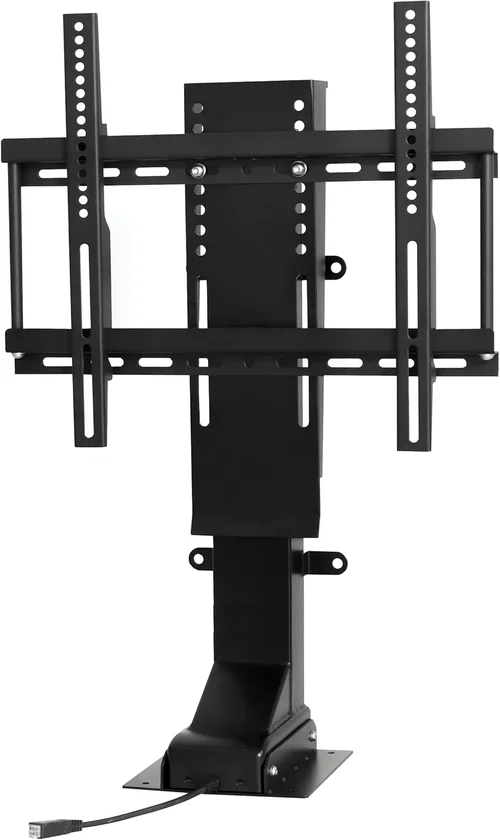
Pay attention to the mounting system as well. A sturdy, weatherproof mount is just as important as the TV itself. Look for mounts made from corrosion-resistant materials like stainless steel or aluminum, with sealed joints and adjustable tilt for optimal viewing angles. Many outdoor TVs come with compatible mounts, but third-party options can offer more flexibility.
4. Smart Features & Connectivity
Just because your TV is outdoors doesn’t mean it should lack modern conveniences. Today’s best outdoor TVs come with full smart functionality, allowing you to stream content from Netflix, YouTube, Disney+, and more without needing an external device.
Look for models with built-in Wi-Fi (preferably dual-band 2.4GHz and 5GHz) and support for popular voice assistants like Alexa or Google Assistant. This lets you control the TV hands-free, which is especially useful when your hands are full with a drink or snack. Some models even include weather-resistant remotes with backlighting for nighttime use.
Connectivity is another key factor. Ensure the TV has multiple HDMI ports (at least three), USB inputs, and possibly an Ethernet port for a wired internet connection—ideal if your Wi-Fi signal is weak in the backyard. Some premium models also support Bluetooth for wireless audio streaming to outdoor speakers.
One often-overlooked feature is the operating system. Android TV, webOS, and Tizen are the most common platforms. Android TV offers the most app compatibility, while webOS (used by LG) is known for its simplicity and speed. Choose one that aligns with your existing devices and preferences.
5. Size & Viewing Distance
Choosing the right screen size isn’t just about aesthetics—it’s about ensuring a comfortable viewing experience from your typical seating area. For outdoor setups, larger screens are generally better because ambient light and distance can reduce perceived image quality.
As a rule of thumb, divide your viewing distance (in inches) by 1.5 to 2.5 to determine the ideal screen size. For example, if you’re sitting 10 feet (120 inches) away, a 50- to 80-inch TV would be appropriate. In rainy climates, where you might spend more time closer to the screen under cover, err on the larger side.
However, don’t go overboard. A TV that’s too large for your space can overwhelm the area and make it difficult to see details. Also, consider the physical dimensions and weight—larger TVs require stronger mounts and more robust installation.
Most outdoor TVs range from 43 to 75 inches, with 55 and 65 inches being the most popular. If space is limited, consider a 43- or 50-inch model. For larger patios or pool areas, 65- or 75-inch screens provide an immersive experience.
6. Audio Performance
Outdoor environments are inherently noisy—wind, rain, birds, and distant traffic can all interfere with audio clarity. While many outdoor TVs include built-in speakers, they’re often underpowered and lack bass, especially in larger models.
For the best experience, consider pairing your TV with a weather-resistant soundbar or outdoor speaker system. Look for audio solutions with IP ratings (IPX5 or higher) and durable enclosures. Some TVs support wireless audio output via Bluetooth or Wi-Fi, allowing you to connect external speakers seamlessly.
If you prefer an all-in-one solution, some outdoor TVs come with enhanced audio systems featuring dual speakers, passive radiators, or even Dolby Atmos support. These can deliver surprisingly rich sound, but they’re usually found in premium models.
7. Installation & Maintenance
Even the best outdoor TV won’t last long if it’s not installed correctly. Proper installation ensures stability, protects against water ingress, and maximizes viewing comfort. Most manufacturers recommend professional installation, especially for wall-mounted setups.
Key considerations include:
– Mounting height: The center of the screen should be at or slightly below eye level when seated.
– Tilt and swivel: Adjustable mounts allow you to angle the TV for optimal viewing and to reduce glare.
– Cable management: Use weatherproof conduit or raceways to protect HDMI and power cables from moisture.
– Power source: Ensure the outlet is GFCI-protected and located within reach of the TV’s power cord.
Maintenance is also important. Clean the screen regularly with a microfiber cloth and mild cleaner—avoid abrasive materials that can scratch the anti-reflective coating. Check seals and gaskets annually for signs of wear, and inspect the mount for loose bolts or corrosion.
Some models include self-diagnostic features that alert you to issues like overheating or moisture detection. These can be lifesavers in preventing long-term damage.
8. Brand Reputation & Warranty
Not all outdoor TV brands are created equal. Some specialize in rugged, weatherproof designs, while others repurpose indoor models with minimal modifications. Stick with reputable brands known for outdoor performance, such as SunBriteTV, Samsung, LG, and Seura.
SunBriteTV, for example, has been a leader in outdoor displays for over a decade, offering models specifically engineered for all-weather use. Samsung’s The Terrace series combines QLED technology with robust build quality, while LG’s outdoor-ready OLEDs deliver stunning picture quality in covered areas.
Warranty is another critical factor. Most outdoor TVs come with a 1- to 3-year warranty, but coverage varies. Look for warranties that include protection against water damage, which is often excluded in standard policies. Some brands offer extended warranties or service plans for added peace of mind.
Customer support is equally important. Choose a brand with responsive service and accessible repair centers. Online reviews and forums can provide insights into real-world reliability and support experiences.
Different Types of Outdoor TVs
Common Buying Mistakes to Avoid
❌ Mistake: Buying an Indoor TV for Outdoor Use
Why it’s bad: Indoor TVs are not designed to handle moisture, temperature changes, or UV exposure. Even under cover, condensation and humidity can damage internal components, leading to early failure.
What to do instead: Always choose a TV specifically rated for outdoor use. If budget is tight, consider an indoor TV in a certified outdoor enclosure, but never use a standard indoor model directly outside.
❌ Mistake: Ignoring the IP Rating
Why it’s bad: A high price tag doesn’t guarantee weather resistance. Some “outdoor” TVs have minimal protection and can fail after a single heavy rain.
What to do instead: Verify the IP rating and look for additional sealing features. IP65 is the minimum for rainy climates; IP66 or higher is ideal.
❌ Mistake: Overlooking Brightness and Glare
Why it’s bad: A dim screen will be unwatchable on sunny days or when reflections from wet surfaces hit the display.
What to do instead: Choose a TV with at least 700 nits of brightness and an anti-reflective coating. Test the screen in similar lighting conditions if possible.
❌ Mistake: Skimping on the Mount
Why it’s bad: A weak or poorly installed mount can lead to instability, misalignment, or even the TV falling during windy weather.
What to do instead: Invest in a weatherproof, heavy-duty mount compatible with your TV’s VESA pattern. Consider professional installation for peace of mind.
❌ Mistake: Neglecting Audio
Why it’s bad: Built-in speakers often can’t compete with outdoor noise, resulting in poor dialogue clarity and weak sound.
What to do instead: Pair your TV with outdoor speakers or a soundbar. Look for weather-resistant audio solutions with good bass response.
❌ Mistake: Forgetting About Maintenance
Why it’s bad: Dirt, water spots, and corrosion can degrade performance and shorten the TV’s lifespan.
What to do instead: Clean the screen regularly, inspect seals annually, and check the mount for tightness. Keep the area around the TV free of debris.
❌ Mistake: Not Checking Warranty Coverage
Why it’s bad: Many warranties exclude water damage, leaving you with repair costs if the TV fails due to rain.
What to do instead: Read the warranty terms carefully. Choose brands that explicitly cover weather-related issues and offer extended service plans.
Budget Guidelines: How Much Should You Spend?
– Entry-Level ($800 – $1,500): These are typically indoor TVs in outdoor enclosures or basic covered-area models. They offer decent picture quality but limited weather resistance and smart features. Best for small, fully covered spaces with minimal exposure.
– Mid-Range ($1,500 – $3,000): This is the sweet spot for most buyers. You’ll find fully weather-resistant TVs with IP65 ratings, good brightness (700–1,500 nits), and solid smart functionality. Models like the SunBriteTV Veranda series or Samsung The Terrace (smaller sizes) fall here.
– Premium ($3,000 – $5,000): For enthusiasts and those with larger outdoor spaces, premium models offer top-tier brightness (2,000+ nits), QLED or OLED panels, advanced cooling, and robust build quality. These are ideal for partially exposed areas or high-end patios.
– Luxury ($5,000+): Top-tier commercial-grade displays with extreme durability, 24/7 operation capability, and advanced features like modular designs or integrated lighting. Best for luxury homes, resorts, or commercial venues.

Expert Tips for Getting the Best Deal
– Buy during off-season sales: Look for discounts in late fall or winter when demand is low. Retailers often clear out inventory before new models arrive.
– Compare retailers: Check prices at specialty outdoor electronics stores, big-box retailers, and online marketplaces. Some offer free installation or extended warranties.
– Bundle with accessories: Some sellers offer discounts when you buy a TV, mount, and sound system together.
– Check for rebates: Manufacturers occasionally offer mail-in rebates or trade-in programs for older TVs.
– Read return policies: Ensure you can return or exchange the TV if it doesn’t meet expectations. Outdoor TVs can be tricky to test before installation.
– Test in-store if possible: Visit a showroom to see the screen brightness and color accuracy in person.
– Consider refurbished models: Certified refurbished outdoor TVs from reputable brands can save you 20–30% with full warranty coverage.

Frequently Asked Questions
Q: Can I use a regular TV outside if it’s under cover?
A: Technically yes, but it’s not recommended. Even under cover, humidity, temperature swings, and occasional splashes can damage internal components. For reliable performance, use a TV designed for outdoor use or an indoor model in a certified outdoor enclosure.
Q: How do I protect my outdoor TV from rain?
A: Install it under a covered area like a pergola, awning, or screened porch. Use a weatherproof cover when not in use, and ensure all cables are sealed and routed through conduit.
Q: Do outdoor TVs need special power outlets?
A: Yes. Use a GFCI (Ground Fault Circuit Interrupter) outlet to protect against electrical shocks, especially in wet conditions. Avoid extension cords if possible.
Q: Can I leave my outdoor TV on during rain?
A: If it’s rated IP65 or higher and properly installed, yes. However, it’s safer to turn it off during severe storms to avoid power surges.
Q: How long do outdoor TVs last?
A: With proper care, most outdoor TVs last 7–10 years. Premium models with better cooling and sealing may last even longer.
Q: Are outdoor TVs worth the extra cost?
A: If you use your outdoor space regularly and live in a rainy climate, yes. The durability, brightness, and weather resistance justify the investment for long-term enjoyment.
Q: Can I mount an outdoor TV on a post or pole?
A: Yes, but ensure the post is securely anchored and the mount is rated for outdoor use. Consider wind load and stability, especially in exposed areas.
Q: Do outdoor TVs come with remotes?
A: Most do, and many include weather-resistant remotes with backlighting. Some also support smartphone apps for control.
Our Final Recommendations
– Best for Budget-Conscious Buyers: SunBriteTV Veranda Series (55-inch) – Excellent value with IP55 rating, 700-nit brightness, and solid smart features.
– Best Overall Value: Samsung The Terrace (65-inch) – QLED display, IP55 rating, 2,000+ nits brightness, and premium design.
– Best Premium Option: SunBriteTV Pro Series (75-inch) – Fully sealed, IP66 rated, 3,000 nits brightness, and built for extreme conditions.
– Best for Beginners: LG 55-inch Outdoor OLED (Covered Area Model) – Stunning picture quality, easy setup, and ideal for screened porches.
– Best for Advanced Users: Seura 65-inch Shade Series – Ultra-bright, motorized retractable design, and customizable installation.
Conclusion: Making the Right Choice
Choosing the right outdoor TV for a rainy climate is about more than just picture quality—it’s about durability, reliability, and long-term value. By focusing on weather resistance, brightness, build quality, and smart features, you can find a TV that enhances your outdoor living space for years to come.
Remember to prioritize your specific needs: your budget, installation environment, and how often you’ll use the TV. Don’t rush the decision—take time to compare models, read reviews, and consult with experts if needed.
With the right TV, your backyard can become a true extension of your home—a place where you can relax, entertain, and enjoy your favorite shows, rain or shine. So go ahead, make the investment, and start creating memories under the open sky.

