
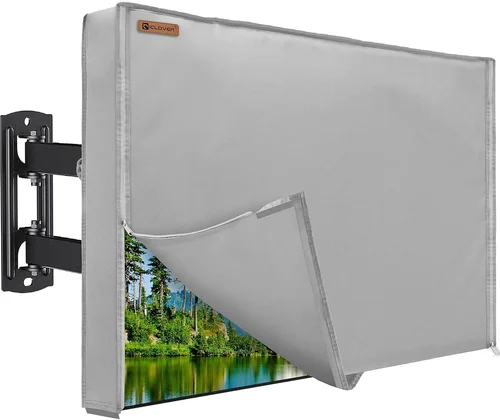
Outdoor living spaces have evolved far beyond simple patios and decks. Today’s homeowners treat their covered outdoor areas as true extensions of their homes—complete with grills, furniture, sound systems, and yes, even televisions. But bringing your entertainment outdoors isn’t as simple as dragging an indoor TV outside and hoping for the best. The elements—rain, humidity, dust, temperature swings, and direct sunlight—can quickly damage standard electronics. That’s where weatherproof TVs come in: purpose-built displays designed to withstand the rigors of outdoor environments while delivering a crisp, vibrant viewing experience.
This comprehensive buying guide is crafted for anyone looking to invest in a budget-friendly weatherproof TV for a covered patio. Whether you’re hosting summer barbecues, watching the big game under string lights, or enjoying a quiet evening movie night outdoors, choosing the right TV can make all the difference. We’ll walk you through everything you need to know—from understanding key performance specs to avoiding common pitfalls—so you can make a smart, informed decision that fits both your lifestyle and your wallet. The market for outdoor TVs has grown significantly in recent years, with more brands offering affordable options that don’t sacrifice durability or picture quality. However, not all “weatherproof” TVs are created equal, and knowing what to look for is essential.
In this guide, you’ll learn how to evaluate critical factors like IP ratings, brightness levels, build materials, smart features, and warranty coverage. We’ll compare different types of outdoor TVs, break down pricing tiers, share expert tips for getting the best deal, and answer frequently asked questions based on real user experiences. By the end, you’ll have a clear roadmap to finding a reliable, high-performing weatherproof TV that enhances your outdoor space without breaking the bank.
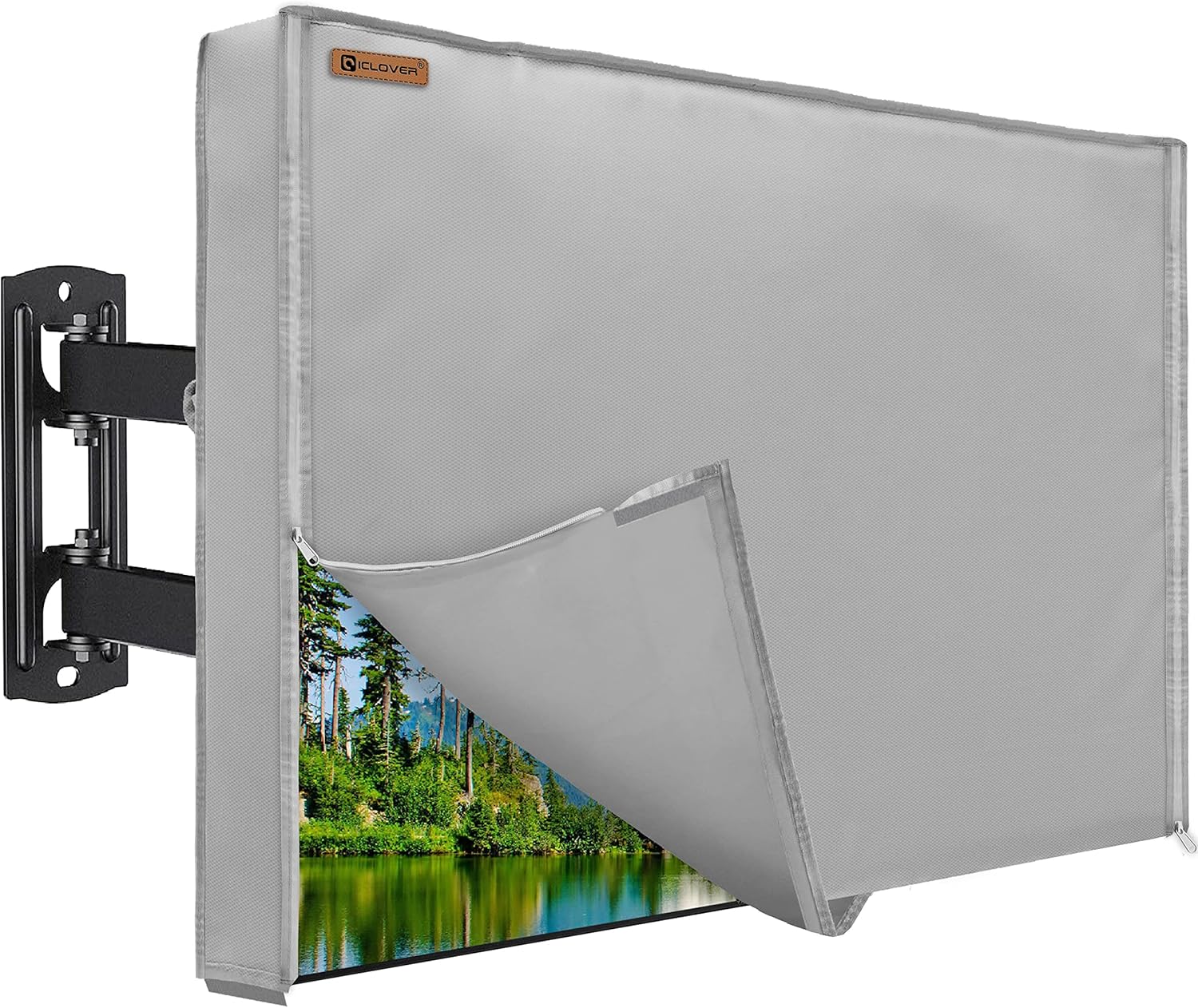
What to Look for When Buying Buying Guide
1. IP Rating (Ingress Protection)
The IP (Ingress Protection) rating is one of the most critical specifications when shopping for a weatherproof TV. This two-digit code tells you exactly how well the TV resists dust and water. The first digit ranges from 0 to 6 and indicates protection against solid particles like dust; the second digit ranges from 0 to 9 and measures resistance to moisture. For a covered patio, you’ll want at least an IP55 rating—this means the TV is dust-protected (not fully sealed, but enough for most outdoor use) and protected against low-pressure water jets from any direction. If your patio is partially exposed or you live in a rainy climate, consider stepping up to IP65 or higher for full dust-tight sealing and protection against powerful water jets.
Don’t be fooled by marketing terms like “weather-resistant” or “outdoor-ready” without a clear IP rating. These phrases are often vague and don’t guarantee real-world durability. Always check the manufacturer’s technical specifications for the official IP code. A TV with an IP55 rating might survive a light drizzle, but it won’t hold up during a downpour unless it’s under a solid roof with overhangs. Remember: even covered patios can experience wind-driven rain, so err on the side of caution.
2. Brightness & Display Performance
Brightness is arguably the second most important factor after weatherproofing. Indoor TVs typically range from 300 to 500 nits (a unit of luminance), but outdoor environments demand much higher brightness to combat glare from sunlight reflecting off surfaces like concrete, tile, or water. For a covered patio, aim for a minimum of 700 nits—ideally 1,000 nits or more if your space gets partial sun exposure. Some budget outdoor TVs advertise “high brightness,” but always verify the actual nit rating in the specs, not just marketing claims.
Beyond brightness, consider display technology. Most budget outdoor TVs use LCD panels with LED backlighting, which offer good color accuracy and energy efficiency. Avoid OLED models for outdoor use—they’re more susceptible to burn-in and don’t perform well in bright conditions. Look for features like anti-reflective coatings and local dimming, which improve contrast and reduce glare. Also, check the viewing angle: a wide viewing angle (at least 178 degrees) ensures everyone on your patio can see the screen clearly, even from the sides.
3. Build Quality & Durational Materials
A weatherproof TV isn’t just about the screen—it’s about the entire enclosure. The chassis should be made from corrosion-resistant materials like powder-coated aluminum or marine-grade stainless steel. Plastic housings may save money upfront but are prone to cracking, warping, or fading under UV exposure. Inspect the seams and ports: they should be tightly sealed with rubber gaskets to prevent moisture ingress. Ventilation is another consideration—some outdoor TVs use passive cooling (no fans), which reduces noise and eliminates entry points for dust and water.
Pay attention to internal components too. Look for conformal coating on circuit boards, which protects against humidity and condensation. Even in a covered area, temperature fluctuations can cause internal moisture buildup, especially in coastal or humid climates. A well-built TV will also include reinforced mounting points compatible with VESA standards, ensuring secure installation on wall brackets or ceiling mounts. Don’t overlook cable management—weatherproof conduit or sealed cable glands help protect HDMI and power connections from the elements.
4. Smart Features & Connectivity
Today’s outdoor TVs aren’t just dumb screens—they’re full-fledged smart platforms. Most budget models run on Android TV, Roku TV, or webOS, giving you access to streaming apps like Netflix, YouTube, Hulu, and Disney+. This eliminates the need for an external streaming device, reducing clutter and potential failure points. Check that the OS receives regular software updates and supports the latest apps. Some brands offer proprietary interfaces that may become outdated quickly, so stick with established platforms.
Connectivity is equally important. Ensure the TV has multiple HDMI ports (preferably HDMI 2.0 or higher for 4K content), USB ports for media playback, and built-in Wi-Fi (dual-band 2.4GHz/5GHz is ideal). Bluetooth support allows you to pair wireless speakers or headphones—useful for late-night viewing without disturbing neighbors. If you plan to connect a soundbar or AV receiver, verify that the audio output options (optical, ARC, or 3.5mm) meet your needs. Avoid TVs with only composite or component inputs—these are outdated and limit your setup flexibility.
5. Size & Viewing Distance
Choosing the right screen size depends on your patio layout and typical seating arrangement. As a rule of thumb, multiply your viewing distance (in inches) by 0.84 to get the ideal diagonal screen size in inches. For example, if your seating is 8 feet (96 inches) away, a 70- to 80-inch TV would be optimal. However, don’t go too big—oversized screens can cause eye strain and look disproportionate in smaller spaces.
Consider the physical dimensions and weight of the TV, especially if you’re mounting it on a wall or ceiling. Measure your available space carefully, including clearance for ventilation and cable routing. Most outdoor TVs are heavier than indoor models due to reinforced frames, so ensure your mounting hardware is rated for the weight. If portability is a concern (e.g., moving the TV between patio and garage), look for models with integrated handles or lighter composite materials—though these may trade off some durability.
6. Brand Reputation & Reliability
Not all outdoor TV brands are equal. Stick with manufacturers known for quality and reliability, such as SunBriteTV, Seura, LG, Samsung, and newer entrants like Sylvane and Outdoor Theater. Research customer reviews on trusted platforms like Amazon, Best Buy, and specialty outdoor living forums. Pay attention to recurring complaints—frequent issues with Wi-Fi connectivity, premature backlight failure, or poor customer service are red flags.
Established brands often invest more in R&D, rigorous testing, and long-term support. They’re also more likely to honor warranties and provide replacement parts. Avoid no-name brands sold exclusively through third-party marketplaces—these often cut corners on materials and lack proper certifications. If a deal seems too good to be true, it probably is. A reputable brand might cost slightly more upfront but will save you money and frustration in the long run.
7. Warranty & Support
A solid warranty is your safety net against defects and premature failure. Most reputable outdoor TV manufacturers offer at least a 2-year limited warranty, with some extending to 3 or even 5 years. Read the fine print: does it cover labor, parts, and shipping? Is accidental damage included? Some warranties are voided if the TV is installed incorrectly or used in unsupported environments (e.g., fully exposed rooftops).
Customer support matters too. Can you reach a human quickly? Do they offer phone, email, and live chat? Check if the company provides installation guides, troubleshooting resources, and firmware updates. Brands with dedicated outdoor support teams tend to resolve issues faster. Avoid companies that only offer email support with slow response times—you don’t want to wait weeks for help if your TV fails during a crucial game or event.
8. User Reviews & Real-World Performance
Spec sheets tell part of the story, but user reviews reveal how a TV performs in real-life conditions. Look for detailed reviews that mention specific use cases: “watched the Super Bowl during a light rain,” “installed under a pergola with morning sun,” or “used daily for six months in Florida humidity.” These insights help you gauge reliability beyond lab tests.
Pay attention to patterns in feedback. If multiple users report the same issue—like Wi-Fi dropping during storms or the remote failing after a few months—it’s likely a design flaw. Conversely, consistent praise for brightness, ease of setup, or customer service is a good sign. Use review aggregation sites to compare models side by side. And don’t ignore negative reviews entirely—they often highlight deal-breaking flaws that specs alone won’t reveal.
Different Types of Buying Guide

Common Buying Mistakes to Avoid
❌ Mistake: Assuming All “Outdoor” TVs Are Fully Weatherproof
Why it’s bad: Many manufacturers label TVs as “outdoor” or “all-weather” without specifying an IP rating. These may only be suitable for covered areas with minimal exposure. Using them in partially exposed spaces can lead to water damage, corrosion, and voided warranties.
What to do instead: Always verify the IP rating and match it to your patio’s exposure level. If in doubt, choose a higher-rated model or consult the manufacturer about your specific installation.
❌ Mistake: Overlooking Brightness Requirements
Why it’s bad: A dim screen will look washed out in daylight, making it hard to see details during daytime viewing. This is especially problematic for sports, action movies, or outdoor gatherings.
What to do instead: Prioritize TVs with at least 700 nits of brightness. Test the screen in similar lighting conditions if possible, or rely on verified user reviews that mention daytime performance.
❌ Mistake: Skimping on Mounting Hardware
Why it’s bad: Standard indoor mounts aren’t designed for the weight and environmental stresses of outdoor TVs. Using incompatible hardware can lead to sagging, instability, or even collapse during windy conditions.
What to do instead: Invest in a VESA-compliant outdoor mount rated for your TV’s weight and size. Look for corrosion-resistant coatings and tilt/swivel options for optimal viewing angles.
❌ Mistake: Ignoring Audio Needs
Why it’s bad: Most outdoor TVs have small, downward-firing speakers that struggle to overcome ambient noise like traffic, wind, or conversation. Relying solely on built-in audio results in a poor listening experience.
What to do instead: Plan for external audio from day one. Pair your TV with weatherproof outdoor speakers, a soundbar, or a Bluetooth audio system. Ensure the TV has the necessary audio outputs.
❌ Mistake: Buying Based Solely on Price
Why it’s bad: The cheapest option often cuts corners on materials, brightness, or durability. You may end up replacing it within a year, costing more in the long run.
What to do instead: Set a realistic budget that balances upfront cost with long-term value. Consider total cost of ownership, including potential repairs or replacements.
❌ Mistake: Neglecting Cable Management
Why it’s bad: Exposed cables are vulnerable to moisture, UV degradation, and pests. Poor routing can also create tripping hazards or detract from aesthetics.
What to do instead: Use weatherproof conduit, cable raceways, or in-wall solutions. Seal all connections with silicone or specialized grommets to maintain the TV’s IP rating.
❌ Mistake: Not Checking Return Policies
Why it’s bad: Outdoor TVs are large, heavy, and expensive to return. If the unit arrives damaged or doesn’t meet expectations, a restrictive return policy can leave you stuck.
What to do instead: Only buy from retailers with generous return windows (30 days or more) and clear policies on damaged goods. Read reviews of the seller, not just the product.
Budget Guidelines: How Much Should You Spend?
- Entry-Level ($400–$700): These are typically indoor TVs housed in basic weatherproof enclosures or budget outdoor models with IP55 ratings. Expect 55- to 65-inch screens, 700–1,000 nits brightness, and limited smart features. Best for small, fully covered patios with minimal sun exposure. Brands like Sylvane and Outdoor Theater offer decent options in this range, but check build quality carefully.
- Mid-Range ($700–$1,200): This is the sweet spot for most homeowners. You’ll find purpose-built outdoor TVs with IP55 or IP65 ratings, 1,000+ nits brightness, robust aluminum frames, and full smart platforms (Roku, Android TV). Sizes range from 55 to 75 inches. Models from LG, Samsung, and Seura often fall here, offering excellent value without premium pricing.
- Premium ($1,200–$2,500): Designed for enthusiasts and those with larger patios or partial exposure. These TVs feature IP65+ ratings, advanced cooling systems, anti-reflective coatings, and superior audio. Expect 65- to 85-inch screens, 1,500+ nits brightness, and extended warranties. SunBriteTV and high-end Seura models dominate this tier.
- Luxury ($2,500+): Top-tier commercial-grade or custom solutions. These include 24/7 operation capability, vandal-resistant casings, extreme temperature tolerance (-30°F to 140°F), and professional installation support. Ideal for luxury homes, resorts, or public venues. Prices can exceed $5,000 for large formats.
Expert Tips for Getting the Best Deal
- Buy During Off-Season: Prices drop significantly in late fall and winter (October–February) when demand is lowest. Retailers often clear inventory before new models launch in spring.
- Shop Certified Refurbished: Many manufacturers sell certified refurbished outdoor TVs with full warranties at 20–40% off retail. These are thoroughly tested and often indistinguishable from new units.
- Compare Retailers: Don’t limit yourself to big-box stores. Specialty outdoor living retailers (like Yardistry or Outdoor Appliance Direct) often offer better bundles, expert advice, and free shipping.
- Bundle with Installation: Some companies offer free or discounted professional installation with purchase. This ensures proper mounting, sealing, and setup—worth the savings in peace of mind.
- Check for Rebates: Utility companies and local governments sometimes offer energy-efficiency rebates for outdoor electronics. LG and Samsung have participated in such programs in the past.
- Negotiate Extended Warranties: If buying in-store, ask if the extended warranty price can be reduced or bundled. Online, look for third-party warranty providers like SquareTrade for competitive rates.
- Test Before Committing: If possible, visit a showroom to see the TV in person. Check brightness, color accuracy, and remote responsiveness under lighting similar to your patio.
- Read the Return Policy Carefully: Ensure you have at least 30 days to return the TV, and confirm whether return shipping is free. Some retailers charge restocking fees of 15–20%.
Frequently Asked Questions
Q: Can I use a regular indoor TV on my covered patio?
A: Technically yes, but it’s not recommended for long-term use. Indoor TVs lack proper sealing, corrosion-resistant materials, and sufficient brightness for outdoor conditions. Even under cover, humidity, temperature swings, and occasional moisture can damage internal components. If you must use an indoor TV, house it in a certified weatherproof enclosure and limit exposure to mild weather only.
Q: What’s the difference between IP55 and IP65?
A: IP55 protects against limited dust ingress and low-pressure water jets from any direction. IP65 is dust-tight (no ingress) and resists powerful water jets. For a covered patio with good overhangs, IP55 is usually sufficient. If your area gets wind-driven rain or you want extra protection, choose IP65.
Q: Do outdoor TVs need special power outlets?
A: Not necessarily, but it’s wise to use a GFCI (Ground Fault Circuit Interrupter) outlet for safety, especially in damp environments. Avoid extension cords; run a dedicated outdoor-rated power line if needed.
Q: How do I clean my weatherproof TV?
A: Use a soft, lint-free microfiber cloth slightly dampened with water. Never spray liquid directly on the screen. For stubborn smudges, use a screen-safe cleaner. Avoid ammonia-based products or abrasive materials.
Q: Can I leave my outdoor TV on all the time?
A: Most consumer-grade outdoor TVs aren’t designed for 24/7 operation. Continuous use can overheat components and shorten lifespan. Turn it off when not in use. Commercial models are built for constant operation but cost significantly more.
Q: Will my Wi-Fi work reliably outdoors?
A: It depends on your router’s range and obstacles. For best results, use a mesh Wi-Fi system with an outdoor node or a Wi-Fi extender placed near the patio. Some TVs support Ethernet via a weatherproof adapter—consider a wired connection for streaming stability.
Q: Are outdoor TVs energy efficient?
A: Generally yes. Modern LED-backlit outdoor TVs consume similar power to indoor models of the same size. Look for ENERGY STAR certification to ensure efficiency. Brightness settings also impact consumption—dimming the screen when possible saves energy.
Q: What happens if my TV gets rained on?
A: If it has the correct IP rating and is properly installed, it should be fine. However, avoid direct water contact with ports or vents. After heavy rain, inspect for moisture and allow the unit to dry naturally before use.
Q: Can I mount my outdoor TV on a ceiling?
A: Yes, but only with a ceiling mount rated for outdoor use and the TV’s weight. Ensure the mounting point is structurally sound and allows for proper ventilation. Tilt adjustments help optimize viewing angles.
Q: Do outdoor TVs come with remotes that work in sunlight?
A: Most use standard IR remotes, which can struggle in bright light. Some models include RF remotes or smartphone app control for better reliability. Consider a remote with a backlit keypad for evening use.
Our Final Recommendations
- Best for Budget-Conscious Buyers: Sylvane 65″ Outdoor Smart TV (Model SO-65UHD) – At around $650, this IP55-rated TV delivers 1,000 nits brightness, Roku OS, and a sturdy aluminum frame. Ideal for fully covered patios with minimal sun exposure.
- Best Overall Value: LG 70″ UR340C Series Outdoor TV – Priced at $1,100, it offers IP55 protection, 1,200 nits brightness, webOS smart platform, and excellent color accuracy. A reliable choice for most homeowners.
- Best Premium Option: SunBriteTV Veranda Series 75″ – At $2,200, this IP65-rated powerhouse features 2,000 nits brightness, anti-reflective coating, and a 3-year warranty. Perfect for larger patios or partial exposure.
- Best for Beginners: Outdoor Theater 55″ All-Weather TV – Simple setup, intuitive interface, and strong customer support make this $750 model great for first-time buyers.
- Best for Advanced Users: Seura 85″ Shadow Series – With IP66 rating, 2,500 nits brightness, and customizable mounting, this $3,500 TV is for those who demand top performance and aesthetics.
Conclusion: Making the Right Choice
Investing in a weatherproof TV for your covered patio is about more than just entertainment—it’s about enhancing your outdoor lifestyle with technology that’s built to last. Throughout this guide, we’ve emphasized the importance of matching your TV’s specifications to your environment: IP rating for protection, brightness for visibility, build quality for durability, and smart features for convenience. We’ve also highlighted common pitfalls, budget considerations, and expert strategies to help you avoid overspending or underperforming setups.
Remember, the cheapest option isn’t always the best value, and the most expensive model may be overkill for your needs. Focus on your specific use case: How much sun does your patio get? How many people will typically watch? Do you need streaming, gaming, or just live TV? Answering these questions will guide you toward the right balance of performance, price, and longevity.
Ultimately, a well-chosen weatherproof TV transforms your outdoor space into a true living room under the sky—a place where memories are made, games are celebrated, and quiet moments are enjoyed in comfort. Take your time, do your research, and don’t hesitate to reach out to manufacturers or retailers with questions. With the insights from this guide, you’re now equipped to make a confident, informed decision that brings years of reliable enjoyment to your covered patio.

