
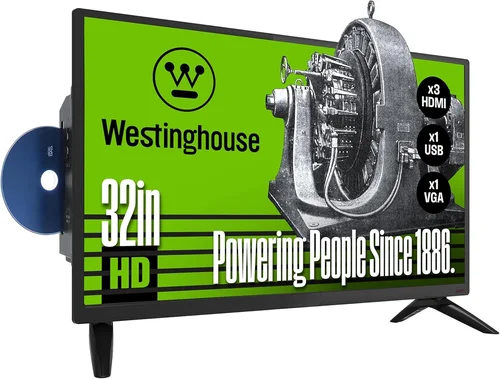
Renting a home with a pool is one of life’s little luxuries—especially when you can kick back, float in the water, and catch up on your favorite shows under the sun. But adding a TV to that experience? That’s where things get tricky. Unlike homeowners who can invest in permanent outdoor setups, renters need solutions that are affordable, easy to install, and won’t damage property or violate lease agreements. That’s exactly why this guide exists: to help you find the perfect budget-friendly poolside TV without breaking the bank or overcomplicating your setup.
In this comprehensive buying guide, we’ll walk you through everything you need to know to make a smart, informed decision. Whether you’re managing a vacation rental, setting up a short-term lease, or just want to enjoy your backyard oasis without committing to a full outdoor entertainment system, we’ve got you covered. You’ll learn how to balance cost, durability, performance, and ease of use—all while staying within a realistic budget. We’ll also compare different types of TVs suitable for poolside use, highlight common pitfalls to avoid, and share expert tips for getting the best value. By the end, you’ll have a clear roadmap to choosing a TV that enhances your outdoor space without compromising your rental agreement or your wallet.
The market for outdoor and semi-outdoor TVs has grown significantly in recent years, but most high-end models are designed for permanent installations and come with price tags that rival indoor premium sets. For renters, those options are often overkill—and sometimes outright impractical. Instead, the sweet spot lies in portable, weather-resistant, or indoor-rated TVs that can be safely used near pools with proper precautions. Brands like TCL, Hisense, Vizio, and even some lesser-known names now offer affordable smart TVs that deliver solid picture quality, decent brightness, and enough connectivity for streaming, gaming, or watching live sports—all under $500. This guide focuses exclusively on those budget-conscious options, so you can enjoy your poolside movie nights without the guilt (or the landlord’s wrath).

What to Look for When Buying Buying Guide
1. Budget & Price Range
When shopping for a poolside TV as a renter, your budget is likely the most important factor. Unlike homeowners who might spend $1,500+ on a fully weatherproof outdoor display, renters should aim for models between $200 and $600. This range offers the best balance of affordability, performance, and flexibility. At the lower end ($200–$350), you’ll find 32- to 43-inch smart TVs from brands like TCL and Hisense that support streaming apps, have decent brightness, and include basic mounting options. Mid-range models ($350–$500) often offer better color accuracy, higher refresh rates, and improved audio—ideal if you plan to host pool parties or watch sports outdoors. Anything above $500 starts edging into territory better suited for permanent installations, which may not be practical or permitted in a rental.
It’s also worth considering hidden costs. While the TV itself might be cheap, you may need to buy a separate mount, extension cords, surge protectors, or even a protective cover. Factor these into your total budget to avoid surprises. And remember: cheaper isn’t always worse. Many budget TVs today use the same panel technology as their pricier counterparts—they just skimp on premium features like local dimming or advanced processors. For casual viewing by the pool, those trade-offs are usually acceptable.
2. Performance Specifications
Performance matters more than you might think—even for casual poolside viewing. Start with screen size: for most backyard setups, a 32- to 50-inch TV is ideal. Anything smaller feels cramped from a distance, while larger screens become unwieldy and harder to move indoors during storms or off-seasons. Resolution is next: stick with Full HD (1080p) or 4K UHD. While 4K offers sharper detail, many budget models use lower-quality panels that don’t fully leverage the resolution. For poolside use, 1080p is often sufficient unless you’re sitting very close or watching high-motion content like sports.
Brightness is critical. Indoor TVs typically range from 250 to 400 nits, but near a pool—where sunlight reflects off water and surfaces—you’ll want at least 350 nits, preferably 400+. Some budget models advertise “outdoor visibility” modes that boost brightness temporarily, which can help. Refresh rate (measured in Hz) affects motion smoothness; 60Hz is standard and fine for most content, but if you watch fast-paced sports or play games, look for 120Hz support (though rare in this price range).
Smart functionality is non-negotiable for renters. Built-in Wi-Fi and platforms like Roku TV, Google TV, or Fire TV let you stream directly without extra devices. Avoid older models that require external sticks—they add clutter and potential failure points. Audio matters too: built-in speakers on budget TVs are usually weak, so consider pairing with a portable Bluetooth speaker for better sound during gatherings.
3. Build Quality & Durability
Even though your TV won’t be permanently mounted outside, it will still face environmental challenges: humidity, occasional splashes, dust, and temperature swings. That means build quality matters—not just for longevity, but for safety. Look for TVs with sealed ports, sturdy stands, and robust chassis materials. Avoid ultra-thin designs with flimsy backs, as they’re more prone to warping or cracking in humid conditions.
While true outdoor TVs are sealed against rain and extreme temps, they’re overkill for renters. Instead, focus on “semi-outdoor” use: placing the TV under a covered patio, pergola, or awning where it’s shielded from direct rain but still exposed to ambient moisture. In these scenarios, an indoor-rated TV with good ventilation and moisture-resistant components can last several seasons if handled carefully.
Check the power supply and cable management. TVs with external power bricks are easier to protect from water than those with internal supplies. Use waterproof outlet covers and keep all connections elevated off the ground. Also, avoid placing the TV directly on concrete or tile—use a rubber mat or stand to prevent condensation buildup underneath.
4. Features & Functionality
For renters, simplicity and versatility are key. A poolside TV should be easy to set up, use, and stow away. Smart platforms are essential—Roku TV and Google TV dominate the budget segment and offer intuitive interfaces, voice search, and seamless app integration. Fire TV is another solid choice, especially if you’re already in the Amazon ecosystem. Avoid proprietary systems from lesser-known brands; they often lack app support and receive fewer updates.
Connectivity options matter too. Look for at least three HDMI ports (for streaming devices, game consoles, or soundbars), USB ports for media playback, and Bluetooth for wireless audio. Wi-Fi 5 (802.11ac) is standard and sufficient, but Wi-Fi 6 support is rare in this tier—and unnecessary for most users. If you plan to connect a cable box or antenna, ensure the TV has a coaxial input.
One often-overlooked feature is remote control design. Poolside remotes should be lightweight, responsive, and ideally water-resistant or easy to wipe down. Some budget models include voice remotes, which are handy when your hands are wet or sandy. Also, check if the TV supports screen mirroring (Miracast or AirPlay)—great for sharing vacation photos or videos with guests.
5. Brand Reputation
Not all budget TV brands are created equal. Stick with manufacturers known for reliability and customer service: TCL, Hisense, Vizio, and Samsung (in their entry-level lines) consistently earn high marks for value and support. These companies invest in software updates, have widespread service networks, and offer transparent warranty policies. Lesser-known brands may offer tempting prices, but they often cut corners on components, firmware, and售后 support—leaving you stranded if something goes wrong.
Read user reviews carefully, especially those mentioning long-term use. A TV that works great for three months might develop backlight issues or Wi-Fi dropouts after a year. Brands like TCL have improved dramatically in recent years, offering near-premium experiences at half the price. Hisense focuses on aggressive pricing and frequent sales, while Vizio emphasizes audio-visual balance. Samsung’s “Crystal UHD” line is slightly pricier but includes better color calibration out of the box.
Avoid “no-name” brands sold exclusively through third-party Amazon sellers or discount warehouses. They rarely provide firmware updates, and replacement parts are nearly impossible to find. If a deal seems too good to be true—like a 55-inch 4K smart TV for $199—it probably is.
6. Warranty & Support
Warranty coverage is crucial for renters who may not have the time or resources to troubleshoot hardware issues. Most reputable brands offer a standard one-year limited warranty covering defects in materials and workmanship. Some, like TCL, extend this to two years for select models. Always register your TV online after purchase to activate coverage.
Pay attention to what’s excluded: physical damage, liquid exposure, and “acts of God” (like lightning strikes) are typically not covered—even if the TV fails near a pool. That’s why proper placement and protection are so important. If you’re using the TV in a high-humidity area, document its condition before and after each season with photos. This can help if you need to dispute a claim.
Customer support varies widely. TCL and Hisense have improved their support channels in recent years, offering live chat, phone assistance, and detailed troubleshooting guides. Vizio provides solid email support but slower response times. Check forums like Reddit’s r/televisions or AVS Forum to see how responsive a brand is to user complaints. Avoid brands with no clear contact method or those that redirect you to third-party repair centers with poor reviews.
7. Size & Portability
As a renter, you likely won’t leave your TV outside year-round. That means portability is a major advantage. Lightweight models (under 20 lbs for 43-inch screens) are easier to move indoors during winter, storms, or when showing the property to prospective tenants. Look for TVs with integrated handles or slim profiles that fit through doorways and into storage closets.
Mounting flexibility is another consideration. Many budget TVs support VESA patterns (like 200x200mm), allowing you to use universal wall or ceiling mounts. However, avoid drilling into rental walls unless explicitly permitted. Instead, opt for freestanding floor mounts or rolling TV carts—these let you position the TV optimally without permanent alterations. Some carts even include storage shelves for remotes, cables, or drinks.
If you plan to take the TV to different properties (e.g., between seasonal rentals), consider a carrying case or padded bag. While not common for TVs, some third-party manufacturers offer protective sleeves designed for flat panels. Just ensure the TV is completely dry and cooled before packing to prevent mold or heat damage.
8. User Reviews & Ratings
Never buy a poolside TV based solely on specs or marketing claims. Real-world user feedback reveals quirks, flaws, and hidden strengths that spec sheets miss. Focus on reviews from buyers who mention outdoor or semi-outdoor use—they’ll comment on brightness, glare, Wi-Fi stability in open areas, and durability in humid climates.
Look for patterns: if multiple users report the same issue (e.g., “HDMI ports stopped working after 6 months” or “screen flickers in direct sunlight”), it’s likely a design flaw. Conversely, consistent praise for ease of setup, app performance, or remote responsiveness signals a reliable product. Amazon, Best Buy, and Walmart reviews are generally trustworthy, but cross-check with independent sites like RTINGS.com or CNET for deeper analysis.
Be wary of fake reviews. Genuine feedback often includes specific details (“used by the pool in Florida for 8 months”) and balanced pros/cons. Overly glowing reviews with generic language (“amazing TV!!!”) are red flags. Also, check the date—technology evolves quickly, and a model praised in 2022 might have been revised (for better or worse) by 2026.
Different Types of Buying Guide

Common Buying Mistakes to Avoid
❌ Mistake: Buying a True Outdoor TV
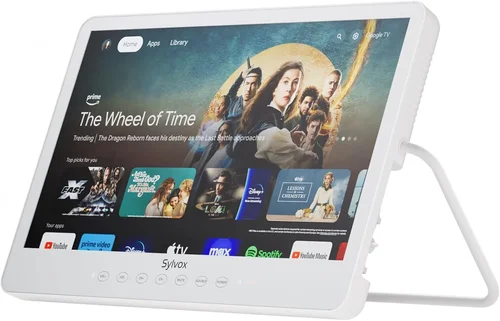
Why it’s bad: Fully weatherproof outdoor TVs are engineered for permanent installation—they’re heavy, expensive ($1,500+), and often require professional mounting. Most rental agreements prohibit drilling into exterior walls or modifying structures, making these models impractical and potentially violating your lease.
What to do instead: Opt for a high-quality indoor smart TV placed under cover. Pair it with a non-permanent mount or rolling cart, and always bring it inside during storms or off-seasons.
❌ Mistake: Ignoring Sunlight and Glare
Why it’s bad: Even under a roof, reflected light from pool water can wash out the screen, making content hard to see. Many budget TVs lack sufficient brightness or anti-glare coatings, leading to frustrating viewing experiences.
What to do instead: Choose a TV with at least 400 nits brightness and consider a matte screen finish. Position the TV perpendicular to the sun’s path, and use curtains or shades to reduce glare during peak hours.
❌ Mistake: Overlooking Power and Cable Safety
Why it’s bad: Water and electricity don’t mix. Running extension cords across wet decks or placing power strips on the ground creates serious shock hazards—especially around pools where bare feet and splashing are common.
What to do instead: Use GFCI-protected outlets, waterproof cord covers, and keep all electronics elevated and dry. Never drape cords over railings or through water features.
❌ Mistake: Skimping on Smart Features
Why it’s bad: A TV without built-in streaming forces you to rely on external devices (like Fire Sticks or Roku boxes), adding clutter, extra remotes, and potential points of failure. It also limits ease of use for guests.
What to do instead: Prioritize models with integrated smart platforms (Roku TV, Google TV, or Fire TV). This simplifies setup and ensures everyone can access Netflix, YouTube, or live TV without hunting for dongles.
❌ Mistake: Neglecting Audio Quality
Why it’s bad: Built-in TV speakers are notoriously weak, especially in open outdoor spaces where sound dissipates quickly. You’ll end up straining to hear dialogue over pool noise or wind.
What to do instead: Invest in a compact Bluetooth speaker ($50–$100) that pairs easily with your TV. Look for models with waterproof ratings (IPX4 or higher) and long battery life for uninterrupted listening.
❌ Mistake: Forgetting About Storage and Seasonality
Why it’s bad: Leaving a TV outside year-round—even under cover—exposes it to mold, pests, and temperature extremes that shorten its lifespan. Many renters forget to store their TV during winter, leading to premature failure.
What to do instead: Treat your poolside TV as seasonal equipment. Clean it thoroughly, pack it in its original box (or a padded alternative), and store it in a climate-controlled area when not in use.
❌ Mistake: Choosing Based Solely on Price
Why it’s bad: The cheapest TV isn’t always the best value. Ultra-budget models may use inferior panels, lack essential ports, or suffer from poor software support—leading to frustration and early replacement.
What to do instead: Aim for the “value sweet spot” ($300–$450). In this range, you get reliable performance, decent build quality, and strong smart features without overspending.
Budget Guidelines: How Much Should You Spend?
Entry-Level ($150–$250): This tier includes refurbished models, older-generation TVs, or basic 32-inch smart displays. Expect 1080p resolution, limited app selection, and modest brightness (250–300 nits). Ideal for small patios or occasional use, but may struggle in bright conditions. Best for short-term rentals or backup units.
Mid-Range ($250–$400): The sweet spot for most renters. You’ll find new 40- to 43-inch smart TVs from TCL, Hisense, or Vizio with 4K support, 350–400 nits brightness, and robust streaming platforms. These models offer excellent value, solid durability, and enough features for daily poolside entertainment. Highly recommended for primary use.
Premium ($400–$600): For those willing to stretch their budget, this range includes higher-end 4K models with better color accuracy, faster processors, and enhanced audio. Some even offer local dimming or HDMI 2.1 for gaming. Still portable and renter-friendly, these TVs deliver near-premium performance without permanent installation.
Luxury ($600+): At this point, you’re entering territory better suited for homeowners. While some semi-outdoor rated models fall here, they’re often overkill for rentals. Only consider if you manage high-end vacation properties and need a durable, long-term solution—and even then, weigh the ROI carefully.
Expert Tips for Getting the Best Deal
- Buy during off-peak seasons: Retailers discount TVs heavily in late summer and early fall as they clear inventory for new models. Black Friday and Prime Day also offer solid deals, but selection may be limited.
- Shop certified refurbished: Brands like TCL and Samsung sell refurbished TVs with full warranties at 20–40% off retail. These are thoroughly tested and often indistinguishable from new units.
- Check local classifieds: Facebook Marketplace, Craigslist, and OfferUp sometimes have barely-used TVs from people upgrading or moving. Inspect in person and test all functions before buying.
- Bundle with accessories: Some retailers offer discounts when you buy a TV with a mount, speaker, or surge protector. Even if you don’t need everything, the bundle price may still be lower than buying separately.
- Use price tracking tools: Websites like CamelCamelCamel (for Amazon) or Honey alert you when prices drop on specific models. Set alerts for your desired TV and wait for the right moment.
- Read the return policy: Ensure the seller offers at least 30 days to return the TV. This gives you time to test it poolside and confirm it meets your needs.
- Test brightness in person: If buying in-store, ask to see the TV in a bright area. Many showrooms are dimly lit, masking poor outdoor visibility.
- Register for extended warranties wisely: Avoid store-purchased extended plans—they’re often overpriced. Stick with the manufacturer’s standard warranty unless you’re buying a refurbished unit without coverage.

Frequently Asked Questions
Q: Can I leave my TV outside by the pool all the time?
A: Not recommended. Even under cover, constant exposure to humidity, temperature swings, and UV rays can damage internal components over time. Always bring the TV indoors during storms, winter, or extended absences.
Q: Do I need a special outdoor TV for poolside use?
A: No—true outdoor TVs are overkill for renters. A high-quality indoor smart TV placed under a roof or awning works perfectly fine with proper precautions.
Q: Will my landlord allow a poolside TV?
A: It depends on your lease. Most landlords permit non-permanent setups (like rolling carts) as long as no drilling or modifications occur. Always get written approval before installing anything.
Q: How do I protect my TV from water splashes?
A: Keep the TV at least 6–8 feet from the pool edge, use a splash guard or clear acrylic shield, and never place drinks or wet items near the screen or ports.
Q: What’s the best size for a poolside TV?
A: For most backyard setups, 40–43 inches is ideal. It’s large enough to see from a distance but still portable and easy to store.
Q: Can I use a projector instead of a TV?
A: Yes! Portable projectors paired with an inflatable or foldable screen offer huge images and are highly portable. However, they require darkness for best results and aren’t ideal for daytime viewing.
Q: How important is 4K for poolside viewing?
A: Less important than brightness and glare resistance. Most viewers sit far enough that 1080p looks sharp, and many budget 4K TVs use lower-quality panels that don’t fully benefit from the resolution.
Q: Should I buy a soundbar for my poolside TV?
A: A compact Bluetooth speaker is usually sufficient and more practical. Soundbars are harder to protect from moisture and take up more space.
Q: What happens if my TV gets wet?
A: Immediately unplug it, wipe it dry, and let it air-dry indoors for 48+ hours. Do not turn it on until completely dry. Liquid damage is rarely covered under warranty.
Q: Are there TVs made specifically for renters?
A: Not officially, but many portable, lightweight smart TVs with strong smart platforms and easy mounting options are perfectly suited for rental properties.
Our Final Recommendations
Best for Budget-Conscious Buyers: TCL 43S5400 43-inch 4K UHD Smart TV with Roku TV – Priced around $279, this model delivers excellent picture quality, 400 nits brightness, and a user-friendly interface. Its slim design and VESA compatibility make it easy to mount or move.
Best Overall Value: Hisense 40H5500G 40-inch Full HD Smart TV – At under $250, it offers reliable performance, solid app support, and decent audio. Perfect for covered patios and casual viewing.
Best Premium Option: Vizio V-Series 43V4K-F1 43-inch 4K Smart TV – With 450 nits brightness, Dolby Vision support, and a sleek design, this TV punches above its weight. Ideal if you want near-premium features without the outdoor TV price tag.
Best for Beginners: TCL 32S350G 32-inch HD Smart TV with Roku TV – Simple setup, intuitive controls, and low cost make this a great entry point for first-time buyers or small spaces.
Best for Advanced Users: Samsung UN43CU7000 43-inch Crystal UHD Smart TV – Offers superior color accuracy, Gaming Hub for cloud gaming, and robust smart features. Slightly pricier but worth it for tech-savvy renters.
Conclusion: Making the Right Choice
Choosing the right poolside TV for a rental home doesn’t have to be overwhelming—or expensive. By focusing on key factors like budget, brightness, smart functionality, and portability, you can find a model that enhances your outdoor experience without violating your lease or draining your wallet. Remember: you don’t need a $2,000 outdoor display to enjoy movie nights by the pool. A well-chosen $300–$400 smart TV, paired with smart placement and basic safety measures, delivers 90% of the enjoyment at a fraction of the cost.
Prioritize your needs: if you host frequent gatherings, invest in better audio and a larger screen. If you’re on a tight budget, consider refurbished models or wait for seasonal sales. And always—always—protect your investment from water, sun, and seasonal changes. With the insights from this guide, you’re equipped to make a confident, informed decision that balances fun, function, and fiscal responsibility.
So go ahead—set up that perfect poolside viewing spot. Your next binge-watching session awaits, and this time, it’s pool float approved.

