
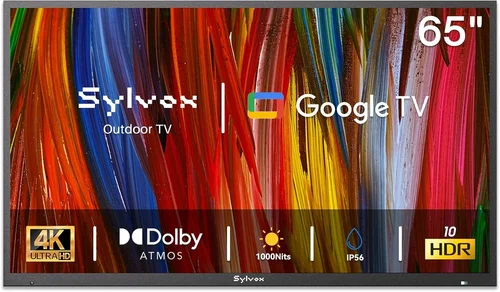
Outdoor living spaces have evolved far beyond simple patios and grills—today’s backyard oasis often includes full outdoor kitchens, fire pits, lounge areas, and yes, even dedicated outdoor bars. Whether you’re hosting game nights under string lights or catching the sunrise with your morning coffee, having a reliable TV on your patio transforms passive relaxation into an immersive entertainment experience. But not just any television will do. Standard indoor TVs aren’t built to withstand the elements, and even “weather-resistant” models from mainstream brands often fall short when exposed to humidity, temperature swings, direct sunlight, or dust.
That’s where purpose-built outdoor TVs come in. Designed from the ground up for exterior use, these units combine ruggedized construction with high-brightness displays optimized for daylight viewing. In this comprehensive guide, we’ll walk you through everything you need to know to choose the best TV for your patio bar—from understanding critical performance specs to avoiding costly mistakes. By the end, you’ll be equipped with expert-level knowledge to make a confident, informed purchase that delivers years of enjoyment.
The market for outdoor TVs has matured significantly over the past decade. Once dominated by a handful of niche manufacturers like SunBriteTV and Seura, it now includes offerings from major electronics brands such as Samsung (with its Terrace line), LG, and even TCL. This increased competition has driven innovation, improved affordability, and expanded feature sets—but it’s also created confusion. With options ranging from $800 entry-level models to $5,000+ premium displays, knowing what truly matters can feel overwhelming. Our goal is to cut through the noise and give you a clear, actionable roadmap tailored specifically to outdoor bar environments.

What to Look for When Buying Buying Guide
1. Brightness & Display Performance
When it comes to outdoor TVs, brightness isn’t just a nice-to-have—it’s non-negotiable. Indoor TVs typically operate at 300–500 nits (a unit measuring luminance), which is perfectly adequate in a dimly lit living room. But on a sun-drenched patio, ambient light can easily wash out those displays. For outdoor use, you need a minimum of 700 nits, but ideally 1,000 nits or higher for shaded areas, and 2,000+ nits if your TV will be partially exposed to direct sunlight.
Look for TVs specifically rated for “full sun,” “partial sun,” or “shade” conditions. Full-sun models feature ultra-high brightness panels, anti-glare coatings, and sometimes even built-in optical filters that enhance contrast in bright environments. Partial-sun TVs are suitable for covered patios or areas with filtered light, while shade-only models are best reserved for fully enclosed spaces like screened-in porches.
Color accuracy and contrast ratio also matter. OLEDs offer superior black levels and color depth, but most outdoor TVs use QLED or high-end LED panels because OLEDs can suffer from burn-in and aren’t as bright. QLED technology, especially when paired with quantum dot enhancement films, delivers vibrant colors and excellent HDR performance—ideal for sports, movies, and live events.
2. Weather Resistance & IP Rating
Outdoor electronics must endure rain, snow, dust, humidity, and temperature extremes. That’s why ingress protection (IP) ratings are critical. The IP code consists of two digits: the first indicates protection against solids (like dust), and the second against liquids (like rain).
For patio use, look for an IP55 rating or higher. IP55 means the TV is protected from limited dust ingress and low-pressure water jets from any direction—perfect for most covered outdoor spaces. If your TV will be exposed to heavy rain or hose-down cleaning, aim for IP65 (dust-tight and protected against water jets).
Beyond the IP rating, consider the TV’s operating temperature range. Quality outdoor TVs should function reliably between -22°F and 122°F (-30°C to 50°C). Cheaper models may claim weather resistance but use standard internal components that degrade quickly in extreme heat or cold.
Also, pay attention to the build materials. Aluminum housings with powder-coated finishes resist corrosion better than plastic. Sealed ports, silicone gaskets, and ventless designs prevent moisture from entering the chassis. Avoid TVs with external cooling fans—they’re prone to clogging and failure in dusty environments.
3. Size & Viewing Distance
Choosing the right screen size isn’t just about aesthetics—it directly impacts usability. For a typical patio bar setup, seating is usually 6–12 feet from the TV. Use this rule of thumb: divide your viewing distance (in inches) by 12 to get the ideal screen diagonal in inches. So, at 9 feet (108 inches), a 55″ to 65″ TV is optimal.
Larger screens (75″+) work well for spacious decks or commercial outdoor bars where guests sit farther back. However, oversized TVs can overwhelm smaller patios and may require additional mounting hardware or structural support.
Consider the TV’s bezel width too. Slim bezels create a more modern look and maximize screen real estate, but some outdoor models have thicker frames for added durability. Also, ensure the TV’s depth accommodates your mounting solution—some outdoor enclosures add several inches to the profile.
4. Audio Quality & Speaker Options
Most outdoor TVs come with built-in speakers, but don’t expect cinematic sound. Due to their sealed, weatherproof designs, internal audio systems are often underpowered and lack bass. If you plan to host parties or watch loud events like football games, you’ll likely need external audio.
Look for TVs with robust audio outputs: optical digital, HDMI ARC, or even Bluetooth 5.0 for wireless speaker pairing. Some premium models include built-in subwoofers or support for multi-room audio systems.
For serious sound, consider pairing your TV with weather-resistant outdoor speakers mounted nearby. Brands like Polk, Sonos (with outdoor enclosures), and Bose offer durable options. Alternatively, a compact soundbar designed for outdoor use—like the Yamaha YAS-209BL with weatherproofing—can significantly improve dialogue clarity and overall volume.
5. Smart Features & Connectivity
Even outdoors, you’ll want access to streaming services, live TV, and smart home integration. Most modern outdoor TVs run full smart platforms like Android TV, webOS (LG), or Tizen (Samsung). This means you can install apps like Netflix, YouTube, Disney+, and Spotify directly on the TV—no need for a separate streaming box.
Check for Wi-Fi 6 support for faster, more reliable connectivity, especially if your patio is far from your router. Ethernet ports are a plus for wired connections, which are more stable in areas with weak wireless signals.
HDMI inputs are essential for connecting cable boxes, gaming consoles, or media players. Aim for at least three HDMI 2.1 ports (supporting 4K/120Hz) if you’re a gamer or plan to use multiple devices. USB ports allow for media playback or firmware updates.
Voice control via Alexa, Google Assistant, or Siri is increasingly common and convenient for hands-free operation while mixing drinks or grilling.
6. Mounting & Installation Flexibility
How and where you mount your TV affects both safety and viewing experience. Outdoor TVs should never be wall-mounted using standard indoor brackets—they lack the strength and corrosion resistance needed for exterior use.
Invest in a certified outdoor mounting solution. Look for mounts rated for your TV’s weight and VESA pattern, with rust-proof coatings (e.g., zinc-plated steel or marine-grade aluminum). Full-motion articulating mounts allow you to tilt and swivel the screen for optimal viewing from different seating areas—ideal for bars with multiple stools or lounge zones.
If wall mounting isn’t feasible, consider a freestanding outdoor TV cabinet or a ceiling-mounted option. Some models, like the Seura Shadow Series, include integrated stands designed for patio tables.
Always consult a professional installer if you’re unsure about structural integrity, electrical wiring, or local building codes. Improper installation can void warranties and pose safety risks.
7. Brand Reputation & Ecosystem Compatibility
Not all outdoor TV brands are created equal. Established players like SunBriteTV (now part of SnapAV), Samsung Terrace, and Seura have spent years refining their designs and customer support. They offer consistent quality, detailed installation guides, and responsive service teams familiar with outdoor challenges.
Newer entrants may offer lower prices, but often cut corners on components or lack long-term reliability data. Read professional reviews from outlets like RTINGS.com, CNET, or Wirecutter—not just Amazon star ratings, which can be skewed by isolated issues.
Also consider ecosystem compatibility. If you already own Samsung smart home devices, a Samsung Terrace TV integrates seamlessly with SmartThings. Similarly, LG’s webOS works well with other LG appliances. This can simplify control and automation.
8. Warranty & Customer Support
Outdoor TVs are a significant investment, so robust warranty coverage is crucial. Most reputable brands offer 2–3 years of limited warranty, covering defects and weather-related failures. Some, like SunBriteTV, provide up to 5 years with extended plans.
Read the fine print: many warranties require professional installation and prohibit DIY modifications. They may also exclude damage from improper mounting or extreme weather events (e.g., hurricanes).
Customer support matters too. Can you reach a human quickly? Do they offer remote diagnostics? Are replacement parts readily available? Brands with dedicated outdoor divisions typically provide better service than general electronics retailers.
Different Types of Buying Guide

Common Buying Mistakes to Avoid
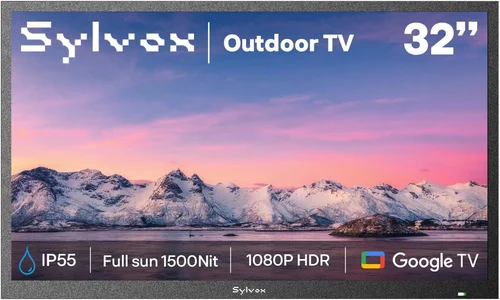
❌ Mistake: Buying an Indoor TV and Putting It in a Weatherproof Enclosure
Why it’s bad: While third-party outdoor enclosures exist, they often trap heat, block infrared signals (rendering remotes useless), and don’t provide true IP-rated protection. Indoor TVs lack the brightness and thermal management needed for outdoor use, leading to premature failure.
What to do instead: Invest in a purpose-built outdoor TV. The integrated design ensures proper ventilation, signal reception, and component longevity.
❌ Mistake: Ignoring Viewing Angle and Glare
Why it’s bad: Even with high brightness, reflections from windows, glass tables, or shiny surfaces can ruin the picture. Wide seating arrangements also suffer from color shift if the TV has poor off-axis performance.
What to do instead: Choose a TV with an anti-glare screen and IPS or VA panel technology that maintains color accuracy at wide angles. Position the TV perpendicular to primary light sources.
❌ Mistake: Overlooking Audio Needs
Why it’s bad: Built-in speakers on outdoor TVs are often muffled and weak. Relying solely on them results in poor dialogue clarity, especially with background noise from traffic or wind.
What to do instead: Plan for external audio from day one. Budget for weather-resistant speakers or a soundbar, and ensure your TV has the necessary audio outputs.
❌ Mistake: Skimping on the Mount
Why it’s bad: A flimsy mount can sag, vibrate in wind, or corrode over time, risking damage to the TV and creating a safety hazard.
What to do instead: Purchase a mount specifically rated for outdoor use and your TV’s weight. Consider stainless steel hardware and professional installation.
❌ Mistake: Not Checking Local Regulations
Why it’s bad: Some homeowners’ associations (HOAs) or municipalities restrict exterior modifications, including TV installations. Electrical work may also require permits.
What to do instead: Review HOA guidelines and consult local building codes before purchasing. Get approvals in writing if needed.
❌ Mistake: Assuming All “Outdoor” TVs Are Equal
Why it’s bad: Marketing terms like “weather-resistant” or “outdoor-ready” are loosely regulated. Some brands repackage indoor models with minimal upgrades.
What to do instead: Verify specifications: look for IP ratings, operating temperature ranges, and independent reviews. Stick to brands with proven outdoor track records.
Budget Guidelines: How Much Should You Spend?
– Entry-Level ($800–$1,500): These are typically shade-only models from brands like TCL or Vizio with basic weatherproofing. Suitable for fully covered, low-light patios. Expect 700–1,000 nits brightness, limited smart features, and 1-year warranties. Great for casual viewers on a tight budget.
– Mid-Range ($1,500–$3,000): The sweet spot for most homeowners. Includes partial-sun TVs from Samsung Terrace, LG, or SunBriteTV’s Veranda series. Offer 1,000–2,000 nits, full smart platforms, IP55 ratings, and 2–3 year warranties. Ideal for covered decks with occasional sun exposure.
– Premium ($3,000–$5,000): Full-sun capable models with 2,000+ nits, advanced anti-reflective coatings, and commercial-grade components. Brands like SunBriteTV Pro and Samsung Terrace QLED dominate here. Perfect for uncovered patios, pool areas, or high-end outdoor bars.
– Luxury ($5,000+): Top-tier displays with OLED-like contrast, 24/7 operation capability, and bespoke installation support. Often used in luxury homes or commercial settings. May include features like built-in heaters for cold climates or custom bezel colors.
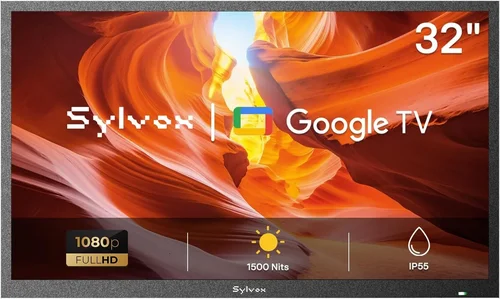
Expert Tips for Getting the Best Deal
– Buy During Off-Season: Prices drop significantly in late fall and winter (October–February) when demand for outdoor gear declines. Retailers often clear inventory before spring.
– Check Manufacturer Refurbished Programs: Brands like Samsung and SunBriteTV sell certified refurbished units at 20–30% off with full warranties. These are thoroughly tested and ideal for budget-conscious buyers.
– Bundle with Accessories: Some retailers offer discounts when you purchase a TV, mount, and speakers together. Look for “outdoor entertainment packages.”
– Negotiate with Local Installers: Many AV specialists carry outdoor TVs and may offer better pricing than big-box stores—especially if you’re bundling installation.
– Read Return Policies Carefully: Outdoor TVs often have stricter return windows (14–30 days vs. 60+ for indoor models). Ensure you can test the TV in your actual environment before committing.
– Use Price Tracking Tools: Set alerts on CamelCamelCamel (for Amazon) or Honey to monitor price drops on specific models.
– Consider Energy Efficiency: Higher brightness means higher power consumption. Look for ENERGY STAR-certified models to reduce long-term costs.
– Verify Compatibility with Your Streaming Setup: If you rely on a specific service (e.g., Apple TV+, FuboTV), confirm the TV’s OS supports it natively to avoid extra hardware.

Frequently Asked Questions
Q: Can I use a regular TV outdoors if it’s under a roof?
A: Technically yes, but it’s not recommended. Even under cover, humidity, temperature swings, and dust can damage internal components over time. Plus, standard TVs lack the brightness needed for comfortable daytime viewing. A purpose-built outdoor TV is a safer, longer-lasting investment.
Q: Do outdoor TVs need special power outlets?
A: Not necessarily, but they should be connected to a GFCI (Ground Fault Circuit Interrupter) outlet for safety, especially in damp locations. Avoid extension cords—run dedicated wiring if needed.
Q: How do I clean an outdoor TV screen?
A: Use a microfiber cloth and distilled water only. Never spray liquid directly on the screen. For stubborn spots, lightly dampen the cloth—not the TV. Avoid ammonia-based cleaners, which can damage anti-reflective coatings.
Q: Will an outdoor TV work in winter?
A: Yes, if it’s rated for cold temperatures. Most quality models operate down to -22°F. However, avoid turning it on immediately after bringing it indoors from extreme cold—let it acclimate first to prevent condensation.
Q: Can I game on an outdoor TV?
A: Absolutely. Many outdoor TVs support HDMI 2.1, VRR (Variable Refresh Rate), and low input lag modes. The Samsung Terrace, for example, is excellent for console gaming on the patio.
Q: Do outdoor TVs come with stands?
A: Some do, but most are designed for wall mounting. Freestanding options exist but are less common. Check the product specs or contact the manufacturer.
Q: How long do outdoor TVs last?
A: With proper care, 7–10 years is typical. Higher-end models with commercial-grade components may last even longer. Regular cleaning and avoiding extreme exposure extends lifespan.
Q: Are outdoor TVs worth the extra cost?
A: If you use your patio frequently—especially for entertaining—the durability, brightness, and reliability justify the premium. For occasional use, a mid-range shade-only model may suffice.
Our Final Recommendations
– Best for Budget-Conscious Buyers: TCL 55″ Class 5-Series Outdoor TV (S5500) – At around $900, this shade-only model delivers solid 1,000-nit brightness, Roku TV integration, and IP55 rating. Perfect for covered patios with minimal sun exposure.
– Best Overall Value: Samsung 65″ Terrace QLED 4K Smart TV (QN65LT5TAFXZA) – Priced around $2,800, this partial-sun powerhouse offers 2,000 nits, Quantum HDR, and seamless SmartThings integration. Ideal for most covered outdoor bars.
– Best Premium Option: SunBriteTV Pro 2 Series 75″ Full-Sun Outdoor TV – At $4,500+, this beast handles direct sunlight with 3,000+ nits, anti-reflective glass, and military-grade durability. Built for serious entertainers.
– Best for Beginners: LG 55″ OLED evo G3 Outdoor Edition – While newer and pricier (~$3,500), its stunning picture quality and user-friendly webOS make it a great entry point for those prioritizing image fidelity.
– Best for Advanced Users: Seura 85″ Ultra Bright Outdoor TV with Integrated Soundbar – A luxury all-in-one solution with 4,000 nits, built-in weatherproof speakers, and custom calibration options. For those who want no compromises.
Conclusion: Making the Right Choice
Choosing the best TV for your patio bar isn’t just about picking the shiniest screen—it’s about matching technology to your environment, usage patterns, and long-term goals. From brightness and weather resistance to audio quality and smart features, every decision impacts your enjoyment. Avoid the temptation to cut corners with indoor TVs or generic “outdoor-ready” claims. Instead, invest in a purpose-built display that’s engineered to thrive outside.
Remember: your outdoor space is an extension of your home. It deserves the same attention to detail and quality. Whether you’re sipping cocktails at sunset or cheering on your team under the stars, the right TV transforms moments into memories.
Take the time to assess your patio’s lighting conditions, seating layout, and entertainment needs. Use this guide as your blueprint. And when you’re ready to buy, prioritize reputable brands, read real user reviews, and don’t hesitate to consult a professional installer.
Your perfect outdoor TV is out there—bright, durable, and ready to elevate every gathering. Make the choice that fits your life, and enjoy the show.

