
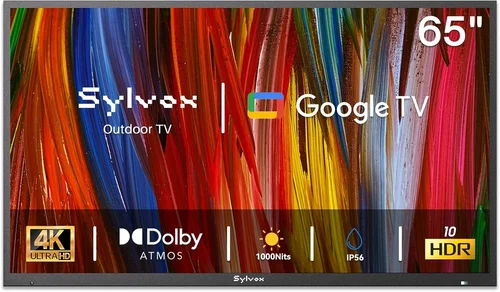
When it comes to transforming your outdoor living space into a true backyard oasis, few upgrades deliver as much entertainment value as a high-quality poolside TV. Whether you’re hosting summer barbecues, relaxing with a movie under the stars, or keeping up with the big game while floating in the pool, having a reliable, weather-resistant television can elevate your entire outdoor experience. But not all TVs are created equal—especially when it comes to enduring the harsh conditions of a large patio environment. From intense sunlight and humidity to splashes, dust, and temperature swings, your poolside TV needs to be built for resilience without sacrificing picture quality or smart functionality.
This comprehensive buying guide is designed to help you navigate the often-confusing world of outdoor TVs and make an informed decision that fits your lifestyle, space, and budget. We’ll walk you through every critical factor—from display technology and weatherproof ratings to sound performance and smart features—so you can confidently choose the best poolside TV for your large patio. Whether you’re a first-time buyer or upgrading from an older model, this guide will arm you with expert insights, real-world advice, and practical tips to ensure you get the most value and enjoyment from your investment. The market has evolved significantly in recent years, with manufacturers now offering purpose-built outdoor models that rival indoor TVs in performance and design.
As we dive deeper into this guide, you’ll learn how to evaluate key specifications like brightness (measured in nits), IP weather resistance ratings, and anti-glare coatings—all essential for outdoor viewing. We’ll also compare different types of outdoor TVs, highlight common pitfalls to avoid, and provide actionable recommendations based on budget and use case. By the end, you’ll have a clear roadmap to selecting a TV that not only survives the elements but delivers stunning visuals and seamless connectivity year-round.

What to Look for When Buying Buying Guide
1. Brightness and Display Quality
One of the most critical factors for any outdoor TV is brightness. Unlike indoor models, which typically operate in controlled lighting, poolside TVs must contend with direct sunlight, reflections off water, and glare from surrounding surfaces. Standard indoor TVs usually range from 250 to 500 nits of brightness—adequate for a dim living room but woefully insufficient for outdoor use. For a large patio, you’ll want a TV with at least 1,500 to 2,500 nits of peak brightness. Some premium models now offer up to 4,000 nits, ensuring crisp, vibrant images even at midday.
In addition to brightness, consider the display technology. Most high-end outdoor TVs use OLED or QLED panels, which provide superior color accuracy, contrast ratios, and viewing angles. OLED excels in deep blacks and infinite contrast, making it ideal for evening viewing, while QLED offers brighter highlights and better performance in direct sunlight. Look for models with anti-reflective or anti-glare coatings to minimize screen washout. Also, ensure the TV supports HDR (High Dynamic Range) formats like HDR10, Dolby Vision, or HLG for richer colors and more detail in both shadows and highlights.
2. Weather Resistance and IP Rating
Outdoor TVs must withstand exposure to rain, humidity, dust, and extreme temperatures. This is where the Ingress Protection (IP) rating becomes essential. The IP rating consists of two numbers: the first indicates protection against solid particles (like dust), and the second against liquids (like water). For poolside use, aim for a minimum of IP55, which means the TV is protected from limited dust ingress and low-pressure water jets from any direction. However, for maximum durability—especially in areas with heavy rain or frequent splashing—opt for IP65 or higher.
Beyond the IP rating, consider the TV’s internal components. High-quality outdoor models often feature sealed cooling systems that prevent moisture from entering while allowing heat to dissipate. Some manufacturers also use corrosion-resistant materials like aluminum or stainless steel in the chassis and mounting hardware. Avoid TVs that rely on external enclosures unless you’re prepared to maintain and replace them regularly. A fully integrated, weatherproof design offers better long-term reliability and aesthetics.
3. Size and Viewing Distance
Choosing the right screen size is crucial for both visual impact and comfort. On a large patio, a TV that’s too small will be difficult to see from a distance, while one that’s too large may overwhelm the space or require an impractical mounting setup. A good rule of thumb is to multiply your viewing distance (in feet) by 0.84 to get the ideal screen diagonal in inches. For example, if your seating area is 12 feet from the TV, a 100-inch screen (12 × 0.84 ≈ 100.8) would be optimal.
However, don’t forget to account for ambient light. In bright conditions, a larger screen with higher brightness will perform better than a smaller, dimmer one. Also, consider the TV’s aspect ratio and bezel design. Slim bezels maximize screen real estate and create a more immersive experience, especially when mounted near pool edges or outdoor kitchens. For large patios, 75-inch to 85-inch models are increasingly popular, offering cinematic scale without requiring a dedicated theater room.
4. Smart Features and Connectivity
Modern outdoor TVs are no longer just displays—they’re full-fledged smart entertainment hubs. Look for models running Android TV, webOS, or Roku, which offer access to streaming services like Netflix, Disney+, Hulu, and YouTube. Built-in Wi-Fi (preferably dual-band 2.4GHz and 5GHz) ensures stable streaming, even at a distance from your router. Some premium models also include Bluetooth connectivity for wireless audio to outdoor speakers or headphones.
Connectivity ports are equally important. Ensure the TV has multiple HDMI ports (at least 3–4), USB inputs, and an Ethernet port for wired internet. This allows you to connect devices like gaming consoles, soundbars, streaming sticks, or cable boxes. For added convenience, look for voice control compatibility with Alexa, Google Assistant, or Siri, enabling hands-free operation—perfect when you’re lounging poolside with wet hands.
5. Audio Performance
While many outdoor TVs come with built-in speakers, they’re often underpowered and lack the depth needed for open-air environments. Sound dissipates quickly outdoors, and background noise from water features, wind, or nearby traffic can drown out dialogue. For a truly immersive experience, consider a TV with dedicated audio outputs (optical, HDMI ARC, or 3.5mm) to connect to external speakers or a soundbar.
Some high-end models feature enhanced audio systems with multiple drivers, subwoofers, or Dolby Atmos support. However, even these may struggle in large spaces. For best results, pair your TV with weather-resistant outdoor speakers strategically placed around the patio. Wireless options like Sonos Move or Bose SoundLink are excellent for flexibility, while wired in-ground or wall-mounted speakers offer consistent performance. Always test audio at your intended volume level before finalizing your setup.
6. Mounting and Installation
Proper mounting is essential for both safety and viewing comfort. Outdoor TVs should be installed at a height that allows for comfortable viewing from seated or reclined positions—typically 42 to 60 inches from the ground to the center of the screen. On a large patio, consider a full-motion or tilt wall mount to adjust the angle based on sun position or seating arrangement.
Ensure the mounting surface is sturdy enough to support the TV’s weight, especially in windy areas. Concrete, brick, or reinforced wood beams are ideal. Avoid mounting on thin siding or pergolas unless they’re structurally reinforced. Some manufacturers offer custom outdoor mounting kits designed specifically for their models, which include corrosion-resistant hardware and cable management systems. Professional installation is highly recommended, particularly for larger screens or complex setups involving in-wall wiring or weatherproof conduits.
7. Energy Efficiency and Heat Management
Outdoor TVs often run for extended periods, especially during summer months, making energy efficiency a key consideration. Look for models with Energy Star certification or low power consumption ratings (typically under 200 watts for 75-inch models). LED backlighting is standard and more efficient than older CCFL technology, but newer mini-LED or micro-LED variants offer even better efficiency and brightness control.
Heat management is another critical factor. Prolonged exposure to sunlight can cause internal components to overheat, leading to performance degradation or failure. High-quality outdoor TVs incorporate passive cooling systems—such as heat sinks and ventilation channels—that operate silently without fans. Avoid models with active cooling (fans), as they can introduce noise and are more prone to mechanical failure. Some premium units also feature thermal sensors that automatically adjust brightness or shut down if temperatures exceed safe limits.
8. Brand Reputation and Warranty
Not all outdoor TV brands are created equal. Stick with manufacturers known for reliability, innovation, and customer support. Top-tier brands like SunBriteTV, Samsung (The Terrace), LG (OLED Flex), and Seura have established themselves as leaders in the outdoor display market. These companies invest heavily in R&D to ensure their products meet rigorous environmental standards.
Warranty coverage is equally important. Most reputable brands offer 3- to 5-year limited warranties that cover defects, weather damage, and component failure. Some even provide on-site service or loaner units during repairs. Avoid no-name or generic brands that offer only 1-year warranties or none at all. Always read the fine print—some warranties require professional installation or registration within a certain timeframe to remain valid.
Different Types of Buying Guide

Common Buying Mistakes to Avoid
❌ Mistake: Buying an Indoor TV for Outdoor Use
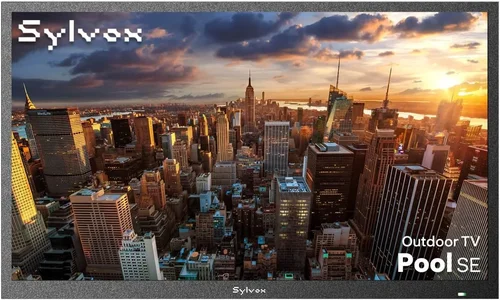
Why it’s bad: Indoor TVs lack the brightness, weatherproofing, and thermal management needed for outdoor environments. They can overheat, suffer from screen glare, and fail prematurely due to moisture or dust ingress. In extreme cases, using an indoor TV outside may void the warranty or create safety hazards.
What to do instead: Invest in a purpose-built outdoor TV or use a high-quality outdoor enclosure designed for your specific model. If budget is a concern, consider a partial-shade model for covered areas.
❌ Mistake: Ignoring the IP Rating
Why it’s bad: Without a proper IP rating, your TV is vulnerable to water damage, even from light splashes or humidity. A low or unspecified rating often indicates poor sealing and subpar construction.
What to do instead: Always check the IP rating and verify it meets or exceeds IP55 for poolside use. Look for independent certifications or testing documentation from the manufacturer.
❌ Mistake: Overlooking Viewing Angles
Why it’s bad: On a large patio, viewers may be seated at various angles—side, diagonal, or elevated. TVs with narrow viewing angles can appear washed out or distorted when viewed off-center, ruining the experience for guests.
What to do instead: Choose a TV with wide viewing angles (at least 178 degrees horizontal and vertical). OLED and IPS panels typically perform better than VA panels in this regard.
❌ Mistake: Skimping on Audio
Why it’s bad: Poor sound quality can make dialogue unintelligible and diminish immersion, especially with background noise from the pool or environment. Relying solely on built-in speakers often leads to disappointment.
What to do instead: Plan for external audio from the start. Invest in weather-resistant speakers or a soundbar, and ensure your TV has the necessary audio outputs.
❌ Mistake: Improper Mounting
Why it’s bad: Incorrect mounting can lead to instability, screen tilt, or even collapse in high winds. It can also create glare issues or obstruct views.
What to do instead: Use a certified outdoor mount and consult a professional installer. Ensure the wall or structure can support the weight and that cables are properly routed and protected.
❌ Mistake: Not Considering Future Upgrades
Why it’s bad: Technology evolves quickly. A TV with limited ports or outdated software may become obsolete sooner, requiring premature replacement.
What to do instead: Choose a model with modern connectivity (HDMI 2.1, USB-C, Wi-Fi 6) and regular firmware updates. This extends the TV’s lifespan and keeps it compatible with new devices.
Budget Guidelines: How Much Should You Spend?
- Entry-Level ($1,000 – $2,000): These are typically partial-shade models or indoor TVs in basic enclosures. Expect lower brightness (800–1,200 nits), limited smart features, and shorter warranties. Best for covered patios with minimal sun exposure.
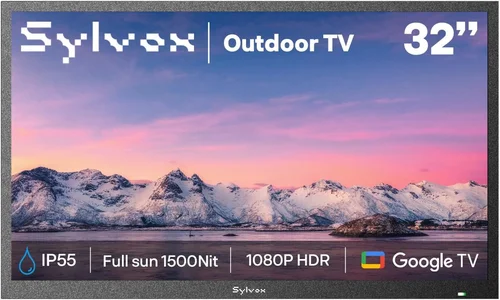
- Mid-Range ($2,000 – $4,000): The sweet spot for most homeowners. These TVs offer 1,500–2,500 nits brightness, IP55 or higher ratings, robust smart platforms, and solid audio outputs. Ideal for large patios with mixed sun and shade.
- Premium ($4,000 – $7,000): Designed for full sun and harsh conditions. Features include 3,000+ nits brightness, OLED/QLED panels, advanced cooling, and premium materials. Often include extended warranties and professional installation support.
- Luxury ($7,000+): Top-tier models with commercial-grade durability, ultra-bright displays, modular designs, and custom integration options. Perfect for luxury homes, resorts, or tech enthusiasts who demand the absolute best.
Expert Tips for Getting the Best Deal
- Shop during off-seasons: Prices on outdoor TVs often drop in late fall and winter when demand is lower. Look for holiday sales around Black Friday or end-of-year clearance events.
- Compare bundled packages: Some retailers offer TVs with mounts, speakers, or extended warranties at a discount. These can save you money versus buying items separately.
- Check manufacturer rebates: Brands like Samsung and SunBriteTV occasionally offer mail-in rebates or trade-in programs for older models.
- Read professional reviews: Sites like CNET, RTINGS.com, and Outdoor Electronics Review provide in-depth testing on brightness, durability, and real-world performance.
- Negotiate with local installers: If you’re hiring a professional, ask if they offer package deals on TV + installation. Some may discount labor if you purchase the TV through them.
- Verify return policies: Ensure the retailer allows returns within 30–60 days, especially if you’re unsure about size or compatibility.
- Test in person if possible: Visit a showroom to evaluate brightness, color, and build quality under simulated outdoor lighting.

Frequently Asked Questions
Q: Can I use a regular TV outdoors if it’s under a covered patio?
A: While possible, it’s not recommended for long-term use. Even under cover, humidity, temperature swings, and occasional splashes can damage internal components. A partial-shade outdoor TV is a safer, more reliable choice.
Q: How do I protect my outdoor TV from theft?
A: Use a lockable mount, install motion-sensor lighting, and consider a security camera. Some high-end models also offer built-in anti-theft features like tamper alerts.
Q: Do outdoor TVs consume more power than indoor ones?
A: Not necessarily. Modern outdoor TVs are designed for efficiency. However, higher brightness settings will increase power usage. Look for Energy Star-rated models to minimize impact.
Q: Can I leave my outdoor TV on all day?
A: Yes, but only if it’s rated for 24/7 operation. Most consumer outdoor TVs can handle extended use, but avoid leaving them on during storms or extreme weather.
Q: What’s the difference between IP55 and IP65?
A: IP55 protects against dust and low-pressure water jets. IP65 offers complete dust protection and resistance to stronger water spray, making it better for poolside use.
Q: Do I need a special remote for outdoor use?
A: Most outdoor TVs come with standard remotes, but consider a RF (radio frequency) remote that doesn’t require line-of-sight, or use a smartphone app for control.
Q: How often should I clean my outdoor TV?
A: Wipe the screen and exterior monthly with a microfiber cloth and mild cleaner. Avoid abrasive materials or ammonia-based cleaners that can damage coatings.
Q: Can I connect a gaming console to an outdoor TV?
A: Absolutely. Ensure the TV has HDMI 2.1 for 4K/120Hz gaming and low input lag. Some models even support VRR (Variable Refresh Rate) for smoother gameplay.
Q: Are outdoor TVs compatible with smart home systems?
A: Many are. Look for models that support Matter, Zigbee, or direct integration with platforms like Google Home, Alexa, or Apple HomeKit.
Q: What happens if my outdoor TV gets rained on?
A: If it’s properly rated (IP55 or higher), it should be fine. However, avoid spraying water directly on vents or ports. Always follow the manufacturer’s care instructions.
Our Final Recommendations
- Best for Budget-Conscious Buyers: SunBriteTV Veranda Series (55-inch) – Offers excellent brightness (1,500 nits), IP55 rating, and reliable performance at under $2,500. Ideal for covered patios.
- Best Overall Value: Samsung The Terrace (75-inch) – Combines QLED brilliance, 2,500 nits brightness, and robust smart features. Priced around $4,500, it’s a standout for large patios.
- Best Premium Option: LG OLED Flex (83-inch) – Features self-lit OLED pixels, 3,000+ nits brightness, and a sleek, weatherproof design. Perfect for luxury outdoor spaces.
- Best for Beginners: Seura Shade Series (65-inch) – Easy setup, intuitive interface, and strong customer support. Great for first-time outdoor TV buyers.
- Best for Advanced Users: SunBriteTV Pro Series (86-inch) – Built for extreme conditions with 4,000 nits brightness, modular design, and 24/7 operation capability. Ideal for tech-savvy homeowners.
Conclusion: Making the Right Choice
Choosing the best poolside TV for your large patio is about more than just screen size or brand name—it’s about finding a balance between performance, durability, and value. By prioritizing brightness, weather resistance, smart features, and proper installation, you can create an outdoor entertainment experience that rivals any indoor setup. Remember to assess your specific environment: Is your patio fully exposed or partially shaded? How far will viewers be from the screen? What’s your budget for both the TV and supporting accessories?
Don’t rush the decision. Take time to compare models, read reviews, and consult with professionals if needed. A well-chosen outdoor TV will not only enhance your summer gatherings but also add long-term value to your home. Whether you’re watching the sunset with a movie or cheering on your favorite team, the right TV will make every moment more immersive and enjoyable.
Ultimately, the best poolside TV is the one that fits your lifestyle, withstands the elements, and delivers consistent performance year after year. Use this guide as your roadmap, and you’ll be well on your way to transforming your backyard into the ultimate outdoor retreat.

