
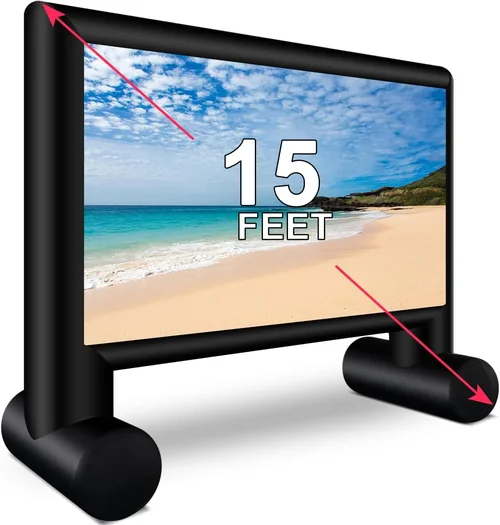
Backyard movie nights have evolved from simple projector setups to full-scale outdoor entertainment experiences, and the centerpiece of that transformation is the poolside TV. Whether you’re floating in the water, lounging on a floatie, or kicking back on a patio chair, having a high-quality television visible from every angle makes all the difference. But not just any TV will do—poolside environments present unique challenges: intense sunlight, humidity, splashing water, and temperature swings. That’s why choosing the right TV for your backyard oasis isn’t just about picture quality—it’s about durability, visibility, and smart design.
This comprehensive buying guide is designed to help you navigate the crowded market of outdoor TVs and find the perfect model for your poolside setup. We’ll break down everything you need to know, from essential performance specs to weather resistance ratings, budget considerations, and real-world usability. Whether you’re a first-time buyer or upgrading from an older model, this guide will arm you with expert insights so you can make a confident, informed decision. By the end, you’ll understand exactly what features matter most, how to avoid common pitfalls, and which models deliver the best value for your needs.
The outdoor TV market has grown significantly in recent years, driven by increased demand for outdoor living spaces and home entertainment. Major brands like Samsung, LG, Sony, and specialized outdoor manufacturers such as SunBriteTV and Seura now offer models specifically engineered for exterior use. These aren’t just regular TVs shoved into weatherproof boxes—they’re purpose-built with anti-glare screens, enhanced brightness, robust enclosures, and advanced cooling systems. With options ranging from compact 43-inch displays to massive 85-inch behemoths, there’s something for every backyard setup. Let’s dive into what makes a poolside TV truly exceptional.
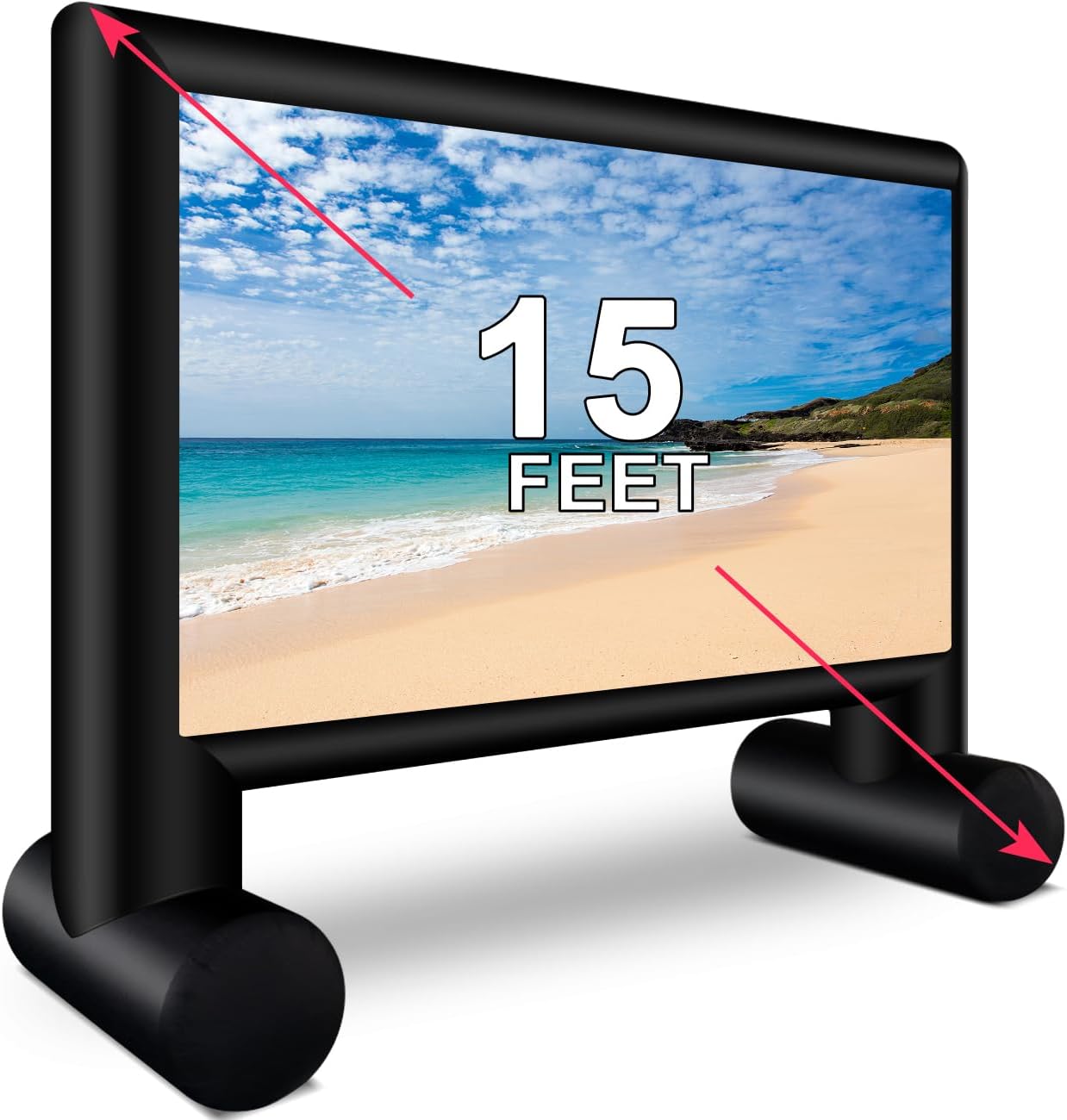
What to Look for When Buying Buying Guide
1. Brightness & Anti-Glare Performance
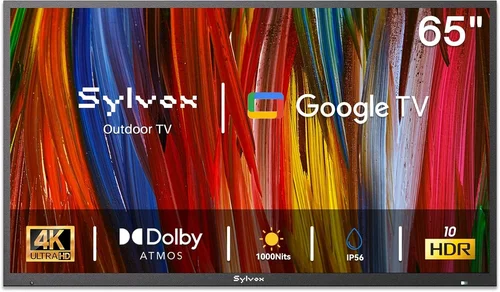
When it comes to poolside viewing, brightness isn’t just a nice-to-have—it’s essential. Standard indoor TVs typically peak around 300–500 nits, which is fine for dimly lit rooms but completely inadequate under direct sunlight. For outdoor use, especially near reflective surfaces like water, you’ll want a TV with a minimum brightness of 700 nits, though 1,000+ nits is ideal. High brightness ensures that colors remain vibrant and details stay sharp even at midday.
Equally important is anti-glare technology. Look for TVs with matte or optically bonded screens that diffuse reflections rather than amplifying them. Some premium models use proprietary coatings (like Samsung’s Anti-Reflection or LG’s Ultra Brightness Layer) to minimize glare without sacrificing contrast. Without proper glare control, even the brightest screen can become unwatchable when the sun hits it at certain angles.
2. Weather Resistance & IP Rating
Water and electronics don’t mix—unless the electronics are built to handle it. Poolside TVs must withstand splashes, humidity, rain, dust, and even occasional submersion (if mounted near fountains or water features). The key metric here is the Ingress Protection (IP) rating, which indicates how well a device resists solids and liquids.
For poolside use, aim for at least an IP55 rating (protected against low-pressure water jets and limited dust ingress). However, IP65 or higher is strongly recommended—this means the TV is dust-tight and can handle water projected from any direction. Note that the IP rating applies to the entire unit, including vents, ports, and mounting hardware. Some manufacturers also use conformal coating on internal components to prevent corrosion from salt air or chlorine mist, which is especially valuable in coastal or heavily used pool areas.
Also consider the operating temperature range. Most outdoor TVs function between -22°F and 122°F (-30°C to 50°C), but check the specs carefully if you live in extreme climates. Freezing temperatures can damage LCD panels, while excessive heat may trigger thermal shutdowns.
3. Screen Size & Viewing Distance
Choosing the right screen size depends more on your seating arrangement than personal preference. For poolside viewing, people are often spread out—some in the water, others on loungers 10–20 feet away. A general rule of thumb: for every 1.5 to 2.5 feet of viewing distance, you should have 1 inch of screen diagonal. So if your farthest viewer is 15 feet away, a 60–75 inch TV is ideal.
That said, don’t go too big too fast. An oversized TV can overwhelm a small patio or create uncomfortable viewing angles. Conversely, a TV that’s too small will force viewers to squint, especially in bright conditions. Consider mounting height as well—ideally, the center of the screen should be at eye level when seated or floating. Many outdoor TVs come with tiltable or full-motion mounts to fine-tune positioning.
If space is tight, consider a 43–50 inch model for intimate gatherings, or opt for a dual-zone setup with smaller secondary screens near seating areas.
4. Build Quality & Durability
Outdoor TVs aren’t just exposed to the elements—they’re also subject to vibrations from pool pumps, wind, and accidental bumps. That’s why build quality matters immensely. Look for ruggedized aluminum or powder-coated steel housings that resist rust and UV degradation. Avoid plastic enclosures unless they’re specifically rated for outdoor use (most aren’t).
Internal components should be sealed and thermally managed. Passive cooling (no fans) is preferable near pools, as fans can suck in moisture and debris. Instead, look for heat-dissipating designs with large surface areas or integrated heat sinks. Some models even include internal heaters for cold-weather operation.
Mounting hardware is another durability factor. Ensure the TV comes with or is compatible with heavy-duty, corrosion-resistant brackets. Stainless steel screws and anchors are a must. If you’re mounting on a pergola or wooden beam, verify weight limits and structural integrity beforehand.
5. Smart Features & Connectivity
Today’s outdoor TVs aren’t just dumb displays—they’re full-fledged smart platforms. Built-in Wi-Fi, Bluetooth, and streaming apps (Netflix, YouTube, Disney+, etc.) let you cut the cord and enjoy content without running long HDMI cables across your yard. Look for models with updated operating systems (like webOS, Tizen, or Android TV) that receive regular software updates.
Connectivity options are crucial too. At minimum, you’ll want multiple HDMI ports (preferably HDMI 2.1 for future-proofing), USB inputs, and an Ethernet port for stable wired internet. Some premium models include wireless screen mirroring (Miracast, AirPlay 2) and voice control via Alexa or Google Assistant.
For movie nights, audio matters. While most outdoor TVs have decent built-in speakers, they often lack bass and volume for open-air environments. Consider pairing your TV with waterproof Bluetooth speakers or a dedicated outdoor soundbar. Alternatively, choose a model with optical audio out or ARC (Audio Return Channel) to connect to an external audio system.
6. Brand Reputation & Specialization
Not all TV brands are created equal when it comes to outdoor performance. While mainstream manufacturers like Samsung and LG offer solid “outdoor-ready” models, companies like SunBriteTV, Seura, and Avid Power specialize exclusively in exterior displays. These brands have spent years refining their designs for real-world conditions and often include features you won’t find elsewhere—like front-facing speakers (to prevent sound muffling from enclosures) or modular designs for easy servicing.
Research customer support and service networks. If something goes wrong, you’ll want quick access to repairs or replacements. Brands with dedicated outdoor divisions usually provide better warranty coverage and technical expertise. Read user forums and professional reviews to gauge long-term reliability—some models look great on paper but develop issues after a few seasons.
7. Warranty & Support
A robust warranty is non-negotiable for outdoor electronics. Standard indoor TVs often come with 1-year limited warranties, but poolside models should offer at least 2–3 years, with extended options available. Look for coverage that includes both parts and labor, and confirm whether on-site service is offered in your area.
Pay attention to what’s excluded. Some warranties void coverage if the TV is installed incorrectly or exposed to conditions beyond its rating (e.g., submersion). Others require professional installation for validity. Keep all documentation and consider registering your product immediately after purchase.
Customer support responsiveness is another key factor. Can you reach a human quickly? Are troubleshooting guides available online? Do they offer remote diagnostics? These details can save you days of frustration if an issue arises.
8. Size & Portability (If Applicable)
While most poolside TVs are permanently mounted, some homeowners prefer portable options for flexibility—say, moving the TV from the pool deck to the garage or backyard shed. In these cases, weight and handle design become important. Look for models under 50 pounds with integrated carrying handles or wheeled carts.
Portable outdoor TVs often sacrifice some durability for mobility, so ensure they still meet IP55+ standards and have sturdy stands. Battery-powered options exist but are rare and typically limited to smaller screens (under 55 inches) with shorter runtimes. For true portability without cords, consider a high-brightness projector instead—but that’s a different conversation.
Different Types of Buying Guide

Common Buying Mistakes to Avoid
❌ Mistake: Buying a Standard Indoor TV for Outdoor Use
Why it’s bad: Indoor TVs lack the brightness, weather resistance, and thermal management needed for outdoor environments. Even under cover, humidity and temperature swings can cause condensation, screen fogging, or component failure within months.
What to do instead: Invest in a TV specifically designed for outdoor use. If budget is tight, pair a mid-range indoor TV with a certified weatherproof enclosure—but never skip protection entirely.
❌ Mistake: Ignoring Viewing Angles
Why it’s bad: Poolside viewers are rarely seated directly in front of the screen. Wide seating arrangements mean many people watch from extreme angles, where colors wash out and contrast drops on standard LCDs.
What to do instead: Choose a TV with IPS or OLED panel technology, which maintains color accuracy and brightness even at 178-degree angles. Avoid VA panels unless viewing is strictly frontal.
❌ Mistake: Overlooking Audio Needs
Why it’s bad: Water absorbs sound, and open spaces dissipate audio quickly. Relying solely on built-in TV speakers results in muffled dialogue and weak immersion—especially during action scenes or musicals.
What to do instead: Plan for external audio from day one. Waterproof Bluetooth speakers, buried subwoofers, or wired outdoor sound systems dramatically improve the experience.
❌ Mistake: Skimping on Mounting Hardware
Why it’s bad: Cheap mounts rust, loosen over time, or can’t handle wind loads. A fallen TV isn’t just expensive—it’s a safety hazard near water.
What to do instead: Use marine-grade stainless steel mounts rated for your TV’s weight plus a 2x safety factor. Consult a structural engineer if mounting on unconventional surfaces.
❌ Mistake: Not Planning for Power & Cables
Why it’s bad: Running extension cords across wet surfaces creates tripping and electrocution risks. Exposed cables degrade quickly in UV light and moisture.
What to do instead: Hire an electrician to install GFCI-protected outdoor outlets near the TV. Use in-ground conduit for permanent cable runs, and choose UV-resistant, waterproof cable covers for temporary setups.
❌ Mistake: Assuming All “Outdoor” TVs Are Equal
Why it’s bad: Marketing terms like “weather-resistant” or “sunlight-readable” can be misleading. Some models are only suitable for covered areas, while others handle full sun.
What to do instead: Read the fine print. Check IP ratings, brightness specs, and operating temperature ranges. When in doubt, contact the manufacturer directly.
❌ Mistake: Neglecting Software Updates
Why it’s bad: Smart TVs rely on software for security, app compatibility, and performance. Outdated firmware can lead to crashes, slow loading, or vulnerability to hacking.
What to do instead: Enable automatic updates and check for firmware patches quarterly. Some brands offer remote diagnostics—use them.
Budget Guidelines: How Much Should You Spend?
Entry-Level ($600–$1,200): At this tier, you’ll find partial-shade outdoor TVs or indoor models in basic enclosures. Expect 50–55 inch screens, 500–700 nits brightness, and IP54 ratings. Ideal for covered patios with minimal direct sun. Brands like TCL and Hisense offer decent value here, but prioritize enclosures with good ventilation.
Mid-Range ($1,200–$2,500): This is the sweet spot for most pool owners. You’ll get true all-weather TVs with 700–1,000+ nits brightness, IP55+ ratings, and robust smart platforms. Models from SunBriteTV’s Veranda series or Samsung’s The Terrace deliver excellent reliability and picture quality. Expect 55–75 inch options with solid warranties.
Premium ($2,500–$4,500): For enthusiasts who want the best, premium models offer 1,000+ nits brightness, OLED or QLED panels, front-facing speakers, and advanced thermal management. These TVs perform flawlessly in full sun and last 7–10 years with proper care. Seura’s Shadow Series and LG’s Outdoor OLED are top contenders.
Luxury ($4,500+): Commercial-grade displays built for 24/7 operation. Think 85-inch 4K HDR screens with 2,000+ nits brightness, vandal-resistant casings, and enterprise-level support. Perfect for luxury homes, hotels, or public venues. Expect custom installation and 5-year+ warranties.
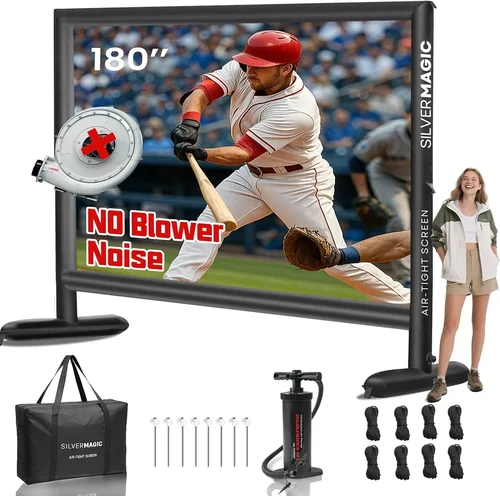
Expert Tips for Getting the Best Deal
- Buy in Spring or Fall: Demand peaks in summer, so prices drop in shoulder seasons. Look for Memorial Day, Labor Day, or Black Friday sales—many retailers offer 15–25% off outdoor electronics.
- Shop Specialized Retailers: Big-box stores may not carry true outdoor TVs. Try Crutchfield, Abt Electronics, or Outdoor TV Direct for better selection and expert advice.
- Bundle with Installation: Some companies offer free or discounted professional installation with purchase. This ensures proper mounting, wiring, and warranty compliance.
- Check for Rebates: Utility companies sometimes offer rebates for energy-efficient outdoor electronics. LG and Samsung models often qualify.
- Negotiate Extended Warranties: Ask if the retailer will match or beat the manufacturer’s warranty. Some will include free extended coverage during promotions.
- Test Before You Buy: If possible, visit a showroom with outdoor displays. Compare brightness, color accuracy, and menu navigation under bright lights.
- Read Return Policies Carefully: Outdoor TVs often have restocking fees or shorter return windows due to their specialized nature. Ensure you can return within 30 days if unsatisfied.
- Consider Refurbished Models: Certified pre-owned outdoor TVs from reputable sellers can save 20–30% with full warranties intact.
Frequently Asked Questions
Q: Can I use a regular TV by the pool if it’s under a roof?
A: Technically yes, but it’s risky. Even under cover, humidity, splashes, and temperature swings can damage internal components over time. For reliable, long-term use, an outdoor-rated TV or enclosure is strongly recommended.
Q: Do outdoor TVs consume more power?
A: Not necessarily. While they may have brighter backlights, modern outdoor TVs use efficient LED panels and smart power management. Many are ENERGY STAR certified. Actual consumption depends more on screen size and usage patterns than outdoor design.
Q: How do I clean an outdoor TV screen?
A: Use a microfiber cloth and distilled water only. Never spray liquid directly on the screen—dampen the cloth instead. Avoid ammonia-based cleaners, which can damage anti-reflective coatings.
Q: Can I leave my outdoor TV on during rain?
A: Yes, if it has an IP55 or higher rating. These TVs are designed to operate safely in wet conditions. However, avoid spraying water directly into vents or ports.
Q: Will an outdoor TV work in winter?
A: Most models operate down to -22°F (-30°C), but performance may degrade in extreme cold. Some include internal heaters to maintain optimal temperature. Always check the spec sheet for your climate.
Q: Do I need a special antenna for outdoor TV?
A: Not usually. Most outdoor TVs include standard tuners for over-the-air broadcasts. For best reception, mount an outdoor antenna on your roof or pergola, away from metal structures.
Q: Can I stream Netflix on an outdoor TV?
A: Absolutely. As long as the TV has Wi-Fi and a smart platform (like Android TV or webOS), you can download and use all major streaming apps just like indoors.
Q: How long do outdoor TVs last?
A: With proper care, 7–10 years is typical. Factors like climate, usage frequency, and maintenance affect lifespan. Regular cleaning and firmware updates help prolong usability.
Q: Are outdoor TVs worth the extra cost?
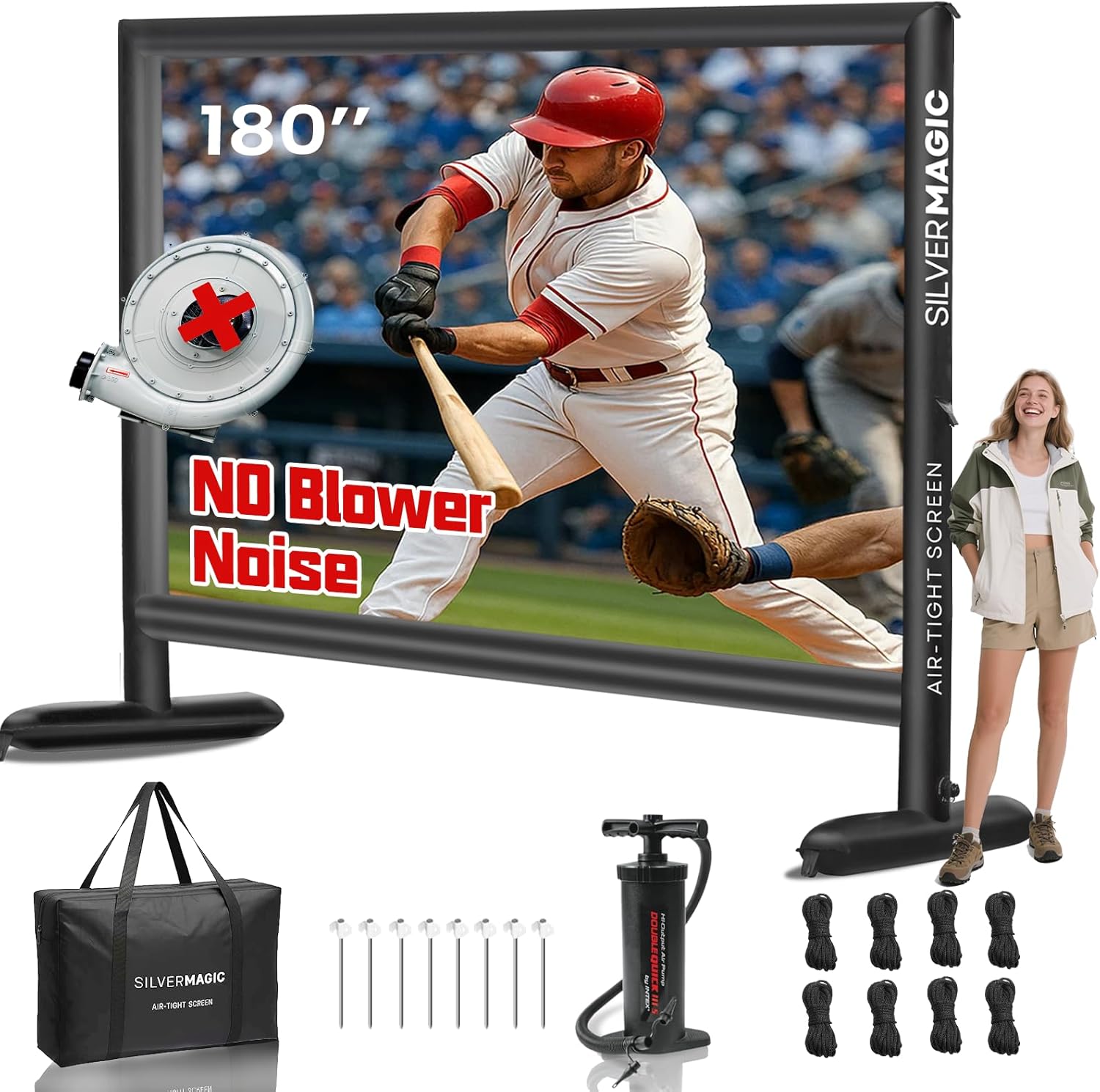
A: If you use your pool area regularly for entertainment, yes. The improved visibility, durability, and peace of mind justify the investment. For occasional use, a projector or portable screen might be more economical.
Q: Can I mount an outdoor TV on a brick wall?
A: Yes, but use masonry anchors and ensure the wall can support the weight. Consult a contractor if unsure. Avoid mounting near water jets or sprinkler heads.
Our Final Recommendations
Best for Budget-Conscious Buyers: SunBriteTV Veranda Series (55-inch) – At around $1,400, this model offers true all-weather performance, 700 nits brightness, and a 3-year warranty. Perfect for covered pool areas with occasional sun exposure.
Best Overall Value: Samsung The Terrace (65-inch) – Priced near $2,200, it delivers 1,200 nits brightness, anti-glare QLED display, and robust smart features. Ideal for mixed sun/shade environments and frequent use.
Best Premium Option: Seura Shadow Series (75-inch OLED) – With 1,500 nits brightness, perfect blacks, and front-facing speakers, this $4,000+ TV is built for luxury backyard cinemas. Unmatched picture quality in any light.
Best for Beginners: LG 55-inch Outdoor Smart TV (Partial-Shade Model) – User-friendly webOS interface, easy setup, and reliable performance under eaves or pergolas. Great entry point at ~$1,100.
Best for Advanced Users: Avid Power Pro 85-inch Commercial Display – Designed for 24/7 operation, this beast handles full sun, extreme temps, and heavy use. Includes remote monitoring and modular repair options. For serious entertainers only.
Conclusion: Making the Right Choice
Choosing the best poolside TV isn’t just about picking the shiniest screen—it’s about matching technology to your environment, usage habits, and long-term goals. Brightness, weather resistance, and smart features form the foundation, but don’t overlook audio, mounting, and support. Remember: a TV that fails after one season costs more in frustration than a reliable model that lasts a decade.
Prioritize your must-haves. If you host weekly movie nights under the stars, invest in a premium all-weather display. If you only watch occasionally under cover, a mid-range partial-shade model will suffice. And always plan for the unexpected—humidity, storms, curious kids, and enthusiastic splashing are part of the poolside experience.
Take your time, compare specs, read real user reviews, and don’t hesitate to consult professionals for installation. Your backyard oasis deserves entertainment that’s as resilient as it is immersive. With the right TV, every sunset can turn into a cinematic event—right from the comfort of your floatie.

