
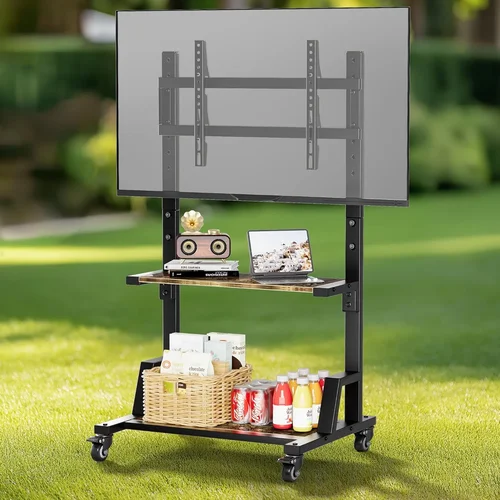
Outdoor living spaces have evolved far beyond simple patios with a grill and a few chairs. Today’s homeowners are transforming their backyards, decks, and rooftop terraces into fully functional entertainment zones—complete with outdoor kitchens, sound systems, and yes, even televisions. But when it comes to mounting a TV outside, especially in windy areas, the challenges multiply. A standard indoor TV simply won’t cut it. Wind, weather, temperature swings, and exposure to the elements demand specialized equipment built to endure.
That’s where this guide comes in. Whether you’re battling coastal gusts, mountain breezes, or urban wind tunnels between tall buildings, choosing the right patio TV isn’t just about picture quality—it’s about safety, durability, and long-term performance. In this comprehensive buying guide, we’ll walk you through everything you need to know to make an informed decision. You’ll learn how to evaluate build quality, understand weatherproof ratings, assess mounting solutions for high-wind environments, and compare top models that stand up to Mother Nature’s fury. We’ll also cover budget considerations, common pitfalls, and expert tips to help you get the best value without compromising on reliability.
The market for outdoor TVs has grown significantly in recent years, driven by advances in display technology and increased demand for outdoor entertainment. Brands like Samsung, LG, SunBriteTV, and Seura now offer purpose-built outdoor models designed to resist moisture, dust, extreme temperatures, and—critically—wind forces. However, not all “outdoor” TVs are created equal. Some are merely weather-resistant enclosures for indoor TVs, while others are fully integrated systems engineered from the ground up for exterior use. This guide cuts through the marketing noise to help you identify which features truly matter when wind is a factor. By the end, you’ll be equipped with the knowledge to choose a patio TV that delivers stunning visuals season after season, no matter how hard the wind blows.

What to Look for When Buying Buying Guide
1. Weatherproof Rating (IP Rating)
When shopping for a patio TV in a windy area, the first thing to check is its Ingress Protection (IP) rating. This two-digit code tells you exactly how well the TV resists dust and water—both of which can be whipped up by strong winds. For example, an IP55 rating means the TV is protected against limited dust ingress and low-pressure water jets from any direction. However, for truly windy or coastal environments, you’ll want at least an IP65 or higher rating. IP65 offers complete dust protection and resistance to powerful water jets, making it ideal for areas where wind-driven rain is common.
Don’t confuse IP ratings with vague terms like “weather-resistant” or “all-weather.” Those labels are unregulated and often misleading. Always look for the specific IP code on the product specifications. Additionally, consider that wind can carry salt spray, pollen, and debris—so a higher IP rating ensures internal components stay clean and dry. Some premium models even feature sealed cooling systems that prevent condensation buildup during temperature shifts, which is crucial in regions with fluctuating weather patterns.
2. Wind Resistance & Mounting Stability
Wind doesn’t just affect the TV’s electronics—it puts physical stress on the entire setup. A poorly mounted TV can become a dangerous projectile in high winds, especially if installed on a freestanding pole or lightweight wall bracket. Look for TVs specifically engineered with wind resistance in mind. These models often come with reinforced chassis designs and are tested to withstand wind speeds of 90+ mph. More importantly, the mounting system matters just as much as the TV itself.
Opt for heavy-duty, corrosion-resistant mounts made from marine-grade aluminum or powder-coated steel. Full-motion articulating arms may offer flexibility but can act like sails in strong gusts—avoid them unless they’re explicitly rated for high-wind conditions. Instead, choose low-profile, fixed or tilt-only mounts that minimize surface area exposed to wind. Many manufacturers provide wind load calculations based on TV size and mount type—always verify these specs match your local wind zone requirements (check your building codes or consult a structural engineer if unsure).
3. Screen Brightness & Anti-Glare Technology
Outdoor viewing means fighting glare from sunlight, reflections off nearby surfaces, and even ambient light bouncing off wet pavement after a storm. Standard indoor TVs typically max out at 300–400 nits of brightness—far too dim for daytime use outside. For windy areas, which often coincide with open, exposed locations like beaches or hilltops, you’ll need a TV with at least 700 nits, but ideally 1,000+ nits for clear visibility under direct sun.
Look for models with anti-reflective coatings and optically bonded screens. Optical bonding fuses the glass directly to the LCD panel, eliminating the air gap that causes reflections and improving contrast in bright conditions. Some premium outdoor TVs also feature automatic brightness sensors that adjust screen luminance based on ambient light—a handy feature when clouds roll in suddenly during a windy afternoon. Avoid glossy finishes; matte or semi-gloss anti-glare screens perform far better in real-world outdoor settings.
4. Temperature Tolerance & Thermal Management
Windy areas often experience rapid temperature changes—think cold ocean breezes one hour and warm afternoon sun the next. Indoor TVs aren’t built to handle these extremes and can suffer from overheating in summer or failure to start in winter. True outdoor TVs are engineered with wide operating temperature ranges, typically from -30°F to 120°F (-34°C to 49°C), ensuring reliable performance year-round.
Key to this resilience is advanced thermal management. Look for passive cooling systems (no fans, which can suck in dust and moisture) that use heat-dissipating materials and strategic venting. Some models include internal heaters for cold climates, preventing LCD fluid from thickening in freezing temps. Avoid TVs that rely on active cooling unless they’re explicitly sealed and rated for outdoor use—fans are a common point of failure in harsh environments.
5. Build Quality & Materials
The chassis and housing of your patio TV must withstand not only wind but also UV exposure, humidity, and corrosion. Cheap plastic enclosures may crack or yellow over time, while thin metal housings can rust or dent. Premium outdoor TVs use powder-coated aluminum or stainless steel frames that resist oxidation and maintain structural integrity under stress.
Pay attention to seam sealing and gasket quality around ports and vents. Even small gaps can allow moisture ingress during wind-driven rain. Look for TVs with fully sealed cable entry points and rubberized grommets. Also, check if the remote control is weatherproof—many outdoor models include RF remotes that don’t require line-of-sight, so you don’t have to stand in the wind to change channels.
6. Smart Features & Connectivity
Just because it’s outdoors doesn’t mean you should sacrifice modern conveniences. Most high-quality patio TVs now come with built-in smart platforms like Android TV, webOS, or Roku, allowing access to streaming services without needing an external box. This reduces cable clutter and potential failure points exposed to the elements.
Ensure the TV has sufficient HDMI ports (at least two, preferably with HDMI 2.1 for future-proofing), USB inputs, and Wi-Fi 6 or Ethernet for stable connectivity. In windy areas, wired connections are often more reliable than wireless, so having an Ethernet port is a plus. Some models also support Bluetooth for wireless audio to outdoor speakers—ideal for creating a seamless entertainment zone without running long audio cables vulnerable to wind damage.
7. Brand Reputation & Specialization
Not all TV brands understand the unique demands of outdoor installations. While mainstream manufacturers like Samsung and LG offer some outdoor-compatible models, companies like SunBriteTV, Seura, and Avid Power specialize exclusively in outdoor displays. These brands invest heavily in R&D for environmental resilience and often provide better support for installation challenges.
Research customer reviews focused on long-term durability in similar climates. A TV that works fine in a sheltered backyard might fail within months on a windy coastal deck. Look for brands that publish third-party testing data (e.g., MIL-STD-810G for environmental durability) and offer transparent warranty terms covering outdoor use. Avoid generic “outdoor TV enclosures” sold by unknown brands—they often lack proper ventilation or structural reinforcement.
8. Warranty & Support
A robust warranty is your safety net when investing in an outdoor TV. Standard indoor TV warranties typically exclude damage from environmental exposure, leaving you unprotected if wind or moisture causes failure. Reputable outdoor TV manufacturers offer extended warranties (often 2–3 years) that explicitly cover outdoor use, including wind and weather-related issues.
Check what the warranty includes: Does it cover labor for repairs? Are replacement parts readily available? Is there local service support, or do you need to ship the unit back? Some brands even offer on-site service for large installations. Also, verify return policies—some retailers won’t accept returns on outdoor electronics once installed, so ensure you have a trial period or professional installation option.
Different Types of Buying Guide

Common Buying Mistakes to Avoid
❌ Mistake: Using an Indoor TV in an Outdoor Enclosure Without Proper Ventilation
Why it’s bad: Many buyers assume that putting any indoor TV in a weatherproof box makes it “outdoor-ready.” However, without active thermal management, heat buildup inside the enclosure can cause premature failure—even in mild weather. Wind may cool the exterior, but trapped hot air around the internal components leads to overheating.
What to do instead: If using an enclosure, choose one with integrated passive cooling (like heat-dissipating fins) and ensure the indoor TV is rated for continuous operation. Better yet, invest in a fully integrated outdoor TV designed with thermal dynamics in mind.
❌ Mistake: Ignoring Local Wind Load Requirements
Why it’s bad: Installing a large TV on a weak mount in a high-wind zone can result in catastrophic failure—damaging property or causing injury. Many DIYers overlook municipal building codes that specify maximum wind loads for mounted structures.
What to do instead: Consult your local building department or hire a structural engineer to calculate wind load based on your TV size, mount type, and location. Use only mounts certified for your wind zone (e.g., ASCE 7 standards in the U.S.).
❌ Mistake: Choosing Based Solely on Screen Size
Why it’s bad: A 75-inch TV may look impressive, but if it’s not built to handle wind forces, it becomes a liability. Larger screens catch more wind, increasing stress on mounts and risk of tipping or detachment.
What to do instead: Balance screen size with structural practicality. For windy areas, consider a slightly smaller TV (55–65 inches) with a robust mount rather than pushing for maximum size. Always check the manufacturer’s recommended max size for your installation type.
❌ Mistake: Overlooking Cable Management
Why it’s bad: Exposed cables are vulnerable to wind whipping, UV degradation, and water ingress. Loose wires can also create drag, amplifying wind force on the TV.
What to do instead: Use conduit or sealed cable raceways to protect all connections. Route cables through the wall or mount arm whenever possible. Choose TVs with rear cable channels or built-in management systems.
❌ Mistake: Assuming All “Outdoor” TVs Are Equal
Why it’s bad: Marketing terms like “all-season” or “weatherproof” are often used loosely. A TV labeled for “covered patios” may not survive uncovered exposure in a gale.
What to do instead: Read the fine print. Look for explicit ratings (IP, operating temp, wind resistance) and avoid models that only mention “suitable for covered areas.” When in doubt, contact the manufacturer for clarification.
❌ Mistake: Skipping Professional Installation
Why it’s bad: Improper mounting is the #1 cause of outdoor TV failures. DIY installations often lack the precision needed for secure anchoring, especially on stucco, brick, or composite siding.
What to do instead: Hire a certified installer experienced in outdoor AV setups. They’ll ensure proper anchoring, grounding, and compliance with local codes—saving you money and risk in the long run.
Budget Guidelines: How Much Should You Spend?
Entry-Level ($800–$1,800): This tier includes basic outdoor enclosures paired with mid-range indoor TVs or smaller portable outdoor models. Expect limited brightness (500–700 nits), basic IP54 ratings, and minimal wind resistance. Best for sheltered patios with light wind exposure or seasonal use. Brands like Kanto and Peerless offer decent starter kits, but longevity may be compromised in harsh conditions.
Mid-Range ($1,800–$3,500): The sweet spot for most homeowners. These are typically fully integrated outdoor TVs with IP65 ratings, 1,000+ nits brightness, and reinforced mounts. Models from SunBriteTV’s Veranda series or Seura’s Shadow Series fall here. They handle moderate to strong winds well and include smart features, making them ideal for permanent backyard installations.
Premium ($3,500–$6,000): Designed for demanding environments—coastal homes, mountain cabins, or commercial patios. Expect military-grade durability, 1,500+ nits brightness, advanced anti-glare tech, and custom mounting solutions. Brands like Avid Power and Samsung’s The Terrace offer these. Ideal if you want a TV that lasts 10+ years with minimal maintenance.
Luxury ($6,000+): Top-tier commercial displays or fully custom installations. These units boast 2,000+ nits, 24/7 operation capability, vandal-resistant glass, and integrated heating/cooling. Used in resorts, stadiums, or high-end residences. Only necessary for extreme climates or mission-critical applications.
Expert Tips for Getting the Best Deal
- Buy During Off-Season: Prices drop significantly in late fall and winter (October–February) when demand for outdoor electronics slows. Retailers often clear inventory before spring.
- Check Manufacturer Refurbished Programs: Brands like SunBriteTV offer certified refurbished units with full warranties at 20–30% off retail. These are rigorously tested and ideal for budget-conscious buyers.
- Bundle with Accessories: Some retailers offer discounts when you purchase a TV, mount, and soundbar together. Look for package deals that include weatherproof speakers or cable kits.
- Negotiate Installation: Many AV integrators offer free or discounted installation with TV purchase. Ask about bundled pricing—it can save hundreds.
- Verify Return Policies: Ensure you have at least a 30-day return window, especially if hiring an installer. You don’t want to be stuck with a faulty unit after permanent mounting.
- Join Loyalty Programs: Stores like Best Buy, Crutchfield, or specialty outdoor AV retailers often give members early access to sales or exclusive discounts.
- Consider Energy Efficiency: Outdoor TVs run longer hours—look for ENERGY STAR ratings to reduce electricity costs over time.
- Read Real User Reviews: Focus on reviews from buyers in similar climates. A TV praised by desert dwellers may not suit a windy lakeside home.

Frequently Asked Questions
Q: Can I use a regular TV outside if it’s under a covered patio?
A: Technically yes, but only if the cover provides full protection from rain, humidity, and temperature extremes. Even then, wind can drive moisture underneath, and indoor TVs lack the brightness and durability needed for true outdoor viewing. For anything beyond light, occasional use, a dedicated outdoor TV is strongly recommended.
Q: How do I protect my outdoor TV from lightning strikes?
A: Install a whole-house surge protector and use shielded coaxial/Ethernet cables with grounding. Never mount a TV on a metal pole without proper lightning arrestors. In high-risk areas, consider a retractable or removable setup that can be stored during storms.
Q: Will an outdoor TV work in freezing temperatures?
A: Yes, if it’s rated for cold climates. Look for models with operating ranges down to -30°F and internal heaters. Avoid turning on the TV immediately after extreme cold—let it acclimate for 30–60 minutes first.
Q: Do outdoor TVs need special cleaning?
A: Use a microfiber cloth and mild soap solution. Avoid ammonia-based cleaners or abrasive pads, which can damage anti-glare coatings. Clean on calm days to prevent streaking from wind-blown debris.
Q: Can I mount an outdoor TV on a brick wall?
A: Absolutely—but use masonry anchors rated for the TV’s weight and wind load. Consult a professional to ensure proper anchoring depth and spacing. Never use plastic anchors in brick.
Q: Are outdoor TVs louder than indoor ones?
A: Not necessarily, but many include enhanced speakers to overcome ambient noise. For best results, pair with weatherproof outdoor speakers placed strategically around the seating area.
Q: How long do outdoor TVs typically last?
A: With proper installation and maintenance, high-quality models last 8–12 years. Cheaper enclosures or indoor TVs may fail within 2–3 years in harsh conditions.
Q: Do I need internet for an outdoor TV?
A: Only if using smart features or streaming. For cable/satellite, no internet is required. However, Wi-Fi improves functionality for apps like Netflix or YouTube.
Q: Can I control an outdoor TV from inside my house?
A: Yes—many models support RF remotes or smartphone apps that work through walls. Some even integrate with home automation systems like Control4 or Savant.
Q: What’s the difference between partial and full sun outdoor TVs?
A: Partial sun models (like SunBriteTV Veranda) are for covered areas with indirect light. Full sun models (like SunBriteTV Pro Series) have higher brightness (1,500+ nits) and are for direct sunlight exposure. Choose based on your patio’s sun exposure, not just wind.
Our Final Recommendations
Best for Budget-Conscious Buyers: SunBriteTV Veranda Series (55-inch) – At around $2,200, this model offers excellent value with IP55 rating, 700-nit brightness, and solid build quality. Perfect for covered patios in moderately windy areas.
Best Overall Value: Seura Shadow Series (65-inch) – Priced near $3,000, it delivers 1,000-nit brightness, IP65 protection, and a sleek design that blends into outdoor decor. Includes a robust tilt mount ideal for wind resistance.
Best Premium Option: Avid Power Outdoor TV (75-inch) – Built like a tank with military-grade materials, 1,500-nit brightness, and a sealed cooling system. Handles hurricane-force winds and salt air with ease. Worth the $5,500 investment for exposed locations.
Best for Beginners: Kanto OLEG 55-inch Outdoor Enclosure + LG C3 OLED – A flexible setup under $2,000. Easy to install and upgrade later. Great for learning outdoor AV basics before committing to a permanent solution.
Best for Advanced Users: Samsung The Terrace Full Sun (75-inch) – With 2,000-nit brightness, AI-powered picture optimization, and commercial-grade durability, this is the ultimate choice for tech-savvy homeowners in extreme environments. Includes professional installation support.
Conclusion: Making the Right Choice
Choosing the best patio TV for windy areas isn’t just about picking the shiniest screen—it’s about balancing performance, protection, and practicality. From understanding IP ratings and wind load calculations to selecting the right mount and managing your budget wisely, every decision impacts your long-term enjoyment and safety. Remember: a TV that fails after one stormy season isn’t a bargain—it’s a liability.
Prioritize your specific needs: Are you battling coastal gales or suburban breezes? Do you watch mostly at night or under midday sun? Will the TV be permanent or portable? Answering these questions will guide you toward the right category, brand, and model. And don’t underestimate the value of professional installation—it’s the difference between a secure setup and a potential hazard.
Ultimately, the best patio TV is one that lets you relax outdoors without worrying about the weather. With the insights from this guide, you’re now equipped to make a confident, informed choice. So go ahead—mount that screen, fire up your favorite show, and enjoy your backyard oasis, wind or shine. Your perfect outdoor entertainment experience starts now.

