
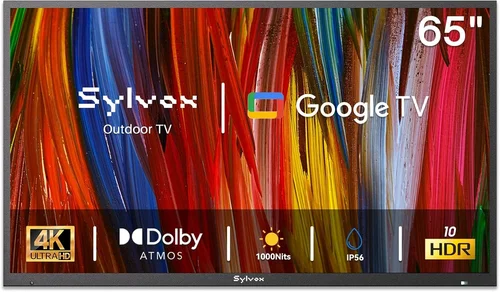
Outdoor living spaces have evolved dramatically over the past decade. What was once a simple patio or deck has transformed into a full-fledged extension of the home—complete with outdoor kitchens, fire pits, and yes, entertainment systems. Among the most sought-after additions is an outdoor TV, especially for those who love to host game nights, watch movies under the stars, or catch the big game while grilling in the backyard. But when temperatures drop and winter sets in, not all TVs are created equal. Standard indoor televisions simply aren’t built to withstand freezing temperatures, snow, ice, or prolonged exposure to the elements. That’s where outdoor TVs designed for cold weather come into play.
This comprehensive buying guide is designed to help you navigate the complex world of outdoor televisions specifically engineered to perform reliably in cold climates. Whether you live in a region with harsh winters or simply want peace of mind knowing your investment will last through seasonal changes, this guide will equip you with the knowledge to make a smart, informed decision. We’ll break down the critical factors to consider—from build quality and temperature tolerance to smart features and warranty coverage—and compare the top types of outdoor TVs available today. By the end, you’ll know exactly what to look for, what to avoid, and how to get the best value for your money.
The market for outdoor TVs has grown significantly, driven by advancements in display technology and increased demand for year-round outdoor living. Brands like SunBriteTV, Samsung, and LG now offer models specifically rated for extreme conditions, including sub-zero temperatures. However, with prices ranging from under $1,000 to well over $5,000, it’s easy to feel overwhelmed. Some models are built for partial shade, others for full sun exposure, and only a select few are truly optimized for cold weather performance. This guide cuts through the noise, focusing exclusively on TVs that can handle the chill without compromising picture quality, durability, or functionality.

What to Look for When Buying Buying Guide
1. Temperature Operating Range
One of the most critical factors when selecting an outdoor TV for cold weather is its official operating temperature range. Unlike indoor TVs, which are typically rated for use between 50°F and 95°F (10°C to 35°C), outdoor models must function reliably in much broader conditions. Look for TVs explicitly rated for temperatures as low as -22°F (-30°C) or lower. This ensures the internal components—especially the LCD panel and backlight—won’t freeze, crack, or fail during winter months.
Manufacturers often specify both operating and storage temperature ranges. The operating range refers to temperatures at which the TV can safely be used, while the storage range indicates how cold it can get when powered off. For example, a TV rated for -22°F operating and -40°F storage is ideal for regions with severe winters. Avoid models that only list a “weather-resistant” label without specific temperature data—this is often marketing fluff. Always verify the specs in the product manual or manufacturer’s website.
2. Build Quality & Durability
Outdoor TVs must endure more than just cold—they’re exposed to rain, snow, wind, dust, and UV radiation. Therefore, build quality is paramount. Look for models with fully sealed, powder-coated aluminum or stainless steel enclosures that resist rust and corrosion. The screen should be protected by anti-reflective, tempered glass that’s resistant to scratches and impacts.
Pay close attention to ingress protection (IP) ratings. An IP55 or higher rating means the TV is protected against dust and water jets, making it suitable for uncovered patios or decks. For full exposure to snow and ice, IP65 or IP66 is ideal. Additionally, check if the TV is certified by independent bodies like UL (Underwriters Laboratories) for outdoor use. This certification ensures the unit meets rigorous safety and performance standards.
Avoid plastic housings, which can become brittle in cold weather and crack over time. Also, ensure all ports and connectors are weather-sealed with rubber gaskets or covers. Poor sealing can lead to moisture ingress, which may cause short circuits or corrosion—especially problematic in freeze-thaw cycles.
3. Display Technology & Brightness
Not all outdoor TVs deliver the same picture quality, especially in low-light winter conditions. While OLED offers superior contrast and color accuracy, most outdoor models use LED-LCD panels with high brightness levels to combat ambient light. For cold-weather performance, brightness (measured in nits) is crucial—aim for at least 700 nits, but 1,000 nits or higher is ideal for snowy or overcast days.
Look for TVs with anti-glare coatings and wide viewing angles (178° horizontal and vertical) so the picture remains clear from various seating positions. Some premium models feature quantum dot technology (QLED) for enhanced color vibrancy and brightness, which can make a big difference on gray winter afternoons.
Also consider refresh rate and response time. A 120Hz refresh rate ensures smooth motion during fast-paced sports or action movies, which is especially noticeable in larger screen sizes. Avoid TVs with low refresh rates (60Hz) if you plan to watch live sports or play video games outdoors.
4. Smart Features & Connectivity
Modern outdoor TVs aren’t just about surviving the elements—they’re also about delivering a seamless entertainment experience. Most high-quality outdoor models come with built-in smart platforms like Android TV, webOS (LG), or Tizen (Samsung), allowing access to streaming services such as Netflix, YouTube, and Disney+.
Ensure the TV supports Wi-Fi 5 (802.11ac) or Wi-Fi 6 for reliable connectivity, especially if your outdoor space is far from the router. Ethernet ports are a plus for wired connections, which are more stable in areas with weak wireless signals. Bluetooth support enables wireless audio streaming to outdoor speakers or soundbars.
Check the number and type of HDMI ports—ideally, you’ll want at least two HDMI 2.0 or 2.1 ports for connecting devices like streaming sticks, gaming consoles, or cable boxes. USB ports are useful for playing media files or updating firmware. Some models also include RS-232 or IR input for integration with home automation systems.
5. Size & Viewing Distance
Choosing the right screen size depends on your outdoor setup and typical viewing distance. For patios or decks within 6–8 feet, a 43″ to 55″ TV is usually sufficient. For larger spaces like backyard theaters or pool areas, consider 65″ or 75″ models.
Use the 1.5x rule as a guideline: multiply your viewing distance (in inches) by 1.5 to estimate the ideal screen size. For example, if you’re sitting 10 feet (120 inches) away, a 65″ TV (120 ÷ 1.5 ≈ 80″) might be too large, but a 55″ or 65″ could work well depending on personal preference.
Keep in mind that larger screens require more power and may need additional mounting support. Also, ensure your outdoor structure (e.g., pergola, wall, or stand) can safely support the TV’s weight—most outdoor models are heavier than indoor equivalents due to reinforced enclosures.
6. Mounting & Installation Options
Proper mounting is essential for both safety and performance. Outdoor TVs should be installed using weatherproof mounts rated for the TV’s weight and size. Tilt and full-motion mounts offer flexibility in adjusting the viewing angle, which is helpful if the TV is placed under an eave or pergola.
Consider whether you want a fixed wall mount, a ceiling mount, or a freestanding outdoor TV stand. Wall mounts are the most common and secure, but require drilling into the structure. Ceiling mounts are ideal for gazebos or covered patios. Freestanding options offer portability but may be less stable in high winds.
Always follow the manufacturer’s installation guidelines and consult a professional if you’re unsure. Improper mounting can lead to water pooling, structural damage, or even the TV falling—especially in snowy or icy conditions.
7. Brand Reputation & Reliability
Not all outdoor TV brands are created equal. Some specialize exclusively in outdoor displays, while others adapt indoor models for outdoor use. Brands like SunBriteTV, Seura, and Peerless-AV have built strong reputations for durability and cold-weather performance.
Research customer reviews and professional ratings on sites like CNET, Wirecutter, or Home Theater Review. Look for feedback on long-term reliability, especially from users in cold climates. A brand with a proven track record is more likely to stand behind its products with solid customer support and warranty service.
Avoid unknown or generic brands that offer “weatherproof” TVs at suspiciously low prices. These often use substandard components and lack proper certifications, leading to premature failure.
8. Warranty & Support
Outdoor TVs are a significant investment, so warranty coverage is crucial. Most reputable brands offer 2- to 3-year limited warranties that cover defects in materials and workmanship. Some extend coverage to 5 years for commercial use or include on-site service.
Check what the warranty includes: Does it cover accidental damage? Is labor included? Are replacement parts readily available? Also, verify if the warranty is voided by improper installation or use in unapproved environments.
Customer support responsiveness matters too. Can you reach a human quickly? Is there a dedicated outdoor TV support line? Brands with strong support networks make troubleshooting and repairs much easier, especially during winter when downtime is most disruptive.

