
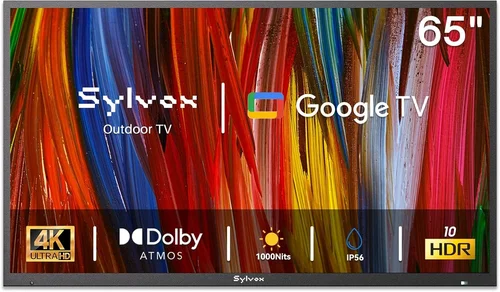
Outdoor living spaces have evolved dramatically over the past decade. What was once limited to basic seating and potted plants has transformed into fully functional extensions of our homes—complete with kitchens, fire pits, sound systems, and yes, even televisions. Whether you’re hosting summer barbecues, enjoying quiet mornings with coffee on your balcony, or unwinding under the stars after a long day, having a reliable outdoor TV can elevate your experience significantly. But unlike indoor TVs, outdoor models face unique challenges: extreme temperatures, humidity, direct sunlight, dust, and potential rain exposure. That’s why choosing the right outdoor TV isn’t just about picture quality—it’s about durability, performance in harsh conditions, and long-term value.
This comprehensive buying guide is designed to help you navigate the often-confusing world of outdoor televisions. We’ll walk you through everything you need to know—from key technical specifications and build standards to budget considerations and real-world usage scenarios. Whether you’re looking for a compact 32-inch screen for a small balcony or a weatherproof 75-inch beast for your backyard entertainment zone, this guide will equip you with the knowledge to make a confident, informed decision. By the end, you’ll understand not only what to look for but also how to avoid common pitfalls and get the best possible deal.
The market for outdoor TVs has matured considerably in recent years. Once dominated by a handful of specialized manufacturers like SunBriteTV, it now includes offerings from mainstream brands such as Samsung, LG, and Sony, as well as innovative newcomers leveraging advancements in display technology and weatherproofing. At the same time, consumers are increasingly turning to “all-weather” or “outdoor-rated” displays that bridge the gap between traditional indoor TVs and fully ruggedized outdoor models. This shift has created more options—but also more confusion. Our goal is to cut through the noise and deliver expert-level insights tailored specifically to balcony and patio environments, where space, visibility, and environmental resilience are paramount.

What to Look for When Buying Buying Guide
1. Weather Resistance & IP Rating
When it comes to outdoor TVs, weather resistance isn’t optional—it’s essential. Unlike indoor TVs, which operate in climate-controlled environments, outdoor models must withstand rain, snow, dust, humidity, and temperature swings ranging from sub-zero winters to scorching summer heat. The first thing to check is the TV’s Ingress Protection (IP) rating. This two-digit code indicates how well the device resists solid particles (like dust) and liquids (like water). For outdoor use, look for an IP55 rating or higher. IP55 means the TV is protected against dust (limited ingress) and low-pressure water jets from any direction—ideal for covered patios and balconies. If you live in an area with heavy rainfall or plan to install the TV in an uncovered space, consider models with IP65 or IP66 ratings for full dust-tightness and protection against powerful water jets.
But IP ratings only tell part of the story. True outdoor TVs go beyond basic sealing. They feature fully enclosed chassis designs with no ventilation holes (which could allow moisture in), corrosion-resistant internal components, and specialized gaskets around ports and seams. Some premium models even include built-in heaters and coolers to maintain optimal operating temperatures in extreme climates. For example, SunBriteTV’s Veranda series includes a thermal management system that automatically adjusts internal temperature, ensuring reliable performance whether it’s -22°F or 122°F outside. Always verify that the manufacturer explicitly states the TV is designed for outdoor use—not just “weather-resistant” or “suitable for covered areas,” which may not offer full protection.
2. Brightness & Anti-Glare Display
One of the biggest challenges with outdoor viewing is ambient light. Sunlight reflecting off screens can wash out images, making colors appear dull and details hard to discern. This is why brightness—measured in nits—is arguably more important outdoors than resolution or contrast ratio. For shaded or partially covered balconies, a minimum of 700 nits is recommended. However, if your TV will be exposed to direct sunlight (even occasionally), aim for 1,000 nits or higher. Premium outdoor TVs often deliver 1,500 to 2,000 nits, rivaling the brightness of commercial digital signage.
Equally critical is anti-glare technology. Standard LCD or OLED screens use glossy finishes that reflect light like mirrors. Outdoor-specific displays incorporate matte or anti-reflective coatings that diffuse sunlight rather than reflecting it directly into your eyes. Some models also feature optically bonded glass, which reduces internal reflections and improves clarity in bright conditions. For instance, the Samsung Terrace uses a proprietary anti-reflective coating combined with high brightness to maintain visibility even at noon on a sunny deck. Avoid indoor TVs marketed as “outdoor-ready” unless they explicitly state high brightness and anti-glare features—many fail in real-world sunlight despite clever marketing.
3. Build Quality & Durability
Outdoor TVs aren’t just exposed to weather—they’re also subject to physical stress: wind, accidental bumps, temperature-induced expansion and contraction, and even pests. That’s why build quality matters immensely. Start with the housing material. Look for powder-coated aluminum or stainless steel enclosures, which resist rust and corrosion far better than plastic or standard metal. Avoid TVs with exposed screws or seams that could trap moisture. The mounting system should also be robust; many outdoor TVs come with heavy-duty VESA-compatible brackets designed to withstand high winds.
Internal components are just as important. Outdoor TVs often use industrial-grade capacitors, reinforced circuit boards, and sealed connectors to prevent corrosion. Some manufacturers, like Seura, integrate surge protection directly into the TV to guard against lightning-induced power spikes—a common issue in open-air installations. Additionally, consider the weight and thickness of the unit. While thicker doesn’t always mean better, overly thin or lightweight TVs may lack structural integrity. A well-built outdoor TV should feel solid and substantial, not flimsy. Always check the product specifications for materials used and look for certifications like UL Listed for outdoor use, which indicates third-party testing for safety and durability.
4. Performance Specifications
While durability handles the environment, performance determines your viewing experience. Start with resolution: 4K UHD is now the standard for outdoor TVs, offering crisp detail even on larger screens viewed from close range (common on balconies). Avoid 1080p models unless you’re on a tight budget—they look noticeably softer in bright outdoor settings. HDR support (HDR10, HLG, or Dolby Vision) enhances color depth and contrast, making skies bluer and shadows more detailed—especially useful when watching sports or nature documentaries.
Refresh rate is another key spec. A 60Hz panel is adequate for casual viewing, but if you watch fast-action content like football, racing, or gaming, opt for 120Hz or higher. Many outdoor TVs now include motion interpolation or variable refresh rate (VRR) technology to reduce blur. Audio is often overlooked but crucial—outdoor spaces lack the acoustic containment of indoor rooms, so built-in speakers need to be powerful and clear. Look for TVs with at least 20W of total output and front-firing or upward-firing drivers. Alternatively, plan to connect external weatherproof speakers via optical or Bluetooth.
Smart platform functionality is also worth considering. Most outdoor TVs run Android TV, webOS, or Roku, giving you access to streaming apps without needing an external box. Ensure the interface remains responsive in bright light—some remotes and on-screen menus are hard to read in sunlight. Finally, connectivity matters: look for multiple HDMI 2.1 ports (for future-proofing), USB inputs, and Wi-Fi 6 support for stable streaming in areas with weak signals.
5. Size & Viewing Distance
Choosing the right screen size depends heavily on your balcony or patio layout. Unlike living rooms, outdoor spaces often have limited depth and obstructed sightlines. A general rule: for every foot of viewing distance, choose 6–8 inches of screen diagonal. So, if you’ll be sitting 6 feet away, a 40–50 inch TV is ideal. On a small balcony where viewers are 4–5 feet away, a 32–43 inch model prevents overwhelming the space while still delivering an immersive experience.
However, don’t sacrifice brightness or anti-glare for size. A dim 65-inch TV will look worse in sunlight than a bright 43-inch one. Also consider mounting options: will the TV be wall-mounted, ceiling-hung, or placed on a stand? Wall mounts save space but require sturdy railings or walls. Ceiling mounts offer flexibility but may need professional installation. Some outdoor TVs, like the LG Outdoor OLED, are designed to be ultra-thin for flush mounting, minimizing visual clutter. Measure your space carefully—including clearance for ventilation (even sealed units generate heat) and cable routing—before purchasing.
6. Brand Reputation & Ecosystem Compatibility
Not all brands are created equal when it comes to outdoor TVs. Established players like SunBriteTV, Seura, and Samsung have spent years refining their outdoor-specific technologies and offer proven track records. SunBriteTV, for example, pioneered the category and continues to lead in ruggedness and brightness. Samsung’s Terrace series brings smart features and sleek design to the outdoor space, while Seura focuses on seamless integration with home automation systems.
Consider ecosystem compatibility too. If you already use Samsung SmartThings, Apple HomeKit, or Google Home, choosing a TV that integrates smoothly can simplify control. Some outdoor TVs support voice assistants via built-in mics or compatible remotes, allowing you to change channels or adjust volume without fumbling for a remote in the sun. Also, check whether the brand offers matching outdoor soundbars or wireless speaker systems—this ensures consistent audio quality and avoids mismatched aesthetics.
Avoid unknown brands that advertise “outdoor TVs” at suspiciously low prices. These are often rebranded indoor TVs with minimal weatherproofing, sold without proper certifications or support. Real outdoor TVs undergo rigorous testing and carry higher price tags for good reason.
7. Warranty & Support
Outdoor TVs represent a significant investment, so warranty coverage is non-negotiable. Most reputable manufacturers offer 2–3 years of comprehensive warranty that includes both parts and labor, with some extending to 5 years for premium models. Crucially, ensure the warranty explicitly covers outdoor use—some indoor TV warranties become void if installed outside, even under cover.
Look for brands with strong customer support networks. Can you easily reach a technician if something goes wrong? Do they offer on-site service or remote diagnostics? SunBriteTV, for instance, provides dedicated outdoor support specialists who understand environmental challenges. Also, check return policies: some retailers allow 30–60 days for testing, which is invaluable when assessing real-world performance in your specific conditions.
8. Installation & Maintenance
Even the best outdoor TV won’t perform well if installed incorrectly. Proper mounting is critical—not just for safety, but also for optimal viewing angle and cable management. Most outdoor TVs require professional installation, especially if drilling into concrete, brick, or metal railings. Factor in installation costs (typically $200–$500) when budgeting.
Maintenance is minimal but important. Clean the screen monthly with a microfiber cloth and mild cleaner (avoid ammonia-based products). Inspect seals and ports periodically for debris or corrosion. If your TV has a filter (some do for internal cooling), replace it as recommended. Never cover the TV with tarps or plastic—this traps moisture and can cause condensation inside the unit.
Different Types of Buying Guide

Common Buying Mistakes to Avoid
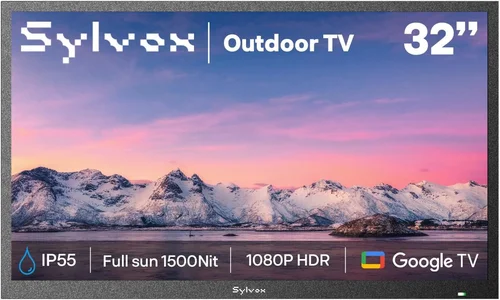
❌ Mistake: Buying an Indoor TV for Outdoor Use
Why it’s bad: Indoor TVs lack weatherproofing, have low brightness (typically 300–400 nits), and use materials that corrode quickly when exposed to moisture. Even under cover, humidity and temperature swings can cause internal damage within months.
What to do instead: Invest in a TV specifically designed for outdoor use or use a certified outdoor enclosure if you must repurpose an indoor model.
❌ Mistake: Ignoring Viewing Angle and Sun Exposure
Why it’s bad: Placing a TV where afternoon sun hits it directly will render even the brightest screen unwatchable due to glare and heat buildup.
What to do instead: Assess your space throughout the day. Choose a shaded wall or install an awning. Use anti-glare screens and consider TVs with wide viewing angles (IPS panels).
❌ Mistake: Overlooking Audio Needs
Why it’s bad: Built-in TV speakers are often muffled outdoors due to open space and ambient noise (wind, traffic, birds).
What to do instead: Pair your TV with weatherproof outdoor speakers or a soundbar. Look for models with optical audio out or Bluetooth for easy connectivity.
❌ Mistake: Skimping on Mounting Hardware
Why it’s bad: Standard indoor mounts aren’t rated for outdoor conditions and may fail under wind load or corrosion.
What to do instead: Use marine-grade stainless steel mounts rated for your TV’s weight and local wind speeds. Consult a professional installer if unsure.
❌ Mistake: Not Planning for Cable Management
Why it’s bad: Exposed cables are unsightly, prone to damage, and can become tripping hazards or entry points for water.
What to do instead: Use conduit or in-wall cable channels (if permitted). Choose TVs with rear cable covers or built-in management systems.
❌ Mistake: Assuming All “Outdoor” TVs Are Equal
Why it’s bad: Marketing terms like “weather-resistant” or “outdoor-ready” are not standardized. Some products offer minimal protection.
What to do instead: Verify IP ratings, read independent reviews, and check manufacturer specs for explicit outdoor certification.
❌ Mistake: Neglecting Power and Connectivity
Why it’s bad: Outdoor outlets may be far from your TV location, and Wi-Fi signals can weaken through walls or over distance.
What to do instead: Install a weatherproof GFCI outlet near the TV. Use a Wi-Fi extender or mesh network to ensure strong signal coverage.
Budget Guidelines: How Much Should You Spend?
Entry-Level ($800–$1,500): This tier includes all-weather TVs designed for covered patios and balconies. Expect 4K resolution, 700–1,000 nits brightness, basic smart features, and IP55 rating. Brands like Sylvane and some Samsung Terrace models fall here. Ideal for shaded areas with minimal direct exposure.
Mid-Range ($1,500–$3,500): The sweet spot for most buyers. These TVs offer 1,000+ nits brightness, robust build quality, advanced anti-glare coatings, and reliable smart platforms. Models like the SunBriteTV Veranda Series or LG Outdoor OLED provide excellent value with 3-year warranties and thermal management.
Premium ($3,500–$6,000): For enthusiasts and those in extreme climates. Features include 1,500–2,000 nits brightness, full IP66 rating, integrated heaters/coolers, premium audio, and commercial-grade components. SunBriteTV’s Pro Series and Seura’s Shadow Series excel here.
Luxury ($6,000+): Top-tier models with bespoke designs, ultra-high brightness (2,500+ nits), 24/7 operation capability, and seamless smart home integration. Often used in luxury resorts or high-end residences. Expect custom installation and 5-year warranties.
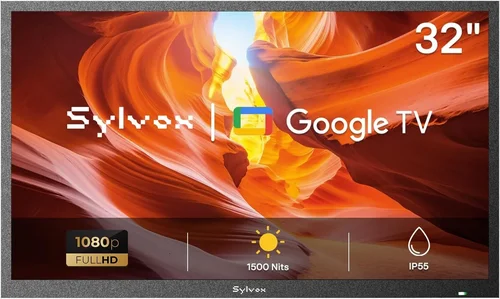
Expert Tips for Getting the Best Deal
– Buy during off-seasons: Prices drop significantly in late fall and winter (October–February) when demand is lowest. Retailers often clear inventory before new models arrive in spring.
– Check manufacturer refurbished programs: SunBriteTV and Samsung offer certified refurbished units at 20–30% off with full warranties.
– Compare total cost of ownership: A cheaper TV may cost more long-term if it fails prematurely or requires frequent repairs.
– Negotiate with local AV installers: Many offer package deals on TV + installation, especially if you’re bundling speakers or lighting.
– Read real-user reviews: Look for feedback from buyers in similar climates. A TV that works in Arizona may struggle in Seattle’s rain.
– Verify return policies: Ensure you can return the TV if it doesn’t perform as expected in your specific environment.
– Consider financing: Some retailers offer 0% APR for 12–24 months, making premium models more accessible.
– Ask about trade-ins: A few brands accept old TVs (even indoor ones) for credit toward outdoor models.

Frequently Asked Questions
Q: Can I use a regular TV outdoors if it’s under cover?
A: Technically yes, but it’s not recommended long-term. Indoor TVs aren’t built to handle humidity, temperature swings, or dust. Over time, internal components corrode, and brightness remains insufficient for daylight viewing. For occasional use, consider an outdoor enclosure—but for regular viewing, invest in a proper outdoor TV.
Q: Do outdoor TVs need special power outlets?
A: They use standard 120V outlets, but the outlet must be GFCI-protected (required by code for outdoor use) and weatherproof. Never plug into an unprotected indoor outlet extended outside.
Q: How do I clean an outdoor TV screen?
A: Use a soft, dry microfiber cloth for daily dusting. For smudges, lightly dampen the cloth with water or a screen-safe cleaner (never spray directly on the screen). Avoid abrasive materials or harsh chemicals.
Q: Will an outdoor TV work in winter?
A: Yes—if it’s designed for outdoor use. Ruggedized models include internal heaters that activate below freezing, ensuring safe startup and operation. Indoor TVs may fail or suffer permanent damage in cold weather.
Q: Can I mount an outdoor TV on a balcony railing?
A: Only if the railing is structurally sound and the mount is specifically rated for rail mounting. Most balcony railings aren’t designed to support 30–80 lbs of TV plus wind load. Consult a structural engineer if unsure.
Q: Do outdoor TVs consume more power?
A: Slightly, due to higher brightness and thermal systems. However, modern LED-backlit models remain energy-efficient. Look for ENERGY STAR certification where available.
Q: What’s the difference between “all-weather” and “fully ruggedized”?
A: All-weather TVs (IP55) are for covered areas with minimal direct exposure. Fully ruggedized (IP65/66) can handle rain, snow, and full sun—ideal for open patios or coastal regions.
Q: Can I connect gaming consoles to an outdoor TV?
A: Absolutely. Most outdoor TVs include HDMI 2.1 ports supporting 4K/120Hz, VRR, and ALLM—perfect for next-gen consoles like PS5 and Xbox Series X.
Q: How long do outdoor TVs last?
A: With proper care, 7–10 years is typical. Fully ruggedized models often exceed 10 years, while all-weather units may last 5–7 depending on exposure.
Q: Are outdoor TVs worth the high price?
A: If you use your outdoor space regularly for entertainment, yes. The combination of durability, visibility, and reliability justifies the cost compared to replacing failed indoor TVs every 2–3 years.
Our Final Recommendations
– Best for Budget-Conscious Buyers: Samsung The Terrace Partial Sun – Excellent 4K clarity, 1,500 nits brightness, and smart features at a competitive price for covered areas.
– Best Overall Value: SunBriteTV Veranda Series – Proven durability, 1,000+ nits brightness, and comprehensive warranty make it the gold standard for most homeowners.
– Best Premium Option: SunBriteTV Pro Series – IP66-rated, 2,000 nits brightness, and built-in thermal management for extreme climates and uncovered installations.
– Best for Beginners: LG Outdoor OLED (43-inch) – Sleek design, easy setup, and vibrant OLED picture quality ideal for small balconies with partial shade.
– Best for Advanced Users: Seura Shadow Series with Smart Integration – Seamlessly blends into outdoor décor, supports voice control, and pairs with whole-home automation systems.
Conclusion: Making the Right Choice
Choosing the best outdoor TV for your balcony or patio is about more than just picking a screen that looks good in a catalog. It’s about understanding your environment, prioritizing durability and visibility, and aligning your investment with how you actually live outdoors. From weather resistance and brightness to smart features and installation logistics, every detail matters when you’re bringing the living room experience into the open air.
Remember: the cheapest option isn’t always the most cost-effective, and the biggest screen isn’t always the best fit. Focus on your specific needs—shade levels, viewing distance, climate, and usage frequency—and let those guide your decision. Use the factors, comparisons, and tips in this guide to narrow your options and avoid costly mistakes.
Ultimately, a great outdoor TV transforms your balcony or patio from a passive space into an active hub of relaxation and entertainment. Whether you’re streaming a movie under the stars, catching the big game with friends, or simply enjoying your morning news with a view, the right TV makes all the difference. Take your time, do your research, and invest wisely—your future self will thank you every time you step outside.

