
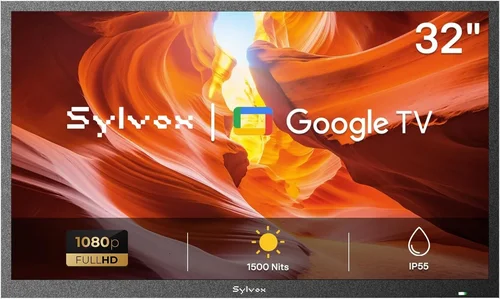
Outdoor living spaces have evolved far beyond simple patios and decks. Today’s homeowners are transforming their backyards into full-fledged entertainment zones—complete with grills, fire pits, sound systems, and yes, even televisions. Among the most popular outdoor structures for hosting movie nights, sports viewing parties, or casual relaxation is the pergola. These open-air frameworks offer shade, style, and a natural gathering spot—but they also present unique challenges when it comes to installing electronics like TVs. That’s where choosing the right outdoor TV becomes critical.
Unlike indoor models, outdoor TVs must withstand temperature swings, humidity, rain, dust, and direct sunlight—all while delivering crisp picture quality and reliable performance. A standard indoor television mounted under a pergola will quickly succumb to moisture damage, overheating, or screen glare, leaving you with a costly paperweight. This guide exists to help you avoid those pitfalls. Whether you’re building a new pergola or upgrading an existing setup, we’ll walk you through everything you need to know to select the best outdoor TV for your space—from technical specs and build quality to budget considerations and real-world usability.
By the end of this comprehensive buying guide, you’ll understand exactly what separates a true outdoor-rated TV from a glorified indoor model with a weatherproof cover. You’ll learn how to evaluate key features like brightness, durability, connectivity, and smart functionality in the context of outdoor use. We’ll also compare different types of outdoor TVs, highlight common mistakes buyers make, and provide expert-backed recommendations tailored to various needs and budgets. The market for outdoor displays has grown significantly in recent years, with brands like Samsung, LG, SunBriteTV, and Seura leading the charge—but not all “outdoor” TVs are created equal. Let’s dive in and find the perfect fit for your pergola paradise.

What to Look for When Buying Buying Guide
1. Weather Resistance & IP Rating
When mounting a TV under a pergola, exposure to the elements is inevitable—even if it’s partially covered. Rain, snow, dust, pollen, and morning dew can all compromise electronics not designed for outdoor use. That’s why weather resistance is the single most important factor in choosing an outdoor TV. Look for models with a high Ingress Protection (IP) rating, which indicates how well the device resists solids (like dust) and liquids (like water). For outdoor TVs, an IP55 or higher rating is ideal. IP55 means the TV is protected against low-pressure water jets from any direction and limited dust ingress—perfect for pergola installations where full enclosure isn’t possible.
Some premium outdoor TVs go even further with IP65 or IP66 ratings, offering total dust protection and resistance to powerful water jets. These are especially useful if your pergola is exposed to wind-driven rain or if you live in a region with heavy seasonal storms. Additionally, check whether the TV uses sealed cooling systems instead of fans, as fans can suck in moisture and debris. Passive cooling via heat-dissipating materials ensures longevity without compromising internal components.
2. Brightness & Anti-Glare Display
Sunlight is the enemy of screen visibility outdoors. Even under a pergola, ambient light can wash out images on a standard TV. Most indoor TVs max out around 300–500 nits of brightness—fine for a dim living room but useless in daylight. Outdoor TVs, by contrast, typically deliver 700 nits or more, with premium models exceeding 1,500 nits. This high brightness ensures that colors remain vibrant and details stay sharp even when the sun is shining directly onto the screen.
Equally important is anti-glare technology. Look for TVs with optically bonded screens and anti-reflective coatings. Optically bonded displays eliminate the air gap between the glass and the LCD panel, reducing internal reflections and improving contrast in bright conditions. Some brands, like SunBriteTV, use proprietary technologies such as “Direct Sunlight Readable” panels that maintain clarity even in full sun. If your pergola gets morning or afternoon sun, don’t compromise on brightness—your viewing experience depends on it.
3. Temperature Tolerance & Operating Range
Outdoor temperatures can swing dramatically between day and night, especially in spring and fall. A TV mounted under a pergola must operate reliably across a wide thermal range. Most outdoor-rated TVs are engineered to function between -22°F and 122°F (-30°C to 50°C), far beyond the typical 40°F–95°F range of indoor models. This ensures the TV won’t shut down during a chilly evening or overheat on a hot summer afternoon.
Pay attention to how the TV manages internal temperature. High-quality outdoor TVs use robust thermal management systems—often without fans—to prevent overheating. They may also include cold-start capabilities, allowing the screen to power on even after sitting in freezing conditions overnight. If you live in an area with extreme seasonal changes, verify the manufacturer’s specified operating temperature range before purchasing. A TV that can’t handle your local climate will fail prematurely, no matter how bright or waterproof it is.
4. Build Quality & Materials
Durability isn’t just about surviving rain—it’s about resisting corrosion, UV degradation, and physical wear over time. Outdoor TVs should feature powder-coated aluminum chassis, stainless steel hardware, and sealed ports to prevent rust and oxidation. Avoid plastic enclosures, which can become brittle under UV exposure and crack in cold weather.
Look for TVs with fully sealed cable entry points and protective grommets for HDMI, USB, and power connections. Some models include built-in cable management systems to keep wires tidy and shielded from the elements. Also consider the mounting hardware: outdoor TVs often come with heavy-duty, corrosion-resistant brackets designed specifically for exterior use. If you’re retrofitting an existing pergola, ensure the TV’s weight and dimensions are compatible with your structure’s load capacity and available space.
5. Smart Features & Connectivity
Just because a TV is built for the outdoors doesn’t mean it should lack modern conveniences. Most premium outdoor TVs now include smart platforms like Android TV, webOS (LG), or Tizen (Samsung), giving you access to streaming apps like Netflix, YouTube, and Disney+ without needing an external device. However, verify that the operating system is optimized for outdoor use—some smart TVs slow down or overheat when running apps in high temperatures.
Connectivity is equally crucial. Ensure the TV has multiple HDMI ports (preferably HDMI 2.0 or higher for 4K content), USB inputs, and Wi-Fi/Bluetooth support. If you plan to connect a soundbar, gaming console, or streaming stick, check port placement—side-facing or bottom-facing ports are easier to access when the TV is mounted high on a pergola beam. Some models even include weatherproof external media bays or wireless streaming options to minimize cable clutter.
6. Audio Performance
Outdoor acoustics are vastly different from indoor environments. Sound dissipates quickly in open air, and background noise from wind, birds, or nearby traffic can drown out dialogue. While many outdoor TVs include built-in speakers, they’re often underpowered for open-air settings. That said, some models feature enhanced audio systems with dual woofers, tweeters, and dedicated amplifiers to deliver clearer, louder sound.
For the best experience, consider pairing your outdoor TV with a weather-resistant soundbar or wireless outdoor speakers. Many outdoor TVs support Bluetooth audio output or optical audio connections for seamless integration. If you’re mounting the TV in a corner or against a wall, ensure the speakers aren’t obstructed—sound reflection off surfaces can improve volume and clarity. Don’t assume the built-in audio will suffice; plan for supplemental audio from the start.
7. Warranty & Customer Support
Outdoor electronics represent a significant investment, so robust warranty coverage is non-negotiable. Reputable outdoor TV manufacturers typically offer 2–3 years of comprehensive warranty protection, covering both parts and labor. Some, like Seura, even provide extended warranties for commercial installations. Avoid brands that only offer 1-year warranties or exclude outdoor-specific failures (e.g., moisture damage).
Equally important is customer support accessibility. Can you reach a live technician if your TV malfunctions? Is there a network of certified installers in your area? Brands with strong U.S.-based support teams tend to resolve issues faster than those relying on overseas call centers. Before buying, read reviews about post-purchase service—delayed repairs or denied claims can turn a great TV into a frustrating ordeal.
8. Size & Viewing Distance
Choosing the right screen size for your pergola depends on your seating arrangement and viewing distance. As a general rule, multiply your viewing distance (in inches) by 0.84 to get the ideal screen diagonal in inches. For example, if your seating is 8 feet (96 inches) away, a 70–80 inch TV would be optimal. However, outdoor viewing often benefits from larger screens due to ambient light and distance.
Consider the pergola’s dimensions: will the TV fit comfortably without overwhelming the space? Will it obstruct sightlines or airflow? Wall-mounted TVs should be positioned at eye level when seated—typically 42–48 inches from the ground to the screen’s center. If mounting on a post or beam, ensure the bracket allows for tilt adjustment to reduce glare. Oversized TVs may look impressive but can be impractical in smaller pergolas; balance aesthetics with functionality.
Different Types of Outdoor TVs

For pergola installations, partial-coverage outdoor TVs are typically the best choice. They’re engineered for environments with overhead protection but potential side exposure—exactly like a pergola. These models offer robust weather resistance without the premium price of all-weather units, making them ideal for residential use. Avoid using indoor TVs with enclosures unless you’re prepared for frequent maintenance and shorter lifespans.
Common Buying Mistakes to Avoid
❌ Mistake: Assuming All “Outdoor” TVs Are Equal
Why it’s bad: Many retailers market standard TVs as “suitable for outdoor use” simply because they sell weatherproof covers. These covers trap heat, block IR signals (rendering remotes useless), and often void warranties. True outdoor TVs are engineered from the ground up for exterior conditions.
What to do instead: Only buy TVs explicitly labeled as “outdoor-rated” by manufacturers with proven track records in exterior displays. Check for certifications like IP ratings and thermal testing data.
❌ Mistake: Ignoring Brightness Requirements
Why it’s bad: A dim screen turns your pergola into a decorative frame with a black rectangle. Even shaded areas receive significant ambient light, especially during golden hour.
What to do instead: Aim for a minimum of 700 nits brightness. If your pergola gets direct sun, choose a model with 1,000+ nits and anti-glare coating.
❌ Mistake: Overlooking Audio Needs
Why it’s bad: Built-in speakers on outdoor TVs are often muffled or too quiet for open-air listening. You’ll end up straining to hear dialogue during quiet scenes.
What to do instead: Plan for external audio from day one. Invest in weather-resistant speakers or a Bluetooth soundbar designed for outdoor use.
❌ Mistake: Skimping on Mounting Hardware
Why it’s bad: Standard indoor mounts aren’t built to resist rust or handle wind loads. A failing mount can drop a expensive TV—or worse, injure someone.
What to do instead: Use marine-grade or powder-coated outdoor mounts rated for your TV’s weight. Ensure bolts are stainless steel and anchors are secured to structural beams—not just fascia boards.
❌ Mistake: Neglecting Cable Management
Why it’s bad: Exposed cables degrade quickly outdoors and create tripping hazards. Water can seep into unsealed connections, causing shorts.
What to do instead: Use conduit or waterproof cable raceways. Choose TVs with rear-facing or concealed port covers. Label cables for easy troubleshooting.
❌ Mistake: Buying Based Solely on Price
Why it’s bad: The cheapest option often lacks critical features like proper cooling or sealed electronics, leading to premature failure.
What to do instead: Prioritize value over cost. A mid-range outdoor TV that lasts 7–10 years is smarter than a budget model that fails in 2.
❌ Mistake: Forgetting About Future Upgrades
Why it’s bad: Technology evolves rapidly. A TV with limited ports or outdated smart OS may become obsolete quickly.
What to do instead: Choose a model with HDMI 2.1, Wi-Fi 6, and regular firmware updates. Consider modular systems that allow component upgrades.
Budget Guidelines: How Much Should You Spend?
Entry-Level ($1,500–$2,500): This tier includes partial-coverage outdoor TVs from brands like Sylvane or refurbished SunBriteTV models. Expect solid weather resistance, 700–1,000 nits brightness, and basic smart features. Ideal for shaded pergolas in mild climates. Compromises may include shorter warranties or fewer connectivity options.
Mid-Range ($2,500–$4,000): The sweet spot for most homeowners. Models like the SunBriteTV Veranda Series or Seura Outdoor TVs offer excellent brightness (1,000–1,500 nits), full smart platforms, robust build quality, and 2–3 year warranties. These TVs handle variable weather well and include features like optical bonding and passive cooling.
Premium ($4,000–$6,500): For enthusiasts who demand top-tier performance. Think Samsung The Terrace or LG OLED Outdoor TVs. These feature ultra-bright displays (1,500+ nits), premium audio, advanced thermal management, and sleek designs. Perfect for pergolas with partial sun exposure or high-end backyard setups.
Luxury ($6,500+): Reserved for commercial-grade or custom installations. Includes transparent OLEDs, mirrored TVs, or fully enclosed all-weather systems. These are overkill for most residential pergolas but offer unparalleled aesthetics and durability for luxury properties or hospitality venues.
Expert Tips for Getting the Best Deal
1. Shop During Off-Season: Outdoor TV sales peak in spring and summer. Buy in late fall or winter (November–February) for discounts of 15–25%. Retailers clear inventory before new models launch.
2. Bundle with Accessories: Some dealers offer free mounts, cables, or soundbars with TV purchases. Ask about package deals—they can save you hundreds.
3. Consider Certified Refurbished: Brands like SunBriteTV sell factory-refurbished units with full warranties at 20–30% off retail. These are thoroughly tested and often indistinguishable from new.
4. Check Manufacturer Rebates: Samsung and LG occasionally offer mail-in rebates on outdoor models. Combine these with credit card rewards for extra savings.
5. Read Real User Reviews: Skip the glossy marketing pages. Look for reviews from users in similar climates who’ve owned the TV for 12+ months. Pay attention to comments about reliability and customer service.
6. Verify Return Policies: Ensure the seller allows returns if the TV doesn’t perform as expected outdoors. Some retailers only accept returns for unopened boxes—useless if you discover glare issues after mounting.
7. Test Before Final Mounting: If possible, set up the TV temporarily on a stand to evaluate brightness, sound, and smart features in your actual pergola environment. Lighting conditions vary greatly by location and time of day.
8. Invest in Surge Protection: Outdoor electronics are vulnerable to power surges from lightning or grid fluctuations. Use a high-quality outdoor-rated surge protector to extend your TV’s lifespan.

Frequently Asked Questions
Q: Can I use a regular indoor TV under a pergola?
A: Technically yes, but it’s not recommended. Indoor TVs lack weatherproofing, proper brightness, and thermal management for outdoor use. Even with a cover, they’re prone to moisture damage, overheating, and glare. The short-term savings aren’t worth the risk of premature failure.
Q: Do outdoor TVs need to be plugged into a GFCI outlet?
A: Yes. For safety, always connect outdoor TVs to a Ground Fault Circuit Interrupter (GFCI) outlet. This protects against electrical shocks in wet conditions and is required by most building codes for exterior installations.
Q: How do I clean an outdoor TV screen?
A: Use a microfiber cloth slightly dampened with distilled water. Avoid ammonia-based cleaners or paper towels, which can scratch anti-glare coatings. Clean gently—don’t press hard on the screen.
Q: Will an outdoor TV work in winter?
A: Most outdoor TVs operate down to -22°F (-30°C). However, extremely cold temperatures may cause temporary image lag on startup. Allow the TV to warm up for a few minutes before expecting full performance.
Q: Can I mount an outdoor TV on a pergola post?
A: Yes, but ensure the post is structurally sound and anchored properly. Use a reinforced outdoor mount rated for the TV’s weight. Avoid mounting on decorative or non-load-bearing elements.
Q: Do outdoor TVs consume more power?
A: Not significantly. While they’re brighter, modern LED backlighting keeps energy use comparable to indoor models. Look for ENERGY STAR-certified outdoor TVs for maximum efficiency.
Q: What’s the lifespan of an outdoor TV?
A: With proper care, high-quality outdoor TVs last 7–10 years—similar to indoor models. Harsh climates or poor installation can shorten this, but regular maintenance (like cleaning vents and checking seals) helps.
Q: Can I control an outdoor TV with my smartphone?
A: Most smart outdoor TVs support mobile apps for remote control, especially if they run Android TV or webOS. Ensure your phone and TV are on the same Wi-Fi network.
Q: Are outdoor TVs noisy due to cooling fans?
A: Premium models use fanless, passive cooling systems that operate silently. Avoid cheaper units with internal fans—they can be audible and fail sooner.
Q: Do I need a permit to install an outdoor TV?
A: Usually not for residential pergolas, but check local codes. If you’re running electrical wiring through walls or modifying structures, a permit may be required.
Our Final Recommendations
Best for Budget-Conscious Buyers: SunBriteTV Veranda Series (55″–75″)
Offers excellent value with 1,000 nits brightness, IP55 rating, and reliable smart features. Ideal for covered pergolas in moderate climates.
Best Overall Value: Seura Outdoor TV (65″–75″)
Combines stunning picture quality, robust build, and elegant design. Includes optical bonding, 1,500 nits brightness, and a 3-year warranty.
Best Premium Option: Samsung The Terrace (65″–75″)
Features QLED technology, 2,000+ nits brightness, and a sleek, minimalist profile. Perfect for modern pergolas with partial sun exposure.
Best for Beginners: LG OLED Outdoor TV (55″–65″)
User-friendly webOS interface, exceptional contrast, and reliable performance. Great for those new to outdoor entertainment setups.
Best for Advanced Users: SunBriteTV Pro Series (75″+)
Built for extreme conditions with military-grade durability, 2,500 nits brightness, and customizable configurations. Ideal for tech-savvy homeowners who want maximum control.
Conclusion: Making the Right Choice
Choosing the best outdoor TV for your pergola isn’t just about picking the shiniest screen—it’s about matching technology to your environment, lifestyle, and long-term goals. From weather resistance and brightness to audio quality and smart features, every detail matters when you’re investing in an entertainment system designed to thrive outdoors. Remember: a pergola offers partial protection, but it’s not a sealed room. Your TV must be engineered to handle the unpredictable nature of open-air living.
As you evaluate options, prioritize durability and visibility over flashy specs. A TV that looks great in a showroom may disappoint under real-world conditions. Use this guide’s criteria—IP rating, nits, thermal range, and build quality—as your checklist. Avoid common pitfalls like underestimating audio needs or skipping proper mounting. And don’t let budget alone dictate your decision; think in terms of total cost of ownership, not just upfront price.
Ultimately, the right outdoor TV transforms your pergola from a quiet retreat into a vibrant social hub—where friends gather for game days, families enjoy movie nights under the stars, and every season becomes an opportunity to connect. With the insights and recommendations in this guide, you’re equipped to make a confident, informed choice. So go ahead: elevate your outdoor space, invest wisely, and enjoy years of reliable, high-quality viewing in the comfort of your own backyard.

