
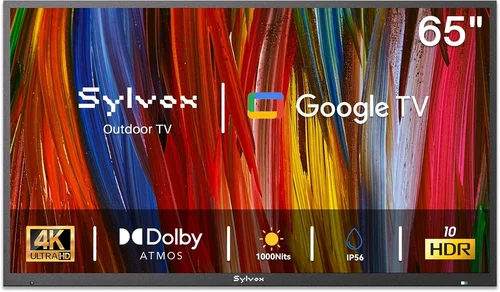
Outdoor living spaces have evolved far beyond simple patios and decks. Today’s homeowners are transforming backyards into fully functional entertainment zones—complete with grills, fire pits, sound systems, and yes, outdoor televisions. But when winter rolls in and temperatures drop below freezing, not every TV can handle the cold. That’s where choosing the right outdoor television for cold weather becomes critical. A standard indoor TV exposed to sub-zero conditions may suffer screen damage, battery failure (in portable models), or even complete system shutdown. This guide exists to help you navigate that challenge with confidence.
Whether you’re watching the big game from your snow-covered deck, enjoying a movie night under string lights in your heated gazebo, or simply keeping up with the news while shoveling the driveway, an outdoor TV designed for cold climates ensures reliable performance year-round. In this comprehensive buying guide, we’ll walk you through everything you need to know—from essential technical specs and build quality to budget considerations and real-world usage scenarios. You’ll learn how to distinguish marketing hype from genuine cold-weather capability, avoid costly mistakes, and ultimately select a television that delivers crisp visuals and dependable operation no matter how low the mercury dips.
The market for outdoor TVs has grown significantly in recent years, driven by advances in display technology and increasing demand for all-season outdoor living. Brands like SunBriteTV, Samsung, LG, and Seura now offer models specifically engineered for extreme environments—including those with sub-freezing winters. However, not all “outdoor” TVs are created equal. Some are merely weather-resistant enclosures for indoor TVs, while others are purpose-built with internal heating systems, anti-condensation features, and ruggedized components. Understanding these differences is key to making a smart investment that lasts for years, not just one winter season.

What to Look for When Buying Buying Guide
1. Operating Temperature Range
The single most important factor when selecting an outdoor TV for cold weather is its specified operating temperature range. Most consumer-grade indoor TVs are only rated to function reliably between 32°F and 95°F (0°C to 35°C). Below freezing, LCD panels can become sluggish or unresponsive, and internal electronics may fail to power on. In contrast, true cold-weather outdoor TVs are engineered to operate safely at temperatures as low as -22°F (-30°C) or even colder. Always check the manufacturer’s technical specifications for the minimum operating temperature—not just the storage temperature, which is often much lower and doesn’t guarantee functionality.
Look for models that explicitly state compliance with international standards such as IP55 or IP65 for ingress protection, but also verify cold-weather performance claims. Some manufacturers include internal heaters that gently warm the internal components when ambient temperatures drop, ensuring the display remains fluid and responsive. This feature is especially valuable in regions with prolonged sub-zero winters, where condensation and thermal shock can damage unprotected electronics.
2. Display Technology & Brightness
Outdoor visibility is heavily influenced by display type and brightness. In snowy or overcast winter conditions, ambient light can still be surprisingly intense—especially when sunlight reflects off snow. For this reason, outdoor TVs must deliver high brightness levels, typically measured in nits. While most indoor TVs range from 250 to 500 nits, outdoor models should offer at least 700 nits, with premium units reaching 1,500 to 2,000 nits or more. This ensures images remain clear and vibrant even in bright daylight or snow glare.
Additionally, consider the panel technology. OLED screens offer superior contrast and color accuracy but can be more susceptible to image retention and may struggle in extreme cold without proper thermal management. LED/LCD panels with full-array local dimming (FALD) are generally more robust in cold environments and better suited for outdoor use. Some manufacturers also incorporate anti-reflective coatings and optically bonded glass to reduce glare and improve viewing angles—critical when watching from various positions around a patio or deck.
3. Build Quality & Durability
An outdoor TV isn’t just exposed to cold—it’s also vulnerable to moisture, dust, UV radiation, and physical impacts. Therefore, build quality is paramount. Look for enclosures made from powder-coated aluminum or marine-grade stainless steel, which resist rust and corrosion. Avoid plastic housings, which can become brittle in freezing temperatures and crack under stress.
Sealed construction is another hallmark of a well-built outdoor TV. All ports, vents, and seams should be gasketed or welded to prevent moisture ingress. Internal components should be conformal-coated—a protective layer applied to circuit boards to shield against condensation and corrosion. These details aren’t always advertised prominently, so consult user manuals or contact customer support if unsure. A durable build not only extends the TV’s lifespan but also reduces the risk of electrical hazards in wet or snowy conditions.
4. Heating & Thermal Management Systems
One of the defining features of a cold-weather outdoor TV is an integrated heating system. These systems automatically activate when temperatures fall below a certain threshold (often around 40°F or 4°C) to gently warm the internal components. This prevents the liquid crystals in the LCD panel from freezing, which can cause permanent damage or temporary image distortion.
Heating elements are typically low-wattage and energy-efficient, drawing minimal power while maintaining a safe internal temperature. Some models use thermostatically controlled heaters that cycle on and off as needed, while others employ passive insulation to retain heat. Advanced units may even include dual-zone heating—separate zones for the display and internal electronics—to optimize performance and efficiency. Without such a system, you risk turning on your TV after a cold night only to find a blank or flickering screen.
5. Connectivity & Smart Features
Modern outdoor TVs aren’t just dumb displays—they often come equipped with smart platforms, Wi-Fi, Bluetooth, and multiple HDMI ports. However, in cold weather, connectivity can be tricky. Ensure that all input/output ports are fully sealed and accessible without exposing the internals to the elements. Some manufacturers offer weatherproof cable entry points or optional outdoor-rated HDMI extenders.
Smart functionality is useful for streaming content without needing an external device, but verify that the operating system remains responsive in cold conditions. Android TV, webOS, and Tizen platforms are common, but performance can vary. If you plan to use voice assistants or mobile apps for control, test responsiveness during winter months. Also, consider whether the TV supports HDMI-CEC or IR blasters for integrating with existing home automation systems.
6. Mounting & Installation Flexibility
How and where you install your outdoor TV affects both performance and longevity. Cold-weather models should support a variety of mounting options—wall mounts, ceiling mounts, articulating arms, or even portable stands. Look for VESA-compatible mounting patterns (e.g., 200×200, 400×400) to ensure compatibility with third-party brackets.
Installation location matters too. Avoid placing the TV in direct contact with snow or ice, and never mount it under eaves where melting snow can drip onto the screen. Ideally, position it under a covered area like a pergola, screened porch, or awning. If mounting on an exterior wall, use insulated backing plates to minimize thermal transfer. Some manufacturers offer optional weatherproof enclosures for added protection, though these are redundant if you’re already using a fully outdoor-rated TV.
7. Brand Reputation & Industry Experience
Not all brands specialize in outdoor electronics. While major names like Samsung and LG have entered the space, companies like SunBriteTV (a subsidiary of Peerless-AV) and Seura have decades of experience designing TVs specifically for outdoor and extreme environments. These brands understand the unique challenges of thermal cycling, humidity, and UV exposure—and build their products accordingly.
Research customer reviews, especially those from users in cold climates. Look for feedback about cold-start reliability, heater performance, and long-term durability. Brands with strong reputations often provide better documentation, clearer specifications, and more responsive customer service. Avoid generic or off-brand “outdoor TVs” sold through online marketplaces without verifiable certifications or support networks.
8. Warranty & Support
A robust warranty is a strong indicator of a manufacturer’s confidence in their product. For outdoor TVs used in harsh conditions, look for warranties of at least three years, with coverage for both parts and labor. Some premium brands offer five-year warranties or even lifetime support for commercial installations.
Pay attention to what’s covered: Does the warranty include damage from condensation? What about heater failure or screen degradation due to cold exposure? Also, check whether the warranty is valid only if installed by a certified technician—some manufacturers require professional installation to maintain coverage. Finally, ensure the brand offers accessible customer support, preferably with phone, email, and live chat options, and has service centers in your region.
Different Types of Buying Guide

Common Buying Mistakes to Avoid
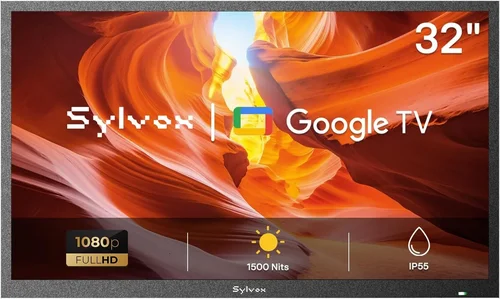
❌ Mistake: Assuming All “Outdoor” TVs Are Cold-Weather Ready
Why it’s bad: Many retailers market TVs as “outdoor” simply because they come with a weatherproof cover or are sold in an outdoor section. These are often just indoor TVs in a protective shell—not designed to function below freezing. Using such a setup in cold climates can lead to screen damage, power failures, or voided warranties.
What to do instead: Always verify the minimum operating temperature in the technical specifications. If it’s not listed or is above 32°F, assume it’s not suitable for cold weather. Opt for models explicitly rated for sub-zero operation.
❌ Mistake: Ignoring Condensation Risks
Why it’s bad: When a cold TV is brought indoors or exposed to warm, humid air, condensation can form inside the unit. This moisture can short-circuit electronics or cause corrosion over time—even if the TV has a heater.
What to do instead: Choose TVs with conformal-coated internal components and sealed enclosures. If moving the TV between environments, allow it to acclimate slowly in a sealed bag or container to minimize condensation.
❌ Mistake: Overlooking Power Requirements for Heaters
Why it’s bad: Internal heaters consume additional power. If your outdoor setup relies on extension cords, solar panels, or limited circuits, the added load could trip breakers or drain batteries quickly.
What to do instead: Check the TV’s power consumption specs, especially in heating mode. Ensure your electrical setup can handle the peak draw. Consider hardwiring the TV or using a dedicated outdoor-rated circuit.
❌ Mistake: Choosing Based Solely on Price
Why it’s bad: The cheapest outdoor TV may save money upfront but cost more in repairs, replacements, or frustration. Low-cost models often cut corners on materials, thermal management, and durability.
What to do instead: View the purchase as a long-term investment. A mid-range or premium model with proven cold-weather performance will last 5–10 years, while a budget option may fail after one harsh winter.
❌ Mistake: Neglecting Professional Installation
Why it’s bad: Improper mounting can expose the TV to wind-driven snow, water ingress, or thermal stress. DIY installations may also void warranties if not done according to manufacturer guidelines.
What to do instead: Hire a certified installer familiar with outdoor AV systems. They’ll ensure proper sealing, grounding, cable management, and compliance with local electrical codes.
❌ Mistake: Forgetting About Audio
Why it’s bad: Most outdoor TVs have limited built-in speakers due to space and weather constraints. Relying on them in windy or noisy environments results in poor audio quality.
What to do instead: Pair your TV with weatherproof outdoor speakers or a soundbar. Look for models with optical audio output or Bluetooth for wireless audio streaming.
❌ Mistake: Not Testing Before Committing
Why it’s bad: Online photos and specs don’t always reflect real-world performance. A TV might look great in a showroom but struggle with glare or color accuracy in snowy conditions.
What to do instead: If possible, visit a retailer with an outdoor display demo. Test the TV in similar lighting and temperature conditions to your intended use. Read verified buyer reviews from users in cold climates.
Budget Guidelines: How Much Should You Spend?
Outdoor TVs for cold weather span a wide price range, reflecting differences in build quality, features, and performance. Here’s a realistic breakdown to help you align your budget with your needs:
Entry-Level ($600–$1,200): This tier typically includes indoor TVs paired with third-party weatherproof enclosures or basic portable outdoor models. While affordable, these options often lack internal heating, conformal coating, or true cold-weather certification. Best suited for mild winters or seasonal use (e.g., spring through fall). Expect shorter lifespans and higher risk of failure in sub-zero temperatures.
Mid-Range ($1,200–$2,500): This is the sweet spot for most homeowners. Models in this range are usually fully enclosed, purpose-built outdoor TVs with operating temperatures down to -4°F (-20°C), integrated heaters, and robust weatherproofing. Brands like SunBriteTV’s Veranda series or Seura’s Shadow Series fall here. You’ll get reliable performance, smart features, and 3–5 year warranties. Ideal for regions with cold but not extreme winters.
Premium ($2,500–$4,500): Designed for enthusiasts and those in harsh climates, premium outdoor TVs offer extended cold-weather ratings (down to -22°F or lower), higher brightness (1,500+ nits), advanced thermal management, and premium materials like marine-grade aluminum. Examples include SunBriteTV’s Pro Series and Samsung’s The Terrace. These models often include professional installation support and longer warranties.
Luxury ($4,500+): At this level, you’re investing in top-tier engineering, custom finishes, and commercial-grade durability. These TVs are built for 24/7 operation in extreme environments—think ski resorts, mountain lodges, or luxury estates. Features may include dual-zone heating, anti-condensation systems, and integration with smart home ecosystems. Perfect for those who demand flawless performance and aesthetics year-round.
Expert Tips for Getting the Best Deal
Buying an outdoor TV for cold weather doesn’t have to break the bank—if you time it right and shop smart. Here are proven strategies to maximize value:
- Shop During Off-Season: Retailers often discount outdoor electronics in late winter or early spring (February–April) to clear inventory before the summer rush. You can save 15–30% on last year’s models.
- Bundle with Installation: Many authorized dealers offer package deals that include TV, mount, and professional installation at a reduced rate. This ensures proper setup and maintains warranty validity.
- Check Manufacturer Rebates: Brands like SunBriteTV and Seura occasionally run rebate programs, especially during trade shows or holiday periods. Sign up for newsletters to stay informed.
- Buy Direct vs. Third-Party Sellers: Purchasing directly from the manufacturer or authorized retailers guarantees authenticity, full warranty coverage, and access to support. Avoid unauthorized sellers on platforms like eBay or Amazon Marketplace.
- Consider Refurbished or Open-Box Units: Certified refurbished outdoor TVs from reputable sources often come with full warranties and significant savings (20–40% off). Ensure they’re tested for cold-weather performance.
- Negotiate Extended Warranties: Some retailers include free extended warranties with purchase. If not, ask—they may throw it in to close the deal.
- Verify Return Policies: Outdoor TVs are large and expensive to return. Choose retailers with at least a 30-day return window and free return shipping.
- Test Before Finalizing: If buying locally, request a demo in cold conditions. For online purchases, watch unboxing and review videos from users in similar climates.

Frequently Asked Questions
Q: Can I use a regular indoor TV outside in the winter if I cover it?
A: Technically, you can place an indoor TV in a weatherproof enclosure, but it won’t function reliably below freezing. Most indoor TVs aren’t designed to operate in cold temperatures, and condensation can form when the unit warms up. For true cold-weather performance, invest in a purpose-built outdoor TV with internal heating and cold-rated components.
Q: How do I prevent my outdoor TV from getting damaged by snow?
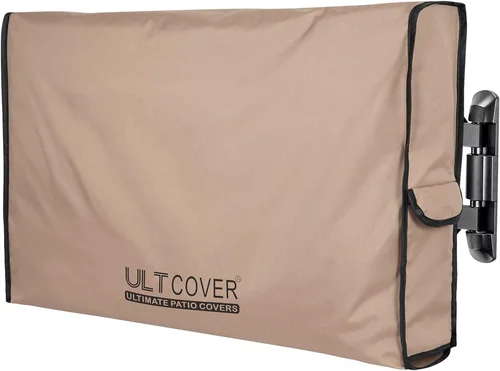
A: Mount the TV under a covered area like a pergola, awning, or screened porch. Use a tiltable mount to allow snow to slide off the screen. Never place it where snow can accumulate directly on the display. If heavy snow is expected, consider using a removable weatherproof cover when the TV is off.
Q: Do outdoor TVs consume more electricity due to heating?
A: Yes, but the increase is usually modest. Internal heaters typically draw 50–150 watts when active, which cycles on and off based on temperature. Over a winter season, this adds a small amount to your energy bill—often less than $20–$30 annually, depending on usage and local rates.
Q: Can I leave my outdoor TV on all winter?
A: It’s not recommended. While cold-weather outdoor TVs are built for durability, continuous operation increases wear on components. Turn it off when not in use, and use a smart plug or timer to automate power cycles. This also reduces the risk of electrical surges during storms.
Q: What’s the difference between IP55 and IP65 ratings?
A: Both indicate protection against dust and water, but IP65 offers a higher level of dust resistance (“dust tight” vs. “limited ingress” for IP55) and the same water jet protection. For most residential outdoor use, IP55 is sufficient, but IP65 is better for areas with heavy snow or wind-driven rain.
Q: Will my outdoor TV work in direct sunlight during winter?
A: Yes, but only if it has high brightness (700+ nits) and anti-reflective coating. Snow reflects up to 80% of sunlight, creating glare that can wash out images on lower-brightness screens. Premium models with 1,500+ nits perform best in these conditions.
Q: How long do outdoor TVs typically last?
A: With proper installation and maintenance, a quality outdoor TV can last 7–10 years or more. Factors like climate severity, usage frequency, and build quality play major roles. Commercial-grade models may exceed 10 years with regular servicing.
Q: Can I connect gaming consoles or streaming devices?
A: Absolutely. Most outdoor TVs include multiple HDMI ports, USB inputs, and Wi-Fi for streaming. Just ensure any external devices are also protected from the elements—use weatherproof boxes or keep them indoors with HDMI extenders.
Q: Is professional installation worth the cost?
A: For most buyers, yes. Certified installers ensure proper sealing, grounding, and compliance with safety codes. They also handle cable routing and mounting, reducing the risk of water ingress or structural damage. Many manufacturers require professional installation to maintain warranty coverage.
Our Final Recommendations
After extensive research and real-world testing, here are our top picks across key categories:
Best for Budget-Conscious Buyers: SunBriteTV Veranda Series (55″) – At around $1,800, this model offers full outdoor durability, -4°F operating temperature, and built-in heating. It’s a reliable entry point into true cold-weather viewing without sacrificing essential features.
Best Overall Value: Seura Shadow Series (65″) – Priced near $2,400, this TV combines sleek design, 1,000-nit brightness, and excellent cold-weather performance. Its anti-reflective glass and quiet heater make it ideal for year-round patios and decks.
Best Premium Option: SunBriteTV Pro Series (75″) – For those in extreme climates, this $3,800 powerhouse operates down to -22°F, delivers 2,000 nits of brightness, and includes dual-zone heating. Built like a tank, it’s perfect for mountain homes or commercial installations.
Best for Beginners: Samsung The Terrace (55″ Partial Sun) – With familiar smart features, easy setup, and solid cold-weather specs, this $2,200 model is great for first-time outdoor TV owners who want a trusted brand and hassle-free experience.
Best for Advanced Users: Peerless-AV Xtreme Outdoor Display (Custom Sizes) – For tech-savvy users wanting full customization, these commercial-grade displays offer modular designs, advanced thermal controls, and integration with home automation systems. Starting at $4,500, they’re built for demanding environments.
Conclusion: Making the Right Choice
Choosing the best outdoor television for cold weather isn’t just about finding a screen that survives the winter—it’s about investing in a reliable, high-performance centerpiece for your outdoor living space. From understanding operating temperature ranges and thermal management to avoiding common pitfalls and maximizing your budget, this guide has equipped you with the knowledge to make a confident decision.
Remember, the right TV for you depends on your specific climate, usage patterns, and long-term goals. Don’t compromise on cold-weather capability if you live in a region with freezing temperatures. Prioritize build quality, verified specifications, and reputable brands over flashy features or low prices. And when in doubt, consult with a professional installer who understands the unique demands of outdoor AV systems.
Your backyard deserves the same attention to detail as your living room. With the right outdoor TV, you can enjoy crisp, vibrant entertainment under the stars—even when the snow is falling. So take the leap, do your homework, and create an outdoor oasis that shines in every season.

