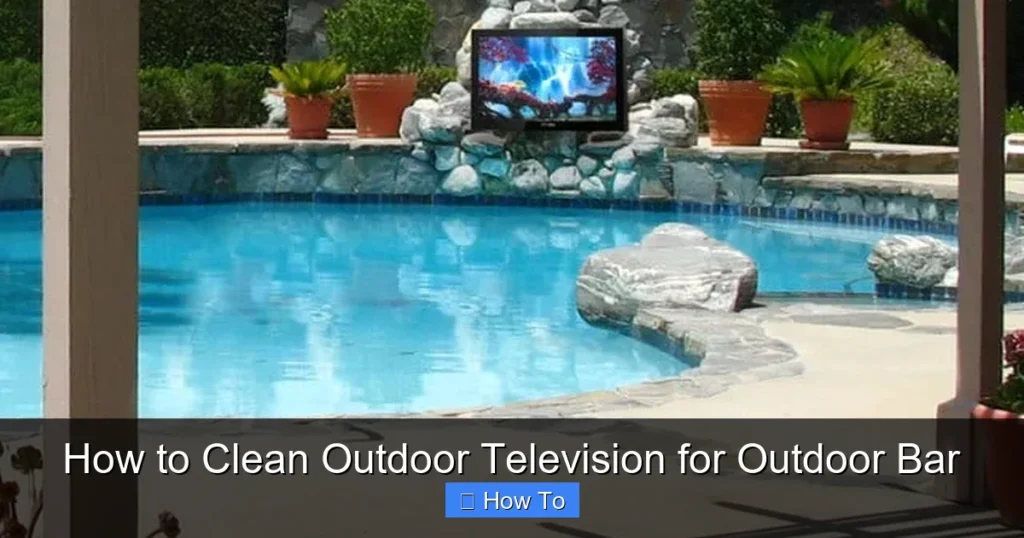
Installing an outdoor TV for your outdoor bar enhances your entertainment space and keeps guests engaged. This guide walks you through choosing the right TV, mounting it safely, running cables, and protecting it from the elements—so you can enjoy crystal-clear viewing rain or shine.
Key Takeaways
- Choose a true outdoor TV: Standard indoor TVs aren’t built for weather, humidity, or temperature swings. Invest in a certified outdoor model designed for open-air use.
- Pick the right mounting location: Ensure the screen is visible from seating areas, protected from direct rain and sun glare, and close enough to power and signal sources.
- Use weatherproof mounts and enclosures: Even with an outdoor TV, a weatherproof mount or enclosure adds extra protection against dust, moisture, and pests.
- Plan your cable routing carefully: Run power, HDMI, and antenna cables through conduit or along protected pathways to prevent damage and tripping hazards.
- Secure all connections with waterproofing: Use silicone sealant, waterproof tape, and outdoor-rated junction boxes to keep moisture out of electrical connections.
- Test everything before finalizing: Power on the TV, check signal strength, and verify audio/video quality before sealing up cables and mounting hardware.
- Maintain your setup regularly: Clean the screen, inspect seals, and check for loose wiring every few months to ensure long-term performance.
How to Install Outdoor TV for Outdoor Bar
Imagine this: it’s a warm summer evening, your friends are gathered around your outdoor bar, drinks in hand, laughing and chatting. The grill is sizzling, music is playing, and the big game is about to start. But instead of crowding around a small tablet or squinting at a phone, everyone’s eyes are fixed on a crisp, clear 55-inch outdoor TV mounted right above the bar. That’s the dream—and it’s totally achievable.
Installing an outdoor TV for your outdoor bar isn’t just about mounting a screen. It’s about creating a durable, safe, and enjoyable entertainment hub that stands up to the elements while delivering top-notch performance. Whether you’re building a backyard oasis or upgrading your patio setup, this complete guide will walk you through every step—from choosing the right TV to final testing and maintenance.
By the end of this guide, you’ll know exactly how to install an outdoor TV for your outdoor bar, including how to pick the best model, where to mount it, how to run cables safely, and how to protect everything from rain, sun, and temperature changes. Let’s get started.
Step 1: Choose the Right Outdoor TV
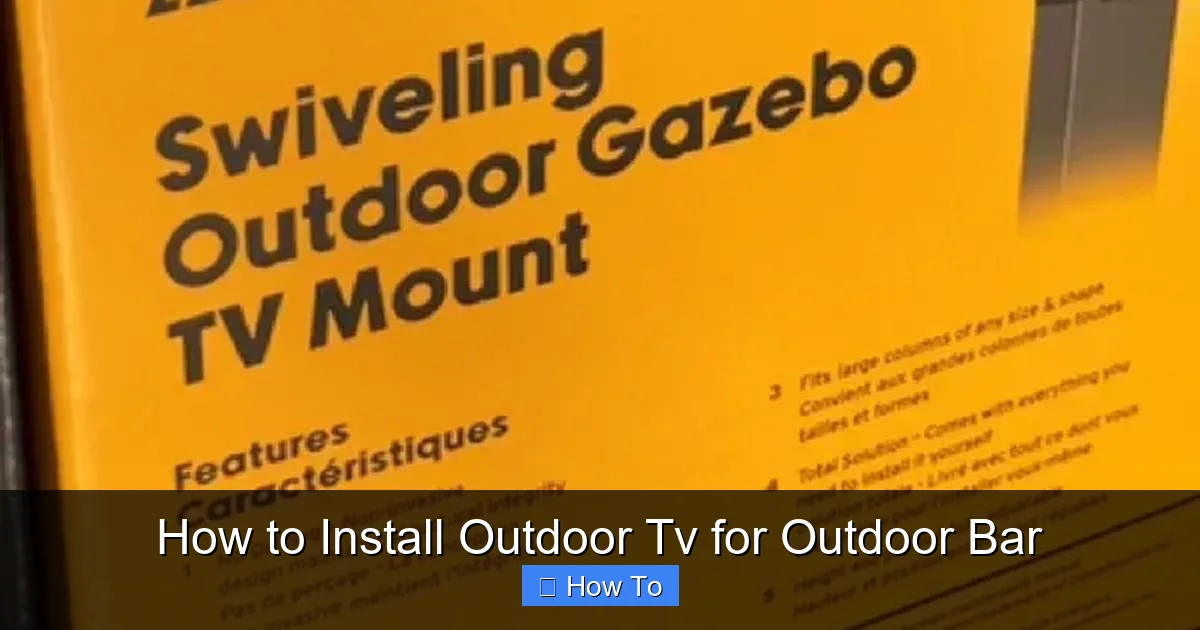
Visual guide about How to Install Outdoor Tv for Outdoor Bar
Image source: zebozap.com
The first and most important step is selecting a TV built for outdoor use. Don’t make the mistake of using a regular indoor TV—even if it’s under a covered patio. Indoor TVs aren’t designed to handle humidity, temperature extremes, or dust, and they can overheat or short-circuit when exposed to outdoor conditions.
Look for True Outdoor Certification
True outdoor TVs are specifically engineered for open-air environments. They come with features like:
– Weatherproof casings: Sealed against rain, snow, and dust (look for IP55 or higher ratings).
– Temperature-resistant components: Built to operate in extreme heat or cold (typically -30°F to 120°F).
– Anti-glare screens: Designed to reduce reflections from sunlight, so you can see the picture even on bright days.
– Enhanced cooling and ventilation: Prevents overheating during long viewing sessions.
Brands like SunBrite, Samsung Terrace, and Seura are leaders in outdoor TV technology. While they cost more than indoor models, they’re a smart investment for long-term reliability.
Consider Screen Size and Viewing Distance
For an outdoor bar, a 50- to 65-inch screen is usually ideal. It’s large enough to be seen from multiple seating areas but not so big that it overwhelms the space.
Use this simple rule: your viewing distance should be about 1.5 to 2.5 times the screen’s diagonal size. So for a 55-inch TV, sit between 7 and 11 feet away. If your bar seating is closer, go smaller. If it’s farther, consider a 65-inch model.
Decide on Smart Features
Most outdoor TVs come with built-in smart platforms like Roku, Android TV, or webOS. This lets you stream Netflix, YouTube, or live sports without needing an external device. Make sure the model you choose supports your favorite apps and has Wi-Fi connectivity.
If you prefer using a streaming stick (like a Roku or Fire Stick), ensure the TV has accessible HDMI ports and that you can protect the device from the elements.
Step 2: Pick the Perfect Mounting Location
Where you mount your TV can make or break the experience. A poorly placed screen leads to glare, obstructed views, or constant adjustments.
Ensure Clear Sightlines
Mount the TV where it’s visible from all key seating areas—bar stools, lounge chairs, and dining tables. Avoid placing it behind pillars, plants, or other obstacles.
Use a temporary stand or lean the TV against a wall to test the view from different angles before drilling any holes.
Protect from Direct Sun and Rain
Even with an outdoor-rated TV, it’s best to mount it under a covered area like a pergola, awning, or roof overhang. This reduces exposure to direct sunlight (which can cause glare) and heavy rain (which can damage mounts and cables).
If full coverage isn’t possible, consider a retractable awning or shade sail that you can deploy during use.
Avoid Heat Sources
Keep the TV away from grills, fire pits, or direct sunlight during peak hours. Excessive heat can shorten the TV’s lifespan and cause image distortion.
Check for Power and Signal Access
Your TV needs power, and ideally, a strong Wi-Fi signal or wired internet connection. Choose a spot within 10–15 feet of an outdoor GFCI outlet. If you’re using cable or antenna, ensure the location gets good reception.
If your bar is far from the house, you may need to run an extension cord through conduit or install a new outdoor outlet (hire an electrician for this).
Step 3: Select the Right Mounting Hardware
Not all mounts are created equal—especially for outdoor use.
Use an Outdoor-Rated Mount
Standard indoor mounts aren’t built to withstand wind, moisture, or temperature changes. Look for mounts labeled “outdoor use” or “weatherproof.” These are typically made of rust-resistant materials like powder-coated steel or aluminum.
Choose the Right Mount Type
There are three main types:
– Fixed mounts: Hold the TV flat against the wall. Best for permanent setups where you don’t need to adjust the angle.
– Tilt mounts: Allow you to angle the TV up or down. Great if the screen is mounted high above the bar.
– Full-motion (articulating) mounts: Let you swivel and extend the TV. Ideal if you want to adjust the view for different events or seating arrangements.
For most outdoor bars, a tilt or full-motion mount offers the best flexibility.
Ensure Proper Weight and Size Support
Check the mount’s weight and VESA compatibility (the bolt pattern on the back of the TV). Most outdoor TVs use standard VESA sizes (200×200, 400×400, etc.), but always double-check.
Consider a Weatherproof Enclosure (Optional)
Even with an outdoor TV, some people add a weatherproof enclosure for extra protection. These are like protective covers that shield the TV from dust, bugs, and light rain. They’re especially useful in areas with high humidity or frequent storms.
Just make sure the enclosure has proper ventilation to prevent overheating.
Step 4: Prepare the Mounting Surface
Before you drill, make sure the wall or structure can support the TV’s weight.
Check Wall Material
Most outdoor bars are built with wood, brick, or concrete. Each requires different mounting techniques:
– Wood: Use lag bolts into studs. Locate studs with a stud finder.
– Brick or concrete: Use masonry anchors or sleeve anchors. A hammer drill is usually needed.
– Metal framing: Use self-tapping screws into metal studs.
Avoid mounting into drywall, stucco, or thin veneer unless it’s backed by solid framing.
Reinforce if Necessary
If the wall feels weak or the TV is large (over 60 inches), consider adding a backing board. Attach a piece of pressure-treated plywood to the wall with long screws, then mount the TV bracket to the board. This spreads the weight and adds stability.
Mark and Level
Use a tape measure, level, and pencil to mark where the mount will go. Measure twice, drill once. A crooked TV is frustrating and unsafe.
Step 5: Run and Protect Your Cables
Cables are the lifeline of your outdoor TV setup—but they’re also the most vulnerable part.
Plan Your Cable Path
Map out the route from the TV to the power outlet, internet source, and any external devices (like a soundbar or streaming box). Keep cables as short as possible to reduce signal loss and clutter.
Avoid running cables across walkways or where people might trip.
Use Outdoor-Rated Cables
Standard indoor cables can degrade when exposed to UV light and moisture. Use:
– Outdoor-rated HDMI cables: Look for “direct burial” or “outdoor” labels.
– Weatherproof power cords: Use a heavy-duty outdoor extension cord or have a licensed electrician install a permanent outlet.
– Ethernet cables (if using wired internet): Use Cat 6 or Cat 6a with UV-resistant jackets.
Protect Cables with Conduit
Run all cables through PVC or flexible conduit to shield them from weather, pests, and physical damage. Bury the conduit underground if possible, or attach it to the wall with clips.
For power cables, use separate conduit from data cables to avoid interference.
Seal All Connections
Use silicone sealant or waterproof tape on cable entry points. For extra protection, install outdoor-rated junction boxes where cables connect.
If you’re using a streaming device, place it in a weatherproof media box or enclosure near the TV.
Step 6: Mount the TV
Now it’s time to hang your TV—safely and securely.
Attach the Mount to the Wall
Follow the manufacturer’s instructions. Use a drill, appropriate anchors, and a level. Have a helper hold the mount in place while you secure it.
Double-check that all bolts are tight and the mount is level.
Attach the Brackets to the TV
Most mounts come with brackets that screw into the VESA holes on the back of the TV. Use the provided screws and a screwdriver. Don’t overtighten—this can crack the TV’s casing.
Hang the TV on the Mount
With a helper, lift the TV and hook it onto the wall mount. Make sure it’s seated properly and locked in place (some mounts have safety locks).
Give it a gentle tug to confirm it’s secure.
Adjust the Angle
If using a tilt or articulating mount, adjust the TV so the screen is at eye level when seated. Avoid extreme angles that strain the mount or reduce picture quality.
Step 7: Connect and Test Everything
Before you call it a day, make sure everything works.
Plug in Power and Devices
Connect the TV to power, and plug in any streaming devices, soundbars, or antennas. Use surge protectors to guard against power spikes.
Test the Picture and Sound
Turn on the TV and check for a clear image. Test different inputs (HDMI, antenna, streaming apps). Adjust brightness and contrast for outdoor viewing.
If using external speakers, test the audio and adjust volume levels.
Check Wi-Fi or Internet Connection
Make sure the TV connects to your home network. Run a speed test if possible. If the signal is weak, consider a Wi-Fi extender or mesh network node near the bar.
Test All Functions
Try changing channels, streaming a video, and adjusting settings. Make sure remote control works from various seating positions.
Step 8: Secure and Weatherproof the Setup
Even the best setup needs protection from the elements.
Seal All Exposed Areas
Apply silicone sealant around the mount, cable entry points, and any gaps between the TV and wall. This prevents water from seeping in.
Use Cable Clips and Covers
Secure loose cables to the wall with outdoor-rated clips. Use cable covers or raceways to hide and protect them.
Install a Surge Protector
Outdoor electronics are vulnerable to lightning and power surges. Use a high-quality outdoor surge protector with multiple outlets.
Step 9: Maintain Your Outdoor TV
To keep your TV running smoothly, regular maintenance is key.
Clean the Screen Monthly
Use a microfiber cloth and screen-safe cleaner. Avoid harsh chemicals or paper towels, which can scratch the surface.
Inspect Seals and Cables
Every few months, check for cracks in seals, frayed cables, or loose mounts. Tighten bolts and reapply sealant if needed.
Check for Pests
Spiders, ants, and rodents love outdoor electronics. Inspect behind the TV and in cable runs. Use pest deterrents if necessary.
Update Software
Keep your TV’s firmware and apps updated for the best performance and security.
Troubleshooting Common Issues
Even with careful planning, problems can arise. Here’s how to fix the most common ones.
TV Won’t Turn On
– Check the power outlet with another device.
– Ensure the surge protector is on and functional.
– Verify all cables are securely connected.
Poor Picture Quality
– Adjust brightness and contrast settings for outdoor viewing.
– Check HDMI cable connections.
– Move closer to the Wi-Fi router or use a wired connection.
Overheating
– Ensure the TV has proper ventilation.
– Remove any enclosures blocking airflow.
– Avoid direct sunlight during peak hours.
Remote Not Working
– Replace the batteries.
– Make sure there’s no obstruction between the remote and TV.
– Try using the TV’s app on your phone as a backup.
Water Damage
– If the TV gets wet, unplug it immediately.
– Let it dry completely before use.
– Check seals and reapply waterproofing.
Final Thoughts
Installing an outdoor TV for your outdoor bar is more than a DIY project—it’s an investment in your home’s entertainment value. With the right TV, proper mounting, and smart cable management, you can create a weather-resistant setup that delivers stunning picture quality year-round.
Remember: safety and durability come first. Use outdoor-rated equipment, protect your cables, and maintain your system regularly. The result? A sleek, functional outdoor bar where friends and family can gather, relax, and enjoy the game—no matter the weather.
So grab your tools, pick out that perfect TV, and get ready to elevate your outdoor space. Your future self (and your guests) will thank you.