
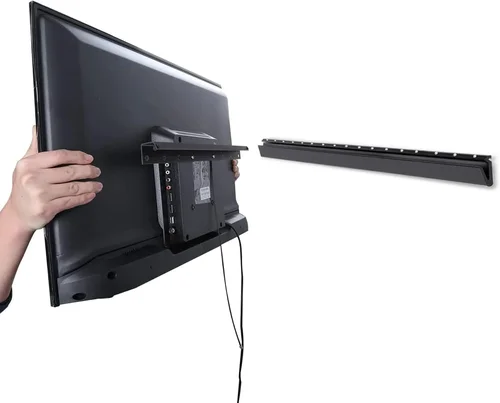
When it comes to maintaining a rental property, outdoor spaces often get overlooked—yet they play a crucial role in tenant satisfaction and property value. One increasingly popular amenity in modern rental homes is the backyard TV setup. Whether mounted under a pergola, installed on a weatherproof stand, or integrated into an outdoor entertainment zone, these televisions enhance the living experience for tenants who enjoy alfresco dining, movie nights under the stars, or watching sports while grilling. However, unlike indoor TVs, outdoor models are exposed to the elements: dust, pollen, rain, bird droppings, humidity, and even UV radiation. Over time, this exposure can degrade performance, reduce image clarity, and shorten the lifespan of the device. That’s why knowing how to properly clean and maintain a backyard TV isn’t just a nice-to-have—it’s essential for landlords, property managers, and even tenants who want to protect their investment.
This comprehensive guide is designed to equip you with everything you need to know about cleaning and maintaining outdoor TVs in rental properties. Whether you’re managing a single-family home, a duplex, or a multi-unit complex with shared outdoor amenities, this guide will walk you through best practices, safety protocols, product recommendations, and cost-effective strategies. You’ll learn how to assess your TV’s condition, choose the right cleaning tools, avoid common mistakes that could void warranties or damage screens, and establish a maintenance schedule that keeps your outdoor entertainment system looking and performing like new. We’ll also cover key considerations when selecting an outdoor TV for rental use—because prevention is always better than repair.
The market for outdoor televisions has grown significantly in recent years, driven by advancements in weather-resistant technology and rising demand for outdoor living spaces. Brands like Samsung, Sony, SunBrite, Seura, and Peerless-AV now offer fully sealed, all-weather models designed specifically for patios, decks, and backyard installations. These units come with features like anti-glare screens, enhanced brightness (measured in nits), corrosion-resistant housings, and built-in heating or cooling systems to handle extreme temperatures. But even the most rugged outdoor TV requires regular care—especially in high-traffic rental environments where multiple tenants may use the space. This guide will help you navigate the complexities of outdoor TV maintenance with confidence, ensuring your property remains attractive, functional, and tenant-ready year-round.

What to Look for When Buying Buying Guide
1. Budget & Price Range
When selecting an outdoor TV for a rental property, budget is often the first consideration—but it shouldn’t be the only one. Outdoor TVs typically cost significantly more than their indoor counterparts due to specialized engineering and weatherproofing. Entry-level models start around $1,500, while premium all-weather units can exceed $5,000. For rental properties, it’s wise to strike a balance between affordability and durability. A mid-range model ($2,500–$3,500) often offers the best value, providing robust construction, reliable performance, and sufficient longevity to justify the investment over several lease cycles. Avoid the cheapest options, as they may lack proper sealing or use subpar materials that degrade quickly under outdoor conditions. Instead, factor in total cost of ownership, including potential repair or replacement costs if the unit fails prematurely.
2. Performance Specifications
Not all outdoor TVs are created equal when it comes to performance. Key specs to evaluate include screen brightness (measured in nits), resolution, refresh rate, and viewing angle. For backyard use, a minimum brightness of 700 nits is recommended—anything less will struggle in direct sunlight. Look for at least Full HD (1080p) resolution, though 4K models are increasingly common and provide sharper detail for larger screens. A high refresh rate (120Hz or higher) ensures smooth motion during fast-paced content like sports or action movies. Additionally, consider the TV’s operating temperature range. Most outdoor models function between -30°F and 120°F, but verify this matches your local climate. Some units include built-in heaters for cold climates or cooling fans for hot regions—features that can extend lifespan and improve reliability.
3. Build Quality & Durality
Durability is non-negotiable for outdoor TVs in rental settings. These units face constant exposure to moisture, dust, insects, and temperature swings. Look for TVs with an IP55 or higher ingress protection rating, which indicates resistance to water jets and dust intrusion. The housing should be made of powder-coated aluminum or marine-grade stainless steel to prevent rust and corrosion. Check that all ports, vents, and mounting hardware are sealed or protected. Reinforced glass or anti-reflective coatings on the screen also contribute to longevity. For rental properties, where tenants may not handle equipment with care, opt for models with shatter-resistant screens and tamper-proof designs. A well-built TV may cost more upfront but will save money in the long run by reducing maintenance calls and replacements.
4. Features & Functionality
Modern outdoor TVs come packed with features that enhance usability and integration. Smart TV capabilities (like built-in Wi-Fi, streaming apps, and voice control) are increasingly standard and add significant value for tenants. However, ensure the smart platform is reliable and receives regular software updates—outdated firmware can lead to security vulnerabilities or compatibility issues. Consider models with multiple HDMI inputs, USB ports, and audio outputs for connecting soundbars, gaming consoles, or streaming devices. Some units include built-in speakers, though external audio systems usually deliver better sound quality for outdoor spaces. Also, look for features like automatic brightness adjustment, which optimizes screen visibility based on ambient light, or remote controls with long-range capabilities for convenient operation from a distance.
5. Brand Reputation
Choosing a reputable brand matters when investing in outdoor technology. Established manufacturers like Samsung, LG, and Sony have extensive R&D resources and proven track records in display technology. However, for dedicated outdoor use, specialty brands such as SunBriteTV, Seura, and Peerless-AV are often superior choices. These companies design their products from the ground up for exterior environments, offering better sealing, brighter displays, and longer warranties. Research customer reviews, professional installer feedback, and industry awards to gauge reliability. Avoid unknown or generic brands that may cut corners on materials or lack proper certification. A trusted brand not only ensures better performance but also simplifies troubleshooting and access to replacement parts or service.
6. Warranty & Support
A strong warranty is a critical safeguard for rental property owners. Outdoor TVs are expensive assets, and unexpected failures can disrupt tenant enjoyment and incur repair costs. Look for models with at least a 2–3 year comprehensive warranty that covers both parts and labor. Some premium brands offer extended warranties or on-site service options, which can be invaluable for multi-unit properties. Verify what the warranty includes—does it cover weather damage, screen burn-in, or power surges? Also, check if the manufacturer provides technical support via phone, email, or chat. For rental scenarios, quick resolution is key to minimizing downtime. Avoid products with limited or region-specific warranties, as these may leave you stranded if issues arise outside covered areas.
7. Size & Portability
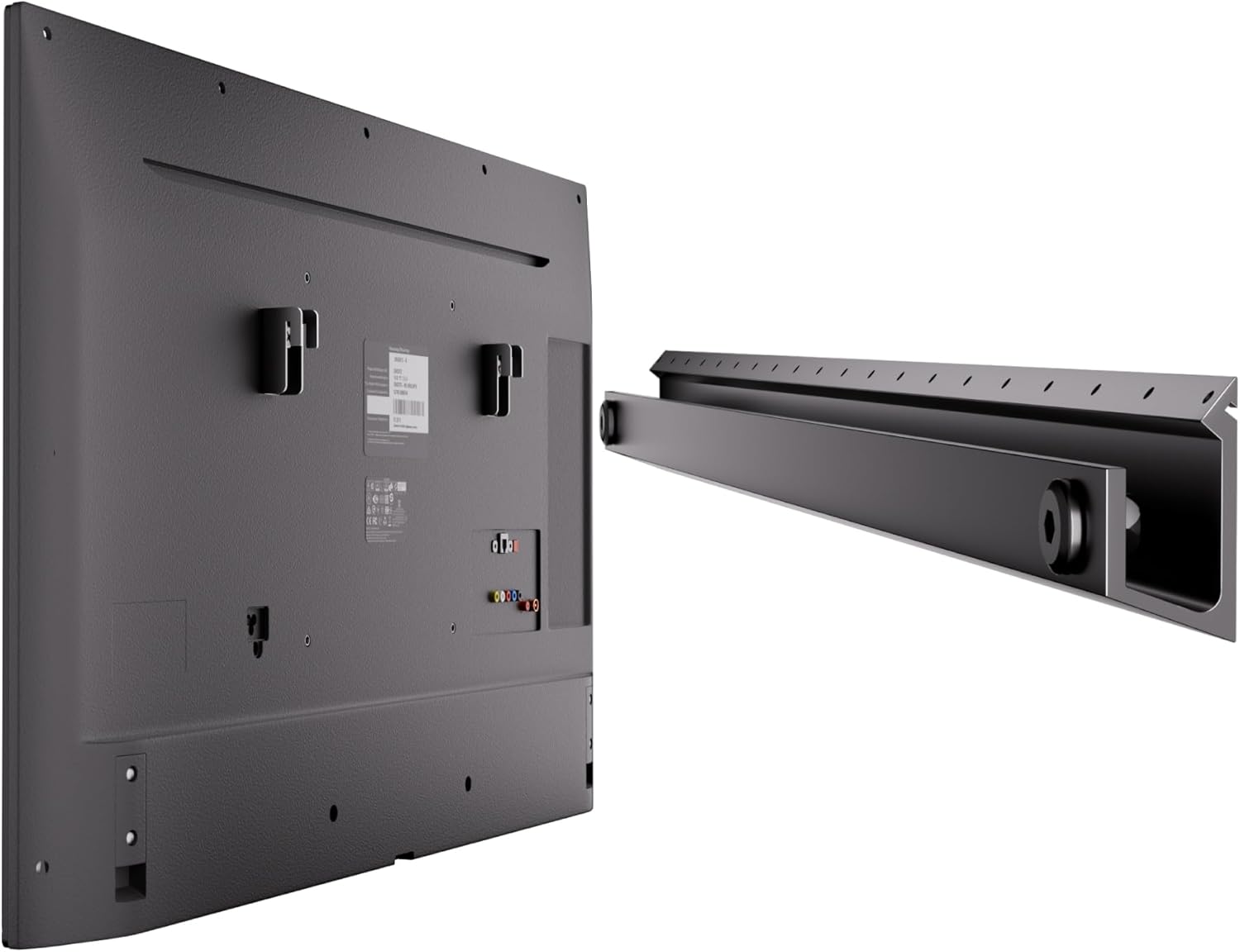
Screen size should align with the intended viewing distance and space constraints of your backyard setup. For most patios or decks, a 55-inch to 65-inch TV offers an ideal balance of visibility and footprint. Larger screens (75 inches and up) work well for spacious yards but require stronger mounts and may overwhelm smaller areas. Consider whether the TV needs to be portable—for example, if it’s used in a shared community space or moved seasonally. Some outdoor TVs come with wheeled carts or detachable stands, adding flexibility. However, portability often sacrifices some durability, so weigh convenience against robustness. For fixed installations, ensure the mounting system is secure and rated for outdoor use. Wall mounts should be corrosion-resistant and capable of supporting the TV’s weight even in high winds.
8. User Reviews & Ratings
Before making a purchase, consult real-world user experiences. Online reviews on platforms like Amazon, Best Buy, or specialty AV forums provide insights into long-term performance, ease of installation, and common issues. Pay attention to comments about weather resistance, screen clarity in sunlight, remote functionality, and customer service responsiveness. Look for patterns—if multiple users report the same problem (e.g., fogging inside the screen or Wi-Fi dropout), it may indicate a design flaw. Conversely, consistent praise for reliability or ease of cleaning can signal a worthwhile investment. For rental properties, prioritize models with high ratings for durability and low maintenance, as these will reduce tenant complaints and upkeep demands.
Different Types of Buying Guide
Common Buying Mistakes to Avoid
❌ Mistake: Using an Indoor TV Outdoors
Why it’s bad: Indoor TVs lack weatherproofing and are not designed to handle moisture, temperature extremes, or UV exposure. Even under a covered patio, condensation, humidity, and dust can seep into internal components, causing corrosion, screen fogging, or electrical failure. Most manufacturers void warranties if indoor TVs are used outside.
What to do instead: Always choose a TV specifically rated for outdoor use. If budget is tight, consider a partial-outdoor model for covered areas or pair an indoor TV with a certified outdoor enclosure—but never expose a standard TV directly to the elements.
❌ Mistake: Ignoring Local Climate Conditions
Why it’s bad: A TV suitable for a dry desert climate may fail in a humid coastal area or freeze in a northern winter. Ignoring temperature ranges, humidity levels, or salt air exposure can lead to premature degradation, fogging, or mechanical failure.
What to do instead: Research your region’s weather patterns and select a TV with an operating range that exceeds local extremes. For coastal properties, prioritize corrosion-resistant materials. In cold climates, look for models with built-in heaters.
❌ Mistake: Overlooking Mounting and Installation Requirements
Why it’s bad: Improper mounting can result in instability, water intrusion, or even the TV falling—posing safety risks and potential liability. Many landlords skip professional installation to save money, only to face costly repairs or accidents later.
What to do instead: Hire a certified installer familiar with outdoor AV setups. Ensure mounts are rated for outdoor use, securely anchored, and positioned to avoid glare or water pooling. Use conduit for cable management to protect wiring.
❌ Mistake: Neglecting Regular Maintenance
Why it’s bad: Dust, pollen, bird droppings, and hard water stains accumulate quickly on outdoor screens and housings. Without regular cleaning, these contaminants can scratch surfaces, block vents, or interfere with touch controls (if applicable).
What to do instead: Establish a bi-weekly or monthly cleaning routine using appropriate tools. Include inspections for loose screws, frayed cables, or signs of moisture ingress. Document maintenance for warranty and tenant records.
❌ Mistake: Choosing the Wrong Screen Size or Placement
Why it’s bad: A TV that’s too small won’t be visible from seating areas; one that’s too large can overwhelm the space and increase glare. Poor placement—such as facing direct sunlight—can render the screen unusable during peak hours.
What to do instead: Measure viewing distances and choose a screen size that provides comfortable visibility (e.g., 55″ for 8–10 feet). Position the TV to minimize glare, ideally under an awning or pergola with adjustable shading.
❌ Mistake: Skimping on Audio Solutions
Why it’s bad: Built-in TV speakers are often inadequate for outdoor environments due to ambient noise (wind, traffic, nature). Tenants may complain about poor sound quality, reducing satisfaction and perceived value.
What to do instead: Invest in weatherproof outdoor speakers or a soundbar designed for exterior use. Wireless options simplify installation and reduce cable clutter.
❌ Mistake: Failing to Secure the TV Against Theft or Vandalism
Why it’s bad: Outdoor TVs are attractive targets for theft, especially in shared or high-traffic rental properties. Unsecured units can be easily removed, leading to financial loss and tenant inconvenience.
What to do instead: Use tamper-resistant mounts with locking mechanisms. Consider adding security cameras or motion sensors. For high-risk areas, choose recessed installations or models with anti-theft features.
Budget Guidelines: How Much Should You Spend?
- Entry-Level ($1,500 – $2,500): Suitable for covered patios or mild climates. These partial-outdoor models offer basic weather resistance and decent brightness but may lack advanced features or long-term durability. Ideal for short-term rentals or budget-focused landlords.
- Mid-Range ($2,500 – $4,000): The sweet spot for most rental properties. These fully outdoor TVs provide robust construction, high brightness (700+ nits), smart features, and reliable performance across varied conditions. Expect 5–7 years of service with proper care.
- Premium ($4,000 – $6,000): For luxury rentals, vacation homes, or high-end complexes. These models boast 4K resolution, extreme temperature tolerance, anti-glare coatings, and extended warranties. Built for 24/7 use and harsh environments.
- Luxury ($6,000+): Commercial-grade displays with enterprise support, vandal resistance, and custom integration options. Best for large-scale properties, hotels, or high-net-worth tenants who expect top-tier amenities.
Expert Tips for Getting the Best Deal
- Buy During Off-Season: Outdoor TVs see peak demand in spring and summer. Shop in late fall or winter for discounts, clearance sales, or bundled deals with mounts and accessories.
- Compare Retailers: Check specialty AV dealers, home improvement stores, and online marketplaces. Some retailers offer price matching or free installation with purchase.
- Look for Refurbished Models: Certified refurbished outdoor TVs from reputable brands can save 20–30% off retail while offering the same warranty and performance.
- Bundle with Other Outdoor Upgrades: If you’re installing lighting, speakers, or a pergola, ask vendors about package discounts. Contractors often provide better rates for multi-service jobs.
- Verify Return and Exchange Policies: Ensure the seller allows returns within 30 days in case of compatibility issues or defects. Avoid final-sale items unless thoroughly vetted.
- Test Before Finalizing Installation: Power on the TV and check all inputs, Wi-Fi connectivity, and remote functionality before securing it permanently. This avoids costly rework.
- Register for Manufacturer Updates: Sign up for newsletters to receive alerts about firmware updates, extended warranty offers, or recall notices.
- Document Everything: Keep receipts, warranty cards, and installation photos. This simplifies claims and provides proof of proper maintenance for tenants or insurers.

Frequently Asked Questions
Q: Can I clean an outdoor TV with regular glass cleaner?
A: No. Most commercial glass cleaners contain ammonia or alcohol, which can damage anti-reflective coatings and seals on outdoor TVs. Always use a cleaner specifically formulated for electronics or a mild solution of distilled water and isopropyl alcohol (70/30 mix). Apply it to a microfiber cloth—never directly to the screen.
Q: How often should I clean my backyard TV?
A: In most climates, clean the screen and housing every 2–4 weeks. Increase frequency during pollen season, after storms, or if bird activity is high. Regular cleaning prevents buildup that’s harder to remove later.
Q: Is it safe to clean the TV while it’s raining?
A: No. Always power off and unplug the TV before cleaning, and avoid wet conditions. Moisture combined with electricity poses a shock hazard, and water can seep into unsealed areas during cleaning.
Q: Can tenants clean the outdoor TV themselves?
A: It’s not recommended unless explicitly allowed in the lease agreement. Improper cleaning can void warranties or cause damage. Provide clear instructions if tenants are permitted to wipe down the screen, but schedule professional maintenance for deep cleans.
Q: What should I do if the screen fogs up?
A: Light fogging may resolve as the TV warms up. Persistent fog indicates a seal failure—contact the manufacturer immediately, as this often voids warranties if not addressed promptly.
Q: Do outdoor TVs need covers when not in use?
A: Not if they’re truly all-weather rated. However, using a breathable, UV-resistant cover during extended off-seasons (e.g., winter in cold climates) can extend lifespan and reduce cleaning needs.
Q: Can I mount an outdoor TV on a wooden deck railing?
A: Only if the railing is structurally sound and the mount is designed for horizontal surfaces. Most outdoor mounts require vertical walls or posts. Consult a structural engineer if unsure.
Q: Will power surges damage an outdoor TV?
A: Yes. Lightning and grid fluctuations are common outdoors. Always use a high-quality surge protector rated for outdoor use, and consider a whole-property surge suppression system for added protection.
Q: How do I know if my outdoor TV is still under warranty?
A: Check the manufacturer’s website with your model number and serial info. Most brands provide online warranty checkers. Keep purchase receipts and registration confirmations on file.
Q: Can I upgrade the software on my outdoor TV?
A: Yes, most smart outdoor TVs receive over-the-air updates. Ensure the TV remains connected to Wi-Fi and enable automatic updates in settings. Avoid interrupting updates, as this can brick the device.
Our Final Recommendations
- Best for Budget-Conscious Buyers: SunBriteTV Veranda Series – Offers excellent value with full weatherproofing, 700-nit brightness, and a 2-year warranty. Ideal for covered patios and mild climates.
- Best Overall Value: Seura Outdoor 4K Ultra – Combines 4K clarity, 1,000-nit brightness, and sleek design at a mid-range price. Perfect for most rental backyards.
- Best Premium Option: Peerless-AV Xtreme – Built for extreme conditions with IP66 rating, heated/cooled internals, and commercial-grade durability. Ideal for luxury rentals or harsh environments.
- Best for Beginners: Samsung The Terrace – User-friendly smart platform, reliable performance, and strong brand support. Great for landlords new to outdoor AV.
- Best for Advanced Users: LG OLED Pro Outdoor – Features self-lit pixels for perfect blacks, ultra-thin design, and professional calibration tools. Best for tech-savvy property managers wanting top-tier visuals.
Conclusion: Making the Right Choice
Maintaining a backyard TV in a rental property is more than just a chore—it’s a strategic investment in tenant satisfaction, property appeal, and long-term asset protection. By choosing the right model, installing it correctly, and adhering to a consistent cleaning and maintenance routine, you can ensure your outdoor entertainment system remains a standout feature rather than a liability. Remember, the goal isn’t perfection—it’s reliability. A clean, functional TV enhances the rental experience, reduces turnover, and justifies premium pricing.
As you move forward, prioritize durability over flashy features, and always consider the unique demands of your property and climate. Don’t cut corners on installation or skip regular upkeep. And when in doubt, consult a professional. Outdoor TVs are sophisticated pieces of technology, and treating them with care pays dividends in performance and peace of mind.
Whether you’re managing a cozy cottage or a sprawling vacation rental, this guide equips you with the knowledge to make informed decisions. Use it to evaluate options, avoid pitfalls, and create outdoor spaces that tenants will love—and landlords will appreciate. Your backyard TV doesn’t have to be high-maintenance. With the right approach, it becomes a low-effort, high-impact amenity that shines year after year.

