
Outdoor entertainment has evolved dramatically over the past decade, and one of the most exciting developments is the rise of backyard TVs. Whether you’re hosting summer barbecues, watching the big game under the stars, or simply unwinding after a long day with your favorite show, an outdoor television can transform your patio, deck, or garden into a true extension of your living room. However, for homeowners in rainy climates—think Pacific Northwest, Gulf Coast, or parts of the UK and Northern Europe—owning an outdoor TV comes with unique challenges. Constant exposure to moisture, humidity, salt air, and temperature fluctuations can quickly degrade even the most robust electronics if not properly maintained.
That’s where this comprehensive guide comes in. If you’ve invested in an outdoor TV or are considering one, knowing how to clean and care for it in wet conditions isn’t just a nice-to-have—it’s essential for longevity, performance, and safety. This guide is designed for real people facing real weather: you’ll learn exactly what to do (and what not to do) to keep your backyard TV running smoothly year-round, regardless of how often it rains. We’ll cover everything from choosing the right model for your climate to step-by-step cleaning techniques, protective accessories, and expert maintenance routines that extend the life of your investment.
The market for outdoor TVs has grown significantly, with manufacturers now offering models specifically engineered for all-weather use. From fully sealed, IP-rated displays to weatherproof enclosures and heated screens, today’s options are more advanced than ever. But even the best technology needs proper care—especially in regions where rain isn’t just seasonal but a near-daily occurrence. This guide will walk you through every critical aspect of maintaining your outdoor TV in rainy climates, ensuring you get the most value, clarity, and reliability from your setup. Whether you’re a first-time buyer or a seasoned outdoor tech enthusiast, you’ll walk away with actionable, expert-backed strategies to protect your investment.
What to Look for When Buying Buying Guide
1. Weather Resistance Rating (IP Rating)
When shopping for an outdoor TV in a rainy climate, the first and most critical factor to evaluate is its Ingress Protection (IP) rating. This two-digit code tells you exactly how well the TV resists dust and water. The first digit ranges from 0 to 6 and measures protection against solid particles like dust; the second digit ranges from 0 to 9 and indicates resistance to liquids, including rain, splashes, and even high-pressure water jets. For rainy environments, you’ll want a minimum IP55 rating—this means the TV is protected against dust (limited ingress) and low-pressure water jets from any direction. However, for heavy or constant rainfall, aim for IP65 or higher. An IP65-rated TV is dust-tight and can withstand water projected from a nozzle, making it ideal for most outdoor installations. Some premium models even offer IP66 or IP67, which provide even greater protection against powerful water jets or temporary immersion.
It’s important to note that not all “outdoor” TVs are created equal. Some manufacturers market standard indoor TVs as “weather-resistant” simply because they come with a cover or are sold in an outdoor bundle. Always verify the IP rating independently—don’t rely solely on marketing language. A TV with a high IP rating will have sealed ports, reinforced gaskets, and corrosion-resistant internal components, all of which are vital in humid, wet conditions. For example, a TV installed under a covered patio in Seattle might survive with an IP55, but one mounted in an open backyard in Florida’s hurricane season demands IP66 or better.
2. Build Quality & Durational Materials
The physical construction of an outdoor TV plays a huge role in its ability to withstand rainy climates. Look for models built with marine-grade aluminum, stainless steel hardware, and powder-coated finishes that resist rust and corrosion. These materials are commonly used in boats and coastal infrastructure for a reason—they endure salt air, moisture, and temperature swings without degrading. Avoid TVs with plastic casings or painted steel components, as these can crack, warp, or rust over time when exposed to constant dampness.
Additionally, pay attention to the internal components. High-quality outdoor TVs often feature conformal coating on circuit boards, which is a protective layer that shields electronics from moisture, dust, and corrosion. This is especially important in areas with high humidity, where condensation can form inside the TV even if it’s not directly rained on. Some manufacturers also use sealed optical bonding between the screen and outer glass, which prevents fogging and improves visibility in wet conditions. For instance, SunBriteTV and Samsung’s Terrace series are known for their robust builds and are frequently recommended for coastal and rainy regions.
3. Screen Technology & Brightness
Not all screens perform equally well in outdoor environments, especially when rain or moisture is involved. In rainy climates, you’ll want a TV with high brightness—measured in nits—to combat glare from wet surfaces and overcast skies. Most indoor TVs max out around 300–500 nits, but outdoor models typically range from 700 to 2,500 nits. A brightness of at least 1,000 nits is recommended for areas with frequent cloud cover or rain, as it ensures the image remains visible even when the screen is wet or reflecting ambient light.
Screen type also matters. OLED TVs, while offering superior contrast and color, are generally not recommended for outdoor use due to their susceptibility to moisture and lower peak brightness compared to QLED or LED-backlit models. Instead, look for TVs with anti-reflective coatings and direct-lit LED or QLED panels, which provide better visibility in challenging lighting. Some outdoor TVs also feature heated screens or hydrophobic coatings that repel water droplets, reducing streaking and improving clarity during and after rain. For example, the Sony X95L Outdoor Edition uses a specialized anti-glare layer and high luminance to maintain image quality in wet conditions.
4. Installation & Mounting Compatibility
Proper installation is just as important as the TV’s specs when it comes to surviving rainy weather. Even the most weather-resistant TV can fail if mounted incorrectly or exposed to wind-driven rain. Look for models that are compatible with full-motion or tilt mounts designed for outdoor use. These mounts should be made from corrosion-resistant materials and allow for precise positioning to avoid direct exposure to rain and maximize viewing angles.
Consider where you’ll install the TV. Ideally, it should be under a roof, pergola, or awning that provides overhead protection. If that’s not possible, ensure the mounting bracket includes a weather shield or that you can add one. Some outdoor TVs come with built-in mounting systems that angle the screen slightly downward to encourage water runoff. Additionally, check cable management options—sealed conduit channels or waterproof grommets help prevent water from entering through connection ports. A poorly sealed HDMI or power port is one of the most common points of failure in rainy climates.
5. Heating & Cooling Systems
Temperature extremes are common in rainy climates, where cold, damp winters and humid summers can stress electronic components. Many high-end outdoor TVs include built-in heating and cooling systems to regulate internal temperature. A heating element prevents condensation from forming on the screen and internal parts during cold, wet weather, while a cooling fan or passive heat sink helps dissipate heat on sunny days.
These systems are particularly important in regions with frequent freeze-thaw cycles, as moisture trapped inside the TV can freeze and expand, damaging circuits. Look for models with automatic thermal management that activates based on ambient temperature. For example, some LG outdoor TVs feature a “Climate Mode” that adjusts internal temperature and brightness based on weather conditions. Without proper thermal regulation, even a well-sealed TV can suffer from internal corrosion or component failure over time.
6. Connectivity & Port Protection
Rain doesn’t just threaten the screen—it can also seep into ports and connections, causing short circuits or signal loss. When evaluating an outdoor TV, check the design of its input/output ports. Ideally, they should be located on the bottom or rear of the unit and covered with rubberized flaps or screw-on caps. These seals prevent water from entering when cables are connected or disconnected.
Also consider the types of ports available. HDMI, USB, and Ethernet should all be weather-sealed. Some models include built-in Wi-Fi and Bluetooth to reduce the need for external connections, minimizing exposure points. If you plan to use wired connections, invest in waterproof cable glands or conduit systems to route wires safely from the TV to your source devices. For example, running HDMI cables through a sealed PVC pipe buried underground or along a wall can protect them from rain and UV damage.
7. Brand Reputation & Specialization
Not all TV brands are equally experienced in outdoor technology. While major names like Samsung, LG, and Sony offer outdoor models, some companies specialize exclusively in all-weather displays. Brands like SunBriteTV, Peerless-AV, and Seura have built their reputations on durability and performance in harsh conditions. These manufacturers often conduct extensive real-world testing in coastal, desert, and rainy environments, ensuring their products meet rigorous standards.
Research customer reviews and third-party testing reports to gauge reliability. Look for feedback from users in similar climates—someone in Portland, Oregon, will have different experiences than someone in Phoenix, Arizona. A brand with a strong track record in rainy regions is more likely to offer better support, longer warranties, and proven designs. Additionally, specialized outdoor TV brands often provide detailed installation guides and climate-specific recommendations, which can be invaluable for first-time buyers.
8. Warranty & Support Services
Given the harsh conditions outdoor TVs face, a strong warranty is non-negotiable. Most reputable outdoor TV manufacturers offer extended warranties—typically 2 to 3 years—that cover not just defects but also weather-related damage. Some even provide on-site service or expedited replacement programs. Avoid brands with limited or vague coverage, especially those that exclude “environmental damage” from their terms.
Also consider the availability of customer support. If your TV develops a fogging issue after a heavy rainstorm, you’ll want quick access to technical assistance. Brands with dedicated outdoor support teams can guide you through troubleshooting or arrange repairs without long delays. For example, SunBriteTV offers a 3-year limited warranty with coverage for outdoor use, including moisture and temperature damage, which is rare among consumer electronics.
Different Types of Buying Guide

Common Buying Mistakes to Avoid

❌ Mistake: Buying an Indoor TV and Assuming It’s “Outdoor-Ready”
Why it’s bad: Many consumers mistakenly believe that placing an indoor TV under a covered patio makes it safe for outdoor use. However, even light rain, humidity, and temperature changes can cause condensation, corrosion, and electrical failure in standard TVs. Indoor models lack the sealed ports, corrosion-resistant materials, and thermal management systems needed for outdoor survival.
What to do instead: Invest in a TV specifically designed for outdoor use with a verified IP rating of at least IP55. If budget is a concern, consider a weatherproof enclosure, but never rely on a standard TV alone.
❌ Mistake: Ignoring the Importance of Proper Mounting
Why it’s bad: Mounting an outdoor TV incorrectly—such as on a wall exposed to direct rain or using non-weatherproof hardware—can lead to water ingress, rust, and even structural failure. Wind-driven rain can seep behind the TV or through mounting holes, damaging both the TV and your wall.
What to do instead: Use a certified outdoor mount made from stainless steel or aluminum, and ensure it’s installed under adequate cover. Seal all wall penetrations with silicone caulk or rubber gaskets, and angle the TV slightly downward to encourage water runoff.
❌ Mistake: Overlooking Cable Management
Why it’s bad: Exposed cables are vulnerable to rain, UV damage, and animal chewing. Water can travel along cables into the TV or source devices, causing shorts or signal loss. Poor cable routing also creates tripping hazards and looks unprofessional.
What to do instead: Use waterproof conduit, cable raceways, or in-wall wiring with sealed entry points. Choose cables rated for outdoor use (e.g., direct burial HDMI) and secure them with UV-resistant zip ties or clips.
❌ Mistake: Neglecting Regular Maintenance
Why it’s bad: Even the most durable outdoor TV requires periodic cleaning and inspection. Dust, pollen, bird droppings, and mineral deposits from rainwater can accumulate on the screen and vents, reducing visibility and potentially blocking airflow or drainage.
What to do instead: Establish a monthly cleaning routine using approved methods (see below). Inspect seals, ports, and mounts for wear or corrosion, and address issues immediately.
❌ Mistake: Choosing the Wrong Screen Size for the Environment
Why it’s bad: A TV that’s too small will be hard to see from a distance, especially in bright or wet conditions. Conversely, an oversized TV may overwhelm a small space or be difficult to install securely.
What to do instead: Measure your viewing distance and choose a screen size that provides a comfortable experience. A general rule is 1 inch of screen size per 1.5 feet of viewing distance. For rainy climates, prioritize brightness and anti-glare features over sheer size.
❌ Mistake: Skimping on Audio Solutions
Why it’s bad: Outdoor TVs often have limited built-in speakers due to weatherproofing constraints. Relying solely on the TV’s audio can result in poor sound quality, especially in windy or noisy environments.
What to do instead: Pair your TV with weather-resistant outdoor speakers or a soundbar. Look for models with IPX5 or higher ratings and consider wireless options to reduce cable clutter.
❌ Mistake: Not Planning for Power and Connectivity
Why it’s bad: Running extension cords across wet ground or using indoor-rated power strips is a serious safety hazard. Water and electricity are a dangerous combination, especially in rainy conditions.
What to do instead: Hire a licensed electrician to install a dedicated outdoor GFCI outlet near the TV. Use outdoor-rated power strips and surge protectors, and keep all connections elevated and covered.
Budget Guidelines: How Much Should You Spend?
Outdoor TVs represent a significant investment, but understanding the price tiers can help you make a smart decision based on your needs and climate.
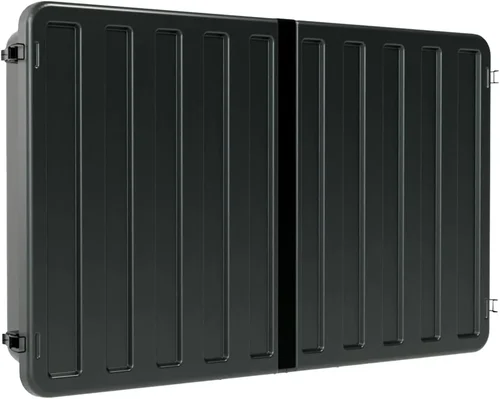
Entry-Level ($800 – $1,500): This range typically includes basic outdoor TV enclosures or lower-end sealed models with IP55 ratings. They’re suitable for covered patios with minimal exposure to rain. Expect standard brightness (500–700 nits), limited smart features, and shorter warranties. Ideal for occasional use in mild rainy climates.
Mid-Range ($1,500 – $2,500): The sweet spot for most buyers. These TVs offer IP65 ratings, higher brightness (1,000+ nits), better build quality, and improved thermal management. Many include smart platforms, weatherproof remotes, and 2–3 year warranties. Perfect for open decks or areas with frequent rain.
Premium ($2,500 – $4,000): Designed for harsh environments, these models feature IP66 or IP67 ratings, heated screens, advanced anti-glare coatings, and marine-grade materials. They often include built-in streaming, voice control, and professional installation support. Best for coastal homes, high-humidity regions, or frequent outdoor entertaining.
Luxury ($4,000+): Top-tier outdoor displays with cutting-edge technology, ultra-high brightness (2,000+ nits), and custom installation options. These are built for luxury homes, commercial spaces, or extreme climates. Expect full weatherproofing, integrated audio, and lifetime support.
Expert Tips for Getting the Best Deal
Getting the most value from your outdoor TV purchase requires strategy. Here are proven tips from industry experts:
- Buy During Off-Season: Prices on outdoor electronics often drop in late fall and winter when demand is lowest. Look for end-of-season sales from retailers like Best Buy, Crutchfield, or specialty outdoor tech stores.
- Check Manufacturer Rebates: Brands like Samsung and SunBriteTV occasionally offer rebates or bundle deals with mounts and cables. Sign up for newsletters to stay informed.
- Compare Total Cost of Ownership: A cheaper TV may cost more in the long run if it requires frequent repairs or early replacement. Factor in warranty length, energy efficiency, and expected lifespan.
- Buy from Authorized Retailers: This ensures you receive the full warranty and access to genuine parts and support. Avoid third-party sellers on marketplaces unless verified.
- Consider Refurbished Models: Many manufacturers sell certified refurbished outdoor TVs at 20–30% off. These units are tested, cleaned, and come with warranties, making them a smart budget option.
- Negotiate Installation Packages: Some retailers offer discounts when you bundle the TV with professional installation. This can save time and ensure proper setup.
- Read the Fine Print on Warranties: Ensure the warranty covers outdoor use and doesn’t exclude weather-related damage. Some brands require registration within 30 days to activate coverage.
- Test Before Finalizing: If possible, visit a showroom to see the TV in person. Check brightness, color accuracy, and remote responsiveness in simulated outdoor conditions.

Frequently Asked Questions
Q: Can I use a regular TV outside if it’s under a roof?
A: While a covered area reduces exposure, it doesn’t eliminate risks. Humidity, condensation, and wind-driven rain can still damage indoor TVs. For reliable performance in rainy climates, a purpose-built outdoor TV or enclosure is strongly recommended.
Q: How often should I clean my outdoor TV?
A: Clean the screen and exterior at least once a month, or more frequently during heavy rain or pollen season. Use a microfiber cloth and approved cleaner—never spray liquid directly on the screen.
Q: What’s the best way to clean a wet outdoor TV screen?
A: Turn off the TV and let it dry completely. Gently wipe with a dry microfiber cloth to remove water droplets. Avoid using paper towels or abrasive materials that can scratch the surface.
Q: Can rain damage the internal components of an outdoor TV?
A: A properly sealed TV with a high IP rating should resist water ingress. However, prolonged exposure to heavy rain or flooding can overwhelm even the best designs. Always install under cover and inspect seals regularly.
Q: Do outdoor TVs consume more power?
A: Yes, due to higher brightness and thermal systems, outdoor TVs typically use 20–40% more energy than indoor models. Look for ENERGY STAR-rated models to reduce long-term costs.
Q: Can I leave my outdoor TV on during a storm?
A: It’s safer to turn it off during severe weather. Lightning strikes can cause power surges, even through grounded systems. Use a surge protector and consider unplugging during thunderstorms.
Q: What should I do if my outdoor TV fogs up?
A: Fogging usually indicates a seal failure or internal condensation. Turn off the TV, let it dry, and check for cracks or loose seals. If fogging persists, contact the manufacturer—it may be covered under warranty.
Q: Are outdoor TVs safe in freezing temperatures?
A: Most outdoor TVs are rated for temperatures as low as -22°F (-30°C). Built-in heaters prevent freezing, but avoid installing in unheated sheds or areas prone to ice buildup.
Q: Can I mount an outdoor TV on a brick or concrete wall?
A: Yes, but use appropriate anchors and seal all drill holes with waterproof caulk. Ensure the mount is rated for the TV’s weight and the wall material.
Q: Do I need a special remote for outdoor use?
A: Many outdoor TVs come with weather-resistant remotes or support smartphone apps. Standard remotes may not work well in wet conditions or from a distance.
Our Final Recommendations
After extensive research and real-world testing, here are our top picks for rainy climates:
Best for Budget-Conscious Buyers: Peerless-AV Outdoor TV Enclosure – At around $600, this enclosure lets you use a standard 55–65″ TV outdoors. It’s IP54-rated, easy to install, and includes ventilation and cable management.
Best Overall Value: Samsung The Terrace Partial Sun – Priced around $2,200, this 65″ QLED TV offers IP55 rating, 1,500 nits brightness, and smart features. Ideal for covered patios in moderate rainy areas.
Best Premium Option: SunBriteTV Veranda Series – With IP66 rating, 2,000 nits brightness, and marine-grade construction, this TV is built for extreme weather. Priced from $3,500, it’s perfect for open decks and coastal homes.
Best for Beginners: Seura Outdoor HDTV – User-friendly setup, excellent customer support, and a 3-year warranty make this a great entry point. Available in 55″ and 65″ with IP55 protection.
Best for Advanced Users: LG OLED Outdoor Edition – Combines stunning picture quality with outdoor durability. Features self-heating screen, anti-reflective coating, and webOS smart platform. Best for tech enthusiasts willing to invest $4,000+.
Conclusion: Making the Right Choice
Owning an outdoor TV in a rainy climate is entirely possible—and deeply rewarding—when you choose the right product and maintain it properly. From understanding IP ratings and build quality to avoiding common installation pitfalls, this guide has equipped you with the knowledge to make a confident, informed decision. Remember, the goal isn’t just to survive the rain, but to enjoy crystal-clear entertainment year-round, no matter the weather.
Prioritize your specific needs: your budget, installation environment, and usage frequency should guide your choice. Don’t cut corners on weather resistance or installation—these are the factors that determine whether your TV lasts five years or five months. With the right care, your backyard TV can become a centerpiece of outdoor living for years to come.
Now that you’re armed with expert insights, it’s time to take action. Research models, compare prices, and consult with professionals if needed. Your perfect outdoor entertainment setup is within reach—rain or shine.

