
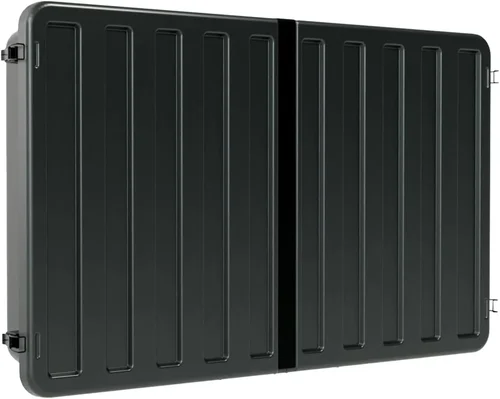
Outdoor entertainment has evolved dramatically over the past decade, and nothing symbolizes that shift quite like the backyard TV. Whether you’re hosting a summer barbecue, watching the big game under the stars, or enjoying a quiet movie night on the patio, an outdoor television transforms your yard into a true extension of your living room. But here’s the catch: if you live in a hot climate—think Arizona, Texas, Southern California, or the Gulf Coast—your outdoor TV faces unique environmental challenges that indoor models simply aren’t built to handle. Extreme heat, intense UV exposure, dust, humidity swings, and sudden temperature drops at night can wreak havoc on electronics not specifically designed for outdoor use.
That’s why proper care and maintenance aren’t just optional—they’re essential. A poorly maintained outdoor TV won’t just degrade in performance; it can fail prematurely, leaving you with a costly replacement and a blank screen during your next gathering. This guide is designed to help you protect your investment and extend the life of your backyard TV, no matter how scorching the summer gets. You’ll learn how to choose the right model for hot climates, understand the key features that matter most, avoid common pitfalls, and implement a cleaning and maintenance routine that keeps your screen crisp and functional for years to come.
The market for outdoor TVs has grown significantly, with brands like SunBriteTV, Samsung, LG, and Seura leading the charge in weather-resistant technology. However, not all “outdoor” TVs are created equal—especially when it comes to heat resilience. Some are built for shaded patios, while others can withstand full sun exposure. Some come with built-in cooling systems, while others rely on passive ventilation. Understanding these differences is critical. By the end of this guide, you’ll have a clear roadmap for selecting, maintaining, and protecting your backyard TV in high-temperature environments, ensuring you get the best possible performance and longevity from your purchase.

What to Look for When Buying Buying Guide
1. Heat Resistance & Thermal Management
One of the most critical factors when choosing an outdoor TV for hot climates is its ability to manage heat. Unlike indoor TVs, which operate in climate-controlled environments, outdoor models are exposed to direct sunlight, high ambient temperatures, and radiant heat from surfaces like concrete or stone. Prolonged exposure to temperatures above 95°F (35°C) can cause internal components to overheat, leading to performance throttling, color distortion, or even permanent damage.
Look for TVs with active or passive thermal management systems. Active systems include built-in cooling fans or heat exchangers that circulate air to prevent overheating. Passive systems rely on heat-dissipating materials and ventilation design. High-end models often combine both. For example, SunBriteTV’s Veranda series features a sealed, fanless design with advanced heat sinks, while their Pro series includes active cooling for full-sun installations. Always check the manufacturer’s operating temperature range—most outdoor TVs are rated for up to 110°F to 120°F (43°C to 49°C), but sustained exposure near the upper limit can still cause issues.
2. Weatherproof Rating (IP Rating)
The Ingress Protection (IP) rating tells you how well a TV resists dust and moisture—two major concerns in hot, dry climates where dust storms and sudden rain showers are common. For outdoor use, you need a minimum IP55 rating, which means the TV is protected against dust ingress (limited) and water jets from any direction. However, for hot climates with high dust levels, an IP65 or higher rating is ideal.
IP65 means the TV is dust-tight and protected against low-pressure water jets, making it suitable for uncovered patios or areas prone to windblown debris. Some premium models, like the Samsung The Terrace, boast IP56 ratings, offering even better protection against powerful water sprays. Always verify the IP rating in the product specifications, and be wary of vague terms like “weather-resistant” without a certified IP code. A high IP rating ensures that dust won’t clog internal components and that humidity or rain won’t cause corrosion.
3. Screen Brightness & Anti-Glare Technology
In hot climates, especially those with intense sunlight, screen visibility is a major challenge. A dim screen will be washed out and nearly impossible to see during the day, no matter how advanced the TV’s heat resistance. Look for outdoor TVs with high brightness levels—measured in nits. While indoor TVs typically range from 300 to 600 nits, outdoor models should have at least 700 nits, with premium options reaching 2,000 nits or more.
Anti-glare and anti-reflective coatings are equally important. These coatings reduce the amount of sunlight reflected off the screen, improving contrast and color accuracy. Some models use optically bonded glass, which eliminates the air gap between the LCD panel and the outer glass, reducing internal reflections and enhancing clarity. For example, Seura’s Outdoor TVs feature a proprietary anti-glare layer that maintains image quality even in direct sunlight. If you plan to watch during daylight hours, prioritize brightness and glare reduction over resolution or smart features.
4. Build Quality & Materials
Outdoor TVs must endure more than just heat—they’re exposed to UV rays, temperature fluctuations, and physical wear from wind, dust, and occasional impacts. The materials used in construction play a huge role in longevity. Look for TVs with powder-coated aluminum or stainless steel housings, which resist rust and corrosion better than standard plastics or painted metals.
The screen itself should be made of tempered glass or reinforced acrylic to prevent cracking from thermal expansion or accidental bumps. Internal components should be sealed to prevent dust and moisture ingress. High-quality outdoor TVs often undergo rigorous testing, including thermal cycling (repeated heating and cooling), salt fog testing (for coastal areas), and UV exposure tests. Brands like SunBriteTV and Peerless-AV publish detailed durability test results, giving you confidence in their products’ resilience.
5. Mounting & Installation Flexibility
How and where you mount your TV affects both its performance and maintenance. In hot climates, proper airflow around the TV is crucial for cooling. Avoid enclosing the TV in a tight cabinet or recess without ventilation. Instead, use a weatherproof outdoor TV mount that allows at least 2–3 inches of clearance on all sides for air circulation.
Consider the mounting location carefully. A shaded pergola, covered patio, or under an eave offers protection from direct sun and rain. If you must install in full sun, choose a model with active cooling and a high IP rating. Tilt and swivel mounts are helpful for adjusting the viewing angle and reducing glare. Some mounts also include cable management systems to keep wires protected from the elements. Always hire a professional installer if you’re unsure—improper mounting can void warranties and lead to safety hazards.
6. Smart Features & Connectivity
While not directly related to heat resistance, smart features and connectivity options impact usability and long-term value. Most modern outdoor TVs come with built-in Wi-Fi, Bluetooth, and streaming apps like Netflix, YouTube, and Amazon Prime Video. However, in hot climates, overheating can cause Wi-Fi modules to disconnect or slow down.
Look for TVs with robust connectivity options, including multiple HDMI ports, USB inputs, and support for 4K HDR. Some models, like the LG Outdoor OLED, include webOS with voice control via Google Assistant or Alexa. Ensure the TV supports your preferred streaming services and has firmware update capabilities—this allows manufacturers to push performance improvements and bug fixes remotely. Avoid models with outdated operating systems or limited app support, as they may become obsolete quickly.
7. Warranty & Support
Outdoor TVs are a significant investment, often costing two to three times more than comparable indoor models. A strong warranty is a sign of the manufacturer’s confidence in their product’s durability. Most reputable brands offer 2- to 3-year warranties, with some extending coverage to 5 years for commercial use.
Pay attention to what the warranty covers. Does it include heat-related damage? Is labor and shipping included? Can you get in-person service, or must you ship the unit back? SunBriteTV, for example, offers a 2-year limited warranty with free return shipping and access to certified technicians. Avoid brands with vague warranty terms or those that exclude “environmental damage”—a common loophole that could leave you paying for repairs out of pocket.
8. User Reviews & Real-World Performance
Spec sheets and marketing materials don’t always tell the whole story. User reviews from customers in similar climates provide invaluable insights into real-world performance. Look for reviews that mention heat handling, screen visibility in sunlight, and long-term reliability.
Pay attention to recurring complaints—such as fans failing after a year, screens dimming over time, or Wi-Fi dropping in high heat. Sites like Amazon, Best Buy, and specialized forums like AVS Forum often have detailed discussions about outdoor TV performance. If multiple users report the same issue, it’s a red flag. Conversely, consistent praise for durability and image quality in hot weather is a strong endorsement.
Different Types of Buying Guide
Common Buying Mistakes to Avoid
❌ Mistake: Using an Indoor TV Outdoors
Why it’s bad: Indoor TVs are not designed to handle temperature extremes, humidity, or dust. Even if you cover them with a plastic sheet, the internal components will eventually fail due to condensation, overheating, or corrosion. The warranty will almost certainly be voided.
What to do instead: Invest in a certified outdoor TV with proper weatherproofing and thermal management. The extra cost is justified by the longevity and performance you’ll gain.
❌ Mistake: Ignoring the IP Rating
Why it’s bad: A low or missing IP rating means your TV isn’t truly protected against dust and water. In hot, dry climates, dust can accumulate inside the unit, blocking vents and causing overheating. Even brief rain exposure can lead to short circuits.
What to do instead: Always check for a certified IP rating of at least IP55, and aim for IP65 or higher if you live in a dusty or rainy area.
❌ Mistake: Mounting in Direct Sunlight Without Cooling
Why it’s bad: Even the best outdoor TVs can overheat if mounted in full sun without adequate ventilation or cooling. This leads to reduced brightness, color shifts, and potential hardware failure.
What to do instead: Choose a shaded location or install a TV with active cooling. Use a vented mount and avoid enclosing the TV in a cabinet.
❌ Mistake: Neglecting Regular Cleaning
Why it’s bad: Dust, pollen, and grime buildup on the screen and vents can block airflow, reduce visibility, and trap heat. Over time, this accelerates wear and tear.
What to do instead: Clean your TV monthly with a microfiber cloth and approved cleaning solution. Check and clear vents regularly.
❌ Mistake: Overlooking Power Protection
Why it’s bad: Power surges from lightning or grid fluctuations can fry sensitive electronics, especially in areas with unstable electricity.
What to do instead: Use a high-quality outdoor surge protector or UPS (uninterruptible power supply) designed for outdoor use.
❌ Mistake: Buying Based on Price Alone
Why it’s bad: Cheaper outdoor TVs often cut corners on materials, cooling, and weatherproofing, leading to premature failure.
What to do instead: Prioritize durability and features over price. A mid-range outdoor TV with good reviews will outlast a budget model by years.
❌ Mistake: Skipping Professional Installation
Why it’s bad: Improper mounting can lead to water intrusion, poor ventilation, or even the TV falling and causing injury.
What to do instead: Hire a certified installer familiar with outdoor AV setups. They’ll ensure proper grounding, cable routing, and weather sealing.
Budget Guidelines: How Much Should You Spend?
- Entry-Level ($1,500 – $2,500): These are typically partial-shade models with basic weatherproofing and moderate brightness (700–1,000 nits). Ideal for covered patios or mild climates. Expect limited smart features and passive cooling. Brands like Seura and some SunBriteTV Veranda models fall here.
- Mid-Range ($2,500 – $4,500): The sweet spot for most buyers. These TVs offer full weather resistance (IP65), high brightness (1,500+ nits), and better thermal management. Many include smart platforms, multiple HDMI ports, and improved audio. Samsung The Terrace and SunBriteTV Pro series are strong contenders.
- Premium ($4,500 – $7,000): Designed for full-sun exposure and harsh environments. Feature active cooling, ultra-bright screens (2,000+ nits), and commercial-grade durability. Often used in luxury homes, resorts, or outdoor entertainment hubs. Expect top-tier materials, advanced connectivity, and extended warranties.
- Luxury ($7,000+): Top-tier models with cutting-edge technology, custom installations, and 24/7 operation capability. These are built for demanding applications like outdoor theaters, sports bars, or high-end residential projects. Brands like Peerless-AV and custom integrators offer these solutions.

Expert Tips for Getting the Best Deal
- Buy During Off-Season: Prices on outdoor TVs drop significantly in fall and winter (October–February) when demand is lower. Retailers often run clearance sales to make room for new models.
- Shop at Specialty Retailers: Stores like Crutchfield, Abt Electronics, and Outdoor TV Direct offer expert advice, bundled packages (mounts, cables, surge protectors), and better return policies than big-box stores.
- Look for Bundled Deals: Many retailers offer discounts when you buy a TV with a mount, soundbar, or installation service. These bundles can save you $200–$500.
- Check Manufacturer Rebates: Brands like Samsung and SunBriteTV occasionally offer mail-in rebates or trade-in programs. Sign up for their newsletters to stay informed.
- Consider Refurbished Models: Certified refurbished outdoor TVs from reputable sellers come with warranties and can cost 20–30% less than new units. Ensure they’ve been tested and include original accessories.
- Read the Fine Print on Warranties: Some warranties require professional installation or annual maintenance to remain valid. Keep records of service and cleaning.
- Test Before You Buy (If Possible): Visit a local showroom to see the TV in person. Check brightness, color accuracy, and menu responsiveness in daylight conditions.
- Use a Surge Protector: Even the best TV can be damaged by power surges. Invest in a weatherproof surge protector with a high joule rating (1,000+).

Frequently Asked Questions
Q: Can I use a regular TV outside if I cover it?
A: No. Indoor TVs lack the necessary weatherproofing, thermal management, and UV protection. Even with a cover, moisture can seep in, and heat buildup will damage internal components. Always use a certified outdoor TV.
Q: How often should I clean my outdoor TV?
A: Clean the screen and vents at least once a month. In dusty or high-pollen areas, clean every two weeks. Use a microfiber cloth and a mild cleaning solution designed for electronics.
Q: Will my outdoor TV work in extreme heat?
A: Yes, if it’s designed for it. Look for models with active cooling and high operating temperature ratings (up to 120°F). Avoid using it during peak heat if possible, and ensure proper ventilation.
Q: Can I leave my outdoor TV on all the time?
A: Most outdoor TVs are built for continuous use, but check the manufacturer’s guidelines. Commercial-grade models are rated for 24/7 operation, while consumer models may recommend periodic rest.
Q: What’s the difference between partial-shade and full-sun TVs?
A: Partial-shade TVs are for covered areas and have lower brightness (700–1,000 nits). Full-sun TVs are for open areas, with higher brightness (1,500+ nits), better glare resistance, and often active cooling.
Q: Do outdoor TVs come with built-in speakers?
A: Many do, but audio quality varies. For better sound, consider adding a weatherproof soundbar or outdoor speaker system.
Q: How do I protect my TV from lightning?
A: Use a high-quality surge protector and consider installing a lightning arrestor on your electrical system. Unplug the TV during severe storms if possible.
Q: Can I mount my outdoor TV on a brick wall?
A: Yes, but use masonry anchors and ensure the mount is rated for the TV’s weight. Hire a professional if you’re unsure about structural integrity.
Q: What should I do if my TV overheats?
A: Turn it off immediately and allow it to cool in a shaded, ventilated area. Check for blocked vents or dust buildup. If overheating persists, contact the manufacturer.
Q: Are outdoor TVs energy efficient?
A: Modern outdoor TVs are relatively efficient, but brightness and cooling systems increase power use. Look for ENERGY STAR-certified models when available.
Our Final Recommendations
- Best for Budget-Conscious Buyers: SunBriteTV Veranda Series – Excellent value for partial-shade use, with solid build quality, 1,000-nit brightness, and a 2-year warranty. Priced around $2,200 for a 55-inch model.
- Best Overall Value: Samsung The Terrace – Combines high brightness (1,500 nits), smart features, and IP56 rating. Great for full-sun areas and offers strong app support. Around $3,500 for 65 inches.
- Best Premium Option: SunBriteTV Pro Series – Built for extreme conditions with active cooling, 2,000-nit brightness, and commercial-grade durability. Ideal for uncovered patios and high-heat zones. Starts at $4,800.
- Best for Beginners: Seura Outdoor TV – User-friendly setup, good brightness, and reliable performance in shaded areas. Comes with a simple mounting system and clear instructions. Around $2,800.
- Best for Advanced Users: Peerless-AV Xtreme – Customizable, ultra-durable, and designed for 24/7 operation. Features modular design, advanced thermal management, and professional installation support. Priced from $6,500.
Conclusion: Making the Right Choice
Choosing and maintaining an outdoor TV in a hot climate isn’t just about picking the shiniest screen—it’s about understanding the environmental challenges and selecting a product built to withstand them. From heat resistance and weatherproofing to brightness and smart features, every detail matters when your TV is exposed to the elements day after day. By prioritizing thermal management, proper installation, and regular maintenance, you’ll protect your investment and enjoy crystal-clear entertainment under the sun for years to come.
Don’t let the initial cost deter you. A well-chosen outdoor TV pays dividends in durability, performance, and peace of mind. Whether you’re watching a sunset movie or hosting a game-day party, your backyard should be a place of comfort and connection—not frustration over a dim, overheating screen. Take the time to research, compare models, and follow the care tips outlined in this guide. Your future self—and your guests—will thank you.
Now that you’re equipped with expert knowledge, it’s time to make an informed decision. Assess your space, define your needs, and choose a TV that matches your climate and lifestyle. With the right care, your backyard TV will be the centerpiece of countless memorable moments, no matter how high the temperature climbs.

