
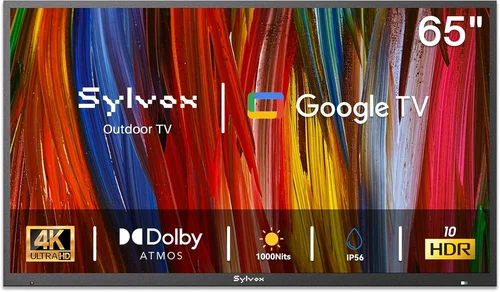
Outdoor living spaces have evolved dramatically over the past decade. What was once limited to simple patios and decks has transformed into fully functional entertainment zones—complete with grills, fire pits, sound systems, and yes, even televisions. But not all outdoor TVs are created equal, especially when you live in a windy area. Whether you’re on a coastal bluff, a mountain ridge, or an open plain where gusts routinely top 40 mph, choosing the right outdoor TV isn’t just about picture quality—it’s about safety, durability, and long-term reliability.
This guide is designed for homeowners, contractors, and outdoor enthusiasts who refuse to compromise on performance, even in the harshest conditions. We’ll walk you through everything you need to know to make an informed decision: from understanding wind resistance ratings and weatherproofing standards to evaluating build materials, mounting systems, and real-world performance. By the end, you’ll know exactly what to look for—and what to avoid—when shopping for the best outdoor TV for windy areas in 2026.
The market for outdoor TVs has matured significantly. No longer niche products reserved for luxury resorts, today’s outdoor displays come in a range of price points and configurations, from fully sealed all-weather models to semi-outdoor options that require some protection. However, wind introduces unique challenges that many buyers overlook: vibration can damage internal components, loose mounts can become hazards, and even minor gaps in sealing can allow moisture ingress during stormy weather. This guide cuts through the marketing noise to deliver actionable, expert-level advice tailored specifically to high-wind environments.

What to Look for When Buying Buying Guide
1. Wind Resistance & Mounting Stability
When it comes to outdoor TVs in windy areas, stability isn’t optional—it’s essential. A TV that wobbles or vibrates excessively isn’t just annoying; it can loosen connections, crack screens, or even detach from its mount during a storm. Look for models specifically engineered for high-wind conditions. These typically feature reinforced chassis designs, anti-vibration gaskets, and compatibility with heavy-duty, low-profile wall or ceiling mounts rated for dynamic loads (not just static weight).
Pay close attention to the mounting system itself. Standard indoor TV brackets won’t cut it. Opt for marine-grade stainless steel or powder-coated aluminum mounts with multiple anchor points and tilt/lock mechanisms. Some premium outdoor TVs include integrated mounting solutions that distribute stress evenly across the frame. Also consider the TV’s center of gravity—flatter, lighter models with slim profiles are less susceptible to wind-induced torque.
2. Weatherproofing & IP Rating
All outdoor TVs should be weather-resistant, but not all ratings are equal. The Ingress Protection (IP) rating tells you how well a device resists dust and water. For windy coastal or rainy regions, aim for at least IP55 (protected against low-pressure water jets and limited dust ingress), but IP65 or higher is ideal. IP66 offers protection against powerful water jets, while IP67 can withstand temporary immersion—useful if your TV is near a pool or exposed to flooding.
However, don’t rely solely on the IP rating. Check whether the TV uses conformal coating on internal circuitry, sealed cable glands, and hydrophobic screen treatments. Many manufacturers claim “weatherproof” but only seal the front bezel, leaving ports and vents vulnerable. True all-weather models will have fully enclosed rear compartments with drainage channels to prevent water pooling. Also verify that the screen uses tempered or laminated glass—not plastic—which resists cracking under thermal stress caused by rapid temperature shifts common in windy climates.
3. Build Quality & Materials
The materials used in construction directly impact longevity in harsh environments. Avoid TVs with plastic casings, even if labeled “outdoor.” Instead, prioritize aluminum or galvanized steel enclosures with corrosion-resistant finishes like powder coating or anodizing. These materials withstand salt spray, UV exposure, and repeated thermal cycling far better than polymers.
Internally, look for solid-state components where possible—fans are common failure points in outdoor TVs because they suck in dust and moisture. Fanless designs with passive cooling are preferable for windy, dusty areas. Additionally, check for reinforced hinges (if the TV has a flip-down feature), rubberized gaskets around seams, and minimal venting. Every opening is a potential entry point for debris carried by strong winds.
4. Display Performance in Variable Lighting
Outdoor viewing means dealing with everything from bright midday sun to twilight ambiance. A TV that looks great indoors may be unwatchable outside. Brightness is critical: aim for at least 700 nits, but 1,000+ nits is ideal for sunny patios. Anti-glare or anti-reflective coatings are non-negotiable—they reduce mirror-like reflections that wash out the image.
Color accuracy and contrast matter too. OLED screens offer superior black levels but can suffer from burn-in and are less common in outdoor models due to cost and durability concerns. High-quality LED/LCD panels with local dimming provide excellent brightness and longevity. Consider models with ambient light sensors that automatically adjust brightness based on conditions—this saves energy and reduces eye strain during evening viewing.
In windy areas, rapid temperature changes can affect display response time. Test reviews often note “ghosting” or lag in cheaper outdoor TVs during cold mornings or hot afternoons. Look for TVs with wide operating temperature ranges (typically -30°C to 60°C or -22°F to 140°F) and stable backlighting systems.
5. Connectivity & Smart Features
Modern outdoor TVs aren’t just dumb screens—they’re full-fledged smart platforms. Ensure your model supports Wi-Fi 6 or Ethernet for reliable streaming, especially if your outdoor space is far from your router. Built-in apps like Netflix, YouTube, and Apple AirPlay 2 add convenience, but verify they’re regularly updated—outdoor TVs often lag behind indoor models in software support.
Ports are equally important. Look for HDMI 2.1 (for future-proofing), USB-C for powering accessories, and optical audio out if you plan to connect external speakers. Crucially, all ports should be covered by rubberized flaps or located in a sealed compartment. Wind-driven rain can exploit even tiny gaps around cables.
Voice control via Alexa or Google Assistant is handy, but microphone arrays must be weather-sealed. Some premium models include far-field mics that work reliably even with background wind noise—a rare but valuable feature.
6. Size & Viewing Distance
Choosing the right screen size depends on your seating arrangement and typical viewing distance. For most outdoor setups, 55″ to 75″ is ideal. At 8–10 feet, a 65″ screen provides an immersive experience without overwhelming the space. However, in windy areas, larger screens catch more wind force, increasing strain on mounts.
Use this rule of thumb: multiply your viewing distance (in inches) by 0.84 to get the optimal screen diagonal. So, at 120 inches (10 feet), aim for ~100 inches—but unless you have a dedicated outdoor theater, 75″ is usually the practical max for residential use. Also consider bezel width: slim bezels look modern but offer less structural support. In high winds, a slightly thicker bezel can add rigidity.
7. Brand Reputation & Real-World Testing
Not all “outdoor” brands are equal. Stick with manufacturers that specialize in commercial or marine-grade displays—companies like SunBriteTV, Peerless-AV, and Samsung’s The Terrace line have proven track records in extreme environments. Avoid generic brands that simply repackage indoor TVs with a weatherproof sticker.
Look for third-party validation: UL Listed for outdoor use, MIL-STD-810G compliance for shock/vibration resistance, or certifications from organizations like the National Marine Electronics Association (NMEA). User reviews from coastal or mountainous regions are goldmines of insight—search forums like AVS Forum or Reddit’s r/outdoortv for real feedback on wind performance.
8. Warranty & Support
Outdoor TVs are investments, and warranties reflect confidence in durability. Standard indoor TV warranties rarely cover weather-related damage. Look for outdoor-specific coverage—typically 2–3 years with options to extend. Some brands offer on-site service, which is invaluable if your TV is mounted high on a wall or under a pergola.
Read the fine print: Does the warranty cover corrosion? What about lightning strikes or power surges (common in storm-prone areas)? Many outdoor TVs include built-in surge protection, but it must be explicitly stated. Also check if the warranty is transferable—important if you sell your home.
Customer support responsiveness matters too. Can you reach a human quickly? Do they stock replacement parts locally? Brands with dedicated outdoor divisions usually provide better service than general electronics retailers.
Different Types of Buying Guide

Common Buying Mistakes to Avoid
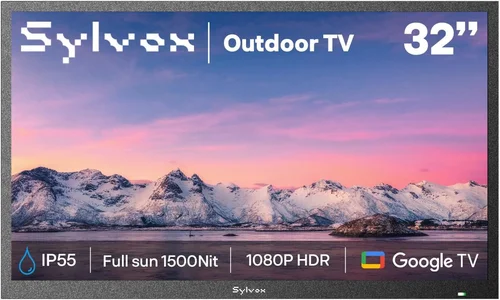
❌ Mistake: Assuming All “Outdoor” TVs Are Created Equal
Why it’s bad: Many retailers slap “outdoor” labels on indoor TVs sold with optional weather covers. These lack proper sealing, corrosion-resistant materials, and wind-rated mounts—leading to premature failure in exposed areas.
What to do instead: Verify the model number against the manufacturer’s official outdoor product line. Check for IP ratings, all-metal construction, and explicit wind resistance claims.
❌ Mistake: Ignoring Local Wind Patterns
Why it’s bad: A TV that works fine in mild breezes may catastrophically fail in microbursts or seasonal gales. Coastal areas face salt-laden winds that accelerate corrosion.
What to do instead: Research your area’s average and peak wind speeds (NOAA provides free data). Choose a TV rated for at least 20% higher than your max recorded gusts.
❌ Mistake: Using Indoor Mounts or DIY Brackets
Why it’s bad: Standard mounts aren’t designed for dynamic wind loads. Over time, screws loosen, welds crack, and the TV can detach—posing a serious safety hazard.
What to do instead: Invest in a certified outdoor mount with a weight rating double your TV’s mass. Use concrete anchors or through-bolts for masonry walls.
❌ Mistake: Overlooking Thermal Management
Why it’s bad: Wind causes rapid temperature swings. TVs without proper thermal design can overheat in sun or suffer LCD slowdown in cold.
What to do instead: Choose fanless models with heat-dissipating aluminum backs or active cooling systems with filtered intakes.
❌ Mistake: Skimping on Surge Protection
Why it’s bad: Wind often accompanies thunderstorms. Power surges can fry electronics instantly, even with a warranty.
What to do instead: Use a whole-house surge protector plus an outdoor-rated UPS or power conditioner near the TV.
❌ Mistake: Buying Based Solely on Price
Why it’s bad: Cheap outdoor TVs often cut corners on materials and testing. You’ll spend more replacing them every 2–3 years.
What to do instead: Calculate total cost of ownership—including installation, maintenance, and expected lifespan. Mid-range models often offer the best value.
❌ Mistake: Neglecting Cable Management
Why it’s bad: Loose cables act like sails in high winds, creating drag and stress on ports. Water can wick along cables into the TV.
What to do instead: Use conduit or trunking to route cables neatly. Apply dielectric grease to connectors and use drip loops to prevent water ingress.
Budget Guidelines: How Much Should You Spend?
Entry-Level ($800–$1,800): These are typically semi-outdoor models for covered areas. Expect basic weather resistance (IP54), plastic-heavy builds, and limited smart features. Suitable for screened porches with minimal wind exposure but risky for open decks.
Mid-Range ($1,800–$3,500): The sweet spot for most homeowners in moderately windy areas. Look for all-metal enclosures, IP65 ratings, 1,000-nit brightness, and reliable smart platforms. Brands like SunBriteTV Veranda and Samsung The Terrace (smaller sizes) fit here.
Premium ($3,500–$6,000): Built for harsh environments. Features include military-grade durability, fanless cooling, advanced anti-glare screens, and comprehensive warranties. Ideal for coastal or alpine locations with frequent high winds.
Luxury ($6,000+): Commercial-grade displays with 24/7 operation capability, custom mounting, and professional installation support. Often used in resorts, yachts, or luxury estates where failure is not an option.
Expert Tips for Getting the Best Deal
- Buy in Spring: Most retailers discount outdoor electronics in March–May before peak season. Avoid summer markups.
- Bundle with Installation: Many dealers offer free or discounted mounting when you buy the TV—saving $300–$800 on professional setup.
- Check for Trade-In Programs: Some brands (e.g., Samsung) accept old TVs for credit, even if they’re not outdoor models.
- Negotiate Extended Warranties: At this price point, sellers often include extra coverage at little or no cost to close the deal.
- Shop Authorized Dealers Only: Gray-market imports may lack warranty support or proper certifications.
- Test Before Final Mounting: Power on the TV indoors first to verify all functions work. Outdoor returns are often denied due to “environmental damage.”
- Consider Refurbished Models: Certified pre-owned units from reputable sellers can save 20–30% with full warranty coverage.
- Join Outdoor Enthusiast Forums: Members often share exclusive promo codes or flash sales not advertised publicly.

Frequently Asked Questions
Q: Can I use a regular TV under a covered patio in a windy area?
A: Only if the space is fully enclosed (screened or glassed) with no direct wind exposure. Even then, humidity and temperature swings can shorten lifespan. For peace of mind, invest in a true outdoor model.
Q: How do I secure my outdoor TV during hurricanes?
A: The safest option is a retractable or removable mount. If permanent, ensure your mount is rated for Category 3 hurricane winds (111–129 mph) and consider a protective cover during storms.
Q: Will salt air ruin my outdoor TV faster?
A: Absolutely. Salt accelerates corrosion of metal parts and degrades seals. Choose marine-grade aluminum or stainless steel enclosures and rinse the TV with fresh water monthly if near the coast.
Q: Do outdoor TVs consume more power?
A: Not necessarily. Modern LED outdoor TVs are energy-efficient, though higher brightness settings use more juice. Look for ENERGY STAR certification to minimize costs.
Q: Can I mount an outdoor TV on a freestanding post?
A: Yes, but the post must be anchored deep into concrete (at least 36″ for an 8′ post) and sized to resist overturning moments. Consult a structural engineer for wind load calculations.
Q: Are outdoor TVs compatible with soundbars?
A: Most are, but ensure the soundbar is also outdoor-rated or placed in a protected enclosure. Wireless options like Sonos Move reduce cable clutter and wind vulnerability.
Q: What’s the average lifespan of an outdoor TV in windy conditions?
A: With proper installation and maintenance, 7–10 years is typical. Cheaper models may fail in 3–5 years due to seal degradation or component fatigue.
Q: Do I need a special permit to install an outdoor TV?
A: In some municipalities, yes—especially if drilling into load-bearing walls or installing on a roof. Check local building codes before starting.
Q: Can outdoor TVs be used in winter?
A: Yes, if rated for sub-zero temperatures. Most operate down to -30°C (-22°F), but allow the TV to acclimate for 2–3 hours before powering on after extreme cold.
Q: Is professional installation worth it?
A: For windy areas, absolutely. Pros ensure proper anchoring, cable routing, and alignment—critical for safety and performance. DIY mistakes can void warranties.
Our Final Recommendations
Best for Budget-Conscious Buyers: SunBriteTV Veranda Series (55″) – At around $2,200, it offers IP55 rating, 1,000-nit brightness, and solid aluminum build. Perfect for covered patios in moderate winds.
Best Overall Value: Samsung The Terrace Full Sun (65″) – Priced near $3,800, it delivers exceptional brightness (2,000 nits), anti-reflective coating, and robust wind-resistant design. Ideal for open decks up to 40 mph gusts.
Best Premium Option: Peerless-AV Xtreme Outdoor Display (75″) – At $5,500+, this commercial-grade beast features IP66 rating, fanless cooling, and MIL-STD-810G certification. Built for hurricane zones and coastal resorts.
Best for Beginners: Seura Shade Series (50″) – User-friendly smart platform, easy-to-install mount, and excellent customer support. Great for first-time outdoor TV owners.
Best for Advanced Users: SunBriteTV Pro Series with Direct Sun (86″) – Ultra-bright (3,000 nits), modular design, and customizable mounting. For tech-savvy users who demand theater-quality outdoor viewing.
Conclusion: Making the Right Choice
Choosing the best outdoor TV for windy areas isn’t just about picking the shiniest screen—it’s about investing in a system that will endure nature’s fury while delivering stunning visuals year after year. Prioritize wind-resistant mounting, true all-weather construction, and reputable brands with proven track records. Don’t let cost-cutting compromise safety or longevity.
Remember: your outdoor space is an extension of your home. Treat your TV with the same care you’d give any other major investment. Follow our guidelines, avoid common pitfalls, and consult professionals when in doubt. With the right TV, you’ll enjoy movie nights under the stars, game-day gatherings, and quiet evenings—all without worrying about the weather.
Ready to upgrade your outdoor entertainment? Start by assessing your specific wind conditions, then match them to one of our recommended models. Your perfect outdoor TV is out there—built to last, designed to perform, and ready for whatever the wind brings.

