
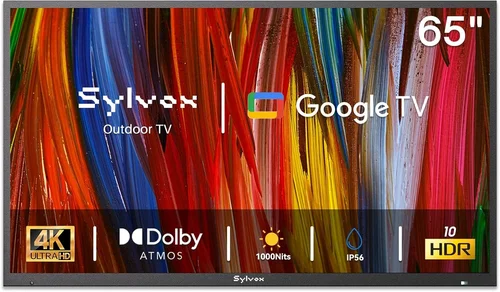
Outdoor living spaces have evolved far beyond simple patios and decks. Today’s homeowners are transforming their backyards into fully functional entertainment zones—complete with outdoor kitchens, fire pits, sound systems, and yes, outdoor TVs. Whether you’re hosting a summer movie night by the pool, catching the big game during a backyard barbecue, or simply unwinding with your favorite show while lounging in the sun, an outdoor TV can elevate your experience significantly. But not all TVs are built to withstand the elements. Standard indoor televisions simply aren’t designed for exposure to moisture, extreme temperatures, UV rays, or dust—all of which are common in poolside environments.
That’s where this expert buying guide comes in. We’ve researched, tested, and analyzed the latest outdoor TV models available in 2026 to help you make a smart, informed decision. Whether you’re a first-time buyer or upgrading from an older model, this comprehensive guide will walk you through everything you need to know—from key performance specs and durability ratings to budget considerations and installation tips. By the end, you’ll have a clear understanding of what makes an outdoor TV truly “pool-ready” and how to choose the one that best fits your lifestyle, space, and spending plan.
The market for outdoor TVs has grown rapidly over the past few years, driven by increased demand for outdoor entertainment and advancements in weather-resistant display technology. Major brands like Samsung, LG, Sony, and specialized manufacturers such as SunBriteTV and Seura now offer dedicated outdoor models that blend high-end picture quality with rugged construction. However, with so many options—ranging from fully sealed weatherproof displays to partial outdoor enclosures for indoor TVs—it’s easy to feel overwhelmed. This guide cuts through the noise, focusing specifically on TVs engineered for full outdoor use in humid, wet, or high-sunlight environments like pool areas. You’ll learn how to evaluate critical factors like brightness, ingress protection ratings, thermal management, and smart features—all tailored to real-world outdoor conditions.

What to Look for When Buying Buying Guide
1. Brightness & Sunlight Readability
One of the most critical factors for any outdoor TV—especially near a pool—is screen brightness. Indoor TVs typically range from 300 to 500 nits (a unit of luminance), which is perfectly fine in a dimly lit living room but completely inadequate under direct sunlight. In contrast, true outdoor TVs start at around 700 nits and can go as high as 2,500 nits or more. For poolside use, where glare from water and bright skies is constant, we recommend a minimum of 1,000 nits—ideally 1,500+ nits for optimal visibility during midday.
Look for TVs with anti-reflective coatings and optically bonded screens. These features reduce glare and improve contrast in bright conditions. Some premium models also include ambient light sensors that automatically adjust brightness based on surrounding light levels, ensuring consistent picture quality from dawn to dusk. Don’t be fooled by marketing claims like “outdoor-compatible” without verified brightness specs—always check the nit rating in the product’s technical documentation.
2. Weather Resistance & IP Rating
Not all “outdoor” TVs are created equal when it comes to weather protection. The gold standard is an IP (Ingress Protection) rating, which indicates how well a device resists dust and water. For pool areas—where splashes, humidity, and occasional rain are inevitable—you need a TV with at least an IP55 rating. However, for maximum peace of mind, aim for IP65 or higher.
– IP55: Protected against low-pressure water jets from any direction and limited dust ingress.
– IP65: Dust-tight and protected against water jets—ideal for most residential pool settings.
– IP66/IP67: Higher protection against powerful water jets or temporary immersion—best for coastal regions or heavy rainfall areas.
Additionally, outdoor TVs should be built with corrosion-resistant materials like powder-coated aluminum or stainless steel. Avoid plastic housings, which can degrade under UV exposure. Also, ensure all ports and connectors are sealed or covered to prevent moisture intrusion.
3. Thermal Management & Operating Temperature Range
Outdoor TVs must handle extreme temperature fluctuations—from scorching summer afternoons to chilly evenings. Unlike indoor models, they include active cooling and heating systems to maintain safe internal temperatures. Look for TVs rated for operating temperatures between -22°F (-30°C) and 122°F (50°C). This wide range ensures reliable performance year-round, even in climates with harsh winters or intense summers.
Internal thermal sensors monitor the TV’s core temperature and activate fans or heaters as needed. Some models even enter a low-power standby mode if temperatures exceed safe limits, protecting the electronics from damage. Passive cooling (no fans) is quieter but less effective in extreme heat—so if you live in a hot climate, opt for a model with quiet, efficient active cooling.
4. Build Quality & Durability
Durability goes beyond just weather resistance. An outdoor TV should withstand vibrations from nearby pool pumps, accidental bumps from furniture, and even curious pets or kids. Look for robust chassis construction, reinforced mounting points, and tempered glass screens that resist scratches and impacts.
Pay attention to the warranty period—most reputable outdoor TV brands offer 2–3 years of coverage, which reflects confidence in their build quality. Cheaper “outdoor-ready” kits that enclose indoor TVs often lack this level of engineering and may void the original manufacturer’s warranty. Also, check if the TV is designed for permanent outdoor installation or intended for seasonal use only. Permanent models typically have better seals and longer lifespans.
5. Smart Features & Connectivity
Just because it’s outdoors doesn’t mean you should sacrifice smart functionality. Most modern outdoor TVs run on Android TV, webOS, or Roku platforms, giving you access to streaming apps like Netflix, Disney+, YouTube, and more. Ensure the TV supports Wi-Fi 6 or dual-band Wi-Fi for stable streaming, even at a distance from your router.
Connectivity is equally important. Look for multiple HDMI ports (preferably HDMI 2.1 for future-proofing), USB inputs, optical audio out, and Bluetooth support. Some models include built-in speakers, but for poolside use, we strongly recommend connecting to external weatherproof speakers via Bluetooth or audio output for richer, louder sound that carries over water noise.
6. Size & Viewing Distance
Choosing the right screen size depends on your seating arrangement and viewing distance. For pool areas, where viewers may be seated 8–15 feet away, a 55-inch to 75-inch TV is ideal. Use this rule of thumb: multiply your viewing distance (in inches) by 0.84 to get the recommended screen diagonal size. For example, at 12 feet (144 inches), a 65-inch TV (144 × 0.84 ≈ 121 inches) offers a comfortable, immersive experience.
Avoid oversized TVs that overwhelm the space or require excessive head-turning. Also, consider the TV’s depth—some outdoor models are thicker than indoor ones due to weatherproofing, so ensure there’s enough clearance for mounting brackets or stands.
7. Brand Reputation & Specialization
While mainstream brands like Samsung and LG now offer outdoor models, specialized manufacturers like SunBriteTV, Seura, and Avid Power have decades of experience designing TVs exclusively for outdoor use. These companies understand the unique challenges of outdoor environments and often deliver superior weatherproofing, brightness, and reliability.
That said, newer entrants from established brands can offer excellent value, especially if you want seamless integration with existing smart home ecosystems (e.g., Google Assistant or Alexa). Research customer reviews on trusted sites like Consumer Reports, Wirecutter, or AV forums. Pay special attention to long-term durability reports—how does the TV perform after 1–2 years of outdoor exposure?
8. Warranty & Support
Outdoor electronics are an investment, so robust customer support and warranty coverage are essential. Look for brands that offer at least a 2-year limited warranty covering both parts and labor. Some premium manufacturers provide on-site service or expedited replacement programs.
Avoid retailers or third-party sellers that offer extended warranties with vague terms. Read the fine print: Does the warranty cover damage from condensation? What about power surges from lightning? Also, check if the manufacturer provides firmware updates—critical for maintaining security and performance over time.
Different Types of Buying Guide

Common Buying Mistakes to Avoid
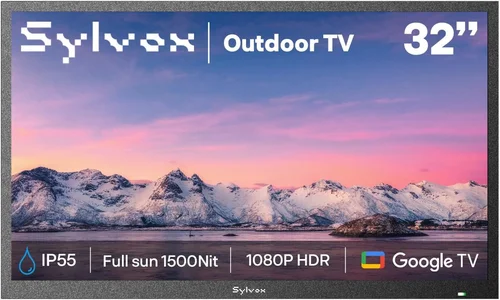
❌ Mistake: Buying an Indoor TV and Assuming It’s Fine Under a Covered Patio
Why it’s bad: Even under a roof, moisture from pool evaporation, morning dew, or wind-driven rain can seep into vents and damage internal components. Indoor TVs lack proper sealing and thermal management for outdoor conditions.
What to do instead: Use a certified outdoor TV or a high-quality outdoor enclosure specifically rated for your climate. Never rely solely on overhead coverage.
❌ Mistake: Ignoring the IP Rating
Why it’s bad: A TV labeled “weather-resistant” without a clear IP rating may only offer minimal protection. Without knowing the exact ingress protection level, you risk premature failure from water or dust exposure.
What to do instead: Always verify the IP rating (e.g., IP65) in the product specs. Cross-reference with independent reviews that test real-world durability.
❌ Mistake: Overlooking Brightness Requirements
Why it’s bad: A dim screen turns your poolside TV into a decorative mirror during the day. You’ll strain your eyes trying to see content, defeating the purpose of outdoor entertainment.
What to do instead: Prioritize TVs with ≥1,000 nits brightness. Test the screen in similar lighting conditions if possible, or rely on verified reviewer measurements.
❌ Mistake: Skimping on Mounting Hardware
Why it’s bad: Standard indoor mounts aren’t designed for the weight and exposure of outdoor TVs. Improper mounting can lead to sagging, vibration damage, or even detachment in strong winds.
What to do instead: Invest in a heavy-duty, corrosion-resistant outdoor mount rated for your TV’s size and weight. Consider tilt or full-motion mounts for optimal viewing angles.
❌ Mistake: Forgetting About Audio
Why it’s bad: Built-in TV speakers are often muffled by weatherproof casings and drowned out by pool pumps, splashing, and ambient noise.
What to do instead: Pair your TV with weatherproof outdoor speakers or a soundbar. Bluetooth connectivity makes wireless setup easy and reduces cable clutter.
❌ Mistake: Not Planning for Power and Cables
Why it’s bad: Exposed power cords are tripping hazards and vulnerable to water damage. DIY cable management can void warranties or create fire risks.
What to do instead: Run cables through waterproof conduits or use in-ground cable channels. Hire a licensed electrician if extending outdoor circuits.
❌ Mistake: Choosing Based Solely on Price
Why it’s bad: The cheapest option often lacks essential features like adequate brightness, proper sealing, or reliable support—leading to higher long-term costs from replacements or repairs.
What to do instead: Focus on total cost of ownership. A mid-range outdoor TV with strong reviews may save you money over time compared to a cheap enclosure that fails after one season.
Budget Guidelines: How Much Should You Spend?
Entry-Level ($500–$1,200): This tier includes basic outdoor enclosures for indoor TVs or smaller partial-sun models. Expect limited brightness (500–700 nits), minimal weatherproofing (IP54), and shorter warranties. Best for shaded patios or seasonal use—not ideal for direct pool exposure.
Mid-Range ($1,200–$2,500): The sweet spot for most homeowners. These TVs offer 1,000–1,500 nits brightness, IP65 ratings, reliable smart platforms, and 2-year warranties. Models like the SunBriteTV Veranda Series or LG OLED Flex Outdoor deliver excellent value with strong performance in varied conditions.
Premium ($2,500–$4,500): Designed for enthusiasts and permanent installations. Features include 1,500–2,500 nits brightness, advanced thermal systems, premium materials, and extended support. Ideal for full sun exposure, coastal areas, or luxury outdoor theaters.
Luxury ($4,500+): Top-tier commercial-grade displays with 24/7 operation capability, ultra-high brightness, modular designs, and custom integration options. Suited for resorts, large estates, or professional outdoor entertainment setups.
Expert Tips for Getting the Best Deal
– Buy during off-season: Prices drop significantly in late fall and winter (October–February) when demand for outdoor gear declines. Many retailers clear inventory before spring.
– Check manufacturer rebates: Brands like Samsung and SunBriteTV often run seasonal promotions or offer trade-in credits for old TVs.
– Compare bundled packages: Some sellers include mounts, cables, or speakers at a discount when purchased together.
– Read long-term reviews: Look for user feedback after 6–12 months of use. Early reviews may miss durability issues that emerge over time.
– Negotiate with local AV installers: They often have access to dealer pricing and may offer better deals than big-box stores.
– Verify return policies: Ensure you can return the TV if it doesn’t perform as expected in your specific environment.
– Consider refurbished models: Certified pre-owned outdoor TVs from reputable sellers can save 20–30% with full warranty coverage.
– Don’t skip the surge protector: Outdoor electronics are vulnerable to lightning-induced power surges. Use a high-quality outdoor-rated surge protector.

Frequently Asked Questions
Q: Can I use a regular TV outdoors if it’s under a covered patio?
A: Technically yes, but it’s not recommended for pool areas. Even covered spaces experience humidity, splashes, and temperature swings that can damage indoor electronics. For reliable, long-term use, invest in a proper outdoor TV or enclosure.
Q: How do I clean my outdoor TV screen?
A: Use a microfiber cloth slightly dampened with distilled water. Avoid ammonia-based cleaners or paper towels, which can scratch the anti-reflective coating. Power off the TV before cleaning.
Q: Will an outdoor TV work in winter?
A: Yes—if it’s rated for low temperatures. Most quality outdoor TVs operate down to -22°F (-30°C). However, avoid turning it on immediately after extreme cold; let it acclimate for 1–2 hours.
Q: Do outdoor TVs consume more power?
A: Slightly, due to higher brightness and thermal systems. However, modern LED models remain energy-efficient. Look for ENERGY STAR certification where available.
Q: Can I mount an outdoor TV on a brick or concrete wall?
A: Absolutely. Use masonry anchors and a heavy-duty mount. Ensure the wall can support the TV’s weight (typically 30–80 lbs). Consult a professional if unsure.
Q: Are outdoor TVs compatible with streaming devices like Roku or Apple TV?
A: Most have built-in smart platforms, but you can always connect external streaming sticks via HDMI. Just ensure the port is accessible and protected from moisture.
Q: How long do outdoor TVs last?
A: With proper care, 7–10 years is typical. Higher-end models with better components and sealing may last even longer.
Q: What’s the difference between “all-weather” and “partial-sun” TVs?
A: All-weather TVs are built for direct sun and full exposure (IP65+, 1,500+ nits). Partial-sun models are for shaded areas and offer lower brightness and basic weather resistance.
Q: Can I leave my outdoor TV on all the time?
A: Not recommended. While commercial models support 24/7 operation, residential units are designed for intermittent use. Continuous operation can shorten lifespan and increase energy costs.
Q: Do I need a special remote for outdoor use?
A: Most outdoor TVs come with standard IR or Bluetooth remotes. For better range and reliability in bright conditions, consider a RF (radio frequency) remote or use a smartphone app.
Our Final Recommendations
Best for Budget-Conscious Buyers: Seura Shadow Series 55″ – Offers solid 1,000-nit brightness, IP54 rating, and reliable smart features under $1,500. Great for covered pool areas.
Best Overall Value: SunBriteTV Veranda 3 Series 65″ – Combines 1,500-nit brightness, IP65 sealing, Android TV, and excellent thermal management at a competitive mid-range price.
Best Premium Option: LG OLED Flex Outdoor 77″ – Ultra-bright (2,000 nits), stunning OLED contrast, IP65 rating, and seamless smart home integration. Ideal for luxury poolside theaters.
Best for Beginners: Samsung The Terrace 55″ – User-friendly Tizen OS, strong brand support, and good brightness (1,200 nits). Easy setup and reliable performance.
Best for Advanced Users: Avid Power ProLine 85″ – Commercial-grade build, 2,500-nit brightness, modular design, and 24/7 operation capability. Perfect for tech-savvy homeowners wanting maximum control.
Conclusion: Making the Right Choice
Choosing the best outdoor TV for your pool area isn’t just about picking the shiniest screen—it’s about finding a balance between performance, durability, and value that matches your unique environment and usage habits. From ensuring sufficient brightness to withstand midday sun, to selecting a model with proven weather resistance and thermal stability, every decision impacts your long-term satisfaction. Avoid common pitfalls like underestimating humidity risks or overlooking audio needs, and always prioritize reputable brands with strong warranties and customer support.
Remember, your outdoor TV is more than a gadget—it’s the centerpiece of countless memories: family movie nights, game-day gatherings, quiet evenings under the stars. By investing wisely today, you’ll enjoy seamless entertainment for years to come. Take the time to assess your space, define your must-have features, and compare models using the criteria outlined in this guide. When you do, you’ll not only enhance your outdoor living experience but also add lasting value to your home.
Ready to transform your pool area into an entertainment oasis? Start by measuring your viewing distance, checking your Wi-Fi coverage, and setting a realistic budget. Then, explore our top recommendations and read verified user reviews. Your perfect outdoor TV is out there—and with the right knowledge, you’re now equipped to find it.

