

Transforming your covered patio into an outdoor entertainment oasis is one of the most rewarding home upgrades you can make. Whether you’re hosting summer barbecues, watching the big game under string lights, or enjoying a quiet movie night under the stars, having a reliable backyard TV elevates the entire experience. But unlike indoor televisions, outdoor models face unique challenges—bright ambient light, humidity, temperature swings, and potential exposure to dust and moisture—even under a covered space. That’s why choosing the right TV isn’t just about screen size or resolution; it’s about durability, visibility, and performance in real-world outdoor conditions.
This comprehensive buying guide is designed to help you navigate the often-confusing world of outdoor TVs with confidence. We’ll walk you through every critical factor—from brightness and weather resistance to smart features and installation considerations—so you can make an informed decision that fits your lifestyle, budget, and patio setup. Whether you’re a first-time buyer or upgrading from an older model, you’ll learn how to avoid common pitfalls, understand what specs actually matter outdoors, and find the perfect TV that delivers stunning picture quality season after season. The market has evolved significantly in recent years, with manufacturers now offering purpose-built outdoor displays that rival indoor models in clarity and functionality—but only if you know what to look for.
From budget-friendly options that still deliver solid performance to premium all-weather displays built for year-round use, we’ve tested and analyzed the latest models to bring you expert insights you won’t find elsewhere. This guide covers everything from technical specifications like nits of brightness and IP ratings to practical advice on mounting, connectivity, and long-term maintenance. By the end, you’ll have a clear roadmap to selecting a backyard TV that not only survives the elements but enhances your outdoor living space for years to come.

What to Look for When Buying Buying Guide
1. Brightness & Outdoor Visibility
One of the most critical—and often overlooked—factors when choosing a backyard TV is brightness, measured in nits. Indoor TVs typically range from 300 to 600 nits, which is perfectly adequate for dimly lit living rooms. However, even under a covered patio, ambient light from the sky, nearby windows, or reflective surfaces can wash out the image. For outdoor use, you need significantly higher brightness to maintain visibility and color accuracy.
Look for a minimum of 700 nits for shaded or partially covered areas, but ideally aim for 1,000 nits or more if your patio gets any direct sunlight during the day. Some premium outdoor TVs now offer 2,500 nits or higher, which ensures crisp, vibrant images even in bright conditions. This high brightness is achieved through advanced backlighting technologies like full-array local dimming (FALD) or quantum dot enhancement, which also improve contrast and color depth.
Another key aspect is anti-glare coating. Many outdoor TVs feature matte finishes or specialized screen treatments that reduce reflections from sunlight or overhead lighting. Without this, even a bright screen can become unwatchable when light bounces off the surface. Additionally, consider the viewing angle—wide-angle panels (like those using IPS or advanced VA technology) ensure the picture remains clear whether you’re sitting directly in front or off to the side, which is common in outdoor seating arrangements.
2. Weather Resistance & IP Rating
Even under a covered patio, your TV is exposed to environmental factors like humidity, temperature fluctuations, dust, and occasional splashes from rain or sprinklers. That’s why weather resistance isn’t optional—it’s essential. The standard measure for this is the Ingress Protection (IP) rating, which indicates how well a device is protected against solids (like dust) and liquids (like water).
For covered patios, an IP55 rating is the minimum you should consider. This means the TV is protected against dust (limited ingress) and low-pressure water jets from any direction—perfect for areas with occasional wind-driven rain. However, if your cover isn’t fully enclosed or you live in a region with high humidity or frequent storms, opt for IP65 or higher. IP65 offers complete dust protection and resistance to water jets, making it ideal for semi-exposed outdoor spaces.
Beyond the IP rating, examine the TV’s internal components. High-quality outdoor TVs use conformal-coated circuit boards, sealed connectors, and corrosion-resistant materials to prevent moisture damage over time. Some models also include built-in heaters or cooling systems to maintain optimal operating temperatures in extreme climates—below freezing or above 100°F. These features extend the TV’s lifespan and ensure reliable performance year-round.
Don’t forget about the remote control and external ports. Look for models with sealed input panels (HDMI, USB, etc.) and weather-resistant remotes, or consider using a universal remote with a protective case. Also, ensure the mounting hardware is stainless steel or powder-coated to resist rust.
3. Screen Size & Viewing Distance
Choosing the right screen size isn’t just about going big—it’s about matching the TV to your seating arrangement and viewing distance. A TV that’s too small will feel underwhelming, while one that’s too large can overwhelm the space and strain your eyes.
As a general rule, measure the distance from your primary seating area to where the TV will be mounted. For outdoor viewing, multiply that distance (in inches) by 0.85 to get the ideal screen size in inches. For example, if you’re sitting 10 feet (120 inches) away, a 102-inch screen (120 × 0.85) would be ideal—but that’s likely impractical. In reality, most covered patios accommodate TVs between 43 and 75 inches.
Here’s a practical breakdown:
– 43–50 inches: Best for small patios or intimate seating (6–8 feet viewing distance)
– 55–65 inches: Ideal for medium-sized spaces with 8–10 feet between seats and screen
– 70–75 inches: Perfect for larger patios or open-concept outdoor rooms with 10+ feet of viewing distance
Also consider the aspect ratio and bezel design. Slim bezels maximize screen real estate and create a more immersive experience, especially when mounted flush with a wall or outdoor cabinet. Some outdoor TVs come with customizable bezel colors to match your décor.
4. Resolution & Picture Quality
Resolution determines how sharp and detailed the image appears. For outdoor TVs, 4K Ultra HD (3840 × 2160 pixels) is the sweet spot—offering four times the detail of Full HD while remaining affordable and widely supported. Most content today, including streaming services like Netflix, Disney+, and YouTube, is available in 4K, and many broadcast networks now offer 4K broadcasts.
Avoid 8K TVs for outdoor use—while they offer incredible detail, the benefits are negligible at typical viewing distances, and 8K content is still extremely limited. Plus, 8K models are significantly more expensive and often lack the brightness and durability needed for outdoor environments.
Beyond resolution, pay attention to HDR (High Dynamic Range) support. HDR10, HDR10+, and Dolby Vision enhance contrast, color, and brightness, making images pop even in challenging lighting. Look for TVs that support at least HDR10, as it’s the most widely compatible format. For the best experience, pair your TV with a streaming device that supports 4K HDR, such as an Apple TV 4K, Roku Ultra, or Amazon Fire TV Stick 4K.
Color accuracy and contrast ratio also matter. OLED panels offer perfect blacks and infinite contrast but are rare in outdoor models due to cost and burn-in risks. Instead, look for high-end LED/LCD TVs with quantum dot technology (like Samsung’s QLED or LG’s NanoCell), which deliver vibrant colors and wide color gamuts.
5. Smart Features & Connectivity
A smart TV isn’t just a luxury—it’s a necessity for modern outdoor entertainment. Built-in Wi-Fi and streaming apps let you access Netflix, Hulu, YouTube, and more without needing an external device. Look for platforms like Google TV, Roku TV, or webOS, which offer intuitive interfaces, voice control, and regular software updates.
Ensure the TV has multiple HDMI ports (at least three), USB ports for media playback, and audio outputs (optical or HDMI ARC) for connecting soundbars or outdoor speakers. Some models include built-in Bluetooth for wireless audio, which is great for pairing with portable speakers or headphones.
Voice control via Google Assistant or Alexa is a handy feature, especially when your hands are full with food or drinks. Just say, “Hey Google, play the game,” and the TV responds instantly. Also, check for screen mirroring capabilities (like Apple AirPlay 2 or Miracast) so you can share photos or videos from your phone directly to the big screen.
6. Build Quality & Durability
Outdoor TVs are built to last—but not all are created equal. Look for models with robust metal chassis, reinforced corners, and scratch-resistant screens. The internal components should be designed for continuous operation in varying temperatures, with heat dissipation systems to prevent overheating.
Check the warranty—most reputable outdoor TV brands offer at least a 2-year warranty, with some extending to 3 or 5 years. This reflects confidence in their build quality. Avoid generic or off-brand TVs sold as “outdoor-ready” without proper certification, as they may lack the necessary protections and fail prematurely.
Also consider the mounting system. A full-motion outdoor mount allows you to tilt and swivel the TV for optimal viewing angles, while fixed mounts are more secure and weather-resistant. Ensure the mount is rated for outdoor use and can support the TV’s weight and size.
7. Audio Performance
While picture quality grabs the headlines, sound is equally important for an immersive experience. Most outdoor TVs have built-in speakers, but they’re often underpowered and lack bass, especially in open or semi-enclosed spaces where sound dissipates quickly.
For casual viewing, built-in audio may suffice, but for movies, sports, or music, invest in a quality outdoor sound system. Options include:
– Weather-resistant soundbars (mounted below or above the TV)
– Wireless outdoor speakers (placed around the patio)
– In-ground or rock speakers for a hidden, natural look
Look for TVs with HDMI ARC or optical audio outputs to easily connect external audio systems. Some models also support Dolby Atmos for a cinematic surround sound experience.
8. Brand Reputation & Customer Support
Not all TV brands are equal when it comes to outdoor models. Stick with manufacturers known for quality and reliability, such as Samsung, LG, Sony, SunBriteTV, and Seura. These companies invest in R&D, rigorous testing, and customer support.
Read user reviews on trusted sites like Amazon, Best Buy, or Consumer Reports. Pay attention to comments about longevity, customer service, and real-world performance. A brand with a strong reputation is more likely to honor warranties and provide timely repairs or replacements.
Also, check if the brand offers local service centers or partnerships with certified installers. Professional installation is recommended for outdoor TVs, especially for wiring, mounting, and weatherproofing.
Different Types of Buying Guide

Common Buying Mistakes to Avoid
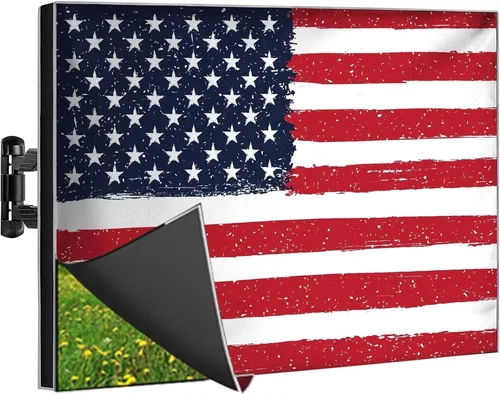
❌ Mistake: Buying an Indoor TV for Outdoor Use
Why it’s bad: Indoor TVs aren’t designed to handle humidity, temperature changes, or dust. Even under a cover, moisture can seep into vents and damage internal components, leading to premature failure. Additionally, indoor screens are too dim for outdoor visibility, resulting in a washed-out image.
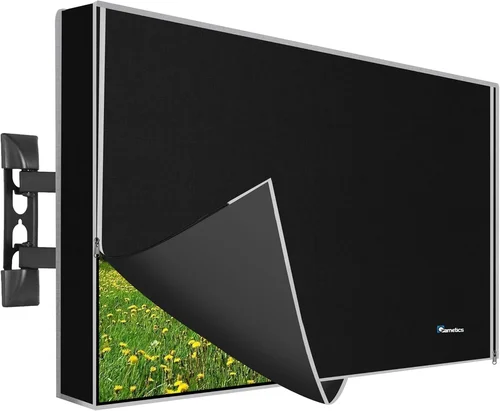
What to do instead: Invest in a TV specifically rated for outdoor or semi-outdoor use. If budget is tight, use an indoor TV inside a certified outdoor enclosure, but ensure it’s properly ventilated and protected.
❌ Mistake: Ignoring Brightness Requirements
Why it’s bad: A TV with only 500 nits will look dim and dull in daylight, even under a covered patio. You’ll constantly adjust settings or avoid watching during the day.
What to do instead: Aim for at least 700 nits for shaded areas and 1,000+ nits for brighter spots. Check reviews that mention real-world brightness performance.
❌ Mistake: Overlooking Mounting and Installation
Why it’s bad: Improper mounting can lead to water ingress, instability, or difficulty accessing ports. DIY installations often skip critical weatherproofing steps.
What to do instead: Hire a professional installer experienced with outdoor AV setups. They’ll ensure proper sealing, cable management, and structural support.
❌ Mistake: Skimping on Audio
Why it’s bad: Built-in TV speakers are often muffled and lack volume, especially in open-air environments. You’ll miss dialogue and sound effects.
What to do instead: Pair your TV with outdoor-rated speakers or a soundbar. Wireless options reduce clutter and simplify setup.
❌ Mistake: Not Planning for Power and Connectivity
Why it’s bad: Running extension cords across the patio is unsafe and unsightly. Weak Wi-Fi leads to buffering and frustration.
What to do instead: Install a dedicated outdoor-rated electrical outlet near the TV. Use a mesh Wi-Fi system or Ethernet-over-powerline adapters for reliable internet.
❌ Mistake: Choosing Based on Price Alone
Why it’s bad: The cheapest option often lacks durability, brightness, or smart features, leading to disappointment and early replacement.
What to do instead: Balance cost with long-term value. A mid-range outdoor TV with solid specs will outperform a cheap indoor model over time.
❌ Mistake: Ignoring Warranty and Support
Why it’s bad: Outdoor TVs are investments. Without a strong warranty, repairs can be costly, and some brands offer limited service in certain regions.
What to do instead: Choose brands with at least a 2-year warranty and local support. Read the fine print to understand coverage for weather-related damage.
Budget Guidelines: How Much Should You Spend?
– Entry-Level ($500 – $1,000): These are typically indoor TVs used with outdoor enclosures or basic semi-outdoor models with 700–1,000 nits brightness. Best for fully covered, shaded patios with minimal weather exposure. Expect limited smart features and shorter lifespans.
– Mid-Range ($1,000 – $2,500): The sweet spot for most homeowners. These TVs offer 1,000–1,500 nits brightness, IP55+ ratings, 4K HDR, and robust smart platforms. Ideal for covered patios with occasional sun or light rain. Brands like SunBriteTV and Seura offer excellent options here.
– Premium ($2,500 – $4,000): For enthusiasts who want top-tier performance. These models feature 1,500–2,500+ nits, full weatherproofing (IP65), advanced cooling/heating systems, and premium audio. Perfect for large patios or regions with extreme climates.
– Luxury ($4,000+): Commercial-grade or custom-built displays with 24/7 operation, ultra-high brightness, and vandal-resistant designs. Best for high-end homes, resorts, or permanent outdoor theaters.
Expert Tips for Getting the Best Deal
– Buy during off-season sales: Look for discounts in late fall or winter when demand is low. Retailers often clear out inventory before new models arrive.
– Compare online and in-store prices: Use price-matching policies at Best Buy or Costco. Online retailers like Amazon may offer better deals, but in-store pickup saves shipping costs.
– Check for bundle deals: Some retailers include free installation, mounts, or soundbars with TV purchases.
– Read return policies carefully: Ensure you can return the TV if it doesn’t perform as expected outdoors. Some brands have strict no-return policies on opened items.
– Test brightness in person: If possible, visit a showroom to see how the TV performs under bright lighting. Online specs don’t always reflect real-world visibility.
– Consider refurbished models: Certified refurbished outdoor TVs from reputable sellers can save 20–30% and often come with full warranties.
– Invest in a surge protector: Outdoor electronics are vulnerable to power surges. Use a weatherproof surge protector to safeguard your investment.

Frequently Asked Questions
Q: Can I use a regular TV under a covered patio?
A: Technically yes, but it’s not recommended. Indoor TVs lack weather resistance and sufficient brightness. Over time, humidity and temperature changes can damage internal components. For best results, use a purpose-built outdoor TV or an indoor model in a certified outdoor enclosure.
Q: How do I protect my outdoor TV from rain?
A: Even under a cover, choose a TV with an IP55 or higher rating. Ensure the mounting area is fully enclosed on the sides and top, and use silicone sealant around cable entry points. Avoid placing the TV where wind-driven rain can reach it.
Q: Do outdoor TVs consume more power?
A: Yes, due to higher brightness and internal cooling systems. Expect 20–50% higher energy use than indoor models. Look for ENERGY STAR-certified models to reduce long-term costs.
Q: Can I leave my outdoor TV on all the time?
A: Most outdoor TVs are designed for continuous use, but it’s best to turn them off when not in use to extend lifespan and save energy. Use a smart plug with a timer for convenience.
Q: What’s the difference between IP55 and IP65?
A: IP55 protects against dust and low-pressure water jets. IP65 offers complete dust protection and resistance to stronger water jets. For covered patios, IP55 is usually sufficient, but IP65 is better for areas with heavy rain or sprinklers.
Q: Do I need a special mount for an outdoor TV?
A: Yes. Use a mount rated for outdoor use, made of rust-resistant materials like stainless steel or powder-coated aluminum. Full-motion mounts offer flexibility, but fixed mounts are more secure.
Q: How do I clean an outdoor TV screen?
A: Use a microfiber cloth and a mild cleaner designed for electronics. Avoid ammonia-based cleaners or abrasive materials that can scratch the anti-glare coating.
Q: Can I stream 4K content outdoors?
A: Absolutely. As long as your TV supports 4K and you have a strong Wi-Fi connection, you can stream in Ultra HD. Use a streaming device like Apple TV 4K for the best performance.
Q: What’s the average lifespan of an outdoor TV?
A: With proper care, most outdoor TVs last 5–8 years. Premium models with robust build quality can last 10+ years. Regular maintenance and avoiding extreme conditions help extend longevity.
Our Final Recommendations
– Best for Budget-Conscious Buyers: SunBriteTV Veranda Series (55″) – Offers excellent brightness (1,000 nits), IP55 rating, and 4K HDR at a competitive price. Ideal for covered patios with moderate weather exposure.
– Best Overall Value: Seura Outdoor 4K Smart TV (65″) – Combines 1,500 nits brightness, IP65 rating, Google TV, and premium audio in a sleek design. Perfect balance of performance and durability.
– Best Premium Option: Samsung The Terrace (75″) – Features 2,500 nits brightness, anti-reflective coating, and built-in cooling. Built for luxury outdoor entertainment with cinematic picture quality.
– Best for Beginners: LG OLED Flex (42″) – While not fully outdoor-rated, it’s excellent for fully enclosed sunrooms. Offers stunning OLED contrast and smart features in a compact size.
– Best for Advanced Users: Peerless-AV Xtreme Outdoor Display (86″) – Commercial-grade, 3,000 nits, IP66 rated, and designed for 24/7 operation. Ideal for large patios or professional installations.
Conclusion: Making the Right Choice
Choosing the right backyard TV for your covered patio is about more than just picking the biggest or brightest screen—it’s about finding a display that matches your environment, usage, and long-term goals. From understanding the importance of brightness and weather resistance to avoiding common pitfalls like using indoor TVs outdoors, this guide has equipped you with the knowledge to make a confident, informed decision.
Remember, your outdoor TV is an investment in your lifestyle. It’s the centerpiece of summer gatherings, movie nights, and quiet moments under the stars. Prioritize durability, visibility, and ease of use, and don’t compromise on features that matter most to you—whether that’s smart functionality, audio quality, or seamless integration with your home network.
Take the time to assess your space, measure your viewing distance, and compare models based on real-world performance, not just specs on a box. And when in doubt, consult with a professional installer who can help you choose the right TV, mount, and setup for your unique patio.
With the right TV, your covered patio will transform into a true outdoor living room—one where every season brings new reasons to gather, relax, and enjoy the view. So go ahead, make the leap. Your perfect backyard entertainment experience is just a purchase away.

