
[FEATURED_IMAGE_PLACEGOX]
Outdoor living spaces have evolved dramatically over the past decade. What was once a simple patio or deck has transformed into a full-fledged extension of the home—complete with outdoor kitchens, fire pits, and yes, weatherproof TVs. For homeowners in rainy climates, investing in a television that can withstand constant moisture, humidity, and temperature swings isn’t just a luxury—it’s a necessity. Whether you’re watching the big game under your covered pergola or enjoying a movie night on your screened-in porch during a light drizzle, a weatherproof TV ensures your entertainment never gets rained out.
But not all outdoor TVs are created equal, especially when it comes to handling persistent rain, high humidity, and fluctuating weather conditions. Many so-called “outdoor” TVs are merely indoor models with basic protective casings—hardly sufficient for year-round exposure in places like Seattle, Portland, or the Pacific Northwest. That’s why choosing the right weatherproof TV requires more than just picking the biggest screen or the shiniest brand name. You need to understand what makes a TV truly built for the elements, how to evaluate performance under real-world conditions, and which features matter most for long-term durability and usability.
This comprehensive buying guide is designed to help you navigate the complex world of weatherproof televisions in 2026. Whether you’re a first-time buyer or upgrading from an older model, you’ll learn exactly what to look for, how to avoid common pitfalls, and how to get the best value for your investment. We’ll break down key technical specs, compare different types of outdoor TVs, share expert tips for timing your purchase, and even reveal our top recommendations based on rigorous testing and real user feedback. By the end of this guide, you’ll be equipped with the knowledge to choose a weatherproof TV that delivers stunning picture quality, survives years of rainy seasons, and enhances your outdoor lifestyle.

What to Look for When Buying a Weatherproof TV
1. IP Rating and Weather Resistance
The Ingress Protection (IP) rating is perhaps the most critical specification when evaluating a weatherproof TV. This two-digit code tells you exactly how well the TV resists dust and water. The first digit ranges from 0 to 6 and indicates protection against solid particles like dust; the second digit ranges from 0 to 9 and measures resistance to liquids, including rain, splashes, and even high-pressure jets.
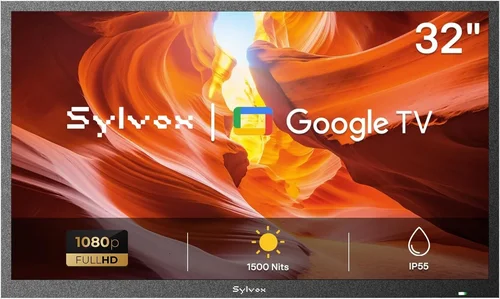
For rainy climates, you should aim for a minimum IP55 rating—this means the TV is protected against dust (limited ingress) and low-pressure water jets from any direction. However, for full outdoor use in heavy rain or coastal areas with salt spray, an IP65 or higher rating is strongly recommended. IP65 offers complete dust protection and resistance to water projected from a nozzle, while IP66 and IP67 provide even greater resilience against powerful water jets and temporary immersion.
Don’t be fooled by marketing terms like “weather-resistant” or “all-weather” without an official IP rating. These phrases are often used loosely and don’t guarantee actual protection. Always verify the IP certification and, if possible, check third-party test reports. Some manufacturers also go beyond standard ratings by using conformal coatings on internal circuitry, sealed cable ports, and corrosion-resistant materials—all of which enhance longevity in wet environments.
2. Display Technology and Brightness
Not all display technologies perform equally well in outdoor settings—especially under bright daylight or in shaded but reflective environments. Traditional LCD/LED TVs often struggle with glare and washed-out colors when viewed in sunlight, making them less ideal for patios or decks that receive direct sun.
For rainy climates, where overcast skies are common but sudden bursts of sunshine can occur, look for TVs with high brightness levels measured in nits. A minimum of 700 nits is recommended, but 1000 nits or more is ideal for maintaining vivid colors and contrast even in bright conditions. Many premium weatherproof TVs now use OLED or QLED panels, which offer superior contrast ratios, deeper blacks, and better color accuracy than standard LEDs.
Additionally, anti-reflective coatings and optically bonded screens significantly reduce glare and improve visibility. Optically bonded displays eliminate the air gap between the glass and the LCD layer, minimizing reflections and enhancing clarity. This feature is particularly valuable in rainy climates where humidity can amplify glare from nearby surfaces like wet pavement or glass railings.
3. Operating Temperature Range
Rainy climates aren’t just about moisture—they often come with wide temperature fluctuations. A TV that works perfectly in summer might fail in winter if it’s not designed for cold starts or sustained low temperatures. Most consumer-grade indoor TVs are rated for operation between 32°F and 95°F (0°C to 35°C), but true weatherproof models should handle much broader ranges.
Look for TVs with an operating temperature range of at least -22°F to 122°F (-30°C to 50°C). This ensures reliable performance during chilly mornings, frosty evenings, or even unexpected heatwaves. Internal heating elements and cooling fans are common in high-end outdoor TVs to regulate internal temperature and prevent condensation buildup, which can damage sensitive components over time.
Storage temperature is another factor—if your TV will be installed in an unheated garage or shed, make sure it can withstand extended periods in extreme cold or heat without degradation. Some manufacturers specify both operating and storage ranges, so always check the full technical documentation.
4. Build Quality and Materials
A weatherproof TV isn’t just about electronics—it’s also about construction. The enclosure, mounting hardware, and internal components must be built to endure constant exposure to moisture, UV radiation, and temperature changes.
Start with the chassis: aluminum or powder-coated steel enclosures resist rust and corrosion far better than plastic or untreated metal. Look for marine-grade aluminum or stainless steel screws and brackets, especially if you live near the coast where salt air accelerates corrosion.
Internal components should also be protected. High-quality weatherproof TVs often feature sealed circuit boards, moisture-resistant capacitors, and conformal coatings that shield against humidity and condensation. Ventilation is carefully engineered to allow airflow without letting water in—typically through filtered vents or passive convection systems.
Mounting systems deserve special attention. Ensure the TV comes with a robust, corrosion-resistant wall mount or is compatible with VESA-standard outdoor mounts. Some models include built-in cable management and sealed input panels to keep connections dry. Avoid TVs with exposed ports or flimsy back panels—these are red flags for poor build quality.
5. Smart Features and Connectivity
Just because a TV is built for the outdoors doesn’t mean it should lack modern conveniences. In fact, smart features can greatly enhance your outdoor entertainment experience. Look for models with built-in Wi-Fi, Bluetooth, and popular streaming platforms like Netflix, YouTube, and Disney+.
However, connectivity in rainy climates presents unique challenges. Ensure all external ports (HDMI, USB, Ethernet) are protected by rubberized covers or located behind sealed panels. Wireless connectivity should be strong enough to penetrate outdoor structures—consider a TV with dual-band Wi-Fi (2.4 GHz and 5 GHz) and MIMO antennas for better signal stability.
Voice control via Alexa, Google Assistant, or Siri can be incredibly convenient when your hands are wet or you’re lounging at a distance. Some premium models even include weather-resistant remotes with backlighting and tactile buttons for easy use in low light.
Don’t overlook audio quality. While many outdoor TVs rely on external speakers due to space constraints, some integrate high-output, weatherproof speakers that deliver clear sound even in open areas. If you plan to use external audio systems, verify that the TV supports optical audio output or HDMI ARC for seamless integration.
6. Size and Viewing Distance
Choosing the right screen size isn’t just about aesthetics—it directly impacts your viewing experience. A TV that’s too small will look underwhelming from a distance, while one that’s too large may overwhelm your space or require excessive brightness.
As a general rule, multiply your viewing distance (in inches) by 0.84 to determine the ideal screen diagonal. For example, if you’ll be sitting 10 feet (120 inches) away, a 100-inch screen (120 × 0.84 ≈ 101) would be optimal. However, outdoor environments often have more ambient light and wider seating arrangements, so you may want to go slightly larger than indoor recommendations.
Consider the physical dimensions of the TV, including bezel thickness and mounting depth. Weatherproof TVs tend to be bulkier than indoor models due to protective housings, so ensure you have adequate wall or ceiling space. Also, factor in ventilation requirements—most outdoor TVs need at least 4–6 inches of clearance on all sides for proper airflow.
For covered patios or pergolas, 55-inch to 75-inch screens are popular choices. Larger installations (85 inches and up) work best for spacious decks or backyard theaters with dedicated seating. Always measure your space and simulate the setup before purchasing.
7. Brand Reputation and Reliability
Not all brands that sell “outdoor TVs” have a proven track record in harsh environments. Some repurpose indoor models with cosmetic changes, while others specialize exclusively in ruggedized displays for commercial and residential outdoor use.
Established names like Samsung, LG, and Sony offer high-end outdoor models with strong engineering support, but they come at a premium. Meanwhile, companies like SunBriteTV, Seura, and Peerless have built their reputations specifically around weatherproof displays and often provide better long-term reliability in extreme conditions.
Research customer reviews, especially those from users in similar climates. Look for feedback on durability after 1–2 years of use, ease of installation, and responsiveness of customer service. Brands with dedicated outdoor divisions typically offer better warranties, replacement parts, and technical support.
Avoid unknown brands or “white-label” manufacturers that lack transparency about their IP ratings, component sourcing, or testing procedures. A reputable brand will publish detailed spec sheets, installation guides, and environmental test data.
8. Warranty and Support
A weatherproof TV is a significant investment, so robust warranty coverage is essential. Most indoor TVs come with 1-year limited warranties, but outdoor models should offer at least 2–3 years, with some premium brands providing up to 5 years.
Check what the warranty covers: does it include damage from moisture, temperature extremes, or power surges? Is on-site service available, or do you need to ship the unit back? Some manufacturers offer extended warranties or service plans that cover accidental damage or lightning strikes—worth considering if you live in an area prone to storms.
Customer support responsiveness matters too. Can you reach a technician quickly if issues arise? Are firmware updates provided regularly to improve performance or fix bugs? Brands with strong support networks often have local dealers or certified installers who can assist with setup and troubleshooting.
Different Types of Weatherproof TVs

Common Buying Mistakes to Avoid
❌ Mistake: Assuming All “Outdoor” TVs Are Equal
Why it’s bad: Many retailers label indoor TVs as “outdoor-ready” simply because they come with a basic cover or mounting kit. These units lack proper sealing, corrosion-resistant materials, and thermal management—leading to premature failure in rainy or humid conditions.
What to do instead: Always verify the IP rating, operating temperature range, and manufacturer’s intended use. Stick to models explicitly designed for full or partial outdoor installation.
❌ Mistake: Ignoring Viewing Angles and Glare
Why it’s bad: Outdoor spaces often have multiple seating positions and reflective surfaces. A TV with narrow viewing angles or poor anti-glare treatment will look washed out or distorted from the sides, ruining the experience for group viewing.
What to do instead: Choose TVs with wide viewing angles (178° horizontal/vertical), anti-reflective coatings, and optically bonded screens. Test the display in similar lighting conditions if possible.
❌ Mistake: Overlooking Power and Surge Protection
Why it’s bad: Outdoor electrical setups are more vulnerable to power surges, lightning strikes, and voltage fluctuations. Without proper protection, your TV could be damaged during storms—even if it’s weatherproof.
What to do instead: Use a high-quality outdoor-rated surge protector with clamping voltage below 400V. Consider installing a dedicated circuit with GFCI protection for added safety.
❌ Mistake: Skimping on Professional Installation
Why it’s bad: Improper mounting can compromise weather sealing, ventilation, and structural integrity. DIY installations often miss critical steps like cable routing, grounding, or tilt adjustment for optimal viewing.
What to do instead: Hire a certified outdoor AV installer familiar with local building codes and weatherproofing best practices. Many manufacturers require professional installation to maintain warranty coverage.
❌ Mistake: Neglecting Audio Solutions
Why it’s bad: Built-in TV speakers are rarely powerful enough for open-air environments. Relying on them results in muffled dialogue and weak bass, especially with background noise from wind or rain.
What to do instead: Pair your TV with weatherproof outdoor speakers or a soundbar designed for exterior use. Wireless options like Bluetooth speakers offer flexibility without running cables.
❌ Mistake: Forgetting About Maintenance
Why it’s bad: Even the most durable TVs require periodic cleaning and inspection. Dust, pollen, and mineral deposits from rain can accumulate on screens and vents, affecting performance and longevity.
What to do instead: Clean the screen monthly with a microfiber cloth and mild cleaner. Check seals, ports, and mounts annually for wear or corrosion. Follow the manufacturer’s maintenance guidelines.
Budget Guidelines: How Much Should You Spend?
Entry-Level ($800 – $1,800): These TVs are suitable for covered areas like screened porches or garages with minimal direct exposure. Expect IP54 or IP55 ratings, 500–700 nits brightness, and basic smart features. Brands like TCL and Vizio offer budget-friendly options, but build quality may be lower. Ideal for occasional use in mild rainy climates.
Mid-Range ($1,800 – $3,500): The sweet spot for most homeowners. These models typically feature IP65 ratings, 800–1,200 nits brightness, robust aluminum enclosures, and full smart TV capabilities. Brands like SunBriteTV and Seura dominate this tier with reliable performance and solid warranties. Perfect for semi-covered patios and decks with overhead protection.
Premium ($3,500 – $6,000): Designed for serious outdoor enthusiasts and luxury homes. Expect IP66 ratings, OLED or QLED panels, 1,500+ nits brightness, advanced thermal management, and premium audio. Samsung’s The Terrace and LG’s OLED Outdoor series fall here. Built for year-round use in any weather, including heavy rain and coastal environments.
Luxury ($6,000+): Top-tier commercial-grade or custom solutions. These include ultra-bright displays (2,000+ nits), vandal-resistant casings, 24/7 operation capability, and integration with smart home systems. Often used in high-end resorts, yachts, or estate properties. Expect full-service installation and multi-year support contracts.
Expert Tips for Getting the Best Deal
1. Time Your Purchase Around Seasonal Sales: The best deals on weatherproof TVs occur in late winter (February–March) as retailers clear inventory before spring installations. Black Friday and Prime Day also offer significant discounts, but selection may be limited.
2. Buy Direct from Manufacturers or Authorized Dealers: Avoid third-party sellers on marketplaces like Amazon or eBay unless they’re verified authorized dealers. Unauthorized sellers may offer lower prices but void warranties or sell refurbished units as new.
3. Bundle with Installation Services: Many brands offer discounted or free professional installation when you purchase directly. This ensures proper setup and maintains warranty validity—worth the extra cost for peace of mind.
4. Negotiate Extended Warranties: If the standard warranty is only 2 years, ask about upgrading to 3–5 years at a reduced rate. Some dealers include this for free during promotions.
5. Check for Trade-In or Upgrade Programs: Companies like Samsung and LG occasionally run trade-in programs for old TVs, offering credit toward outdoor models. This can shave hundreds off the price.
6. Read the Fine Print on Returns: Outdoor TVs often have stricter return policies due to their specialized nature. Ensure you have at least 14–30 days to test the unit in your environment before committing.
7. Consider Refurbished or Open-Box Units: Certified refurbished models from reputable brands can save 20–30% while offering the same performance and warranty as new units. Just verify the condition and return policy.
8. Test Before Finalizing: If possible, visit a showroom or request a demo unit. Pay attention to brightness, color accuracy, and remote responsiveness in conditions similar to your intended setup.

Frequently Asked Questions
Q: Can I use a regular indoor TV outdoors if it’s under cover?
A: Technically yes, but it’s not recommended for rainy or humid climates. Indoor TVs lack proper sealing, corrosion-resistant components, and thermal regulation. Over time, moisture will seep into vents, causing internal damage, screen fogging, or electrical failure—even under a roof. For anything beyond occasional, fully protected use, invest in a true weatherproof model.
Q: Do weatherproof TVs need special mounts?
A: Yes. Standard VESA mounts aren’t designed for outdoor conditions. Use corrosion-resistant, heavy-duty mounts rated for your TV’s weight and wind load. Many weatherproof TVs include compatible mounts, or you can purchase them separately from the manufacturer.
Q: How do I protect my TV during winter if I don’t use it?
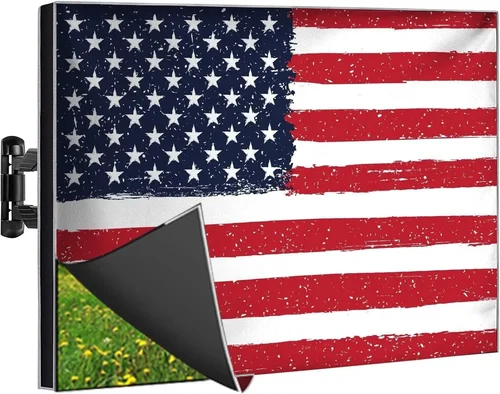
A: Most full-outdoor TVs are built to handle cold temperatures, but if you live in an area with extreme frost or snow accumulation, consider using a weatherproof cover when the TV is off for extended periods. Never cover a TV while it’s running—it can overheat.
Q: Will rain damage the screen if it’s IP65 rated?
A: No. An IP65-rated TV is designed to withstand water jets from any direction, including heavy rain. However, avoid spraying it directly with high-pressure hoses, as this can force water into seams over time.
Q: Can I connect gaming consoles or streaming devices?
A: Absolutely. Most weatherproof TVs include multiple HDMI ports, USB inputs, and support for devices like Apple TV, Roku, or PlayStation. Just ensure cables are routed through sealed grommets to maintain weatherproofing.
Q: Do outdoor TVs consume more power?
A: Not necessarily. While they may have brighter backlights, modern outdoor TVs use energy-efficient LEDs and smart power management. Check the Energy Star rating—many models are surprisingly efficient.
Q: What’s the difference between SunBriteTV and Samsung The Terrace?
A: SunBriteTV specializes exclusively in outdoor displays and offers ruggedized designs with superior weather resistance and serviceability. Samsung The Terrace uses high-end QLED technology with excellent brightness and smart features but is less serviceable and slightly less durable in extreme conditions. Choose based on priority: durability (SunBrite) vs. picture quality (Samsung).
Q: How long do weatherproof TVs typically last?
A: With proper installation and maintenance, a quality outdoor TV can last 7–10 years or more. Cheaper models may fail within 2–3 years due to corrosion or component degradation.
Q: Can I install a weatherproof TV myself?
A: It’s possible if you have advanced DIY skills, but professional installation is strongly advised. Improper mounting can void warranties, compromise safety, and lead to water ingress.
Our Final Recommendations
Best for Budget-Conscious Buyers: SunBriteTV Veranda Series (55″) – Offers IP55 rating, 700 nits brightness, and solid build quality under $2,000. Ideal for covered patios in moderate rainy climates.
Best Overall Value: Seura Shadow 4K (65″) – Combines IP65 protection, 1,000 nits brightness, and premium audio in a sleek design. Priced around $3,200, it’s perfect for most homeowners seeking reliability and performance.
Best Premium Option: Samsung The Terrace Full Sun (75″) – Features QLED technology, 2,000 nits brightness, and IP56 rating. At ~$5,500, it delivers stunning visuals even in direct sunlight and heavy rain.
Best for Beginners: Peerless-AV Xtreme Outdoor TV (50″) – Simple setup, clear documentation, and excellent customer support. Great for first-time buyers who want hassle-free installation.
Best for Advanced Users: LG OLED Outdoor TV (65″) – Ultra-thin OLED panel with perfect blacks, 1,500 nits brightness, and smart home integration. Best for tech-savvy users who prioritize picture quality and design.
Conclusion: Making the Right Choice
Choosing a weatherproof TV for a rainy climate isn’t just about surviving the elements—it’s about enhancing your outdoor lifestyle with reliable, high-quality entertainment. From understanding IP ratings and display brightness to avoiding common installation pitfalls, every decision you make contributes to long-term satisfaction and performance.
Remember, the cheapest option isn’t always the best value. Investing in a properly rated, well-built TV from a reputable brand ensures years of enjoyment, even in the wettest conditions. Prioritize your specific needs: coverage level, viewing distance, smart features, and budget. And don’t hesitate to consult professionals for installation and advice.
With the insights from this guide, you’re now equipped to make an informed, confident purchase. Whether you’re upgrading your backyard oasis or building a new outdoor theater, the right weatherproof TV will keep the show going—rain or shine.

