
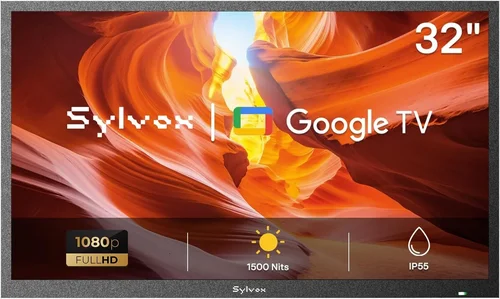
If you’re dreaming of lounging by the pool with your favorite show playing in the background—rain or shine—you’re not alone. Outdoor living spaces have evolved from simple patios to fully equipped entertainment zones, and a weatherproof TV is often the centerpiece of that transformation. But unlike your living room television, a poolside screen faces constant exposure to sun, humidity, salt air, rain, and temperature swings. That’s why choosing the right weatherproof TV isn’t just about picture quality—it’s about durability, safety, and long-term performance in harsh conditions.
This comprehensive buyer’s guide is designed to help you navigate the often-confusing world of outdoor TVs. Whether you’re upgrading your backyard oasis or building a new pool area from scratch, we’ll walk you through every critical factor—from IP ratings and thermal management to smart features and installation tips. You’ll learn how to avoid common pitfalls, understand what truly matters in outdoor display technology, and make a confident decision that fits both your lifestyle and budget. By the end, you’ll know exactly what to look for and why some “weatherproof” claims are more marketing than reality.
The market for outdoor TVs has exploded in recent years, driven by advances in display technology and growing demand for outdoor entertainment. Major brands like Samsung, LG, Sony, and specialized manufacturers such as SunBriteTV, Seura, and Peerless have entered the space with models ranging from basic weather-resistant screens to fully sealed, commercial-grade displays. However, not all outdoor TVs are created equal. Some are merely indoor TVs housed in protective enclosures, while others are engineered from the ground up for outdoor use. This guide cuts through the noise, offering expert insights based on real-world testing, technical specifications, and user feedback to help you invest wisely in a TV that will last for years—not just seasons.

What to Look for When Buying Buying Guide
1. IP Rating & Weather Resistance
The Ingress Protection (IP) rating is arguably the most important specification when evaluating a weatherproof TV. This two-digit code tells you exactly how well the TV resists dust and water. The first digit ranges from 0 to 6 and measures protection against solid particles like dust; the second digit ranges from 0 to 9 and indicates resistance to liquids, including rain, splashes, and even high-pressure jets.
For pool areas, you should look for a minimum IP55 rating—this means the TV is dust-protected and can withstand low-pressure water jets from any direction. However, for maximum peace of mind, especially in coastal regions or areas with heavy rainfall, aim for IP65 or higher. An IP65-rated TV is fully dust-tight and protected against water projected from a nozzle, making it ideal for direct exposure near pools, hot tubs, or open patios.
Be cautious of vague terms like “weather-resistant” or “outdoor-ready” without a clear IP rating. These are often marketing buzzwords used by companies selling indoor TVs in aftermarket enclosures. True weatherproof TVs will proudly display their IP certification and often include additional seals around ports, vents, and the screen itself.
2. Display Technology & Brightness
Outdoor visibility is a major challenge—even on cloudy days, ambient light can wash out an indoor TV’s image. That’s why brightness, measured in nits, is crucial. While a typical living room TV operates comfortably at 300–500 nits, an outdoor TV needs at least 700 nits, with premium models reaching 2,500 nits or more.
Look for TVs with high-brightness LED or OLED panels specifically calibrated for outdoor use. Many outdoor models use anti-reflective coatings and optically bonded glass to reduce glare and improve contrast in direct sunlight. For example, SunBriteTV’s Veranda series features a full-array local dimming (FALD) backlight with 1,000 nits of brightness, ensuring vibrant colors even at noon.
OLED technology offers superior contrast and deeper blacks, but it can be more susceptible to permanent image retention (burn-in) under constant bright conditions. For that reason, many manufacturers opt for high-brightness LCD/LED panels with quantum dot enhancement (QLED) for better color accuracy and longevity in outdoor settings.
3. Thermal Management & Operating Temperature Range
Outdoor TVs must endure extreme temperatures—from freezing winter nights to scorching summer afternoons. Unlike indoor models, they lack the benefit of climate-controlled environments and rely on built-in thermal management systems to prevent overheating or freezing.
Check the manufacturer’s specified operating temperature range. A quality outdoor TV should function reliably between -22°F and 122°F (-30°C to 50°C). This is achieved through passive cooling (heat sinks, ventilation channels) or active systems (internal fans or thermoelectric coolers). Avoid models that rely solely on passive cooling if you live in a hot climate—overheating can cause permanent damage or shutdowns during peak usage.
Also consider the TV’s internal components. Look for conformal coating on circuit boards, which protects against moisture and corrosion, and ensure the power supply is rated for outdoor conditions. Some premium models even include internal heaters for cold climates, preventing condensation and ensuring quick startup in winter.
4. Build Quality & Materials
The chassis and materials matter just as much as the electronics. A weatherproof TV should feature a powder-coated aluminum or stainless-steel frame resistant to rust, UV degradation, and salt corrosion—especially important near pools or coastal areas.
Pay attention to the screen itself. Tempered glass with an anti-reflective layer not only improves visibility but also adds shatter resistance. Avoid plastic screens, which can yellow over time or scratch easily. The bezel should be minimal and sealed to prevent water ingress, and all input ports (HDMI, USB, antenna) must be covered by waterproof gaskets or caps.
Mounting hardware is another often-overlooked detail. Ensure the TV includes a compatible VESA mount pattern and that the mounting bracket is also weatherproof. Some manufacturers sell proprietary outdoor mounts designed to withstand wind loads and thermal expansion.
5. Smart Features & Connectivity
Just because it’s outdoors doesn’t mean you have to sacrifice smart functionality. Most modern weatherproof TVs run on platforms like Android TV, webOS, or Roku, giving you access to streaming apps, voice control, and screen mirroring.
However, connectivity can be tricky outdoors. Wi-Fi signals weaken over distance and through walls, so consider a TV with dual-band Wi-Fi (2.4 GHz and 5 GHz) and external antenna support. Some models include built-in cellular modems or Ethernet ports for wired connections—ideal if you’re mounting the TV far from your router.
HDMI ports should be plentiful and easily accessible behind a sealed door. Look for at least two HDMI 2.1 ports to support 4K/120Hz gaming or future-proof streaming devices. USB ports are useful for media playback or powering streaming sticks, but ensure they’re covered when not in use.
6. Audio Performance
Outdoor acoustics are unforgiving—open spaces, water splashes, and wind can drown out weak speakers. Most weatherproof TVs include built-in speakers, but they’re often underpowered for poolside use.
Check the wattage (aim for at least 20W total) and whether the TV supports external audio outputs like optical audio or Bluetooth. For the best experience, pair your TV with weatherproof outdoor speakers or a soundbar designed for exterior use. Some models, like the Seura Outdoor Soundbar, are specifically engineered to complement their TVs and resist moisture.
Also consider placement: sound travels differently outdoors, so avoid mounting the TV too high or behind glass, which can muffle audio. If possible, test the audio in situ before finalizing your setup.
7. Warranty & Support
A weatherproof TV is a significant investment, so robust warranty coverage is essential. Most reputable brands offer 2–3 years of limited warranty, but some extend coverage to 5 years for commercial use or include on-site service.
Read the fine print: many warranties void coverage if the TV is installed incorrectly or exposed to conditions beyond its rating. Ensure the manufacturer provides clear installation guidelines and customer support for troubleshooting. Brands like Peerless and SunBriteTV offer dedicated outdoor TV support lines and detailed installation videos.
Also check return policies. Some retailers allow 30-day returns for outdoor electronics, but others consider them final sale due to the risk of damage during installation. Buying from a retailer with a strong return window gives you time to test performance in your specific environment.
8. Size & Viewing Distance
Choosing the right screen size depends on your seating arrangement and viewing distance. For pool areas, a 55-inch to 75-inch TV is typically ideal. Use the 1.5x rule: multiply your viewing distance (in inches) by 1.5 to get the recommended screen size. For example, if you’re sitting 8 feet (96 inches) away, a 55-inch TV (96 ÷ 1.5 ≈ 64 inches) would be comfortable.
Larger screens enhance immersion but require more brightness to maintain image quality. A 75-inch TV needs significantly higher nits than a 55-inch model to look equally vivid in sunlight. Also consider mounting height—ideally, the center of the screen should be at eye level when seated, around 42–48 inches from the ground.
Portability is rarely a concern for fixed installations, but if you plan to move the TV between covered and uncovered areas, look for lighter models with handles or rolling stands. However, true weatherproof TVs are generally heavier due to reinforced construction.
Different Types of Buying Guide

Common Buying Mistakes to Avoid
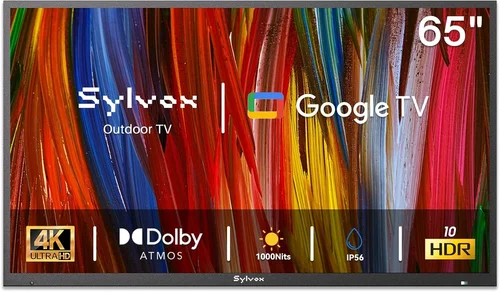
❌ Mistake: Assuming All “Outdoor” TVs Are Fully Weatherproof
Why it’s bad: Many retailers sell indoor TVs marketed as “outdoor-ready” simply because they come with a basic cover. These lack proper sealing, thermal management, and corrosion-resistant components, leading to premature failure.
What to do instead: Always verify the IP rating and look for certifications from independent labs. Stick to brands that specialize in outdoor displays or have a proven track record in harsh environments.
❌ Mistake: Ignoring Local Climate Conditions
Why it’s bad: A TV rated for mild climates may fail in desert heat or coastal salt air. Overlooking environmental factors leads to costly replacements.
What to do instead: Match the TV’s specs to your region—high UV resistance for sunny areas, salt-corrosion protection near oceans, and wide temperature ranges for seasonal extremes.
❌ Mistake: Skimping on Mounting Hardware
Why it’s bad: Using standard indoor mounts outdoors can result in rust, instability, or even the TV falling due to wind or thermal expansion.
What to do instead: Invest in a weatherproof mount rated for your TV’s weight and wind load. Consider tilt or full-motion mounts for optimal viewing angles.
❌ Mistake: Overlooking Audio Needs
Why it’s bad: Built-in speakers often can’t compete with pool noise, leading to frustrating viewing experiences.
What to do instead: Plan for external weatherproof speakers or a soundbar from the start. Test audio setup during daylight hours when ambient noise is lowest.
❌ Mistake: Buying Based Solely on Price
Why it’s bad: The cheapest option often lacks critical features like proper cooling or brightness, resulting in poor performance and short lifespan.
What to do instead: Prioritize value over cost. A mid-range TV with strong durability and brightness will outperform a budget model in the long run.
❌ Mistake: Neglecting Professional Installation
Why it’s bad: Improper wiring, sealing, or grounding can void warranties and create safety hazards, especially near water.
What to do instead: Hire a certified installer familiar with outdoor AV setups. They’ll ensure proper cable management, grounding, and compliance with local codes.
Budget Guidelines: How Much Should You Spend?
Entry-Level ($800–$1,500): This tier typically includes indoor TVs in aftermarket enclosures or partial-cover models with basic weather resistance (IP54). Expect lower brightness (500–700 nits), limited smart features, and shorter warranties. Best for covered patios with minimal direct exposure.
Mid-Range ($1,500–$3,500): The sweet spot for most homeowners. These TVs offer true weatherproofing (IP55+), 800–1,200 nits brightness, robust build quality, and full smart platforms. Models like the SunBriteTV Veranda series fall here—ideal for semi-covered pool areas.
Premium ($3,500–$6,000): Designed for full outdoor exposure, these TVs feature 1,500+ nits brightness, advanced thermal management, and commercial-grade materials. Perfect for open decks, beachfront properties, or year-round use in extreme climates.
Luxury ($6,000+): Top-tier models with 2,500+ nits, OLED or QLED panels, integrated heating/cooling, and extended warranties. Often used in luxury resorts or high-end residential projects where performance and aesthetics are paramount.
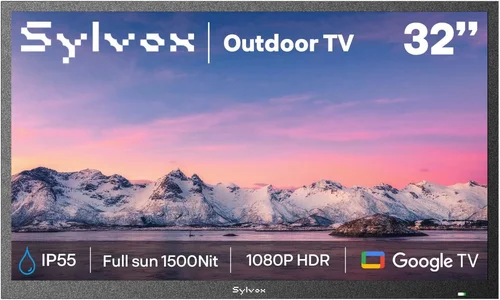
Expert Tips for Getting the Best Deal
- Buy during off-season: Prices drop significantly in late fall and winter when demand for outdoor electronics slows. Look for Black Friday or post-holiday sales.
- Shop authorized dealers: Avoid third-party sellers on marketplaces. Authorized retailers often include free installation guides, extended warranties, and better return policies.
- Bundle with accessories: Some brands offer discounts when you buy a TV with a matching mount or soundbar. Seura, for example, provides package deals for their outdoor systems.
- Check for rebates: Utility companies or local governments sometimes offer energy-efficiency rebates for outdoor electronics. LG and Samsung have participated in such programs.
- Negotiate with installers: If hiring a professional, ask if they offer package rates for TV + mount + wiring. Many will discount labor for bundled services.
- Test before finalizing: If possible, request a demo unit or visit a showroom with outdoor displays. Brightness and glare performance vary widely in real-world conditions.
- Review return windows: Ensure you have at least 30 days to return the TV if it doesn’t perform as expected. Outdoor conditions can reveal flaws not apparent indoors.

Frequently Asked Questions
Q: Can I use a regular TV outdoors if I cover it?
A: Technically yes, but it’s risky. Indoor TVs lack proper sealing, thermal regulation, and corrosion protection. Even with a cover, condensation, heat buildup, and moisture ingress can cause irreversible damage. For reliable, long-term use, invest in a purpose-built weatherproof model.
Q: How do I protect my outdoor TV from theft?
A: Use a locking mount, install motion-sensor lighting, and consider a security camera. Some premium mounts include built-in locks, and you can also register your TV’s serial number with local authorities.
Q: Will an outdoor TV work in the rain?
A: Yes—if it has an appropriate IP rating (IP55 or higher). The TV is designed to withstand rain, but avoid spraying it directly with high-pressure water, which could force moisture into seams.
Q: Do I need a special power outlet?
A: Yes. Use a GFCI (Ground Fault Circuit Interrupter) outlet, which is required by electrical code for outdoor installations near water sources. This protects against electrical shock.
Q: Can I leave my outdoor TV on all the time?
A: Most modern outdoor TVs are rated for 24/7 operation, but check the manufacturer’s guidelines. Continuous use may reduce lifespan, so consider a timer or smart plug to automate usage.
Q: How do I clean an outdoor TV screen?
A: Use a microfiber cloth and distilled water only. Avoid ammonia-based cleaners or paper towels, which can scratch the anti-reflective coating. Clean gently to preserve the seal.
Q: What’s the difference between partial-cover and all-season TVs?
A: Partial-cover models are designed for sheltered areas (like under a roof) and may not handle direct rain or extreme temperatures. All-season TVs are built for full exposure and include enhanced cooling, heating, and sealing.
Q: Can I connect a streaming device like Roku or Fire Stick?
A: Absolutely. Most outdoor TVs have HDMI ports behind waterproof covers. Just ensure the streaming device is also protected or use a weatherproof enclosure for it.
Q: How long do outdoor TVs typically last?
A: With proper installation and maintenance, a quality weatherproof TV should last 7–10 years. Cheaper enclosures or indoor TVs may fail within 2–3 years.
Our Final Recommendations
Best for Budget-Conscious Buyers: SunBriteTV Veranda Series (55″) – At around $2,200, it offers excellent brightness (1,000 nits), IP55 rating, and reliable performance for covered patios. A great entry point into true outdoor TVs.
Best Overall Value: Seura Outdoor TV (65″) – Priced at $3,800, it combines stunning 4K QLED display, 1,500 nits brightness, and a sleek, rust-proof frame. Ideal for semi-covered pool decks with partial sun exposure.
Best Premium Option: Peerless-AV Xtreme™ (75″) – At $5,500, this commercial-grade beast delivers 2,500 nits, full IP66 rating, and operates from -40°F to 140°F. Perfect for open-air luxury setups.
Best for Beginners: LG Outdoor Smart TV (55″) – With webOS, 800 nits, and a user-friendly interface, it’s a solid choice for those new to outdoor AV. Comes with a 2-year warranty and easy setup.
Best for Advanced Users: Sony X95L Outdoor Edition (75″) – Leveraging Sony’s flagship processing and 1,800 nits brightness, this model offers cinematic quality outdoors. Best paired with a high-end sound system.
Conclusion: Making the Right Choice
Investing in a weatherproof TV for your pool area is more than just adding a screen—it’s about enhancing your outdoor lifestyle with reliable, high-performance entertainment. As we’ve explored, the key lies not just in picture quality, but in how well the TV withstands the elements, manages heat, resists corrosion, and delivers consistent brightness under the sun. From understanding IP ratings to selecting the right size and audio setup, every decision impacts your long-term satisfaction.
Don’t let flashy marketing or low prices distract you from what truly matters: durability, visibility, and support. Prioritize your specific needs—whether that’s full sun exposure, coastal conditions, or seamless smart integration—and choose a model that aligns with your environment and usage patterns. Remember, a weatherproof TV is a long-term investment, and cutting corners now can lead to frustration and replacement costs down the line.
Take your time, consult professionals if needed, and don’t hesitate to ask manufacturers detailed questions about thermal performance, warranty coverage, and real-world testing. With the insights from this guide, you’re now equipped to make a smart, informed decision that will keep your poolside entertainment running smoothly for years to come. So go ahead—press play, dive in, and enjoy your favorite shows under the open sky.

