
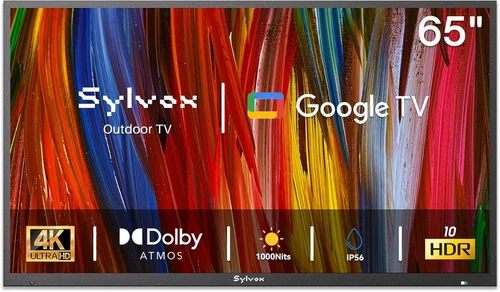
Outdoor living spaces have evolved dramatically in recent years, and for apartment dwellers, the dream of enjoying a movie night under the stars or catching the big game from a cozy balcony is no longer out of reach. Whether you’re perched high above the city on a 20th-floor terrace or relaxing on a ground-level patio, a weatherproof TV can transform your outdoor area into a true entertainment oasis. But unlike indoor TVs, these specialized screens face unique challenges—extreme temperatures, humidity, direct sunlight, rain, and even dust. That’s why choosing the right weatherproof TV isn’t just about picture quality; it’s about durability, performance in harsh conditions, and long-term reliability.
This comprehensive buying guide is designed to help apartment residents make informed decisions when investing in a weatherproof TV. Whether you’re a first-time buyer or upgrading from an older model, you’ll learn everything you need to know—from key technical specs and build quality to budget considerations and real-world usability. We’ll break down the most important factors to consider, compare different types of weatherproof TVs, highlight common pitfalls, and provide expert-backed recommendations tailored to various needs and price points. By the end of this guide, you’ll have the confidence to select a TV that not only survives the elements but delivers an exceptional viewing experience year-round.
The market for weatherproof TVs has expanded significantly, with more brands entering the space and technology advancing rapidly. From fully sealed outdoor models to indoor TVs retrofitted with protective enclosures, options abound—but not all are created equal. Some are built specifically for year-round outdoor use, while others are merely splash-resistant or designed for covered areas. Understanding these distinctions is crucial, especially for apartment dwellers who may have limited space, shared walls, or specific building regulations. This guide cuts through the noise, offering a clear, expert-level roadmap to help you find the perfect weatherproof TV for your urban outdoor lifestyle.

What to Look for When Buying Buying Guide
1. Weather Resistance Rating (IP Rating)
One of the most critical factors when choosing a weatherproof TV is its Ingress Protection (IP) rating. This standardized code indicates how well the TV resists dust and moisture. For outdoor use, especially in uncovered or partially covered areas, you’ll want a TV with at least an IP55 rating—this means it’s protected against limited dust ingress and low-pressure water jets from any direction. For full exposure to rain and snow, look for IP65 or higher, which offers complete dust protection and resistance to water projected from a nozzle.
However, don’t assume all “weatherproof” TVs are equal. Some manufacturers use vague marketing terms like “weather-resistant” without specifying an IP rating. Always verify the exact rating in the product specifications. For apartment balconies that are fully exposed, an IP66 or IP67 rating is ideal, as it provides protection against powerful water jets and temporary immersion. Remember, even a high IP rating doesn’t mean the TV can be submerged—it’s about resilience, not invincibility.
Also consider the TV’s internal components. A high IP rating on the exterior doesn’t guarantee that internal circuitry is protected from condensation or temperature swings. Look for models with sealed cooling systems, anti-corrosion coatings, and thermal management features. These details are often overlooked but are essential for long-term performance in humid or fluctuating climates.
2. Display Technology & Brightness
The type of display technology and its brightness level are paramount for outdoor viewing. Most weatherproof TVs use either LED or OLED panels, but brightness is the real differentiator. Indoor TVs typically range from 300 to 600 nits, but outdoor models need significantly higher brightness to combat glare from direct sunlight. Aim for a minimum of 700 nits, with 1000+ nits being ideal for sunny patios or south-facing balconies.
LED TVs dominate the weatherproof market due to their high brightness, energy efficiency, and durability. They’re also more affordable than OLEDs, which, while offering superior contrast and color accuracy, can suffer from burn-in and are generally less bright—making them less suitable for full sun exposure. That said, some premium OLED weatherproof models now feature enhanced brightness modes and anti-reflective coatings, but they come at a premium price.
Another consideration is the screen’s anti-glare treatment. Look for TVs with matte or anti-reflective coatings that reduce reflections without sacrificing image clarity. Some models also include built-in sunshades or optional external hoods, which can dramatically improve visibility during peak daylight hours. For apartment dwellers with limited shade options, these features are not just nice-to-have—they’re essential.
3. Thermal Management & Operating Temperature Range
Outdoor TVs are subjected to extreme temperature fluctuations—from freezing winter nights to scorching summer afternoons. A TV that can’t handle these changes will fail prematurely. Check the manufacturer’s specified operating temperature range. Most quality weatherproof TVs operate between -22°F to 122°F (-30°C to 50°C), but some high-end models extend even further.
Thermal management is equally important. Internal components generate heat, and without proper ventilation or cooling, the TV can overheat—especially when mounted in enclosed spaces or under direct sun. Look for models with passive cooling systems (like heat sinks) or active cooling (fans), though fans can introduce noise and potential failure points. Some premium TVs use sealed, fanless designs with advanced thermal dissipation materials, which are quieter and more reliable.
Condensation is another hidden threat. Rapid temperature changes can cause moisture to build up inside the TV, leading to corrosion or short circuits. High-quality weatherproof TVs include desiccant packs or humidity sensors that activate internal heaters to prevent condensation. These features are especially important in coastal or humid climates where dew forms quickly at night.
4. Build Quality & Materials
The physical construction of a weatherproof TV determines its longevity. Unlike indoor models, outdoor TVs must withstand UV exposure, salt air (in coastal areas), and physical impacts. Look for enclosures made from marine-grade aluminum, stainless steel, or reinforced polymers that resist rust and fading. Avoid plastic housings unless they’re specifically rated for outdoor use—many indoor TV enclosures degrade quickly under UV light.
Sealing is another critical aspect. All ports, vents, and joints should be gasketed or sealed with silicone to prevent water and dust ingress. Pay attention to the back panel—some TVs have removable covers that expose internal components, which can compromise weather resistance if not properly reinstalled. Opt for models with fully sealed, tool-less access panels or professional installation kits.
Mounting hardware should also be included or recommended by the manufacturer. Standard indoor mounts won’t cut it—outdoor mounts must be corrosion-resistant and capable of withstanding wind loads. For apartment balconies, consider low-profile or tilt mounts that allow for optimal viewing angles without obstructing railings or windows. Some TVs come with integrated mounting systems, which simplify installation and ensure compatibility.
5. Smart Features & Connectivity
Just because a TV is built for the outdoors doesn’t mean it should lack modern conveniences. Most weatherproof TVs now come with smart platforms like Android TV, webOS, or Roku, allowing access to streaming apps, voice control, and screen mirroring. This is especially useful for apartment dwellers who want to stream content without relying on external devices.
Check the available ports: HDMI, USB, Ethernet, and optical audio outputs are standard, but ensure there are enough HDMI ports for your devices (e.g., streaming stick, gaming console, soundbar). Some models include built-in Wi-Fi and Bluetooth, while others require external adapters. For areas with weak signals, consider a TV with a built-in signal booster or the option to connect an external antenna.
Remote control design matters too. Look for remotes with backlighting, weather-resistant coatings, or even smartphone app control. Some brands offer optional outdoor remotes with extended range and water resistance. Also, consider voice control compatibility—Google Assistant or Alexa integration can make operation easier when your hands are full or you’re at a distance.
6. Size & Viewing Distance
Choosing the right screen size depends on your available space and typical viewing distance. For most apartment balconies or small patios, a 43-inch to 55-inch TV is ideal. Larger screens (65-inch and above) work well for spacious terraces but may overwhelm smaller areas and require more power and mounting support.
Use the 1.5x rule as a guideline: your viewing distance should be about 1.5 times the diagonal screen size. For example, a 50-inch TV is best viewed from 6.25 feet away. If your balcony is shallow, consider a smaller screen or a model with a wider viewing angle to maintain image quality from the side.
Also consider the TV’s depth and weight. Weatherproof TVs are often thicker and heavier than indoor models due to their protective housings. Ensure your mounting surface—whether a wall, railing, or freestanding stand—can support the weight. Some models offer slim profiles or modular designs that reduce bulk without sacrificing protection.
7. Power Requirements & Energy Efficiency
Outdoor TVs typically consume more power than indoor models due to higher brightness and additional cooling systems. Check the wattage rating and estimated annual energy cost. Most weatherproof TVs range from 100W to 300W, depending on size and features. Look for Energy Star certification or models with eco modes that reduce brightness and power usage when ambient light is low.
For apartment dwellers, power access may be limited. Some balconies have outdoor outlets, but others require extension cords or temporary setups. Consider the TV’s power cord length and whether it includes a weatherproof plug cover. Hardwiring the TV through the wall (with landlord approval) is the safest and most reliable option, but it requires professional installation.
Solar-powered or battery-operated weatherproof TVs are emerging but still rare and expensive. For now, traditional AC power remains the standard. If you’re concerned about energy costs, choose a model with automatic brightness adjustment based on ambient light—this can reduce power consumption by up to 40% during nighttime viewing.
8. Warranty & Customer Support
A weatherproof TV is a significant investment, so robust warranty and support are essential. Most reputable brands offer 2- to 3-year warranties, but some extend coverage to 5 years for outdoor use. Read the fine print: some warranties are voided if the TV is installed incorrectly or used in conditions beyond its rating.
Look for manufacturers with strong customer service reputations. Brands like SunBrite, Samsung (The Terrace), and LG (OLED Flex) offer dedicated support lines for outdoor products. Check online reviews for responsiveness to issues like screen burn, water damage, or software glitches. A responsive support team can mean the difference between a quick fix and a costly replacement.
Also consider the availability of replacement parts and service centers. If your TV fails in a remote area or a small apartment complex, local repair options may be limited. Brands with national service networks or mail-in repair programs offer greater peace of mind. Some even provide on-site installation and maintenance services for an additional fee.
Different Types of Buying Guide

Common Buying Mistakes to Avoid
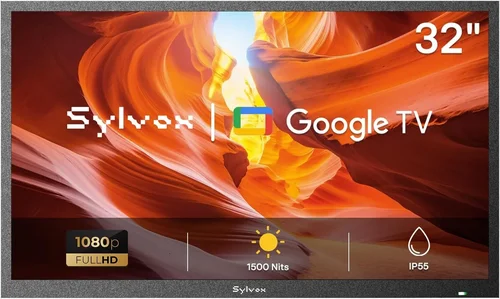
❌ Mistake: Assuming All “Outdoor” TVs Are Fully Weatherproof
Why it’s bad: Many TVs are marketed as “suitable for outdoor use” but only meant for covered areas like screened-in porches. Using them in direct rain or sun can lead to water damage, screen burn, or electrical failure.
What to do instead: Always check the IP rating and operating conditions. If your balcony is fully exposed, invest in a fully sealed model with IP65 or higher. Don’t rely on marketing buzzwords—read the technical specs.
❌ Mistake: Overlooking Brightness Requirements
Why it’s bad: A dim screen will be washed out in sunlight, making it impossible to see details or enjoy vibrant colors. This is especially frustrating during daytime sports or outdoor movie nights.
What to do instead: Choose a TV with at least 700 nits of brightness, and 1000+ nits for full sun. Look for anti-glare coatings and consider adding a sunshade if needed.
❌ Mistake: Ignoring Thermal Management
Why it’s bad: Overheating can cause permanent damage to internal components, leading to shortened lifespan or sudden failure. Condensation buildup can also corrode circuits.
What to do instead: Select a TV with a wide operating temperature range and built-in thermal protection. Avoid placing the TV in enclosed spaces without ventilation.
❌ Mistake: Skimping on Mounting Hardware
Why it’s bad: Standard indoor mounts aren’t designed for outdoor conditions. Wind, vibration, and corrosion can loosen mounts, risking the TV falling and causing injury or damage.
What to do instead: Use manufacturer-recommended outdoor mounts made from stainless steel or aluminum. Ensure the mount is rated for the TV’s weight and wind load.
❌ Mistake: Not Checking Power Access
Why it’s bad: Running extension cords across balconies is unsafe and often violates building codes. Without reliable power, the TV becomes unusable.
What to do instead: Confirm access to a weatherproof outdoor outlet or consult an electrician for safe hardwiring. Use GFCI-protected circuits to prevent shocks.
❌ Mistake: Buying Without Testing Viewing Angles
Why it’s bad: Some outdoor TVs have narrow viewing angles, meaning the picture degrades if you’re not sitting directly in front. On a small balcony, this can limit seating options.
What to do instead: Choose a TV with wide viewing angles (178° horizontal/vertical) or consider a swivel mount to adjust the screen position.
❌ Mistake: Neglecting Warranty Details
Why it’s bad: Outdoor use can void standard warranties. If the TV fails due to weather exposure, you may be stuck with repair costs.
What to do instead: Purchase from brands that explicitly cover outdoor use. Register the product and keep installation records to support warranty claims.
Budget Guidelines: How Much Should You Spend?
Entry-Level ($600 – $1,200): These are typically indoor TVs housed in basic weatherproof enclosures. They’re suitable for covered patios or screened balconies but lack high brightness and advanced thermal protection. Ideal for occasional use in mild climates. Expect shorter lifespans and limited smart features.
Mid-Range ($1,200 – $2,500): This is the sweet spot for most apartment dwellers. You’ll find fully sealed outdoor TVs with IP65 ratings, 700–1000 nits brightness, and decent smart platforms. Brands like SunBrite and Seura offer reliable models in this range. These TVs balance performance, durability, and affordability.
Premium ($2,500 – $4,000): For those who want top-tier performance, these TVs feature OLED or high-end LED panels, 1000+ nits brightness, advanced thermal management, and premium materials. Samsung’s The Terrace and LG’s outdoor models fall here. They’re built for year-round use in harsh environments and often include professional installation support.
Luxury ($4,000+): These are commercial-grade displays or custom-built solutions for large terraces or luxury apartments. They offer 2000+ nits brightness, 24/7 operation capability, and integration with home automation systems. Often used in high-end rental properties or penthouses, they come with comprehensive service plans.
Expert Tips for Getting the Best Deal
- Buy During Off-Season: Prices drop significantly in late fall and winter when outdoor entertainment demand is low. Look for Black Friday, Cyber Monday, or end-of-year clearance sales.
- Compare Retailers: Check specialty outdoor electronics stores, big-box retailers, and online marketplaces. Some offer price matching or bundle deals with mounts and cables.
- Consider Refurbished Models: Certified refurbished weatherproof TVs from reputable brands can save 20–30% and often come with the same warranty as new units.
- Negotiate Installation: Some retailers offer free or discounted installation with purchase. This is especially valuable for hardwiring or complex mounting.
- Check for Rebates: Utility companies or local governments sometimes offer energy efficiency rebates for outdoor electronics. Ask your provider.
- Read Return Policies: Ensure the retailer allows returns if the TV doesn’t perform as expected outdoors. Some stores have strict no-return policies on weatherproof units.
- Test Before Committing: If possible, visit a showroom to see the TV in bright lighting. Compare brightness, color accuracy, and remote responsiveness.
- Join Online Communities: Forums like AVS Forum or Reddit’s r/outdoortv share real-world reviews, deal alerts, and troubleshooting tips from experienced users.

Frequently Asked Questions
Q: Can I use a regular TV outdoors if I cover it?
A: Not recommended. Even with a cover, indoor TVs lack the sealing, brightness, and thermal protection needed for outdoor use. Moisture can still seep in, and overheating is likely. A weatherproof enclosure helps but doesn’t match a purpose-built outdoor TV.
Q: Do weatherproof TVs work in winter?
A: Yes, most are designed to operate in freezing temperatures. Look for models with a low-temperature rating (down to -22°F or lower) and internal heaters to prevent condensation.
Q: How do I clean a weatherproof TV screen?
A: Use a microfiber cloth and a mild cleaner designed for electronics. Avoid ammonia-based cleaners or abrasive materials. Turn off the TV and let it cool before cleaning.
Q: Can I mount a weatherproof TV on a balcony railing?
A: Only if the railing is sturdy and the mount is rated for outdoor use and wind load. Check local building codes and your lease agreement. Wall mounting is usually safer.
Q: Do weatherproof TVs consume more electricity?
A: Yes, due to higher brightness and cooling systems. However, many have eco modes that reduce power usage. Look for Energy Star ratings to minimize costs.
Q: What happens if my TV gets rained on?
A: If it’s properly rated (IP65 or higher), it should be fine. But avoid spraying water directly on ports or vents. After heavy rain, wipe down the exterior and check for moisture.
Q: Can I use a soundbar with a weatherproof TV?
A: Yes, but choose a weather-resistant soundbar or place it under cover. Connect via HDMI ARC or optical audio for best results.
Q: Are weatherproof TVs noisy?
A: Most are silent, especially fanless models. Some with active cooling may produce a faint hum, but it’s usually drowned out by ambient noise.
Q: How long do weatherproof TVs last?
A: With proper care, 7–10 years is typical. Harsh climates or poor installation can shorten lifespan. Regular maintenance and firmware updates help.
Q: Can I control the TV with my smartphone?
A: Many smart outdoor TVs support app control via Wi-Fi. Check compatibility with iOS or Android before buying.
Our Final Recommendations
Best for Budget-Conscious Buyers: SunBrite Veranda Series 50-inch – Offers solid IP55 protection, 700 nits brightness, and Android TV for under $1,500. Great for covered balconies.
Best Overall Value: Samsung The Terrace 55-inch – IP55-rated, 2000 nits brightness, anti-reflective screen, and excellent smart features. Priced around $2,800, it’s a top performer for most users.
Best Premium Option: LG OLED Flex 48-inch Outdoor – Combines OLED picture quality with outdoor durability, 1000 nits brightness, and a sleek design. Ideal for tech enthusiasts willing to invest $3,500+.
Best for Beginners: Seura 43-inch Outdoor TV – Easy setup, reliable performance, and strong customer support. Perfect for first-time buyers with a $1,800 budget.
Best for Advanced Users: Peerless-AV Xtreme 65-inch Commercial Display – Built for 24/7 operation, 3000 nits brightness, and full weather sealing. Best for large terraces or professional installations.
Conclusion: Making the Right Choice
Choosing a weatherproof TV for your apartment is more than just picking a screen that survives the rain—it’s about enhancing your outdoor lifestyle with reliable, high-performance entertainment. From understanding IP ratings and brightness to avoiding common pitfalls and selecting the right budget tier, this guide has equipped you with the knowledge to make a confident decision. Remember, the best TV isn’t necessarily the most expensive; it’s the one that matches your space, climate, and viewing habits.
Prioritize your needs: if you live in a sunny city, brightness and anti-glare features are non-negotiable. If you’re a renter, portability and easy installation matter most. And always invest in quality mounting and power solutions to ensure safety and longevity. With the right weatherproof TV, your balcony or patio can become a year-round retreat for movies, sports, and relaxation.
Now that you’re armed with expert insights, it’s time to take action. Compare models, read real user reviews, and consult with professionals if needed. Your perfect outdoor viewing experience is within reach—don’t let the elements stand in the way.

